Explore how SLAC advances energy research, partnering with Stanford University, the U.S. Department of Energy and industry, to help create a more reliable, affordable and sustainable energy future.
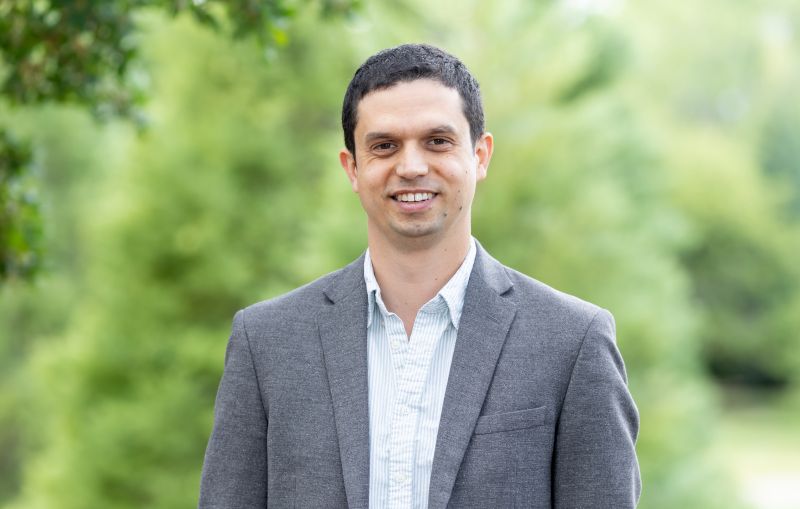
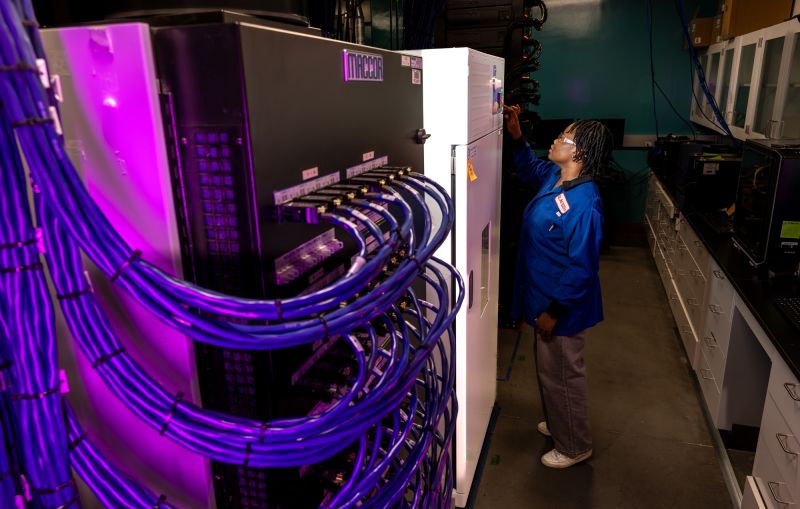
Batteries power everything from medical devices to electronic devices, yet the core technology hasn't fundamentally changed in decades. At the SLAC-Stanford Battery Center, scientists...
An associate scientist at SSRL, Richardson studies plant growth to find ways to enhance nutrient uptake in plants, especially in challenging conditions – such...
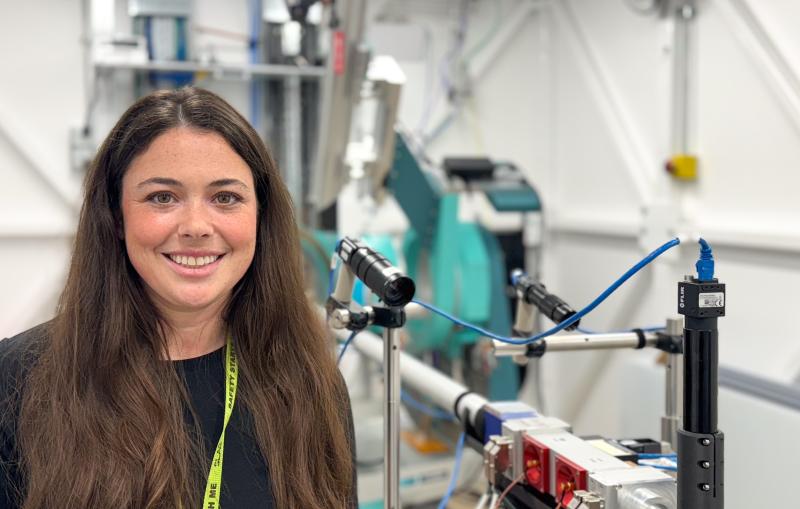
Learn more about how materials chemist and SLAC Associate Scientist Molleigh Preefer uses the powerful X-rays of SLAC’s synchrotron to watch battery charging cycles...
Explore how SLAC advances energy research, partnering with Stanford University, the U.S. Department of Energy and industry, to help create a more reliable, affordable and sustainable energy future.
Batteries power everything from medical devices to electronic devices, yet the core technology hasn't fundamentally changed in decades. At the SLAC-Stanford Battery Center, scientists are working with industry to change that.
An associate scientist at SSRL, Richardson studies plant growth to find ways to enhance nutrient uptake in plants, especially in challenging conditions – such as higher temperatures, drought, and intense precipitation events – brought about by climate change.
Learn more about how materials chemist and SLAC Associate Scientist Molleigh Preefer uses the powerful X-rays of SLAC’s synchrotron to watch battery charging cycles and innovate new battery materials.