

Catalysts are the unsung heroes of chemistry, accelerating reactions used to make fertilizers, fuels and consumer products. SUNCAT’s focus is on improving catalysts for making chemicals and fuels with renewable energy.

Anchoring individual iridium atoms on the surface of a catalytic particle boosted its performance in carrying out a reaction that’s been a bottleneck for...
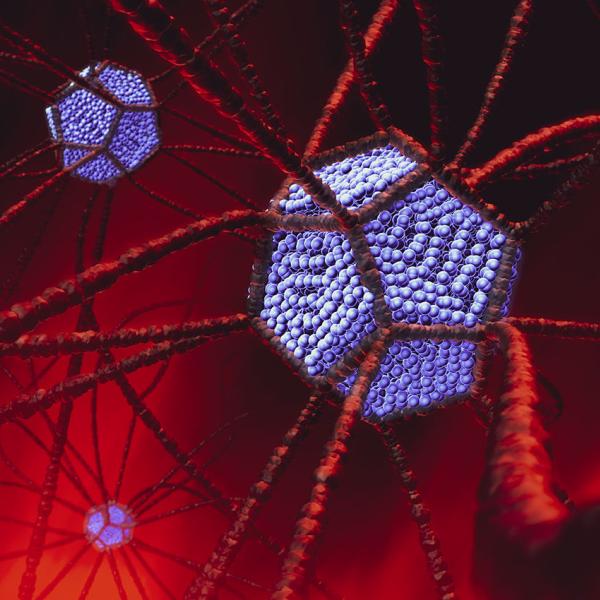
A serendipitous discovery lets researchers spy on this self-assembly process for the first time with SLAC’s X-ray synchrotron. What they learn will help them...
An advance by SLAC and Stanford researchers greatly reduces the time needed to analyze complex catalytic reactions for making fuel, industrial chemicals and other...
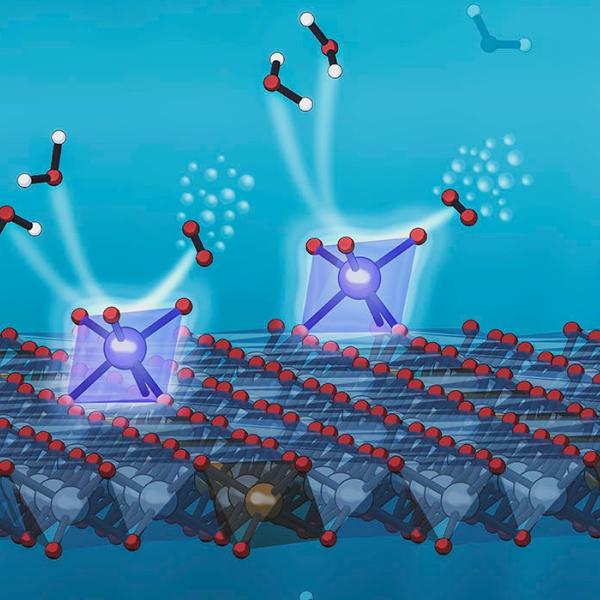
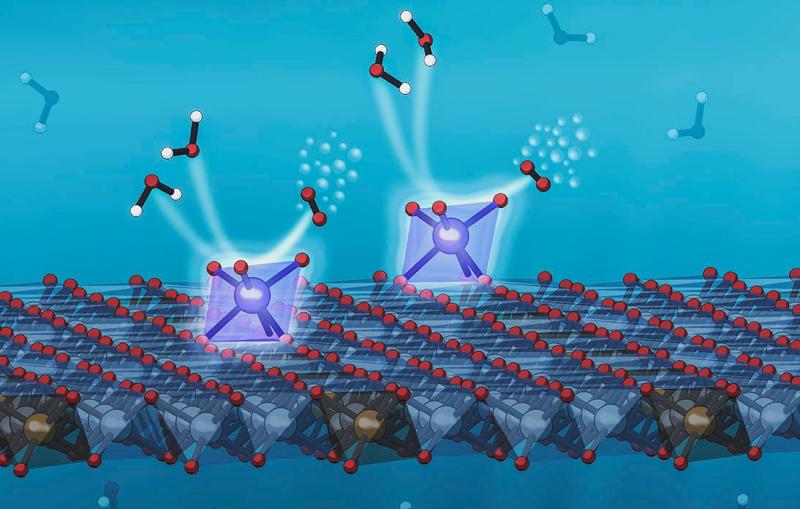
Anchoring individual iridium atoms on the surface of a catalytic particle boosted its performance in carrying out a reaction that’s been a bottleneck for sustainable energy production.
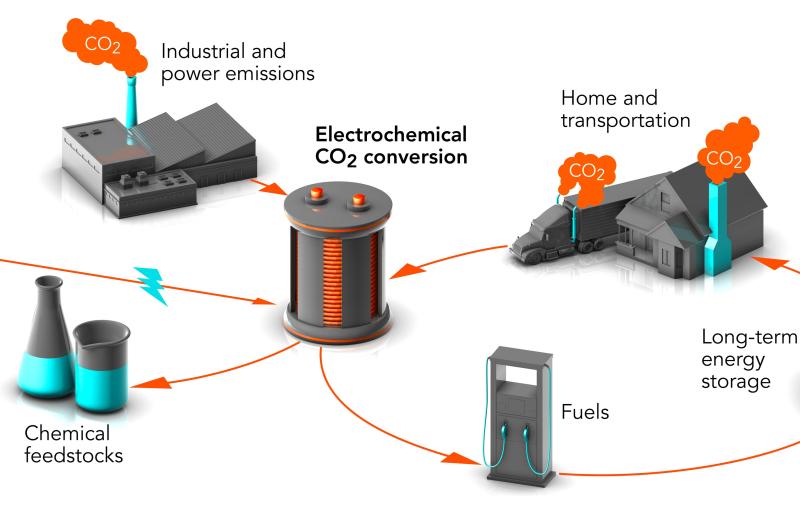
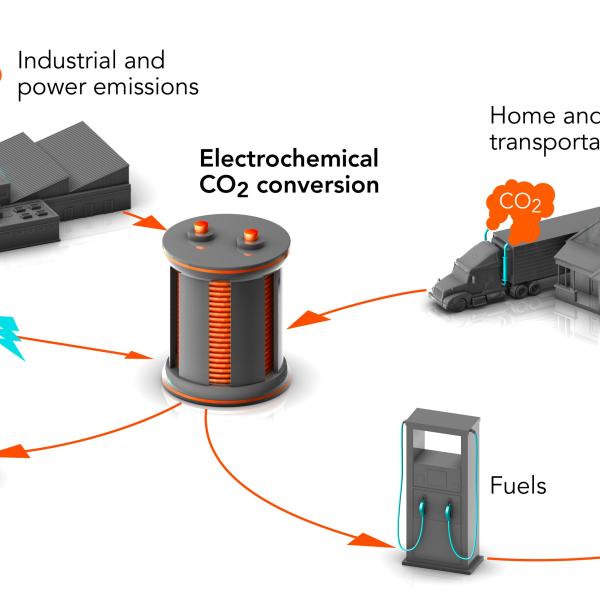
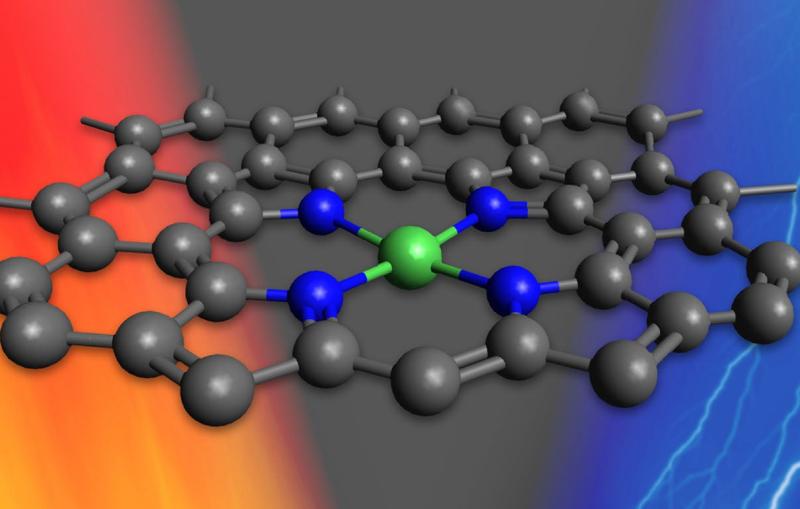
Their work aims to bridge two approaches to driving the reaction – one powered by heat, the other by electricity – with the goal of discovering more efficient and sustainable ways to convert carbon dioxide into useful products.
With a new suite of tools, scientists discovered exactly how tiny plate-like catalyst particles carry out a key step in that conversion – the evolution of oxygen in an electrocatalytic cell – in unprecedented detail.
They discovered the messy environment of a chemical reaction can actually change the shape of a catalytic nanoparticle in a way that makes it more active.
SUNCAT researchers discover a way to improve a key step in these conversions, and explore what it would take to turn the climate-changing gas into valuable products on an industrial scale.
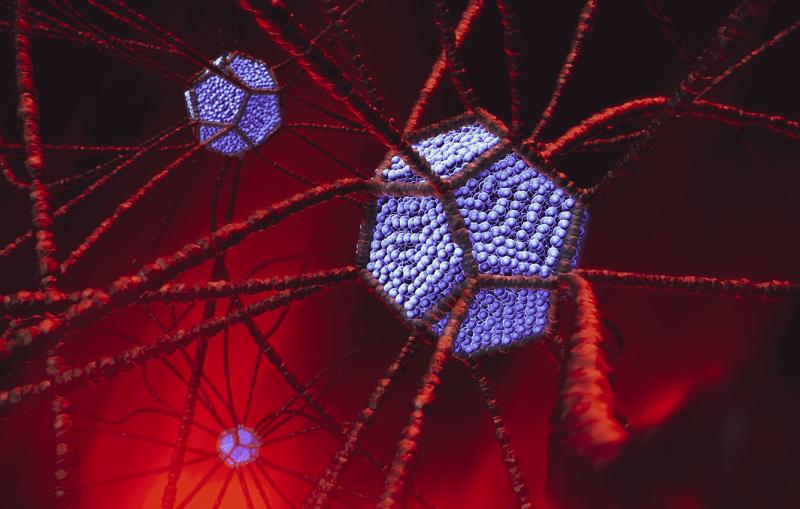
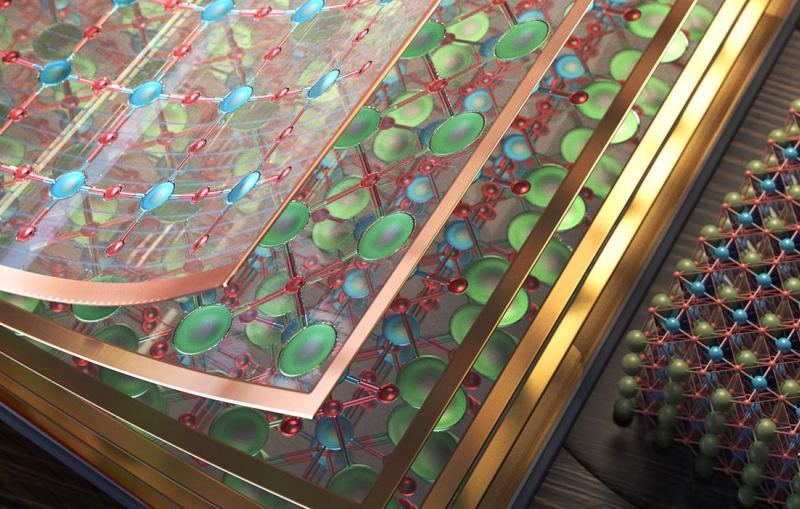
A serendipitous discovery lets researchers spy on this self-assembly process for the first time with SLAC’s X-ray synchrotron. What they learn will help them fine-tune precision materials for electronics, catalysis and more.
A recent discovery by scientists from the SUNCAT Center for Interface Science and Catalysis could lead to a new, more sustainable way to make ethanol without corn or other crops.
An advance by SLAC and Stanford researchers greatly reduces the time needed to analyze complex catalytic reactions for making fuel, industrial chemicals and other products, and should improve computational analysis throughout chemistry.