SLAC topics

Stanford Synchrotron Radiation Lightsource (SSRL) RSS feed

SSRL is a pioneering synchrotron radiation facility known for outstanding science, technological innovation and user support. It provides extremely bright X-rays that scientists use for a wide range of research that probes matter on the scales of atoms and molecules.
Visit SSRL website

Browse tagged content

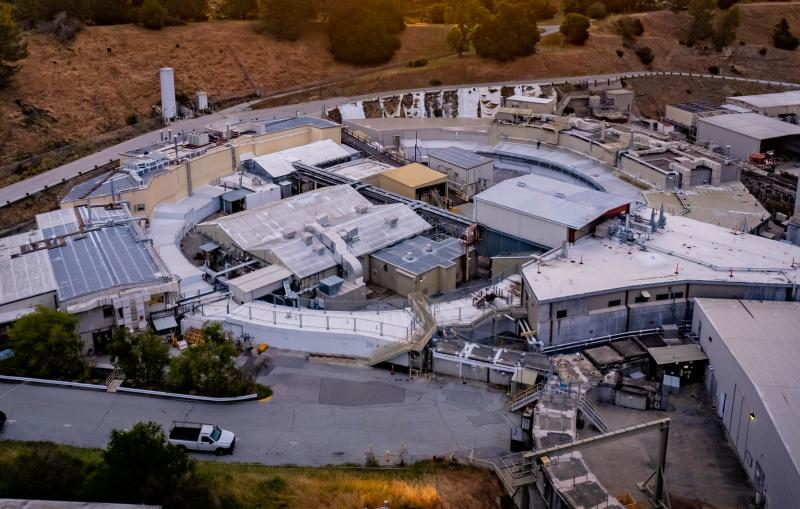
Aerial view of Stanford Synchrotron Radiation Lightsource (SSRL)
Feature

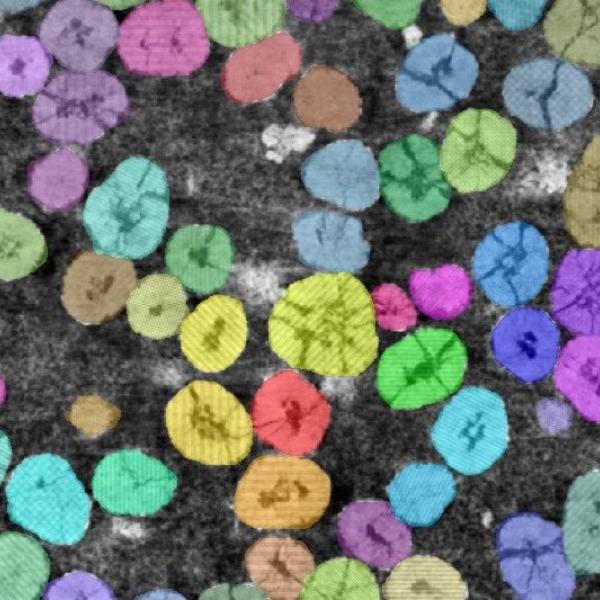
It combines human knowledge and expertise with the speed and efficiency of “smart” computer algorithms.

Accelerator Control Room
Feature

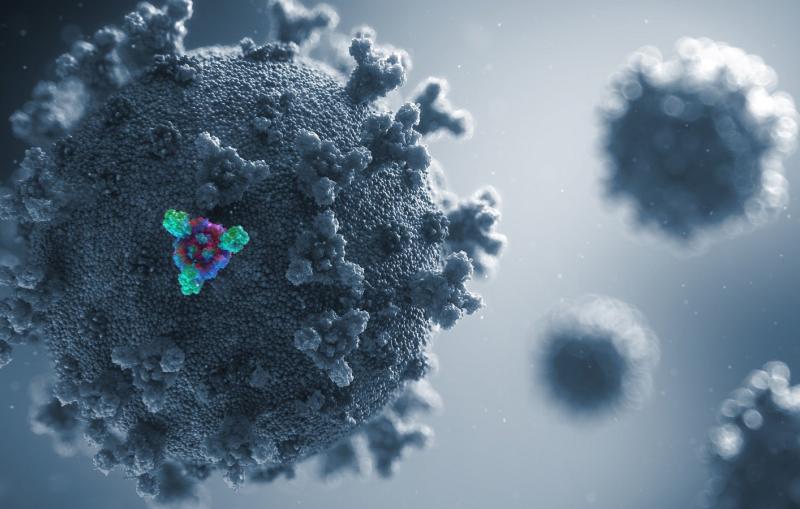
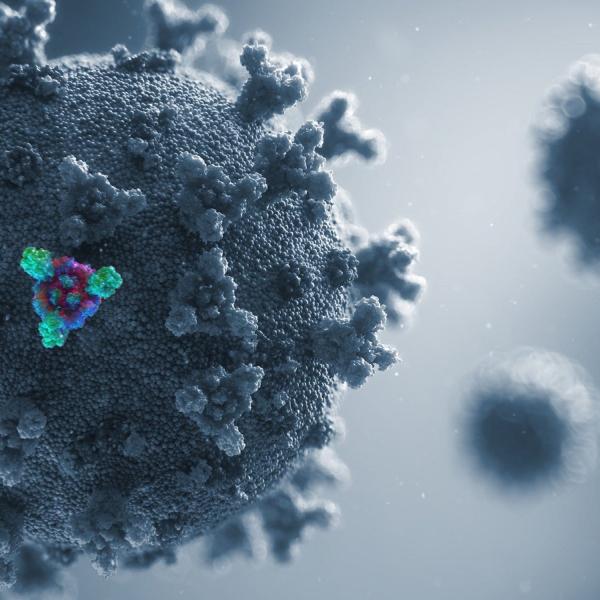
The lab is responding to the coronavirus crisis by imaging disease-related biomolecules, developing standards for reliable coronavirus testing and enabling other essential research.

SARS-CoV-2
News Brief

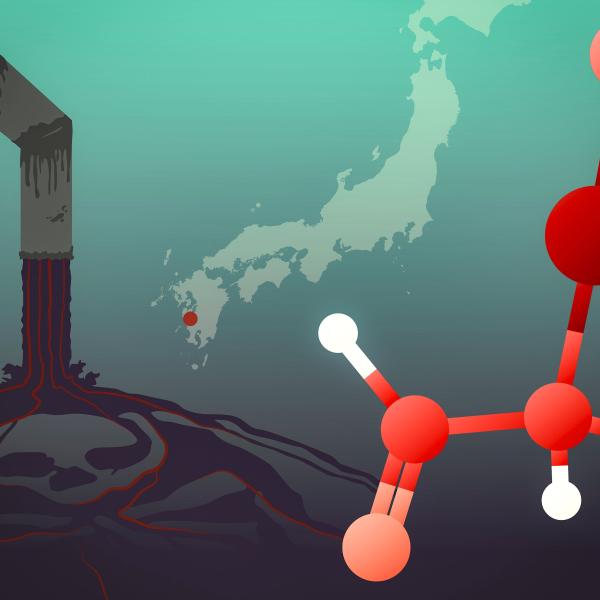
The 1950s and ‘60s poisoning event was long attributed to methylmercury, but studies at SLAC suggest a different compound was to blame. The findings...

Illustration of toxic waste being dumped from a pipe, a molecule, and a map showing the location of Minamata, Japan.
Feature

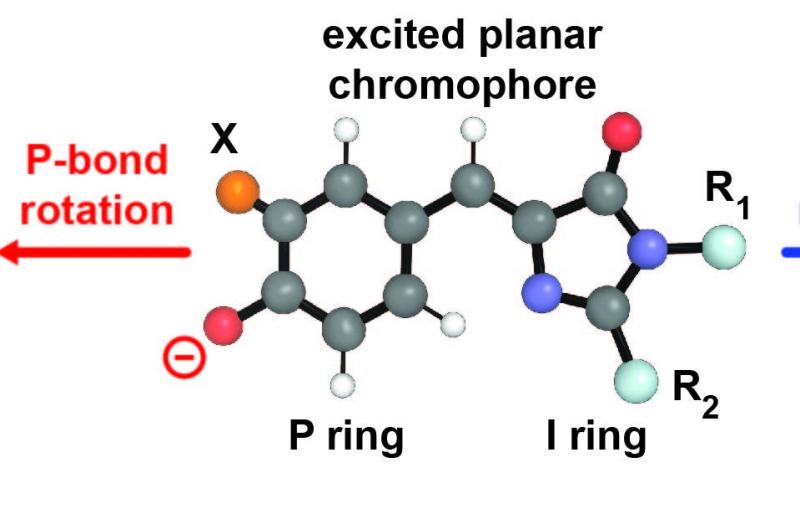
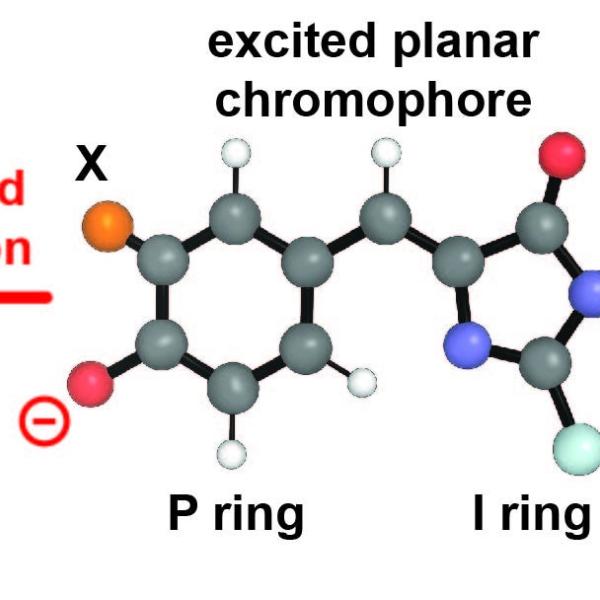
A better understanding of this phenomenon, which is crucial to many processes that occur in biological systems and materials, could enable researchers to develop...

photoexcitation
News Brief

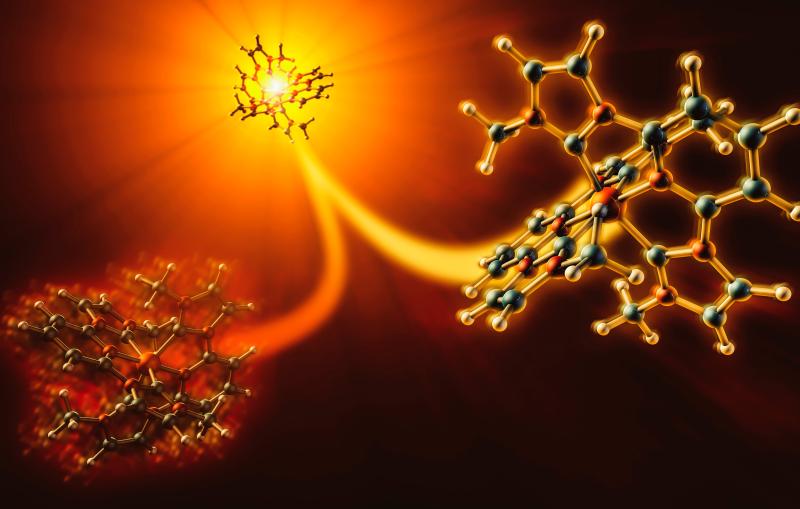
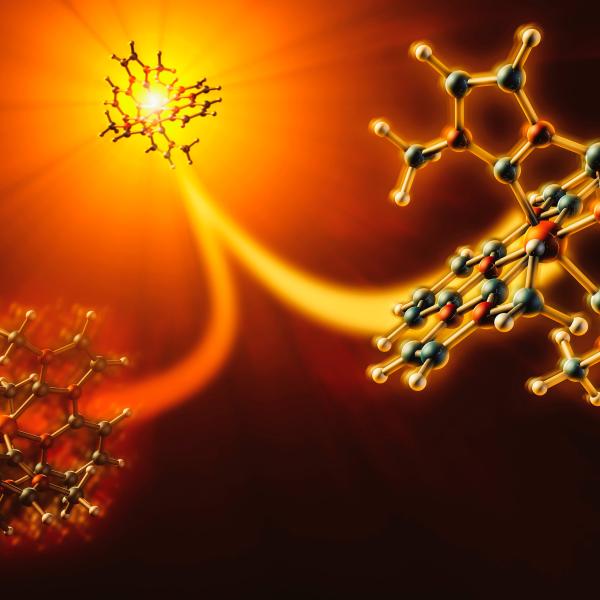
These inexpensive photosensitizers could make solar power and chemical manufacturing more efficient. Experiments at SLAC offer insight into how they work.

Illustration of carbene reaction pathways
Feature

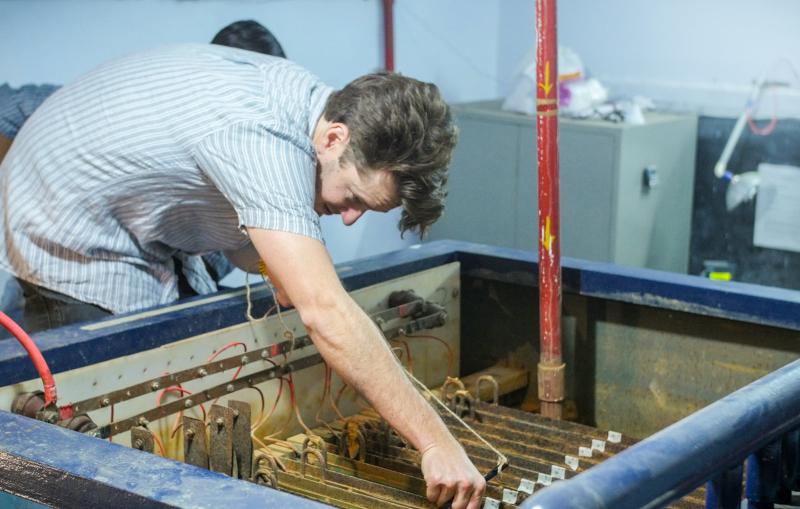
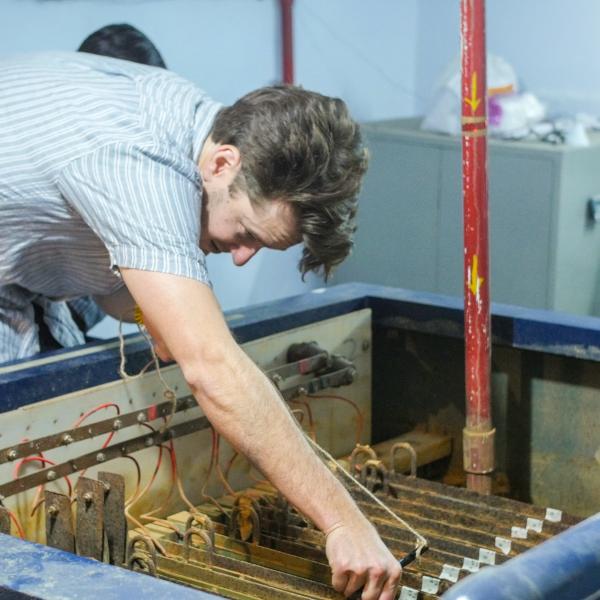
In regions that lack the resources to treat the contaminated water, it can lead to disease, cancer, and even death.

Electrode tank
News Brief

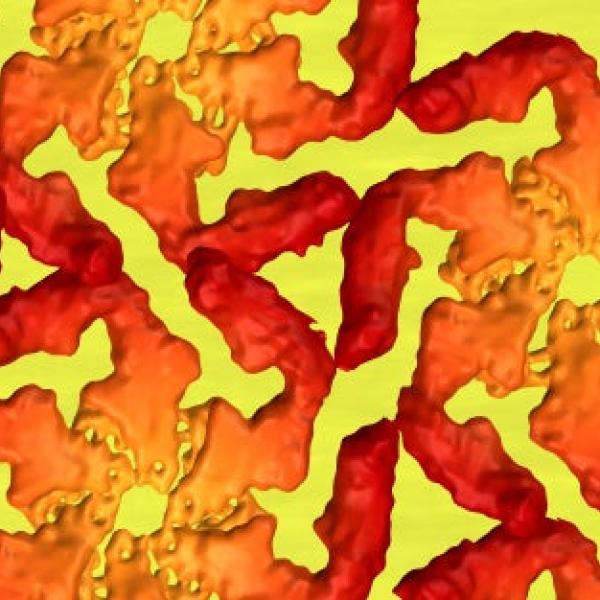
A new understanding of the nucleation process could shed light on how the shells help microbes interact with their environments, and help people design...

Illustration of tiles forming a microbial shell
News Brief

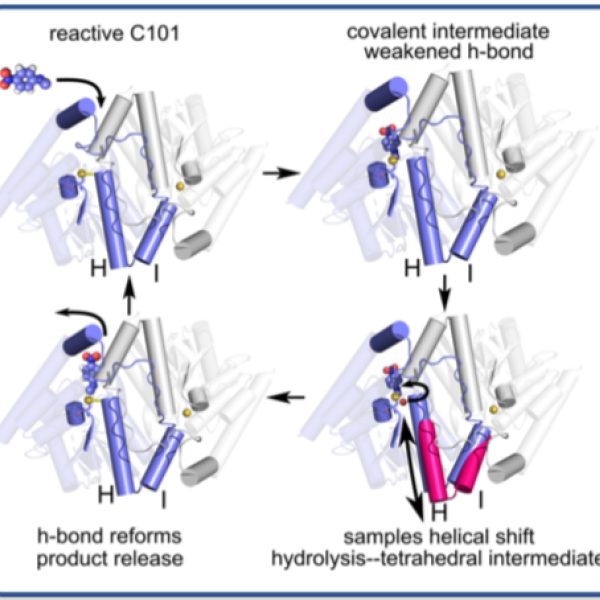
What they learned could lead to a better understanding of how antibiotics are broken down in the body, potentially leading to the development of...

Feature

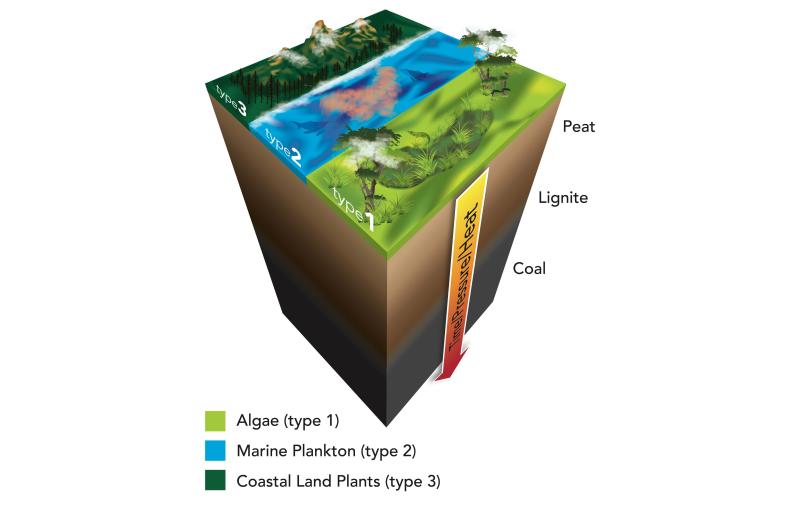
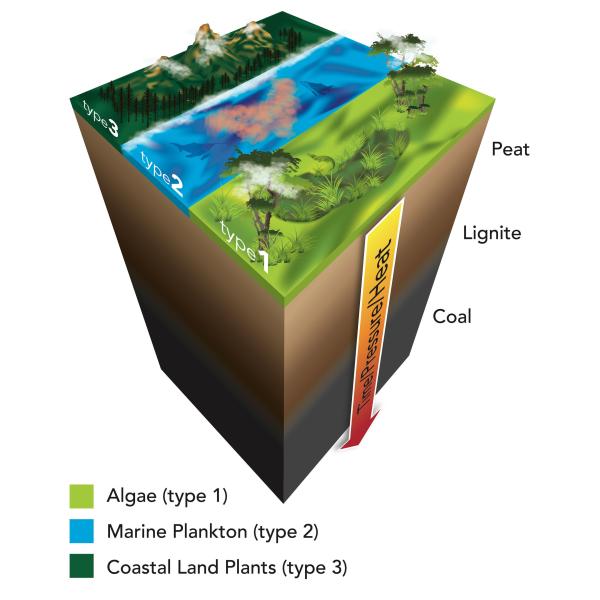
A better understanding of these materials and how they store and transport oil and gas could one day enable more efficient fossil fuel production.

Aromatic carbon
Feature

It reveals an abrupt transition in cuprates where particles give up their individuality. The results flip a popular theory on its head.

Illustration of abrupt transition in normal state of a cuprate
Feature

A better understanding of ‘checkpoint proteins,’ which protect cancer cells against immune system strikes, could lead to the development of more effective drugs.

VISTA
Feature

A study including SLAC scientists and facilities discovers a new process that shows promise in turning the greenhouse gas back into usable fuels.

Two Stanford researchers in the lab