

SLAC topics

Stanford PULSE Institute RSS feed

Researchers at the Stanford PULSE Institute watch ultrafast particle motions and chemical reactions to get a deeper understanding of matter in all its forms. Soon we’ll be able to watch even speedier electron movements that underlie all of chemistry, technology and life.

Visit PULSE website

Browse tagged content

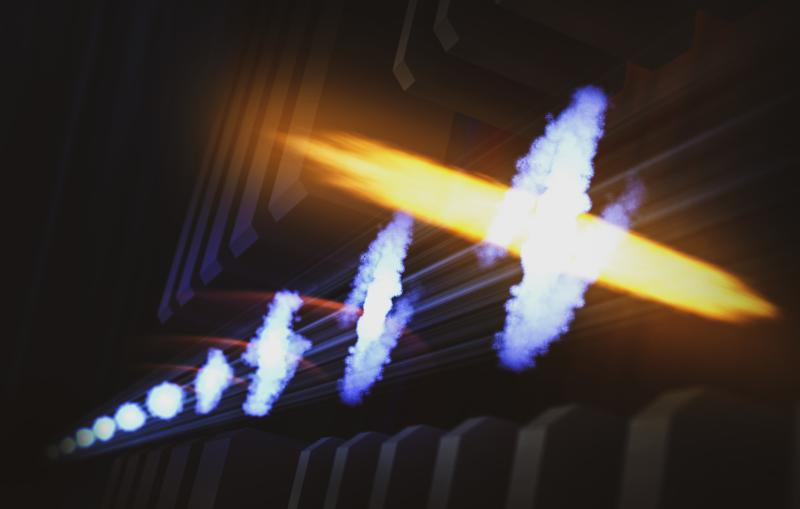
XLEAP illustration
News Brief

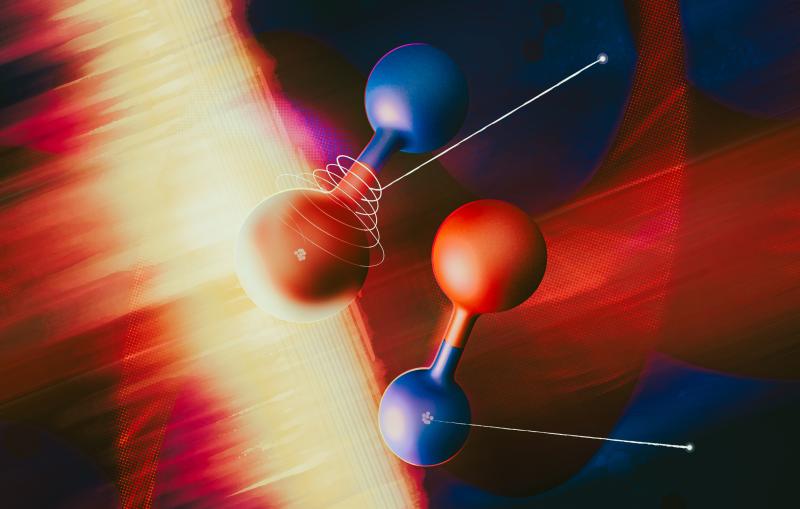
Their method provides a new tool to study electron-electron interactions, which are fundamental to many technologies, including semiconductors and solar cells.

photoelectric effect
Feature

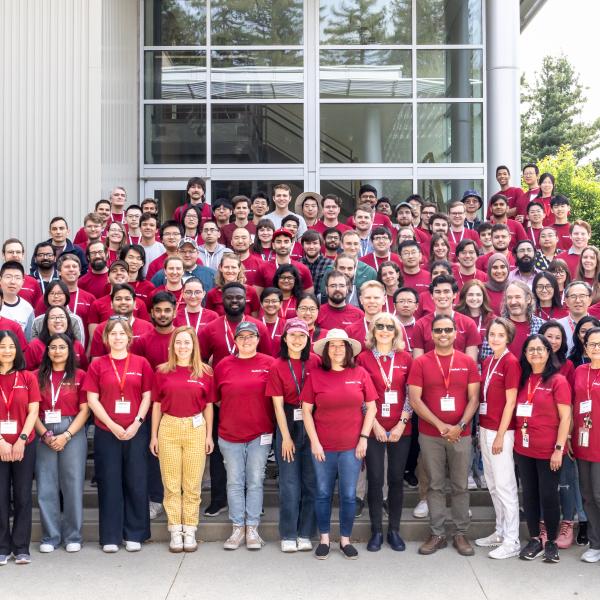
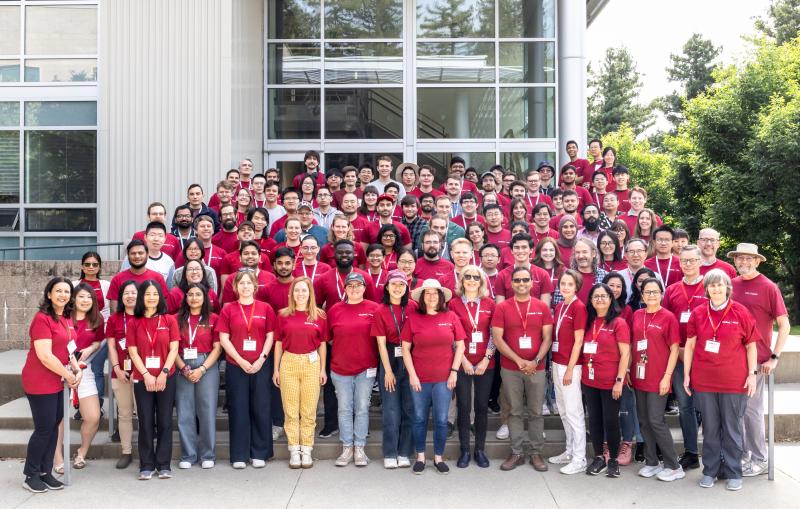
The Ultrafast X-ray Summer School, run by the Stanford PULSE Institute and hosted at SLAC, opens the door for students and postdocs to imagine...

A group photo of people in red tee shirts.
News Brief

Harold Hwang and Tony Heinz were among 124 newly elected members.

Harold Hwang and Tony Heinz
Feature

The award recognizes Driver’s contribution toward attosecond X-ray capabilities.

A portrait of Taran Driver.
News Brief

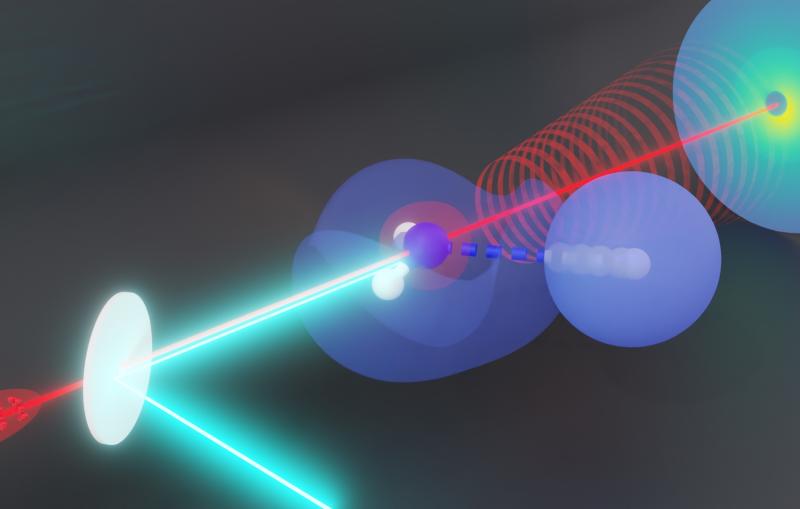
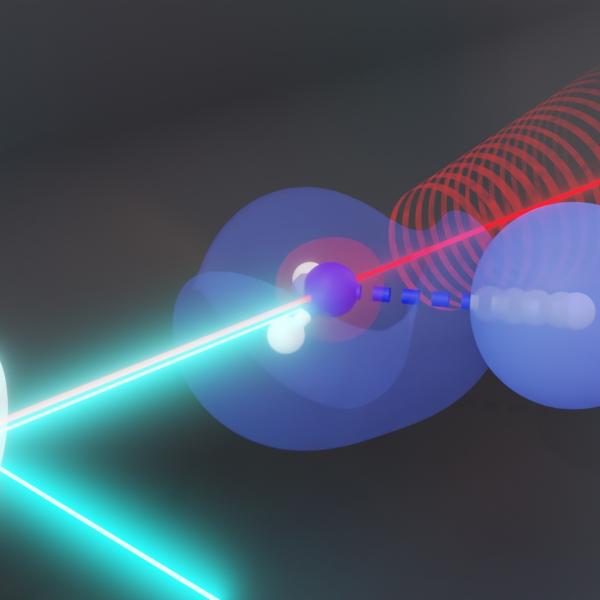
Proving the technique works puts scientists one step closer to unraveling the mysteries of hydrogen transfers.

Red and blue laser beams strike a sample.
Feature

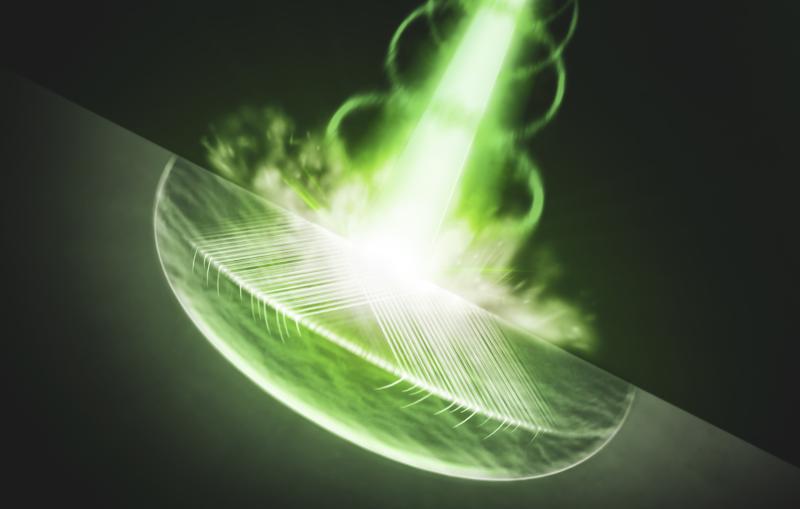
A groundbreaking study shows defects spreading through diamond faster than the speed of sound 

Shocking a diamond with a high-power laser produced defects that propagated faster than the speed of sound.
Feature

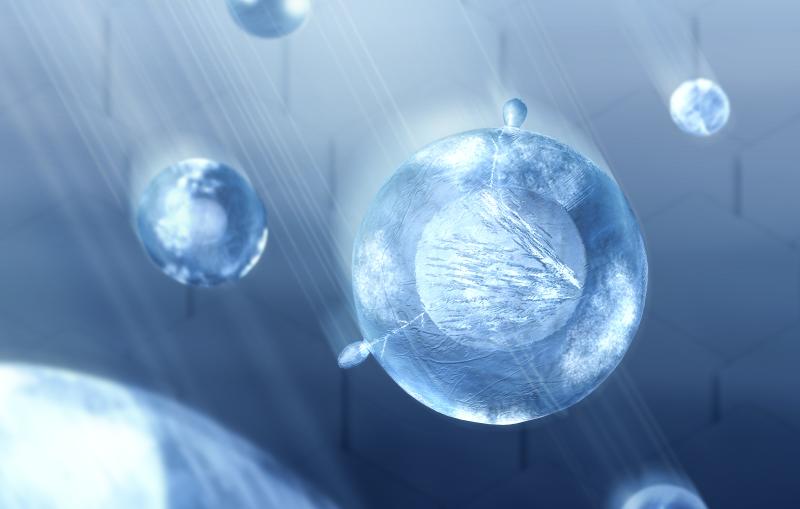
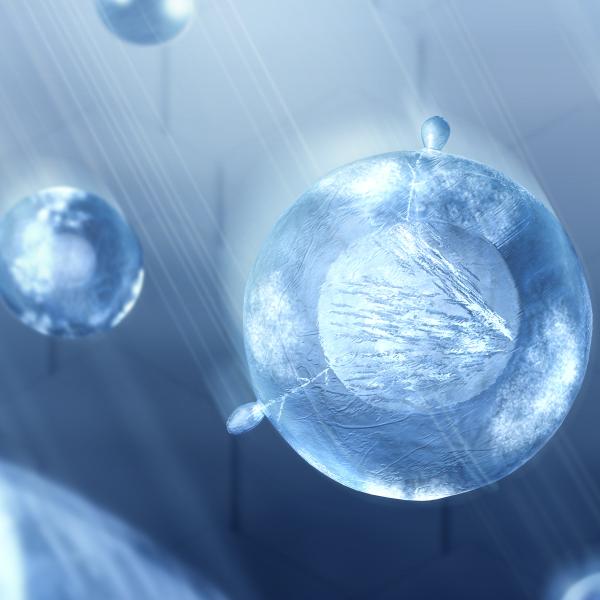
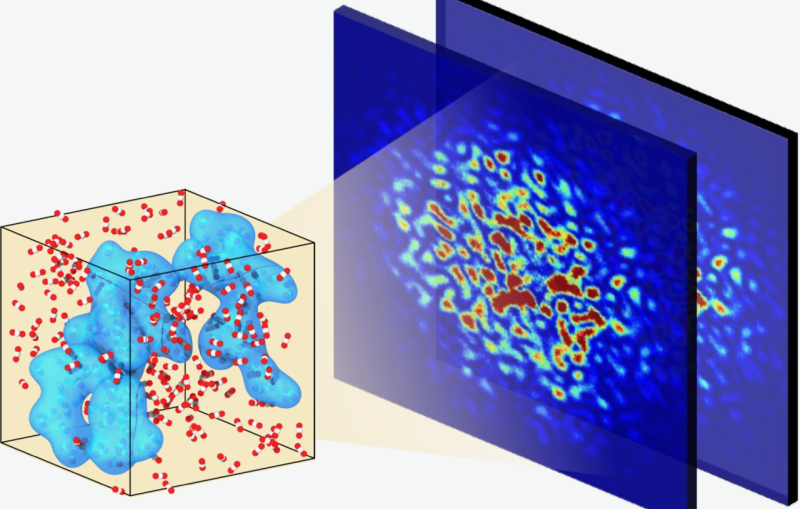
X-ray laser studies help researchers identify early steps in the freezing process to better understand how clouds make ice and their effect on climate.

supercooled water droplets
Feature

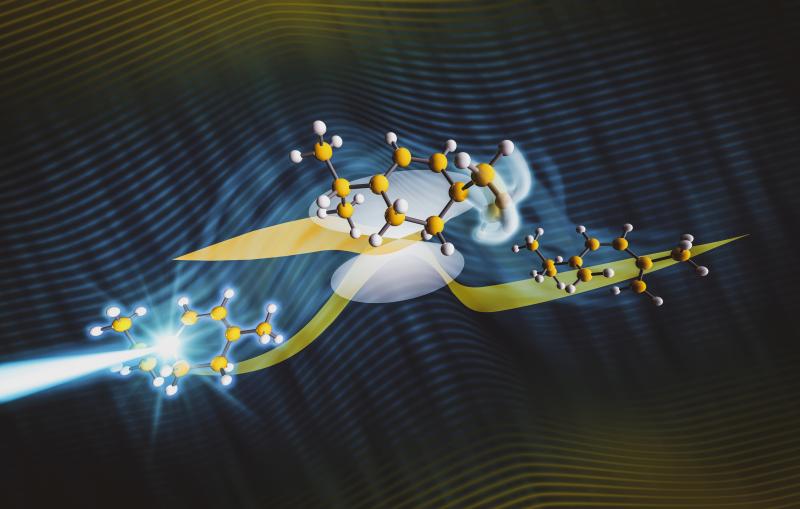
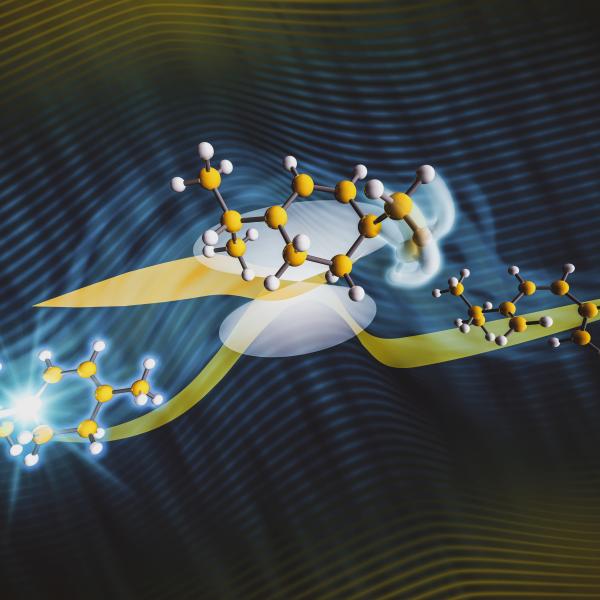
The results should further our understanding of similar reactions with vital roles in chemistry, such as the production of vitamin D in our bodies.

UED transition state
News Release

After decades of effort, scientists have finally seen the process by which nature creates the oxygen we breathe using SLAC’s X-ray laser.

Photosystem II
Feature

The award celebrates Huang’s achievements studying atom-scale physics with fast X-ray pulses.

Yijing Huang at Stanford University
Feature

Spiraling laser light reveals how topological insulators lose their ability to conduct electric current on their surfaces.

Against a black background, thin, glowing red wires at top impinge on the hexagonal surface of a translucent mass. Small white dots travel along the edges of the surface in two directions. Within the mass, two orange cones meet at their tips.
Feature

Researchers discover that a spot of molecular glue and a timely twist help a bacterial enzyme convert carbon dioxide into carbon compounds 20 times...

An illustration shows the pocket in an enzyme called ECR where the carbon fixing reaction takes place.