SLAC topics

Stanford Institute for Materials & Energy Sciences (SIMES) RSS feed

SIMES researchers study complex, novel materials that could transform the energy landscape by making computing much more efficient or transmitting power over long distances with no loss, for instance.

Visit SIMES website

Browse tagged content below

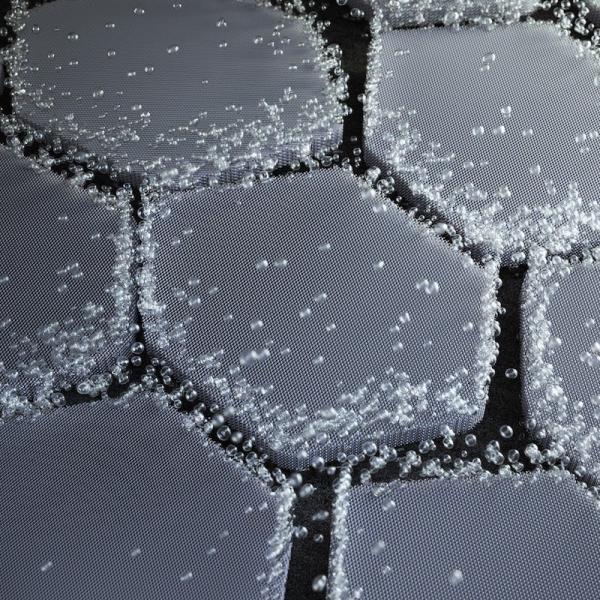
Polarons, bubbles of distortion in a perovskite lattice.
Feature

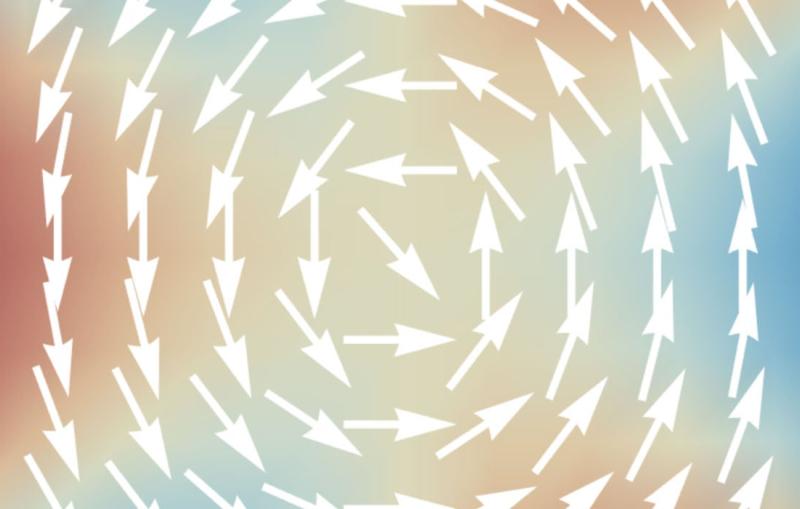
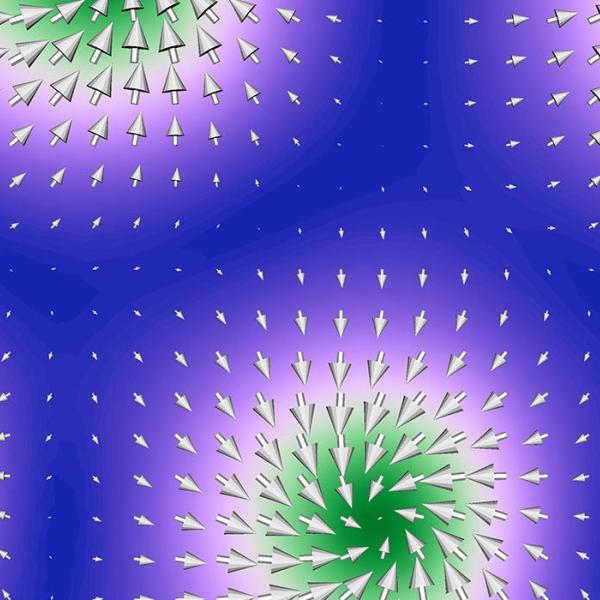
Topological insulators conduct electricity on their surfaces but not through their interiors. SLAC scientists discovered that high harmonic generation produces a unique signature from...

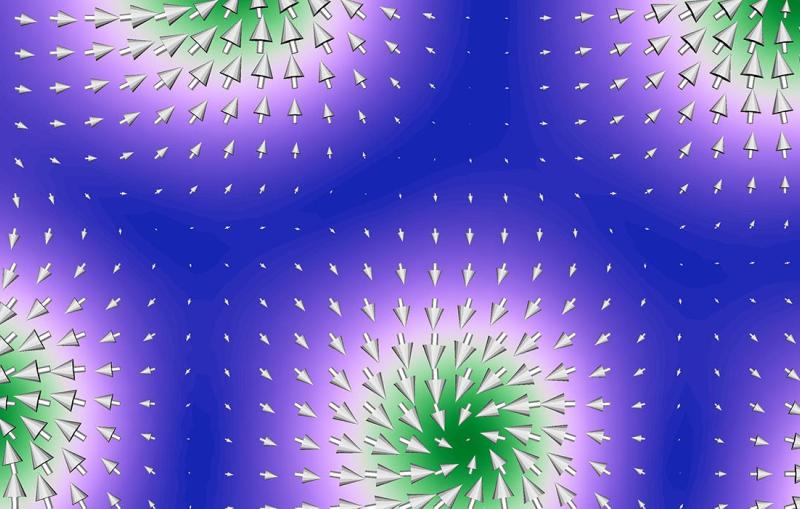
A counterclockwise pattern of swirling arrows This pattern of arrows representing the combined spin and momentum of electrons in the surface layer of a topological insulator
Feature

Spawned by the spins of electrons in magnetic materials, these tiny whirlpools behave like independent particles and could be the future of computing. Experiments...

Illustration of skyrmions -- little whirlpools of magnetism formed by the spins of atoms.
Feature

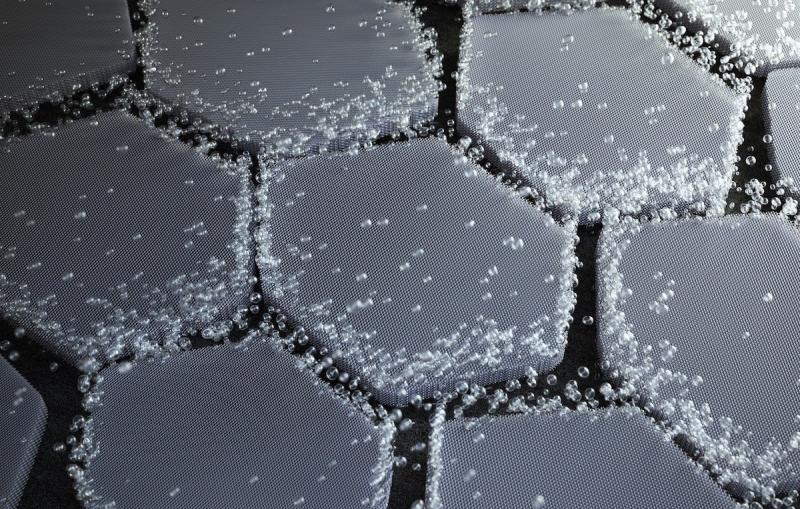
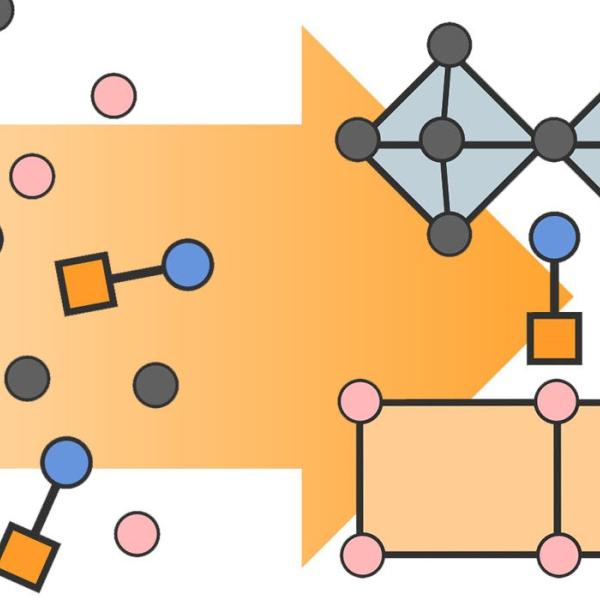
Much like crystallizing rock candy from sugar syrup, the new method grows 2D perovskites precisely layered with other 2D materials to produce crystals with...

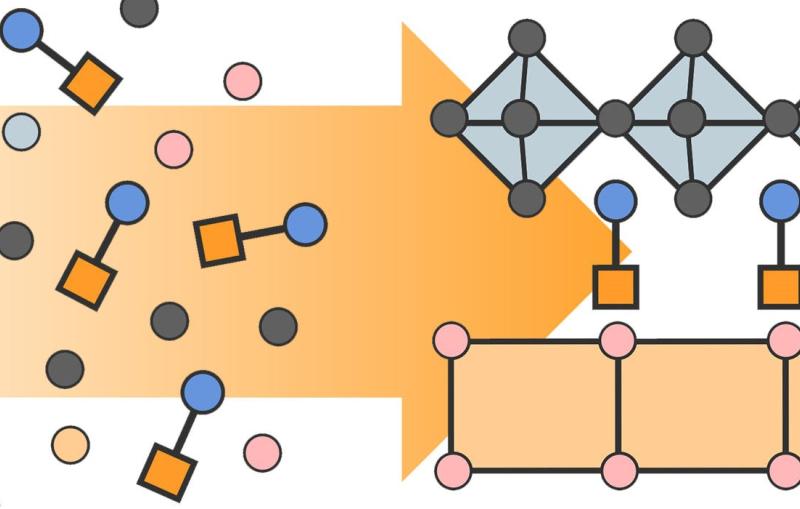
Illustration of layers of 2D materials assembling themselves from chemicals tumbling in water
Feature

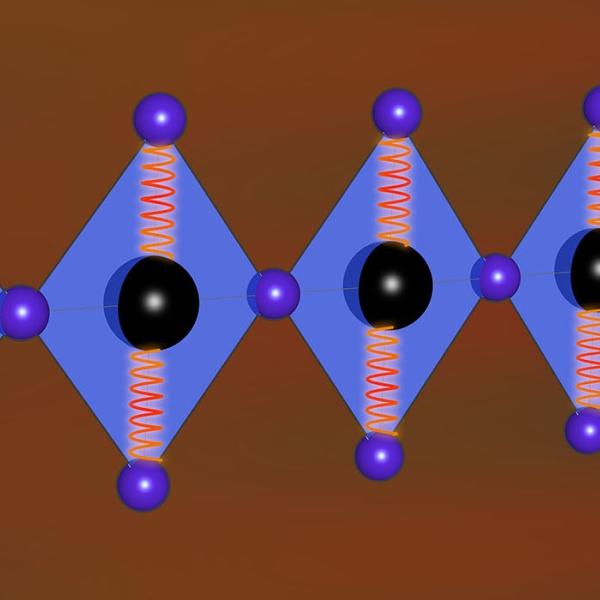
The chemically controlled chains reveal an ultrastrong attraction between electrons that may help cuprate superconductors carry electrical current with no loss at relatively high...

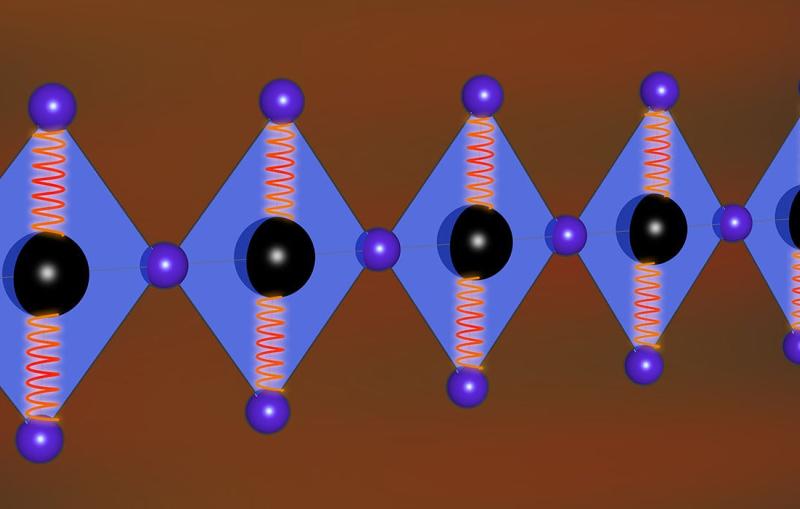
An illustration showing a 1D chain of carbon and oxygen molecules with red springs representing natural vibrations in their atomic lattice.
Feature

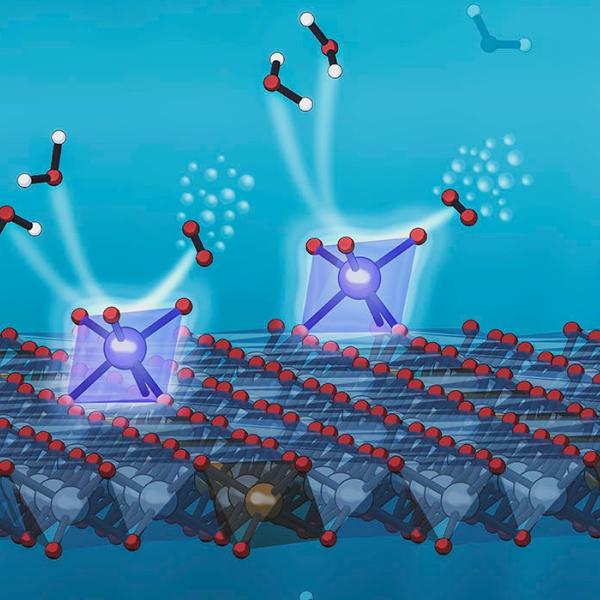
Anchoring individual iridium atoms on the surface of a catalytic particle boosted its performance in carrying out a reaction that’s been a bottleneck for...

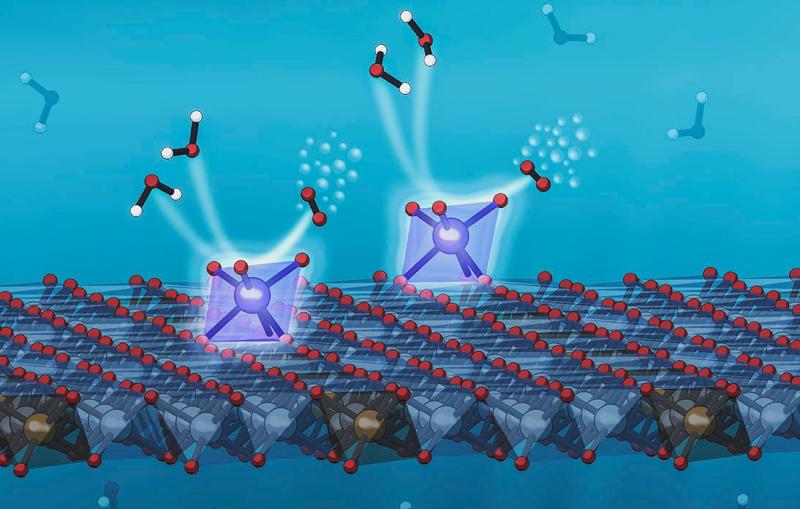
Illustration showing surface of a catalyst as a lattice work of atoms, with single iridium molecules held above it on tiny 8-sided structures to facilitate splitting of water molecules seen floating above
Feature

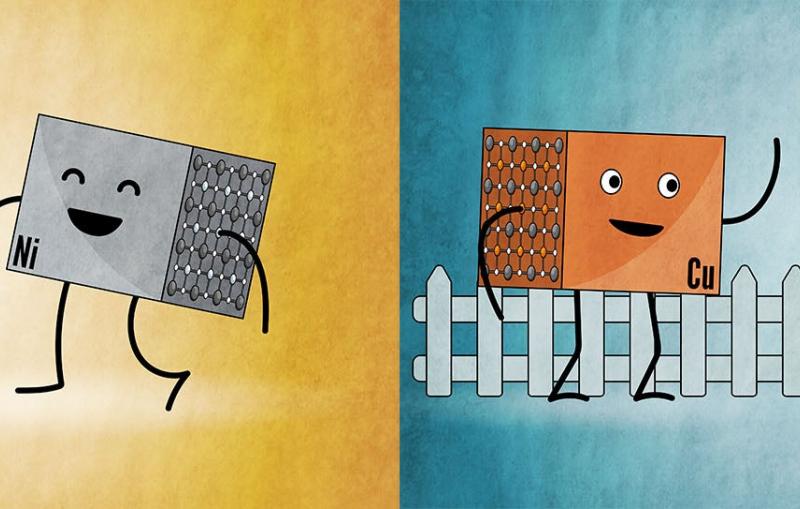
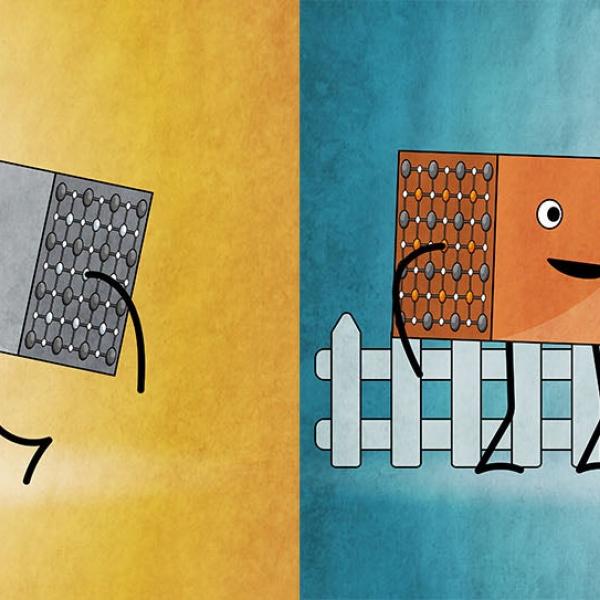
Nickelate materials give scientists an exciting new window into how unconventional superconductors carry electric current with no loss at relatively high temperatures.

Illustration showing nickelate and cuprate superconductors as cartoon characters that are either close friends holding hands or neighbors talking over a fence.
Feature

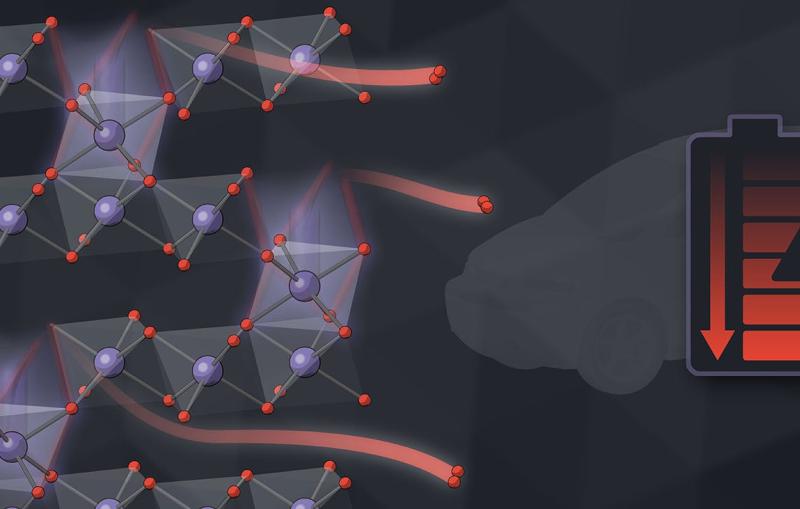
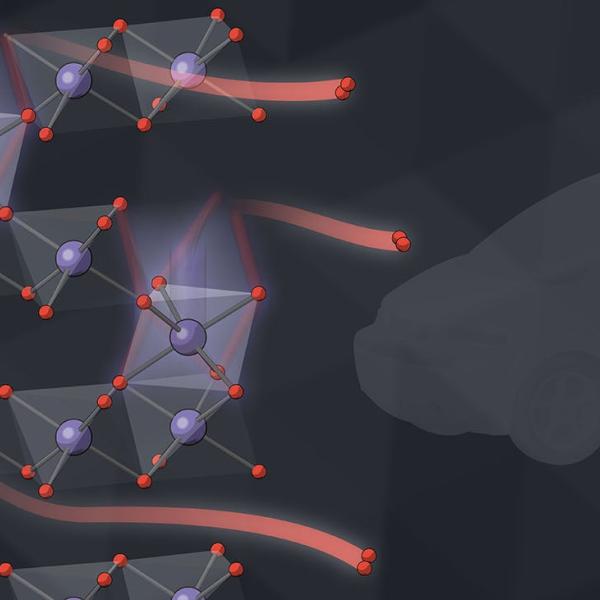
Measuring the process in unprecedented detail gives them clues to how to minimize the problem and protect battery performance.

Illustration of oxygen atoms leaving a lithium-ion battery as lithium flows in alongside a battery whose energy is being sapped by this process
Feature

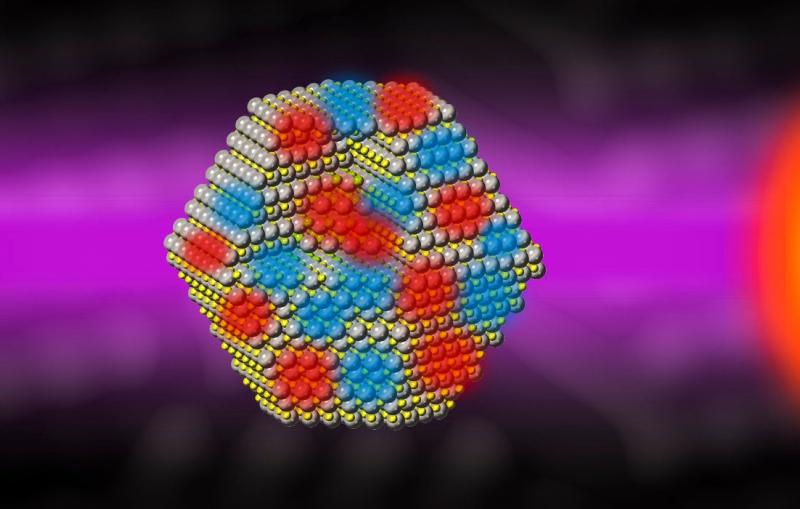
With a new suite of tools, scientists discovered exactly how tiny plate-like catalyst particles carry out a key step in that conversion – the...

Illustration of nanoscale catalyst particles.
Feature

It’s an example of how surprising properties can spontaneously emerge in complex materials – a phenomenon scientists hope to harness for novel technologies.

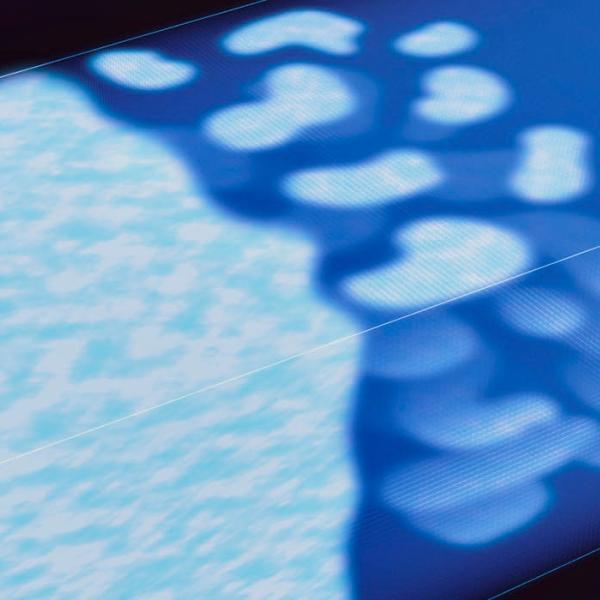
Illustration of a 2D superconducting state emerging in a 3D superconductor
Feature

The results have important implications for today’s TV and display screens and for future technologies where light takes the place of electrons and fluids.

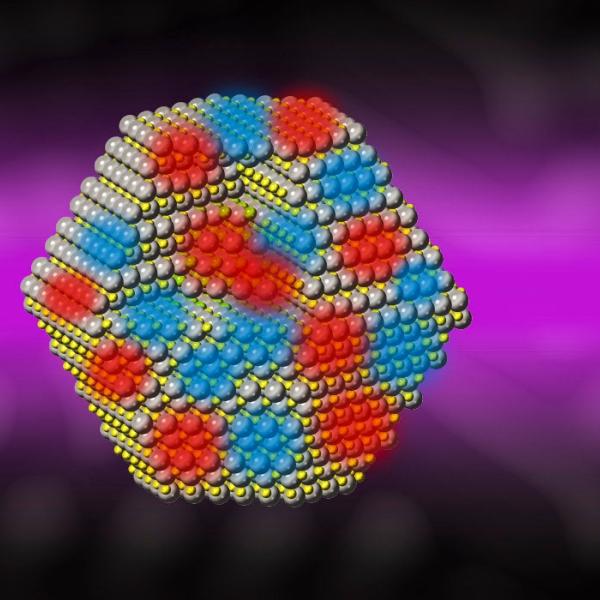
Illustration of three quantum dot nanocrystals showing atomic-level changes when they are hit with laser light
Feature

Scientists have documented a process that makes these next-gen batteries lose charge – and eventually some of their capacity for storing energy – even...

Feature

A promising lead halide perovskite is great at converting sunlight to electricity, but it breaks down at room temperature. Now scientists have discovered how...

Lead halide material being squeezed in a diamond anvil cell.