SLAC topics

SLAC+Stanford RSS feed

See content related to SLAC+Stanford here below.

Feature

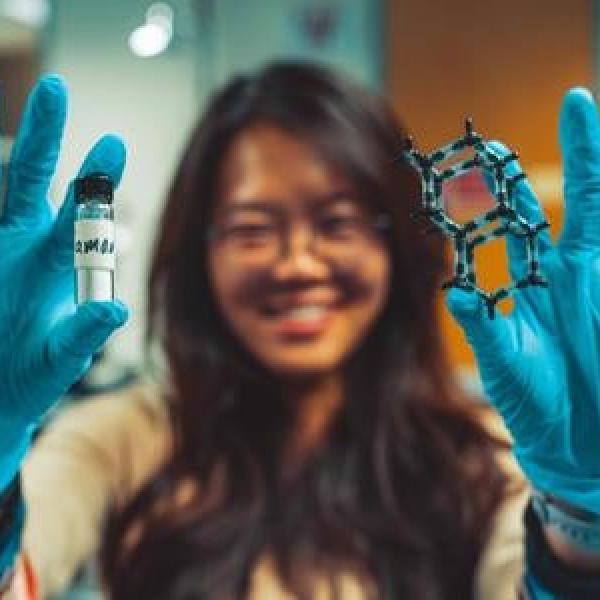
With the right amount of pressure and surprisingly little heat, a substance found in fossil fuels can transform into pure diamond.

Scientist holding diamondoid molecule moldels
News Brief

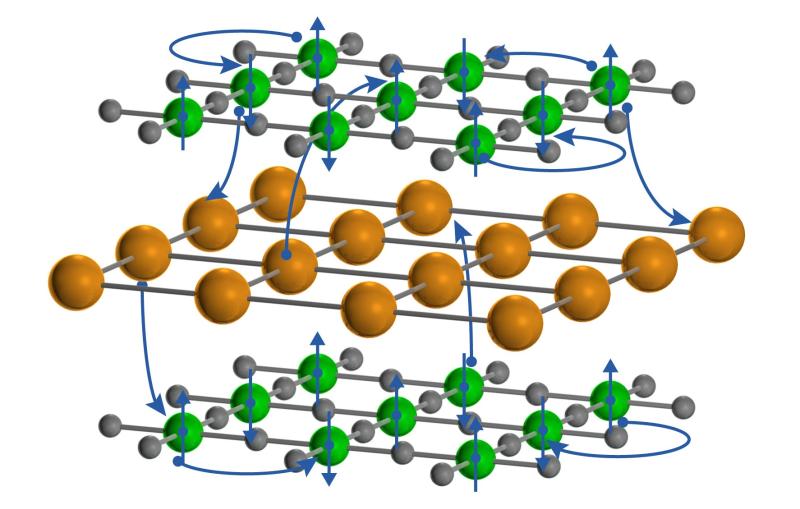
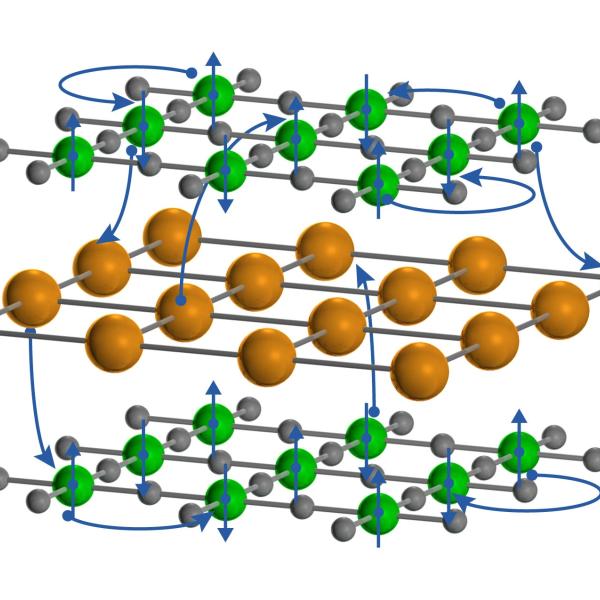
Discovered at SLAC and Stanford, this new class of unconventional superconductors is starting to give up its secrets – including a surprising 3D metallic...

Graphic showing electronic structure of nickelate superconductor
Feature

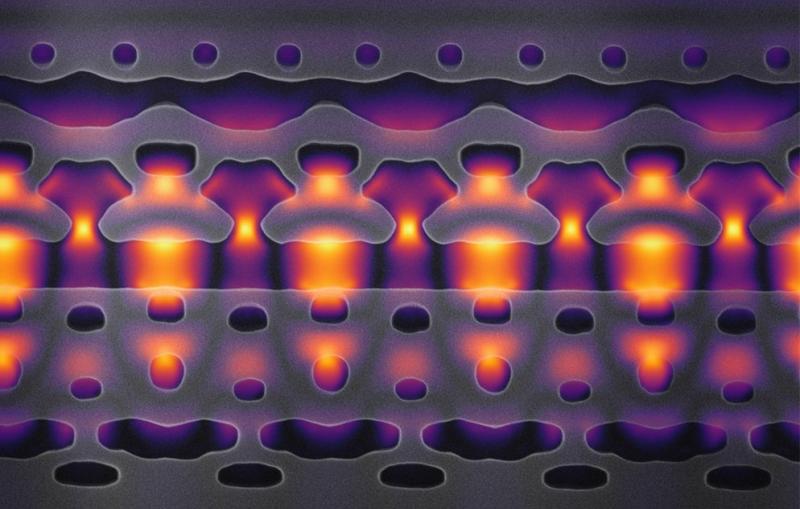
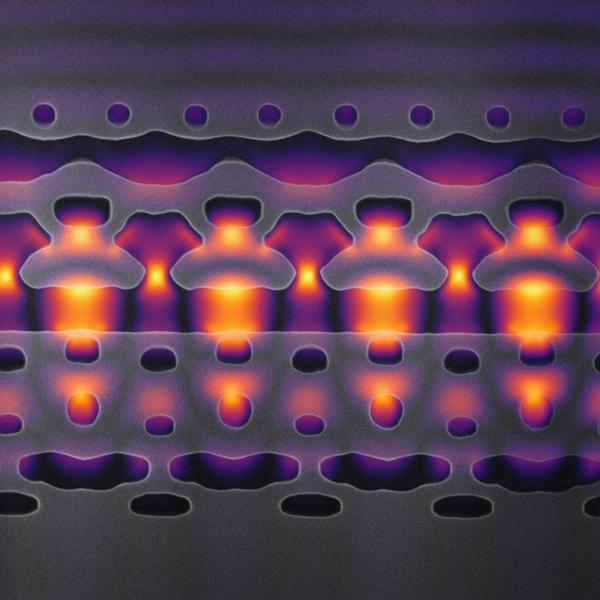
Just as engineers once compressed some of the power of room-sized mainframes into desktop PCs, so too have the researchers shown how to pack...

This image, magnified 25,000 times, shows a section of an accelerator-on-a-chip.
News Brief

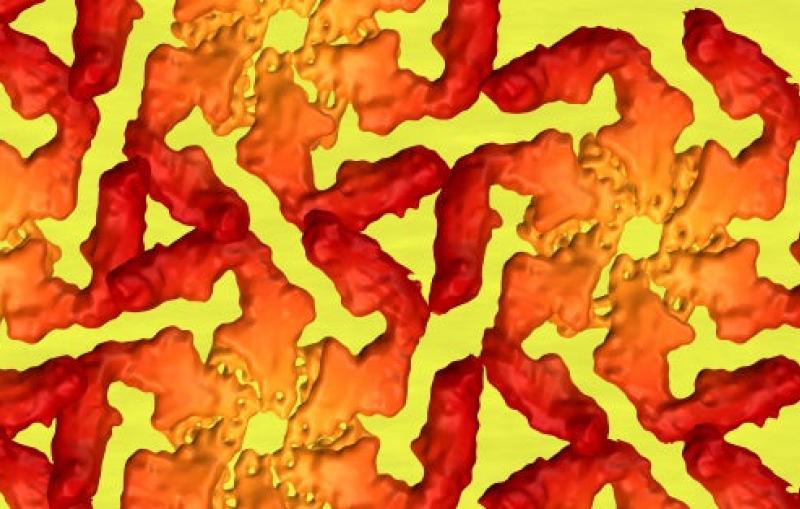
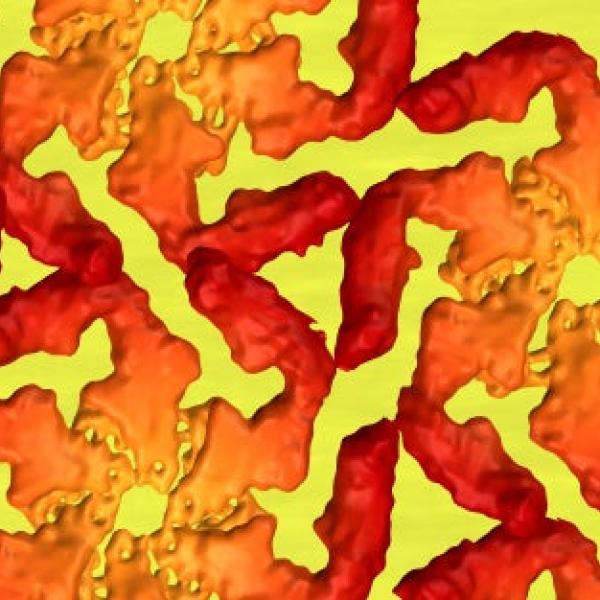
A new understanding of the nucleation process could shed light on how the shells help microbes interact with their environments, and help people design...

Illustration of tiles forming a microbial shell
Feature

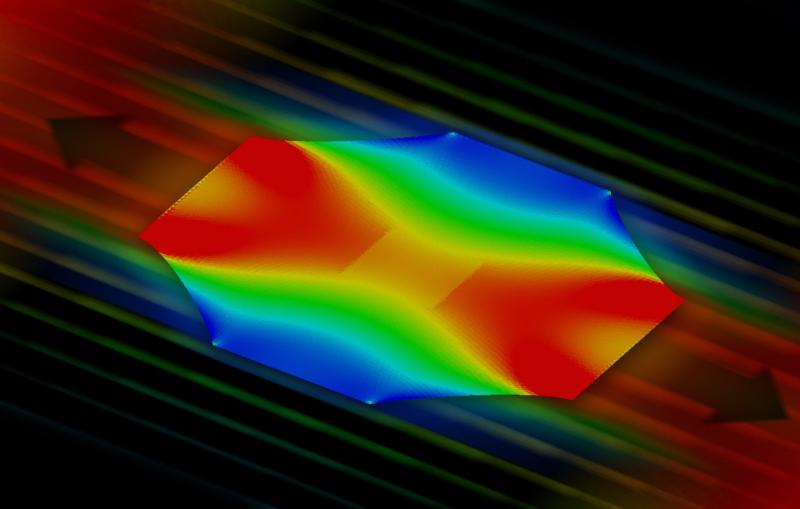
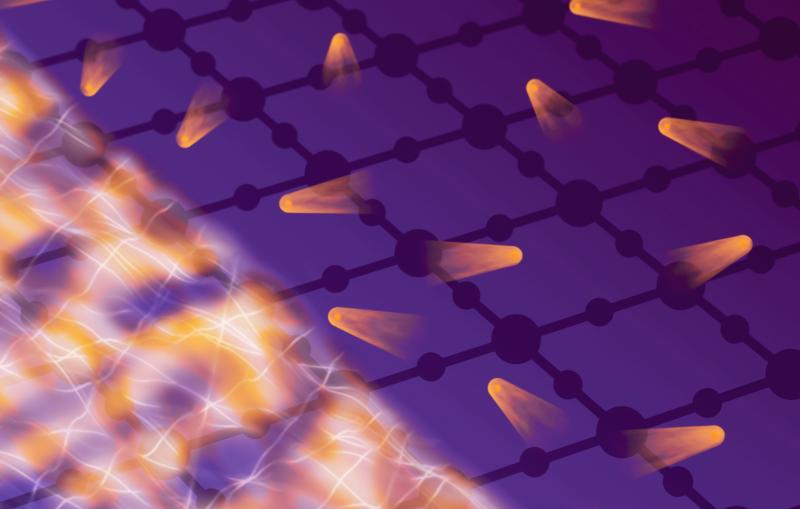
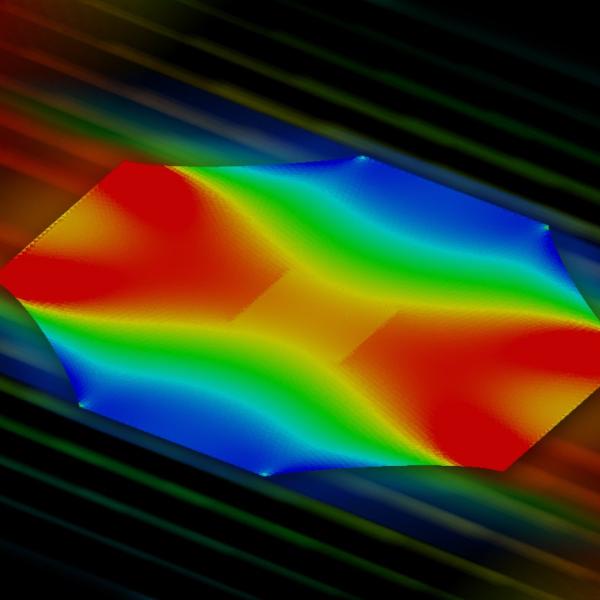
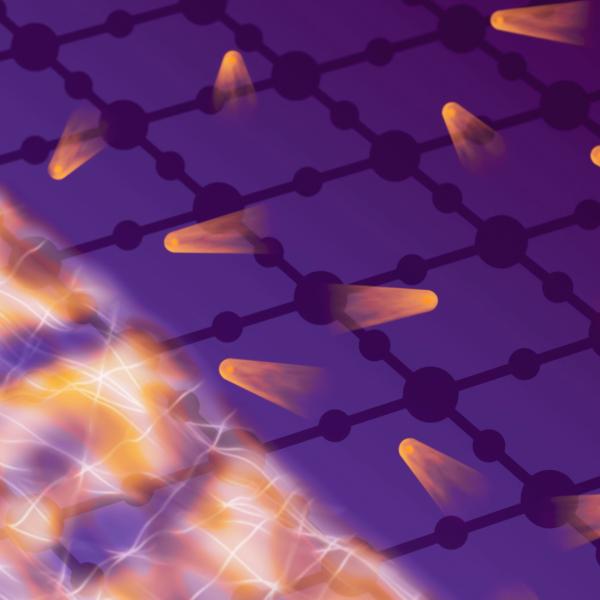
It reveals an abrupt transition in cuprates where particles give up their individuality. The results flip a popular theory on its head.

Illustration of abrupt transition in normal state of a cuprate
News Brief

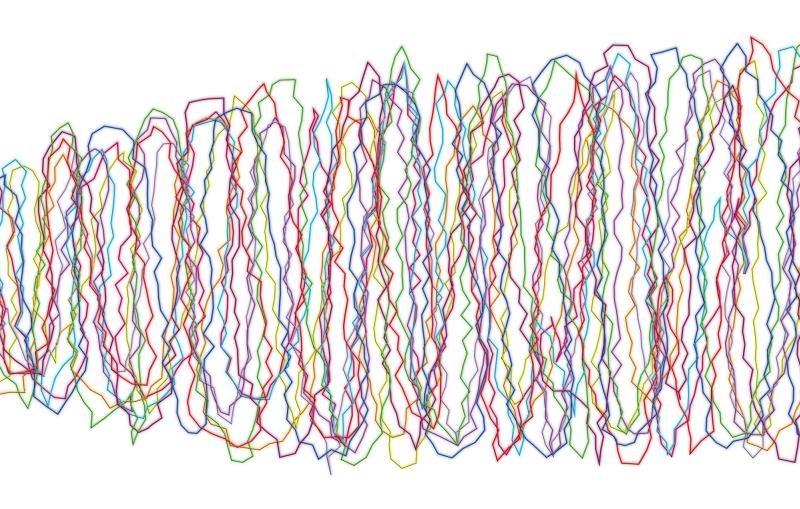
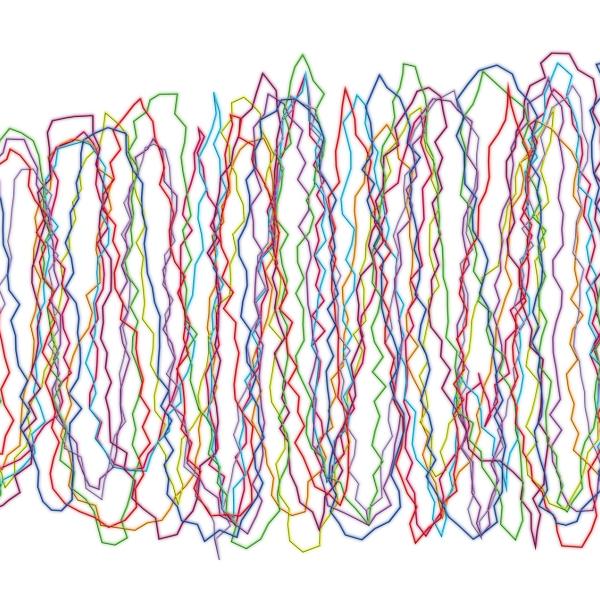
Computer simulations yield a much more accurate picture of these states of matter.

Illustration of a Monte Carlo simulation
Feature

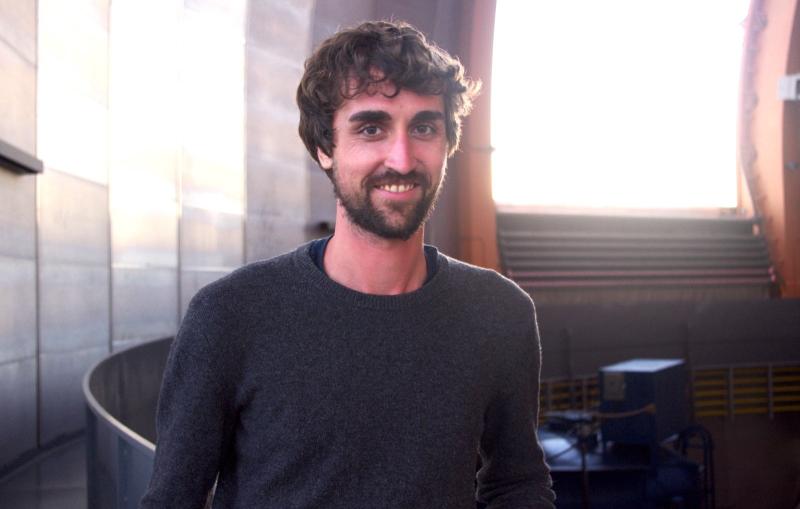
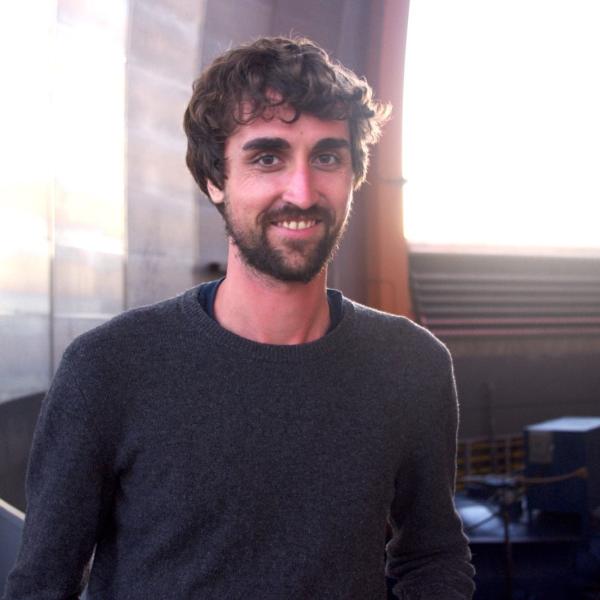
His work aims to deepen our understanding of dark matter, dark energy and other secrets of the universe.

Photo of Panofsky fellow Daniel Gruen
Feature

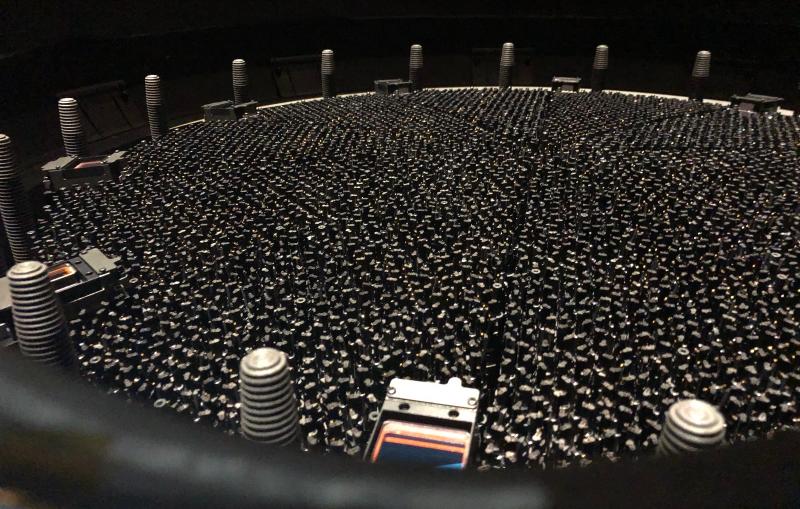
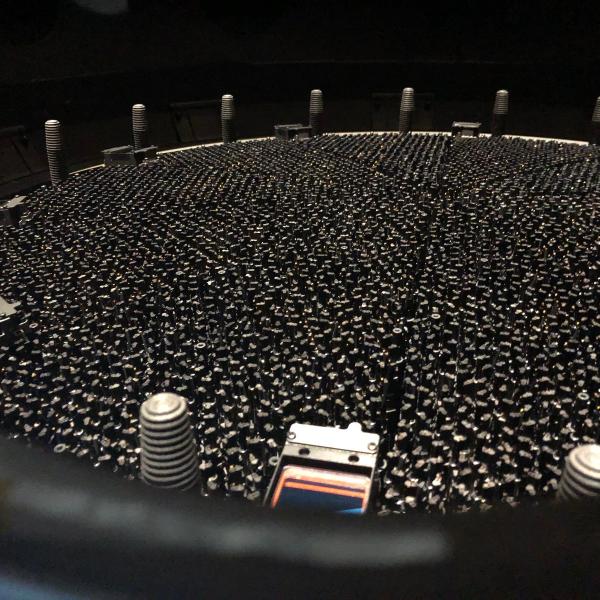
The Dark Energy Spectroscopic Instrument begins final testing, setting the stage for a 5-year survey that will analyze the light of 35 million galaxies.

DESI ‘eyes’
Feature

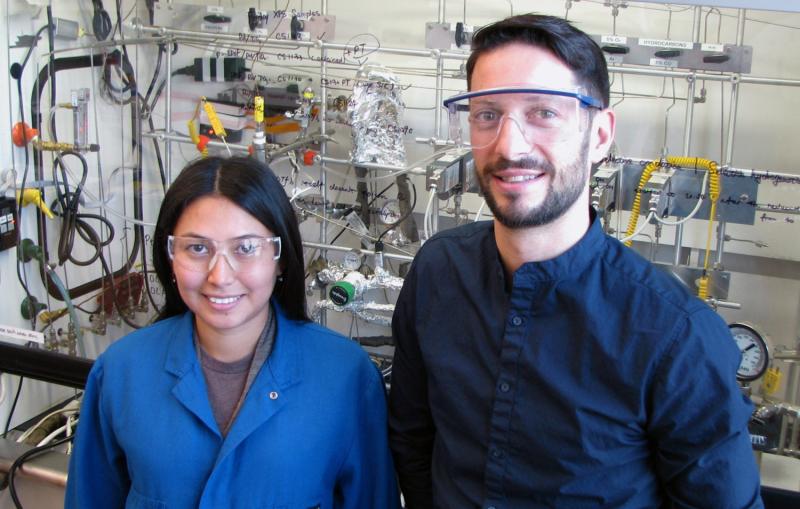
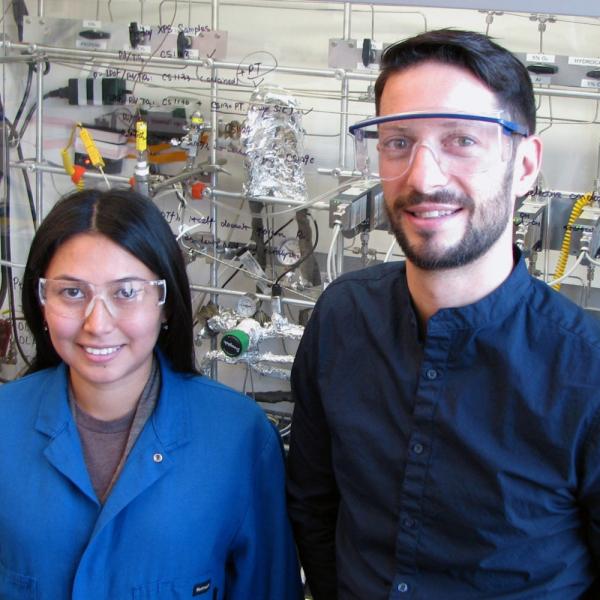
A study including SLAC scientists and facilities discovers a new process that shows promise in turning the greenhouse gas back into usable fuels.

Two Stanford researchers in the lab
News Release

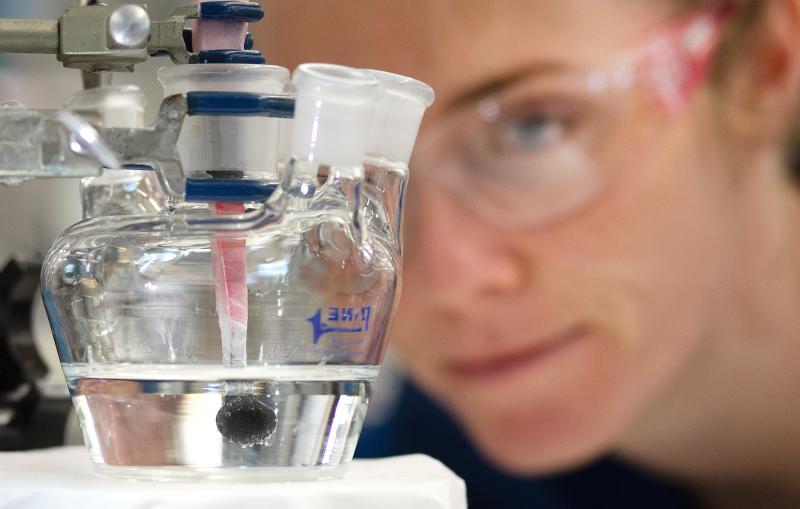
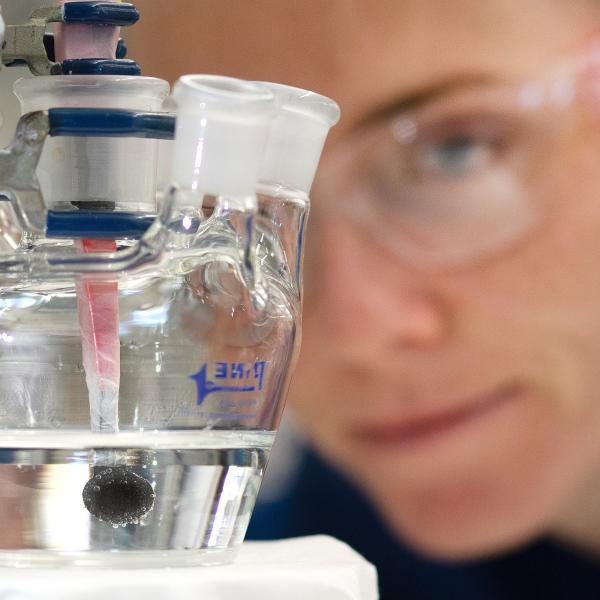
Replacing today’s expensive catalysts could bring down the cost of producing the gas for fuel, fertilizer and clean energy storage.

Grad student McKenzie Hubert watches electrolyzer at work
Feature

After meeting at a party, a Stanford psychologist and SLAC particle physicists have collaborated on a new kind of EEG device that can stimulate...

Feature

Early-career physicist Jonathan LeyVa helps build one of the world’s most sensitive dark matter detectors.

Jonathan LeyVa/SuperCDMS