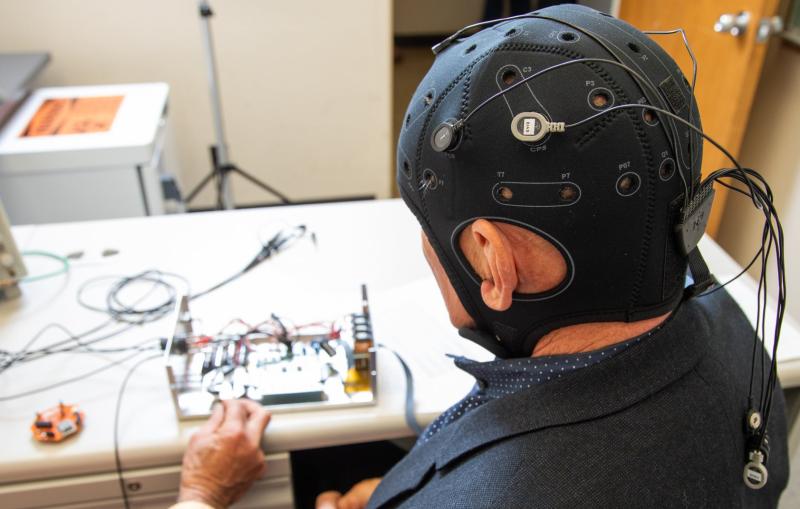
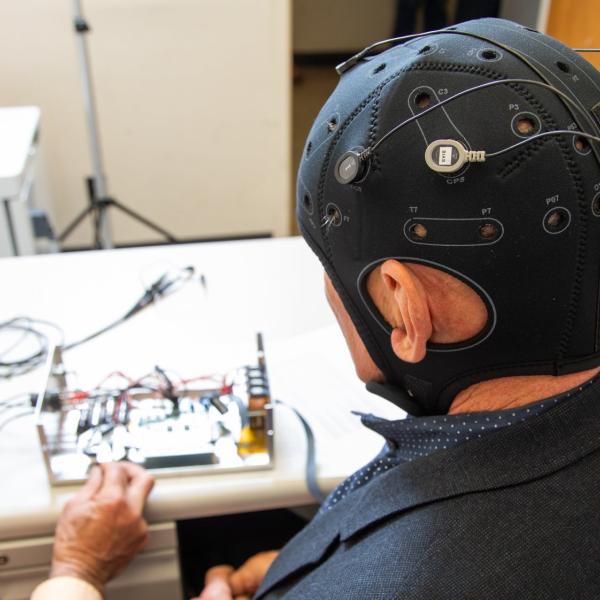
SLAC and Stanford researchers are developing a device that combines electrical brain stimulation with EEG recording, opening potential new paths for treating neurological disorders.
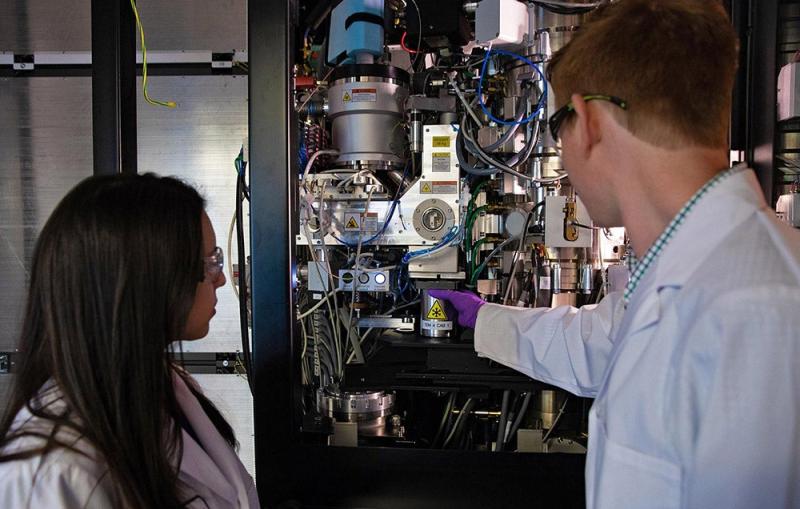
The National Institutes of Health center on the SLAC campus will make this revolutionary technology available to scientists nationwide and teach them how to...
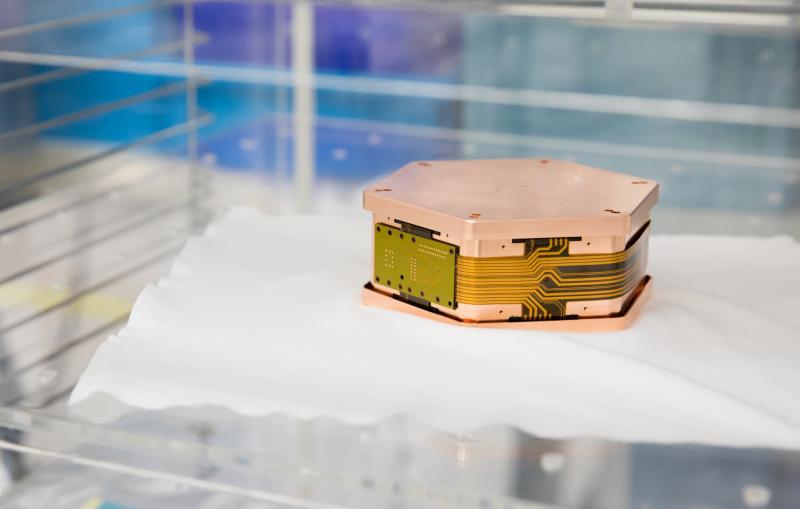
The SuperCDMS SNOLAB project, a multi-institutional effort led by SLAC, is expanding the hunt for dark matter to particles with properties not accessible to...
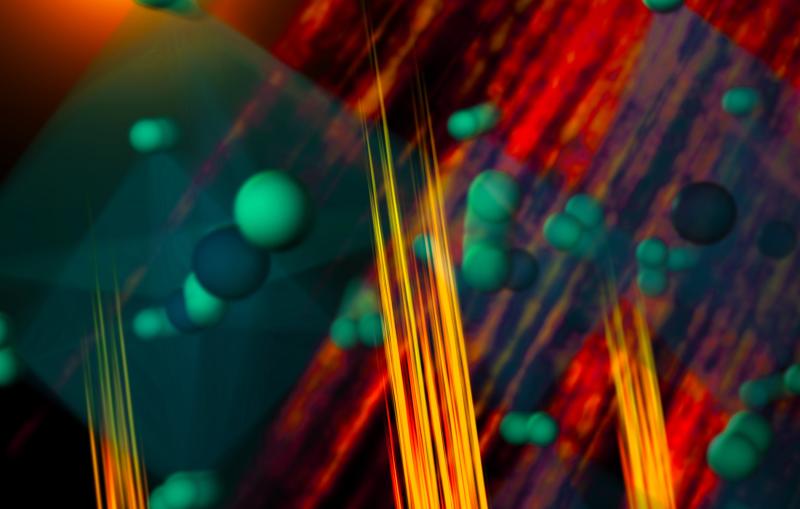
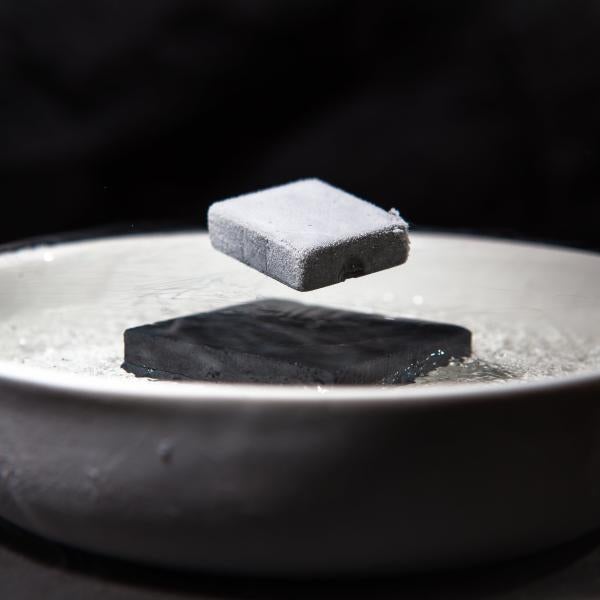
Understanding strontium titanate’s odd behavior will aid efforts to develop materials that conduct electricity with 100 percent efficiency at higher temperatures.
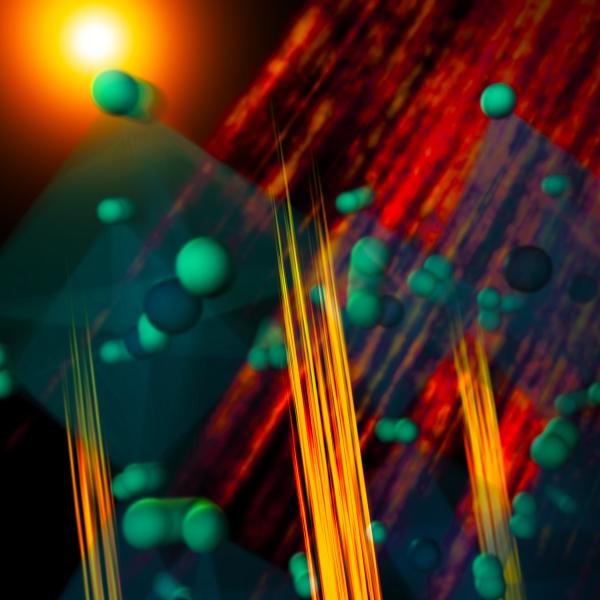
Research conducted at the atomic scale could help explain how electric currents move efficiently through hybrid perovskites, promising materials for solar cells.
SLAC and Stanford researchers are developing a device that combines electrical brain stimulation with EEG recording, opening potential new paths for treating neurological disorders.
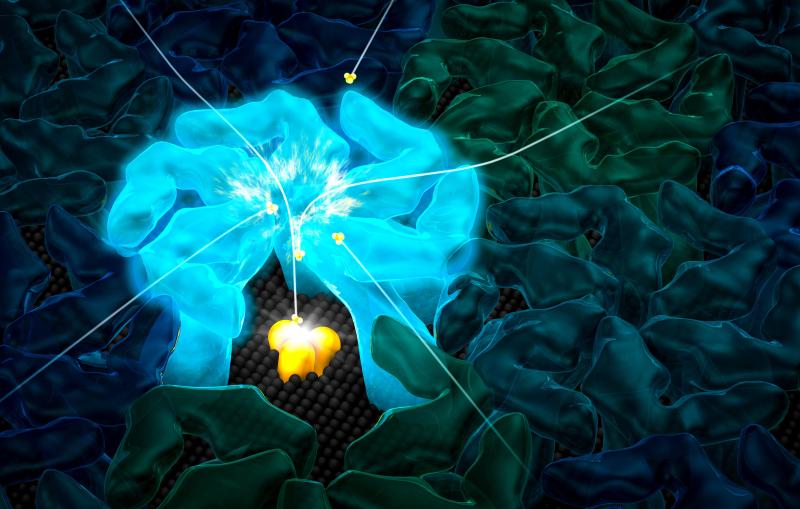
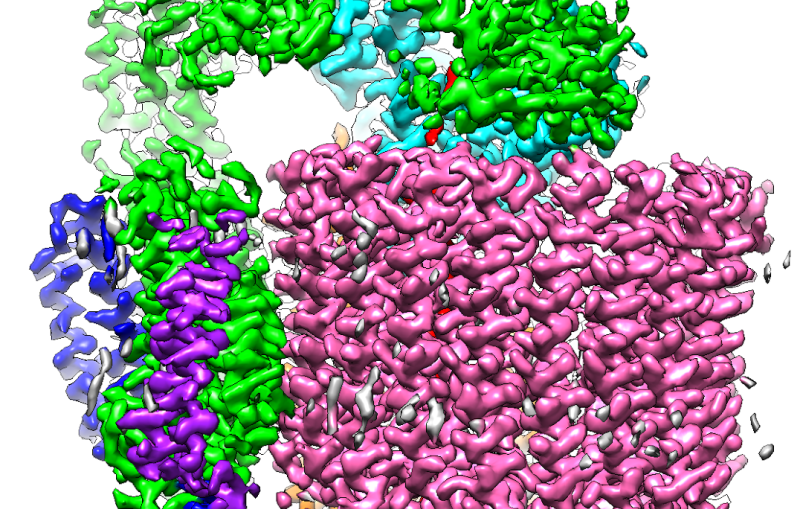
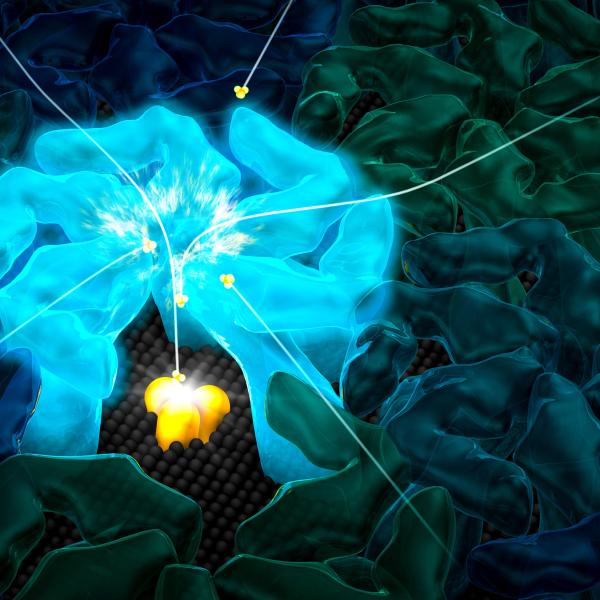
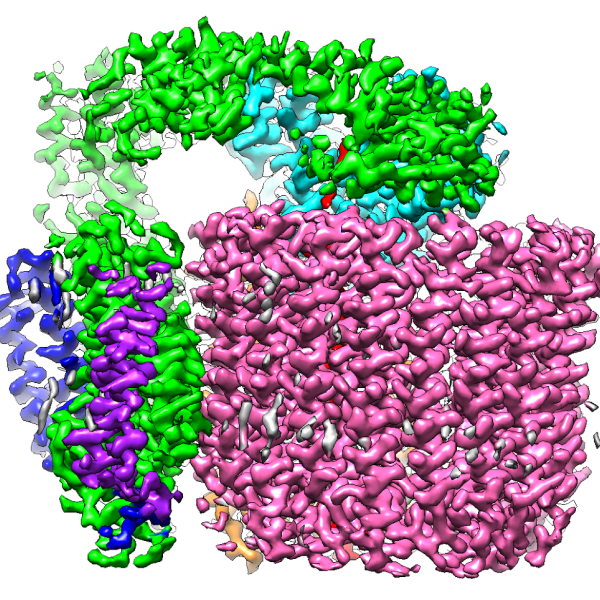
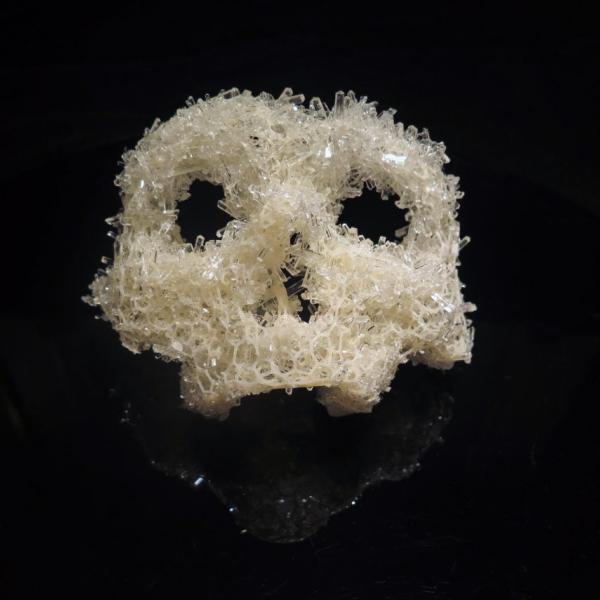
Tiny pores in the shells of archaea microbes attract ammonium ions that are their sole source of energy, allowing them to thrive where this food is so scarce that scientists can’t even detect it.
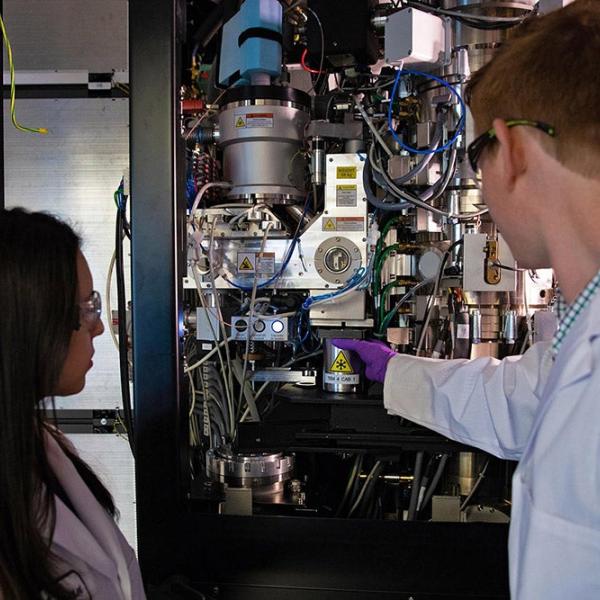
The National Institutes of Health center on the SLAC campus will make this revolutionary technology available to scientists nationwide and teach them how to use it to study 3D structures of biological machines and molecules.
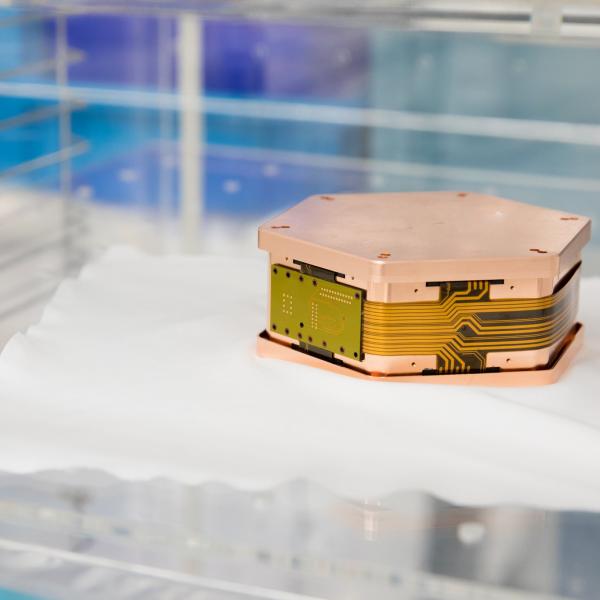
The SuperCDMS SNOLAB project, a multi-institutional effort led by SLAC, is expanding the hunt for dark matter to particles with properties not accessible to any other experiment.
Understanding strontium titanate’s odd behavior will aid efforts to develop materials that conduct electricity with 100 percent efficiency at higher temperatures.
Research conducted at the atomic scale could help explain how electric currents move efficiently through hybrid perovskites, promising materials for solar cells.