


SLAC topics

Science news RSS feed

The latest news about SLAC research, science programs, facilities and people. 

More on our News Center and Media Resources pages

Browse tagged content
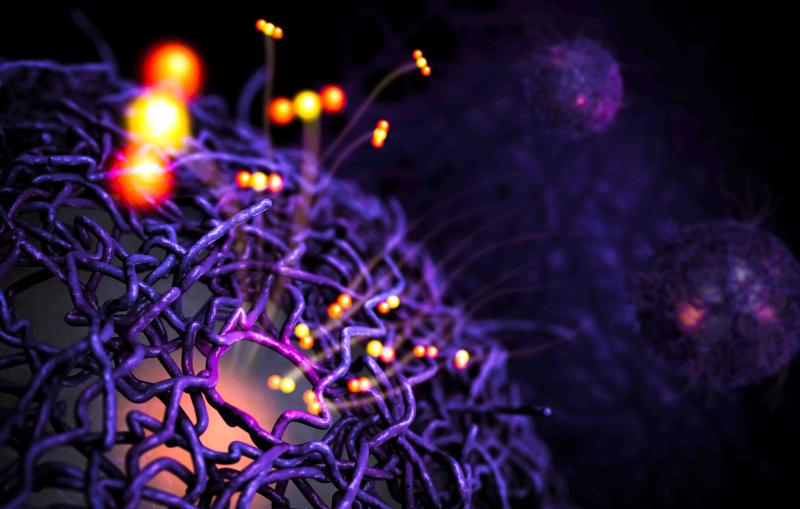
Scientists create artificial catalysts inspired by living enzymes
Feature

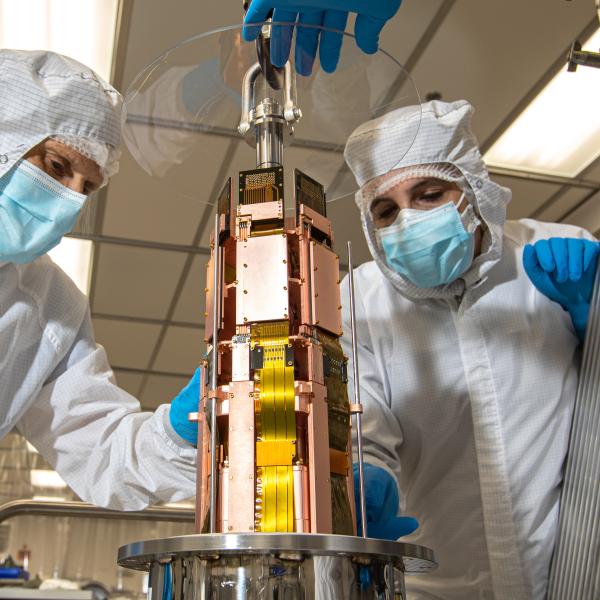
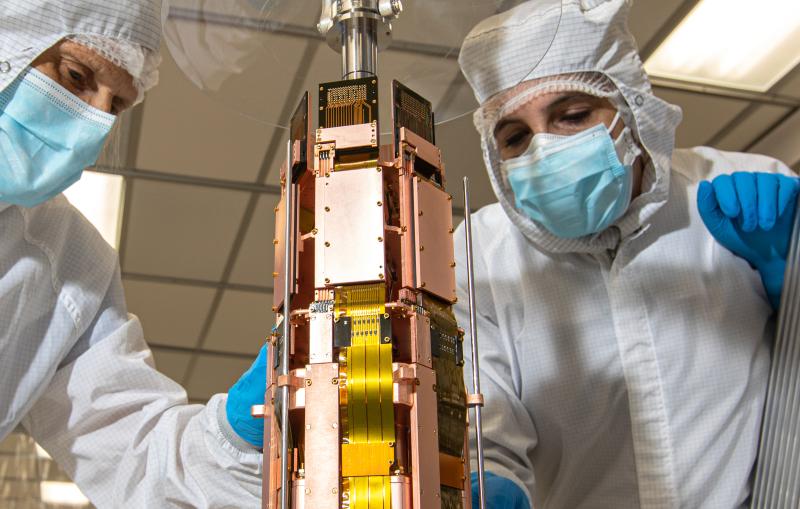
The first pair of towers are now at the Ontario facility, where they'll further the hunt for dark matter particles.

SuperCDMS tower
Feature

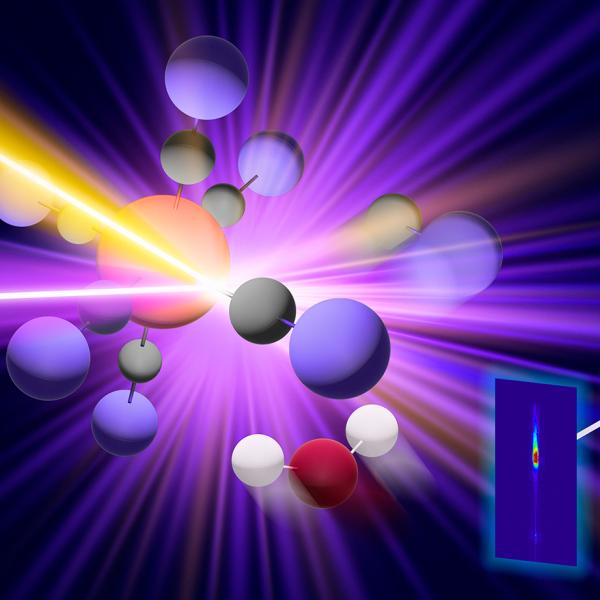
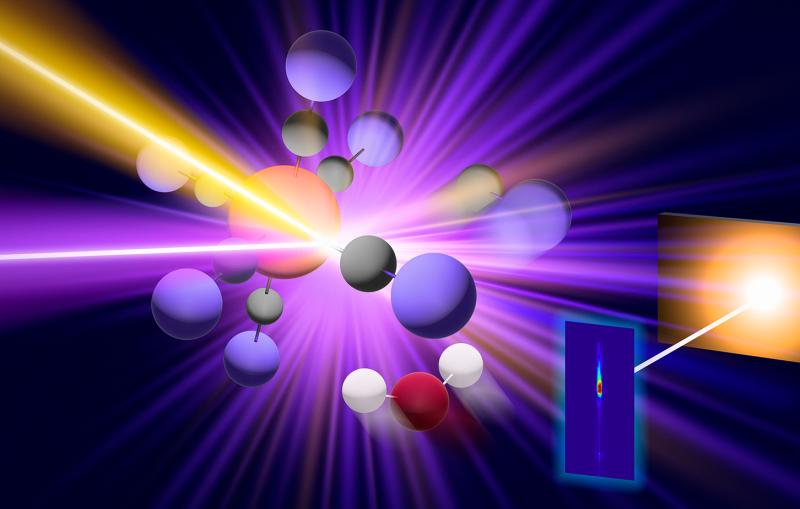
Chemical reactions often involve intermediate steps that are too fast and complex for us to see  – even using our most advanced scientific instruments...

This is a graphic representation of an intermediate chemical reaction. The image shows the chemical reaction, a laser, X-rays and a detector system.
News Release

After decades of effort, scientists have finally seen the process by which nature creates the oxygen we breathe using SLAC’s X-ray laser.

Photosystem II
Feature

The algorithm pairs machine-learning techniques with classical beam physics equations to avoid massive data crunching.

This is a representation of a particle beam traveling through an accelerator.
News Release

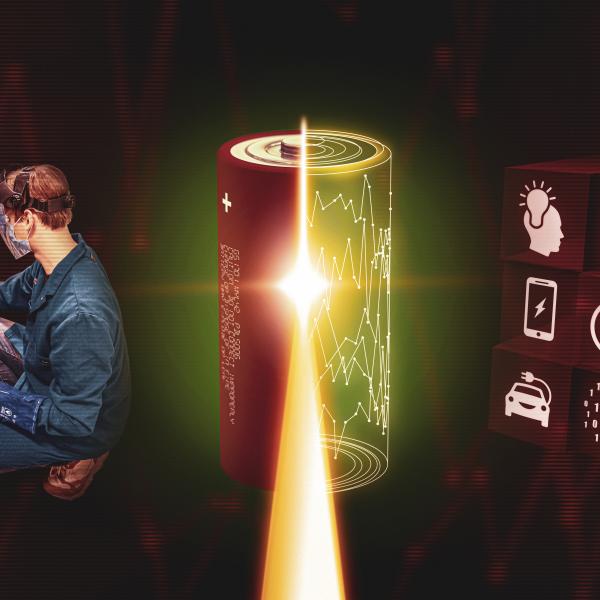
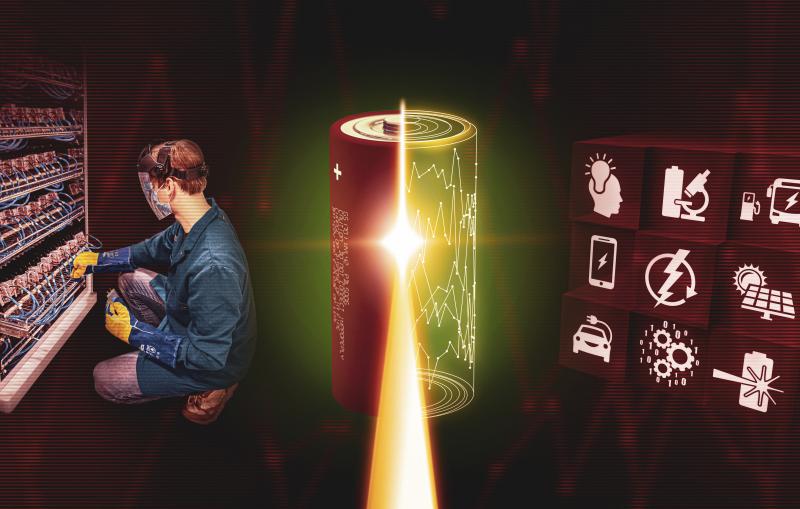
New SLAC-Stanford Battery Center bridges the gaps between discovering, manufacturing and deploying innovative energy storage solutions. 

Illustration showing a battery researcher at left, a battery at center and a grid of battery applications at right.
Feature

The SLAC-Stanford team pulled hydrogen directly from ocean waters. Their work could help efforts to generate low-carbon fuel for electric grids, cars, boats and...

This photograph shows ocean water funneling over rocks on about half of the photograph and deeper ocean water on the other part of the photograph. It is a view of the ocean from above, in the sky.
Feature

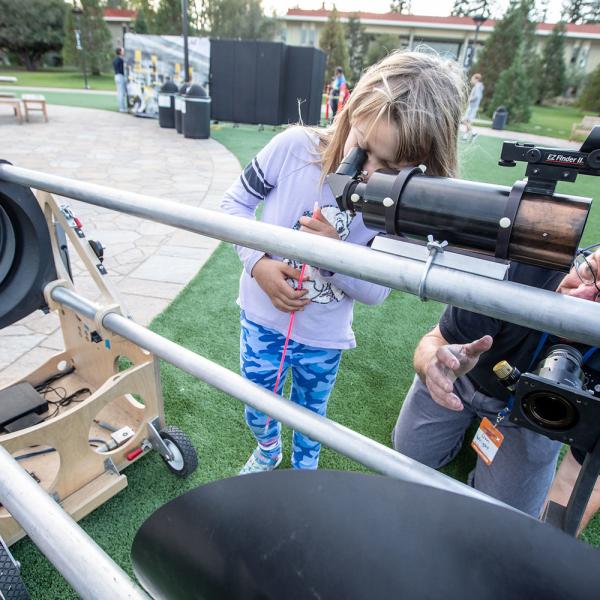
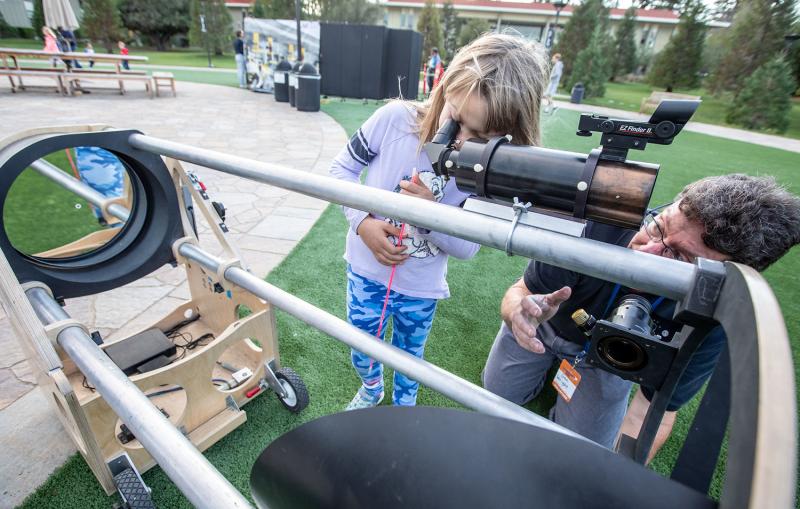
An astronomy festival will mark the milestone.

Visitors at KIPAC are observing the sun through telescopes and sun-spotters.
Feature

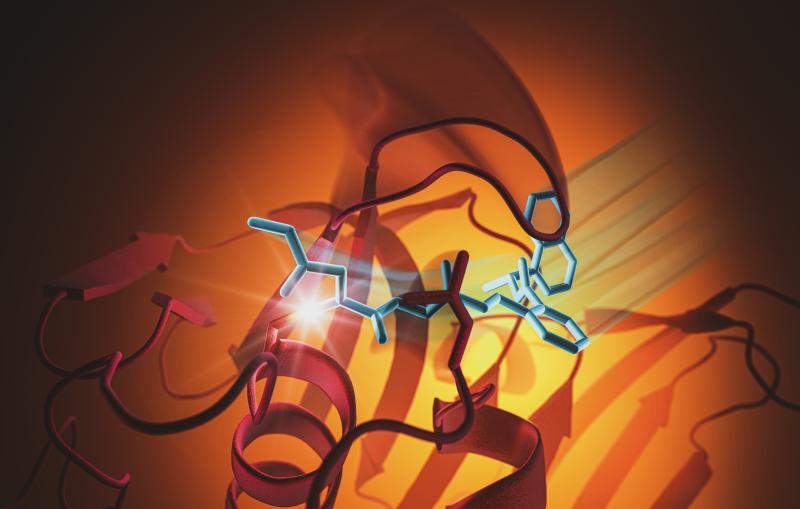
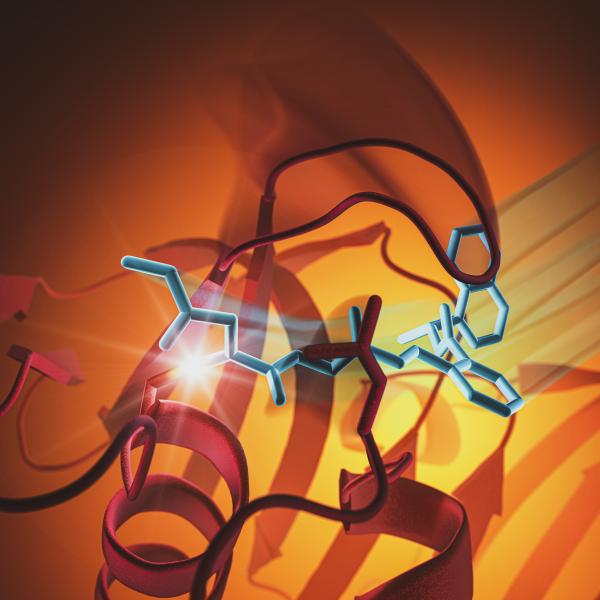
A molecule with hooks that can grip and disable the virus’s pesky protease shows potential for fighting infection.

This graphic illustration shows how a SARS-CoV-2 protease attaches to a new molecule. The new molecule is meant to slow the virus inside an infected person.
Feature

SLAC researcher Sadasivan Shankar talks about a new environmental effort starting at the lab – building a roadmap that will help researchers improve the...

Sadasivan Shankar
Feature

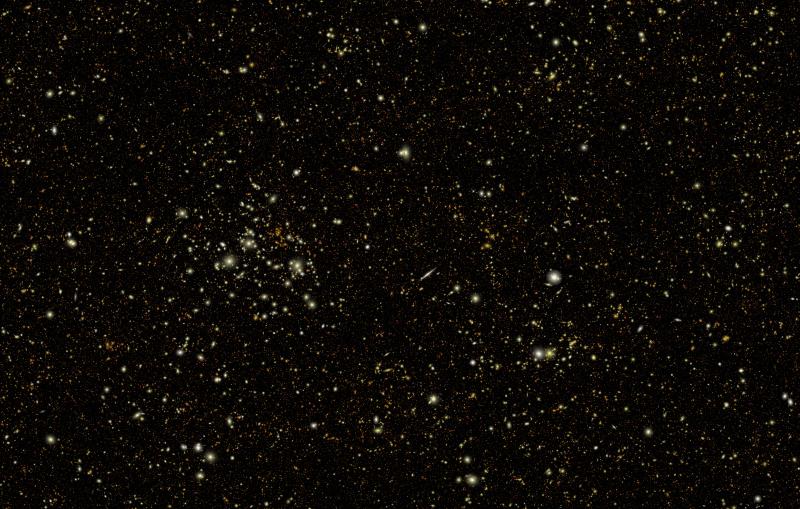
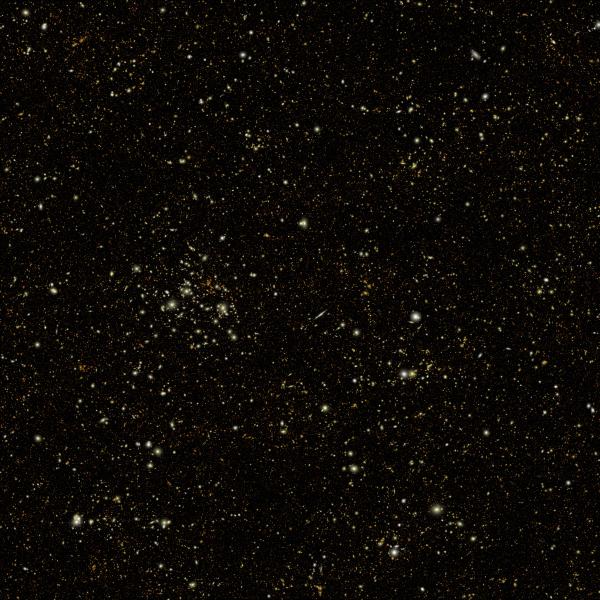
The synthetic galaxy catalog will help test Roman's capabilities and foster collaboration with the Rubin project. 

A field of bright spots on a black background.
Feature

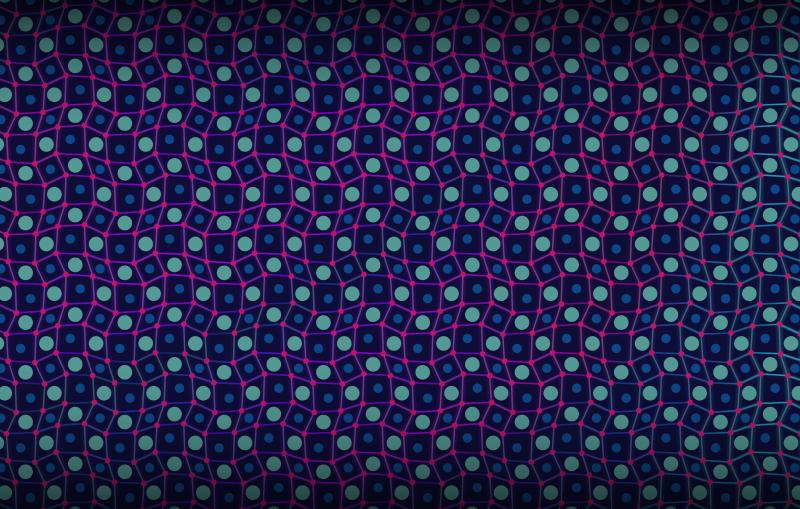
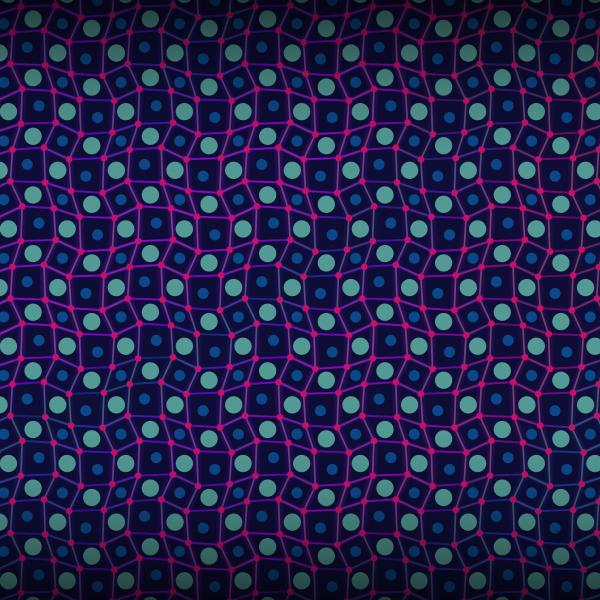
This ‘beautiful’ herringbone-like pattern could give rise to unique features that scientists are just starting to explore.

An illustration of a dramatic, herringbone-like pattern in the atomic lattice of a newly created quantum material. Against a black background, calcium atoms are seen as light blue spheres, cobalt atoms in dark blue and oxygen atoms in red. Lines connecting the oxygen atoms represent the atomic lattice.
Feature

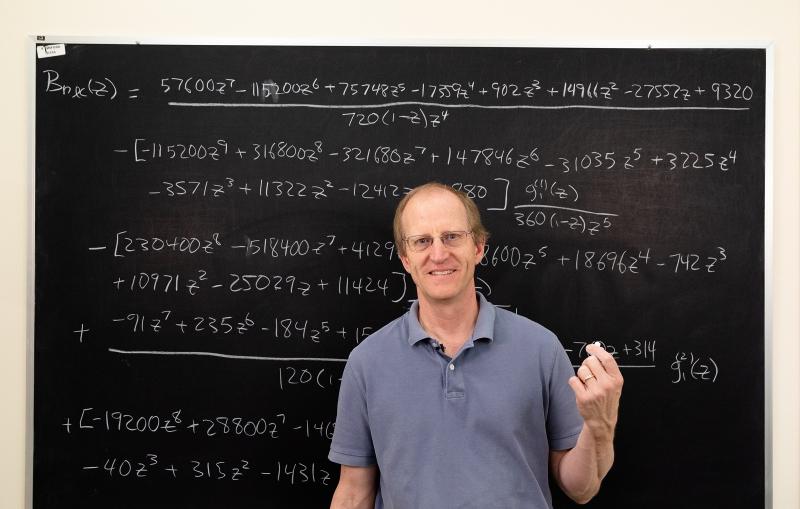
Together with two long-time collaborators, he is recognized for work that helps us understand the strong nuclear force.

A man standing in front of a chalkboard.