SLAC topics

Science news RSS feed

The latest news about SLAC research, science programs, facilities and people. 

More on our News Center and Media Resources pages
Browse tagged content

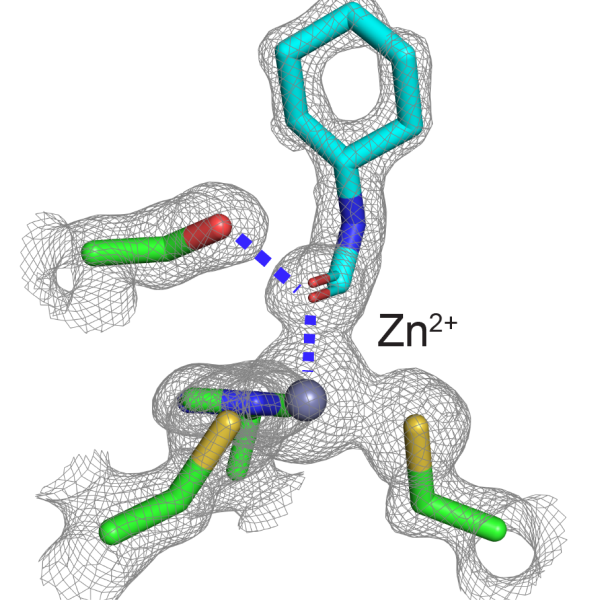
Scientists create artificial catalysts inspired by living enzymes
Feature

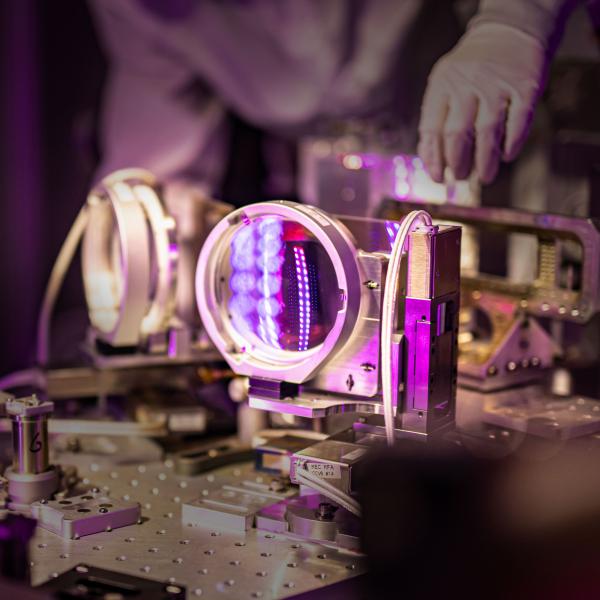
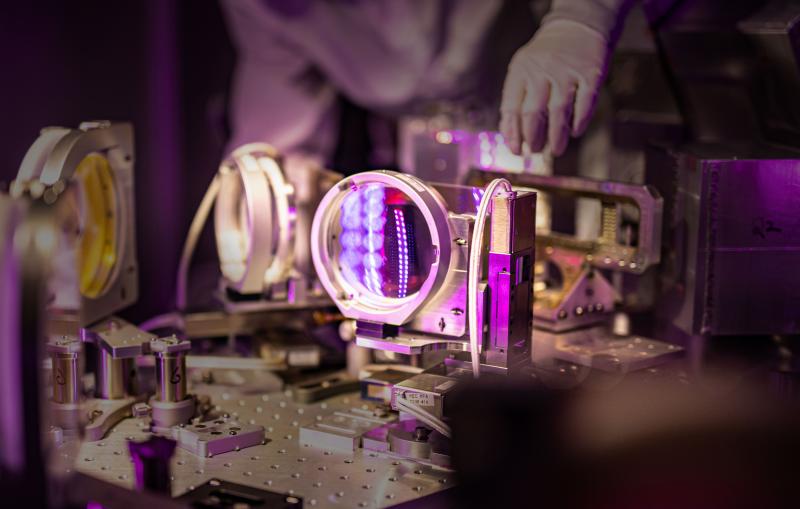
LaserNetUS funding will allow scientists to explore fundamental plasma science and inertial fusion energy research and technology.

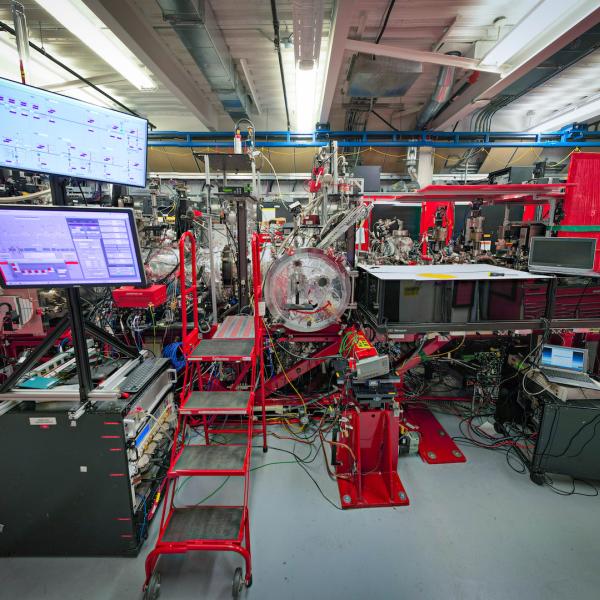
Matter in Extreme Conditions (MEC) Hutch 6, located in the LCLS Far Experimental Hall.
Feature

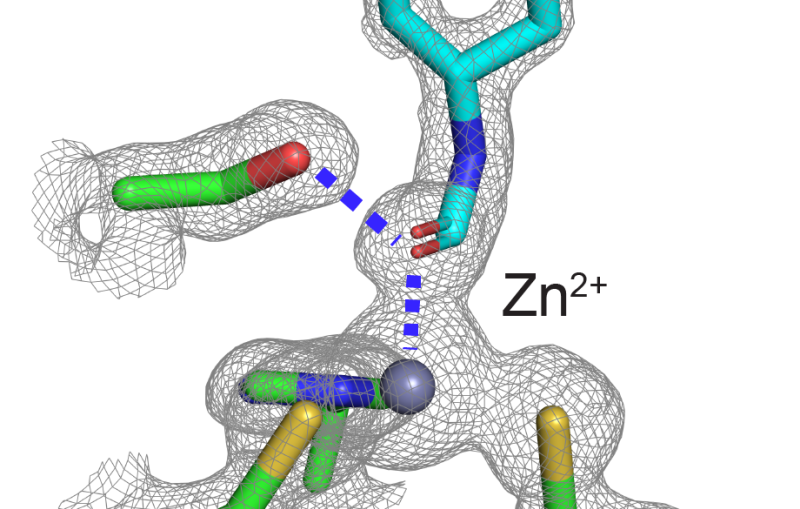
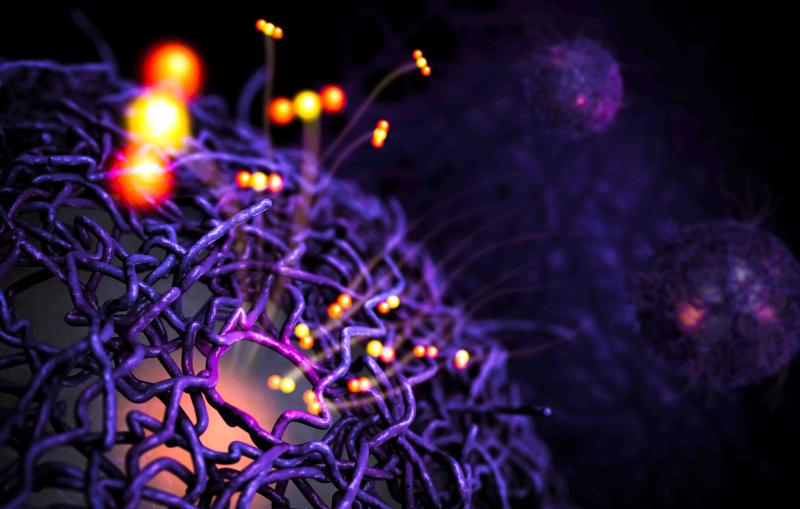
A   swap of metals and a mutation ramp up the electric field strength at the active site of an enzyme, making it  ...

Illustration of an enzyme modified to work 50 times faster
Feature

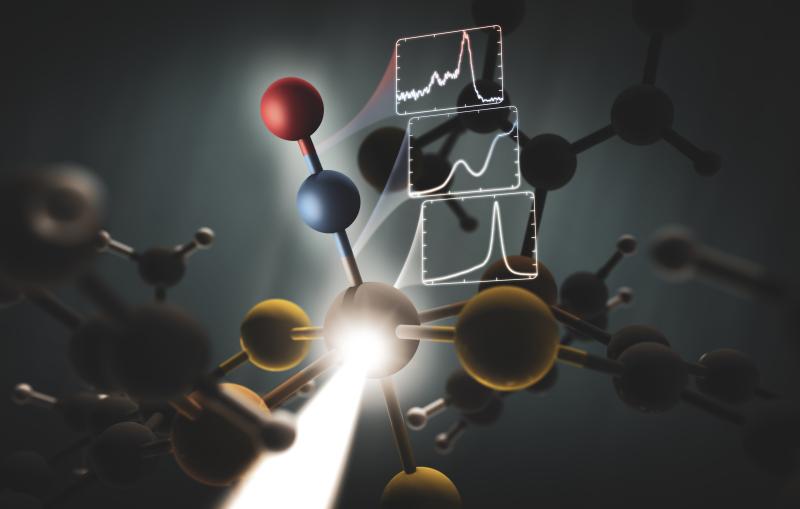
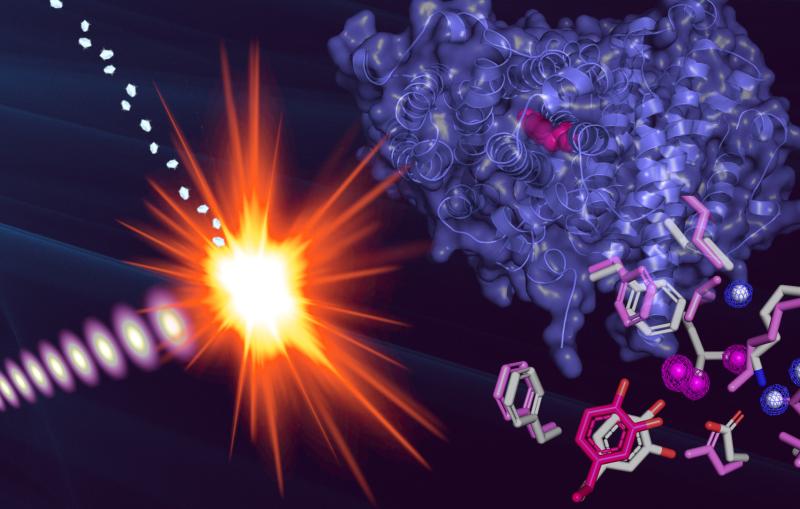
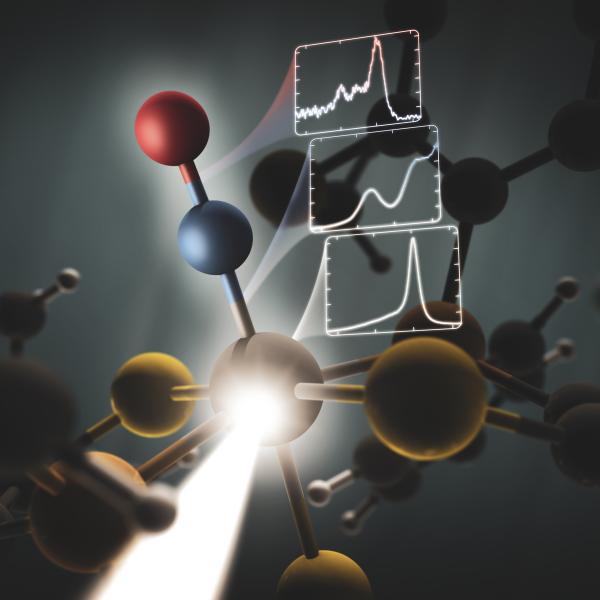
Developing a new, light-activated method to produce the molecule opens doors for future biomedical applications.

An illustration of an X-ray spectroscopy experiment.
Feature

New research has implications for understanding Earth's evolution, interpreting unusual seismic signals and the study of exoplanets.

Illustration of earth with laser
Feature

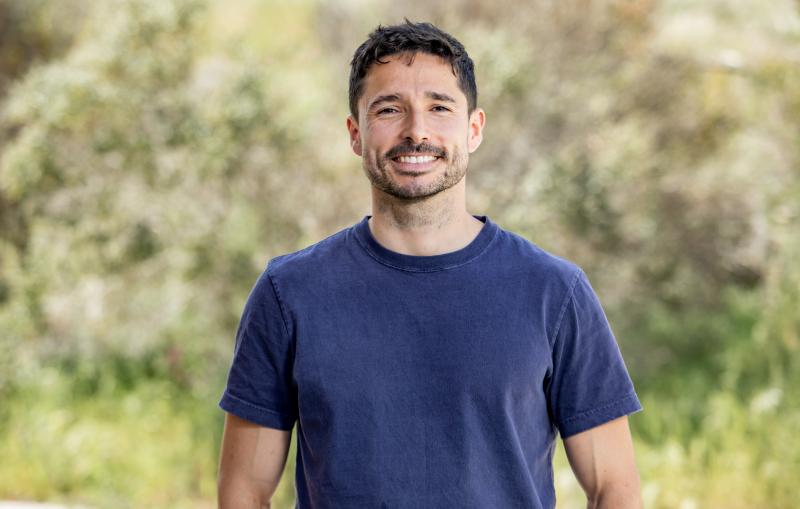
The award recognizes Driver’s contribution toward attosecond X-ray capabilities.

A portrait of Taran Driver.
Feature

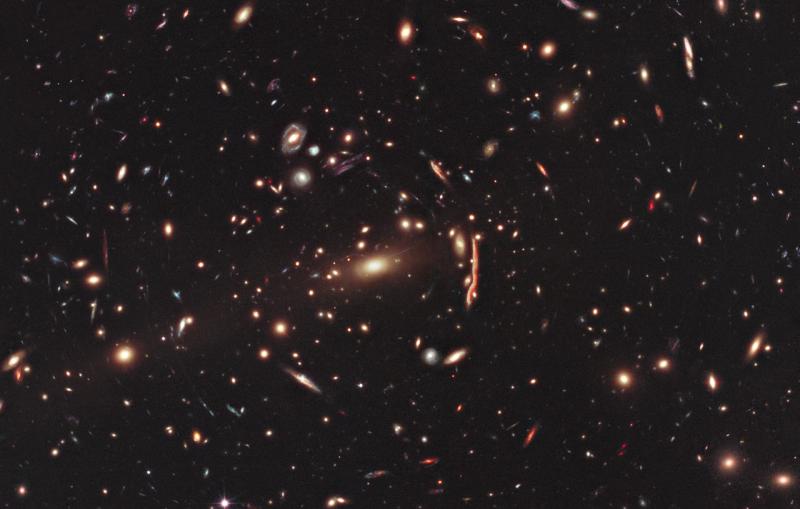
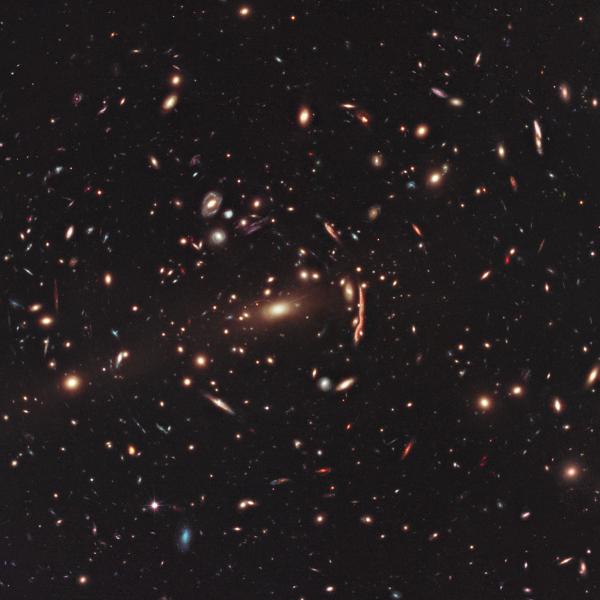
As the SLAC-Stanford institute celebrates its 20th anniversary, three Kavli Institute for Particle Astrophysics and Cosmology researchers share what they’re most excited for in...

A cluster of bright galaxies on a black background.
Feature

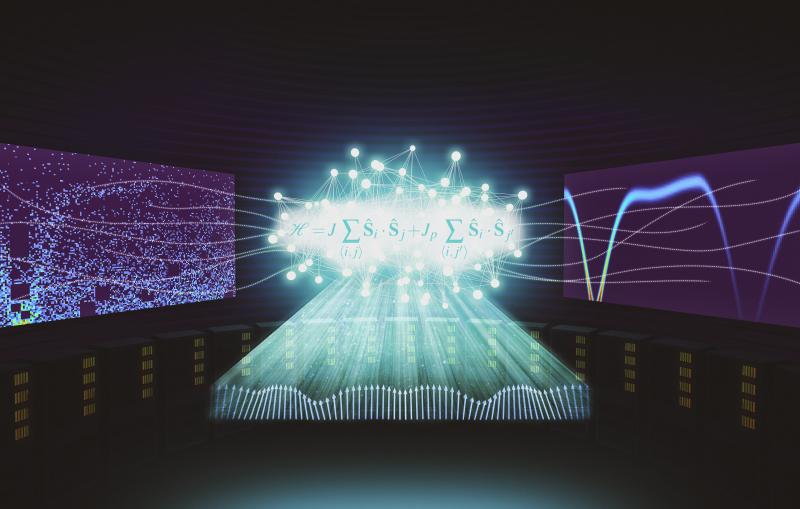
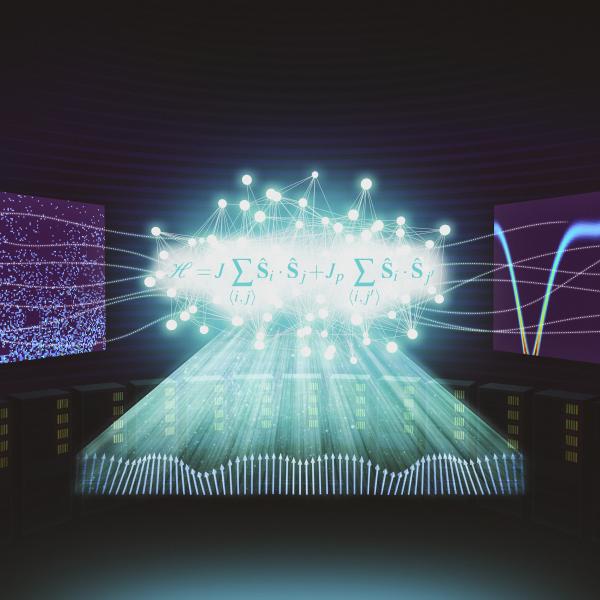
The research reveals the potential for machine learning in understanding the complex behavior of quantum materials.

machine learning
Feature

An international team has uncovered details about the formation of DNA's building blocks, paving the way  for potential medical and therapeutic applications.

radical
Feature

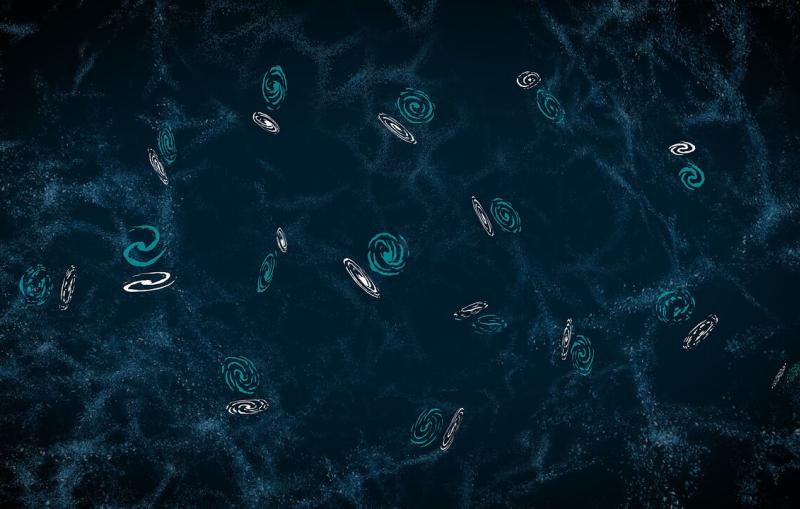
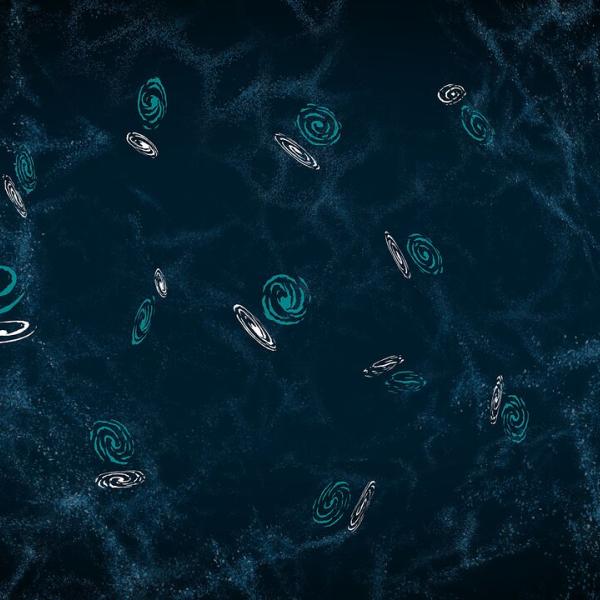
Vera C. Rubin Observatory’s unprecedented deep and wide survey will create most precise map of Universe ever.

Illustration of warped galaxy shapes scattered across the cosmic web.
Feature

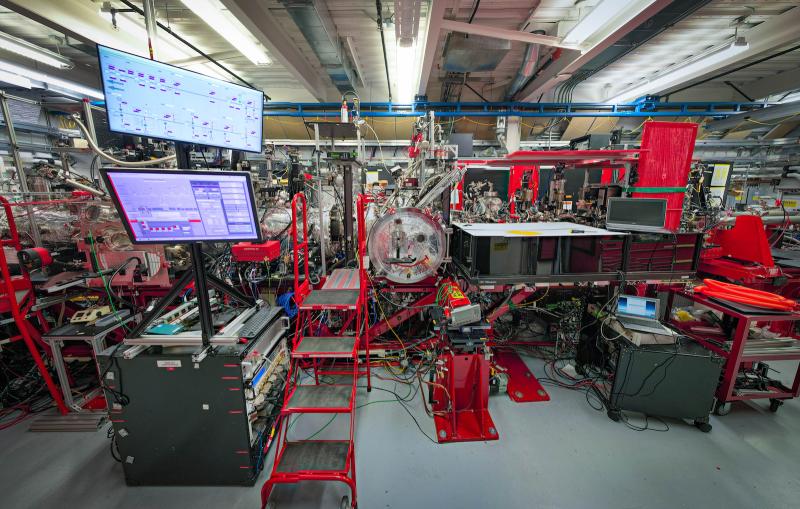
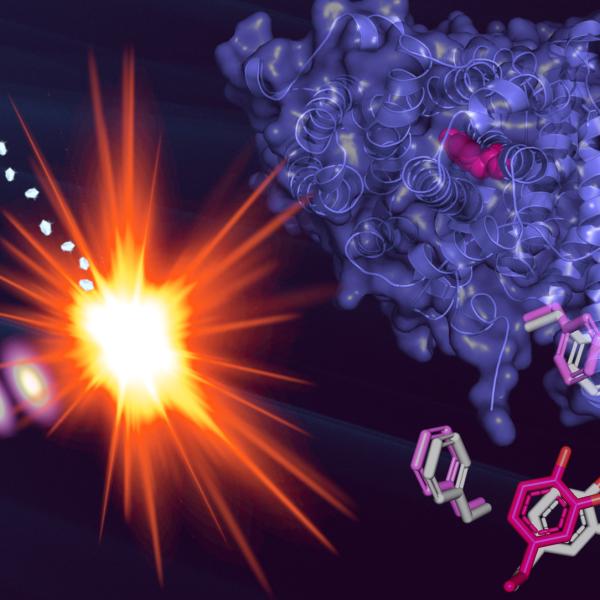
Scientists developed a new method to unlock the secrets of RNA. The implications are wide-reaching, from better understanding diseases to designing new therapeutics. 

CXI hutch
News Brief

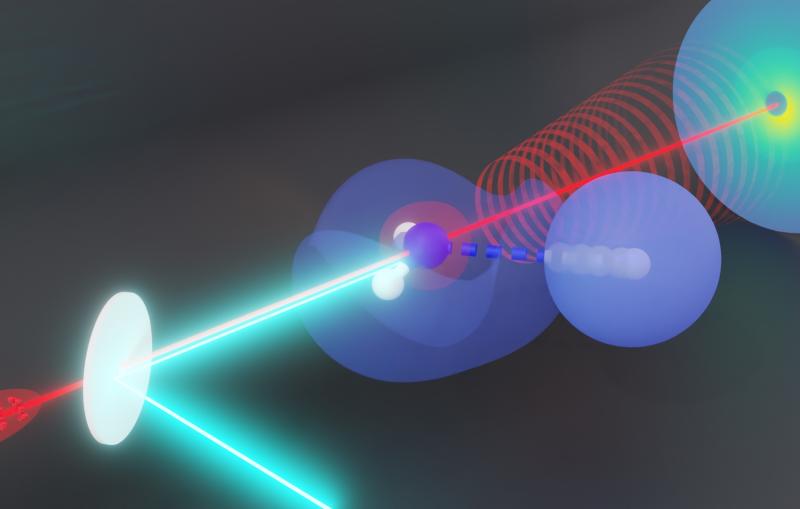
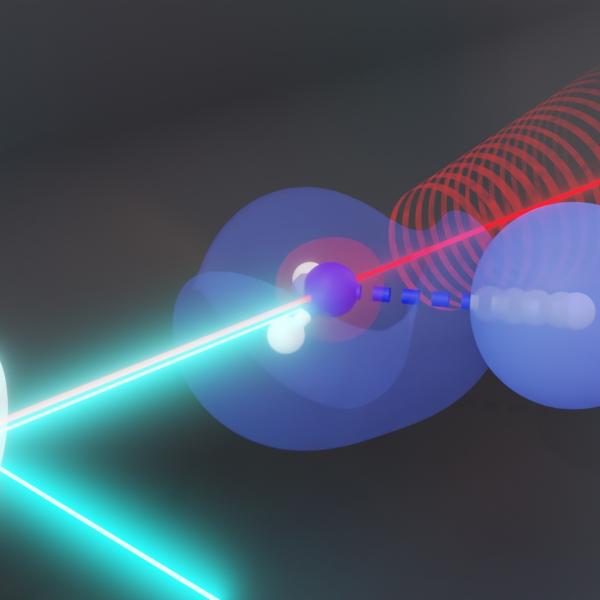
Proving the technique works puts scientists one step closer to unraveling the mysteries of hydrogen transfers.

Red and blue laser beams strike a sample.
Feature

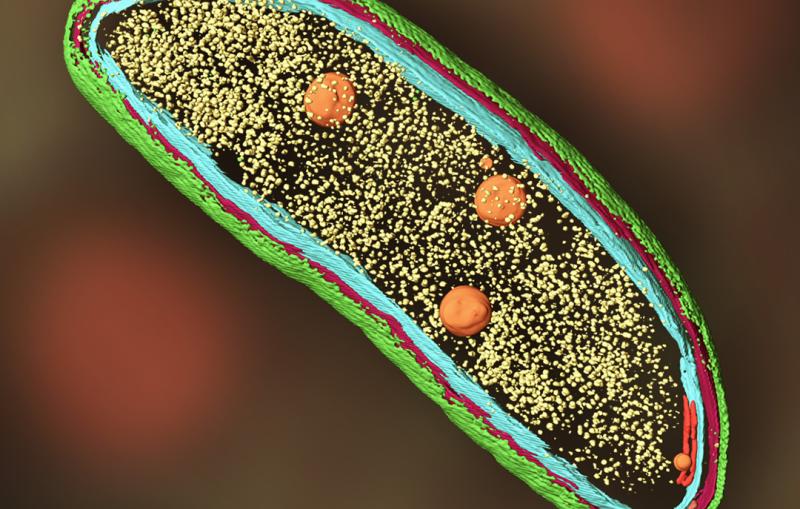
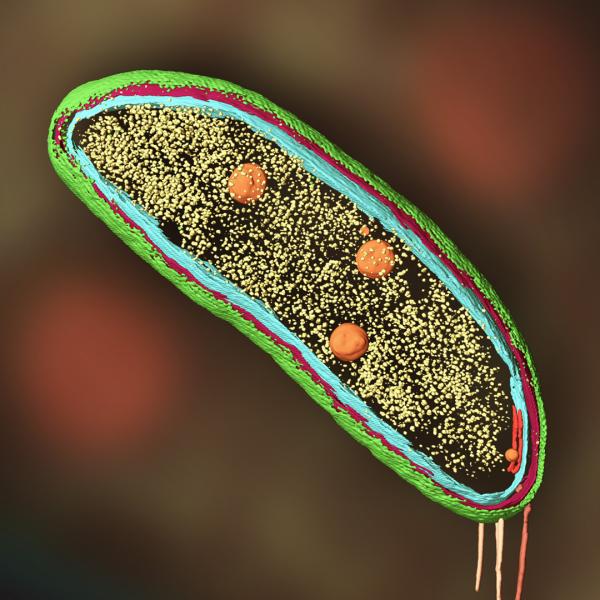
Peter Dahlberg has combined two complex imaging techniques into one. The 2021 Panofsky Fellow adds cryo-ET and biosensors to fluorescence microscopy to give context...

A green, red and blue outline encloses small yellow dots and orange circles, representing parts of a cell.