SLAC develops materials to improve the performance of batteries, fuel cells and other energy technologies and set the stage for technologies of the future.
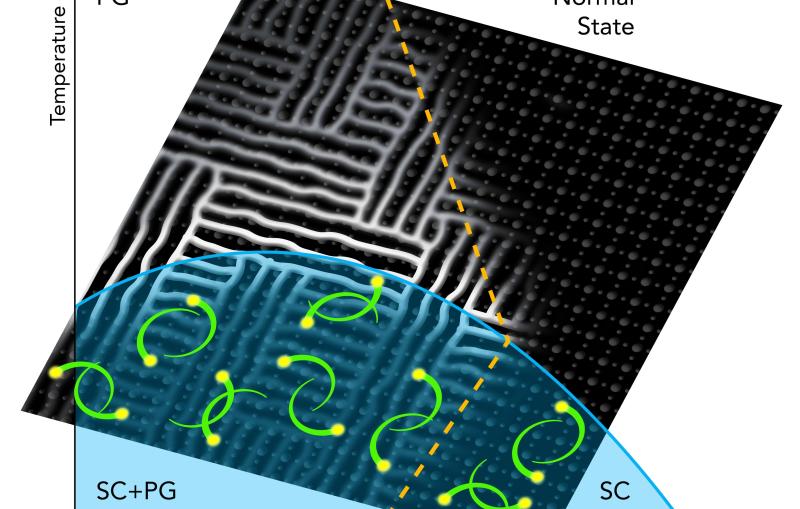
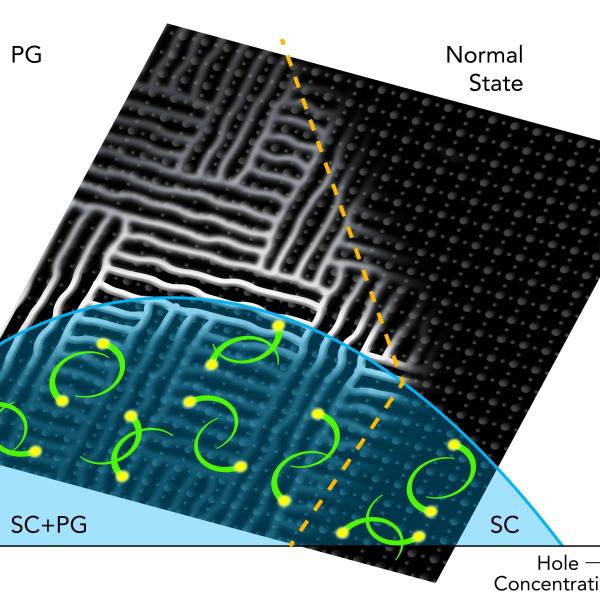
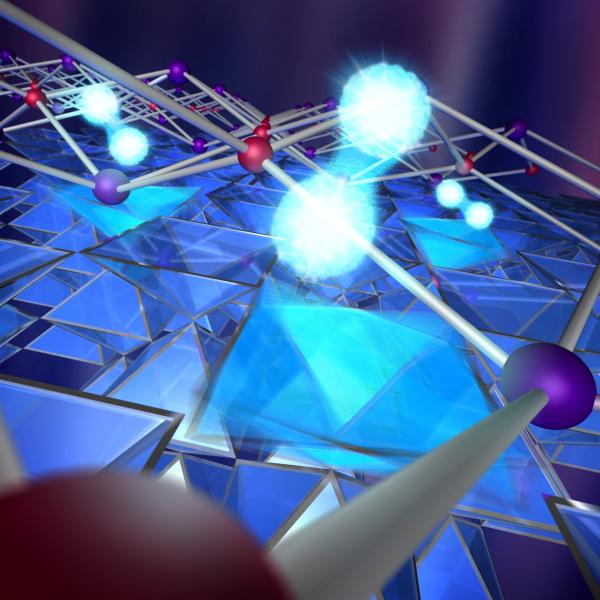
SLAC study shows the so-called ‘pseudogap’ hoards electrons that otherwise might pair up to carry current through a material with 100 percent efficiency.
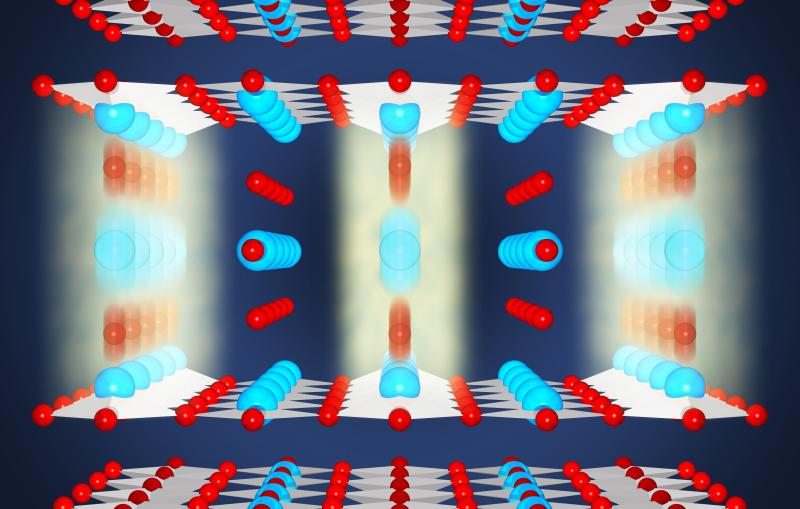
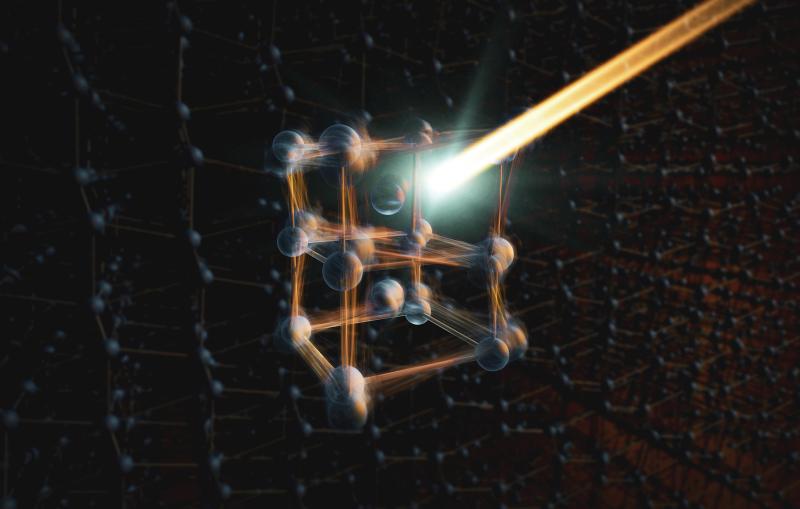
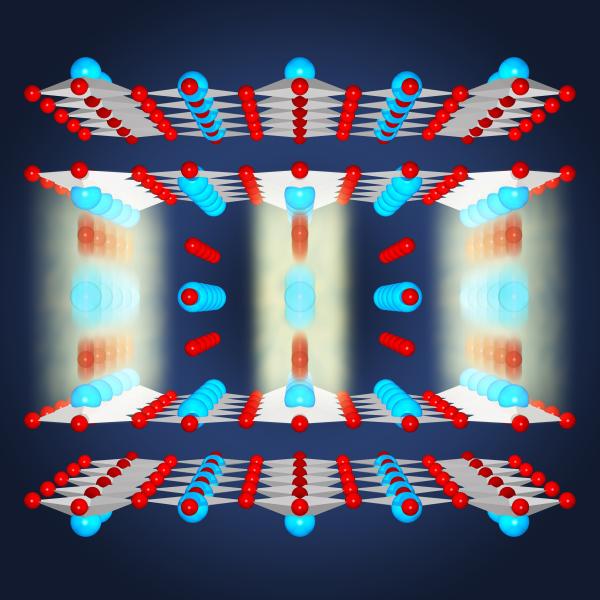
An experiment at SLAC provided the first fleeting glimpse of the atomic structure of a material as it entered a state resembling room-temperature superconductivity...
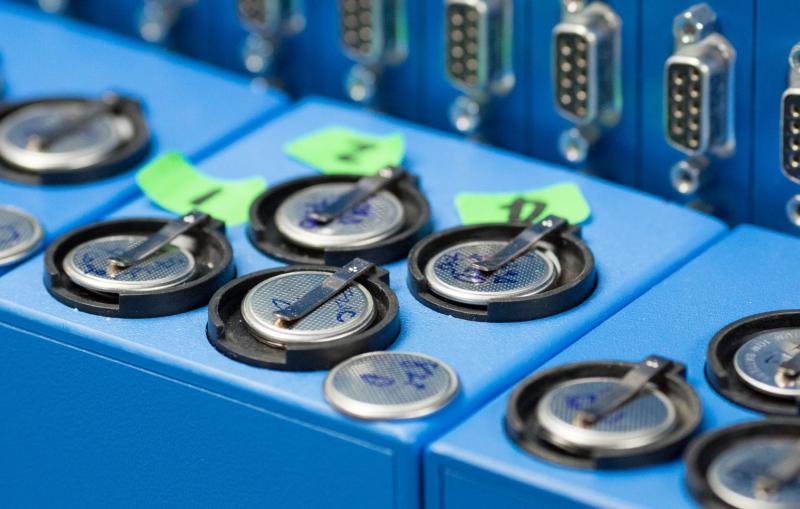
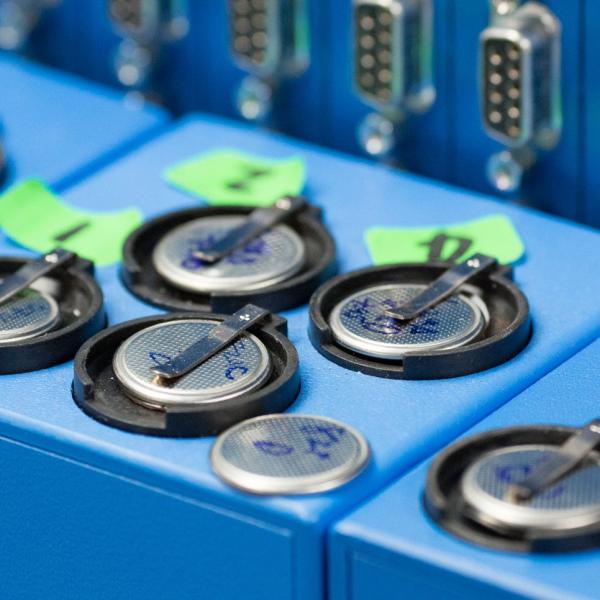
More than a dozen energy-storage companies have streamlined access to research facilities and expertise at SLAC under a new cooperative R&D agreement with CalCharge.
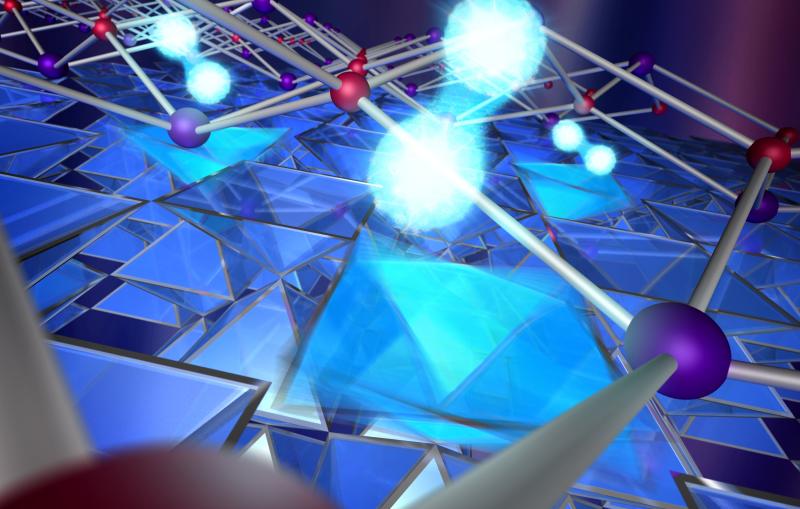
A study at the Department of Energy’s SLAC National Accelerator Laboratory suggests for the first time how scientists might deliberately engineer superconductors that work...
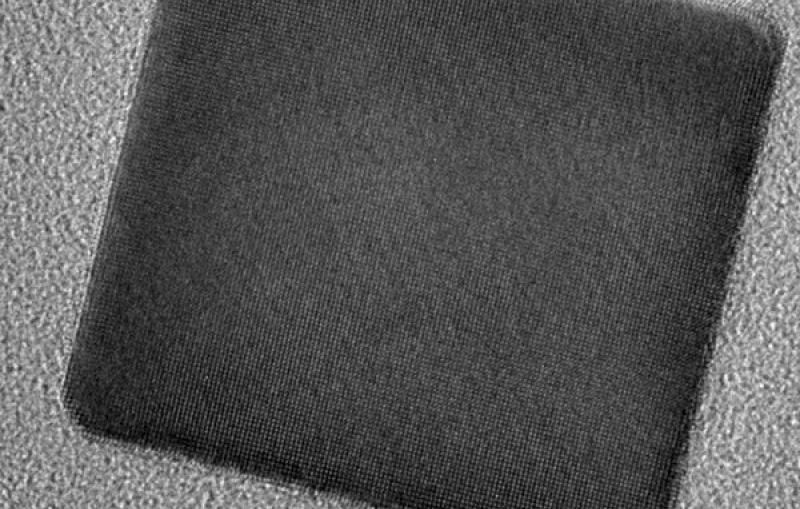
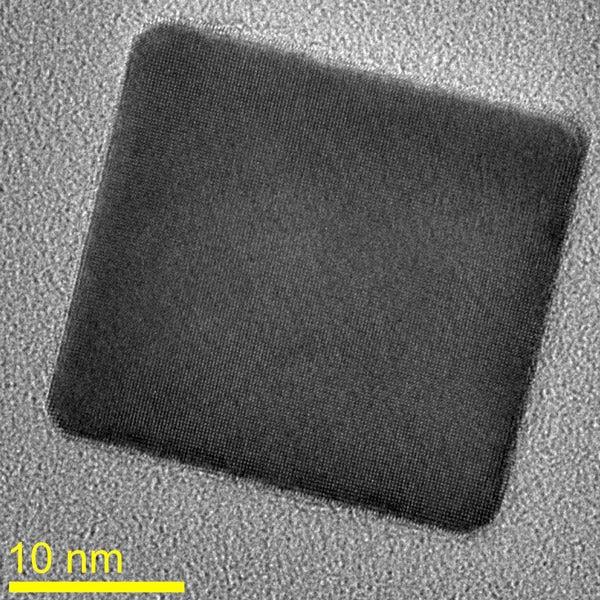
By observing how hydrogen is absorbed into individual palladium nanocubes, Stanford materials scientists have detailed a key step in storing energy and information in...
SLAC study shows the so-called ‘pseudogap’ hoards electrons that otherwise might pair up to carry current through a material with 100 percent efficiency.
An experiment at SLAC provided the first fleeting glimpse of the atomic structure of a material as it entered a state resembling room-temperature superconductivity – a long-sought phenomenon in which materials might conduct electricity with 100 percent efficiency under everyday...
More than a dozen energy-storage companies have streamlined access to research facilities and expertise at SLAC under a new cooperative R&D agreement with CalCharge.
A study at the Department of Energy’s SLAC National Accelerator Laboratory suggests for the first time how scientists might deliberately engineer superconductors that work at higher temperatures.
By observing how hydrogen is absorbed into individual palladium nanocubes, Stanford materials scientists have detailed a key step in storing energy and information in nanomaterials.