SLAC topics

Linac Coherent Light Source (LCLS) RSS feed

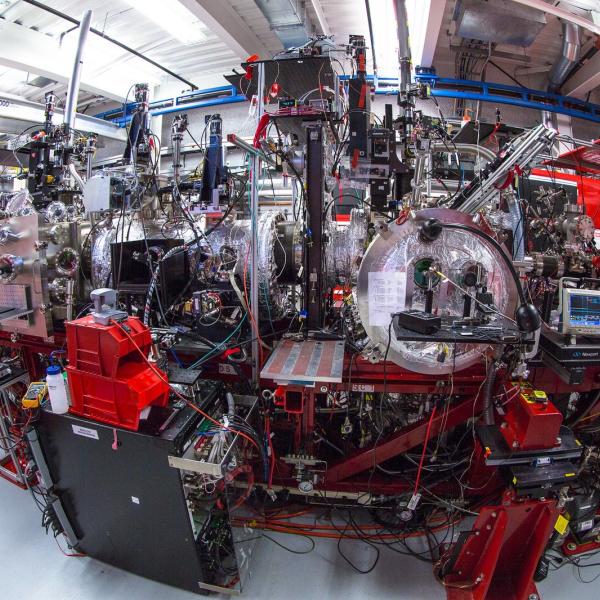
The Linac Coherent Light Source at SLAC, the world’s first hard X-ray free-electron laser, takes X-ray snapshots of atoms and molecules at work, revealing fundamental processes in materials, technology and living things.

Visit LCLS website

Browse tagged content

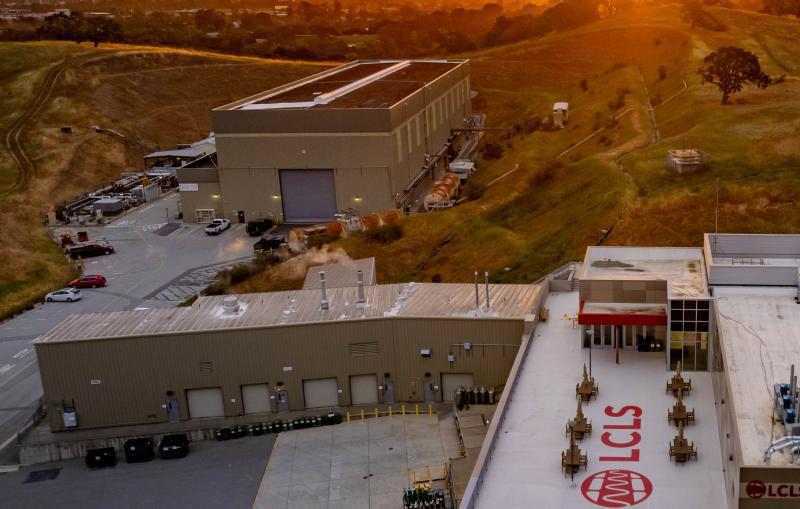
Rooftop view of Linac Coherent Light Source (LCLS)
Feature

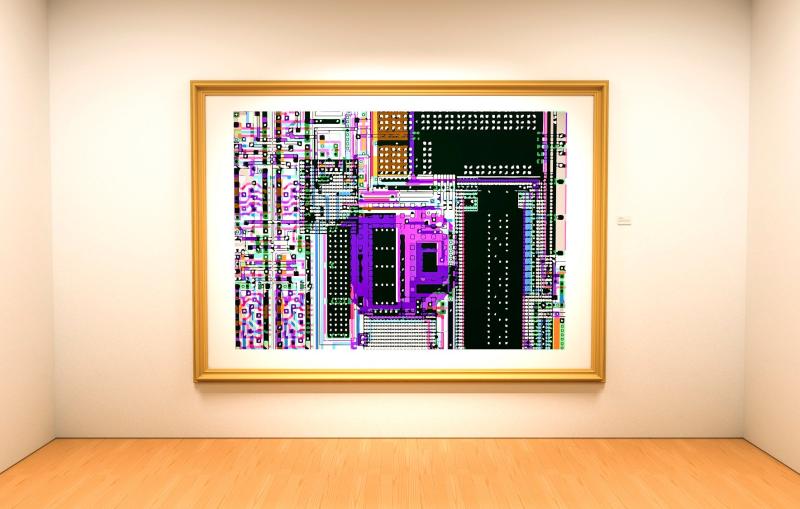
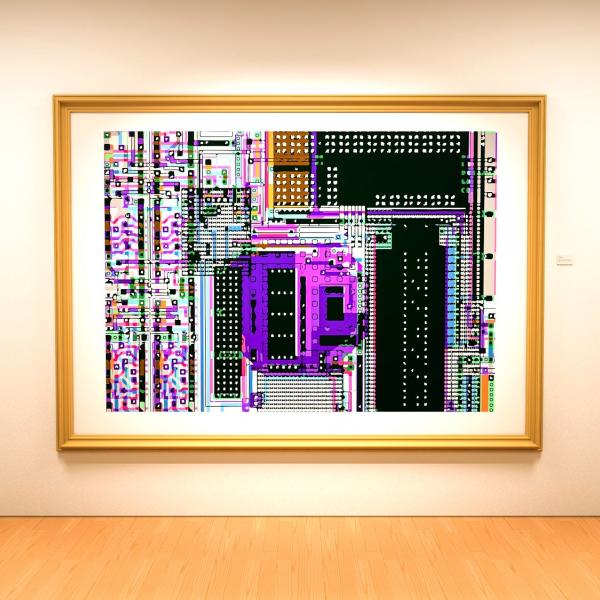
A team of electrical designers develops specialized microchips for a broad range of scientific applications, including X-ray science and particle physics.

This illustration shows the layout of an application-specific integrated circuit, or ASIC, at an imaginary art exhibition.
Feature

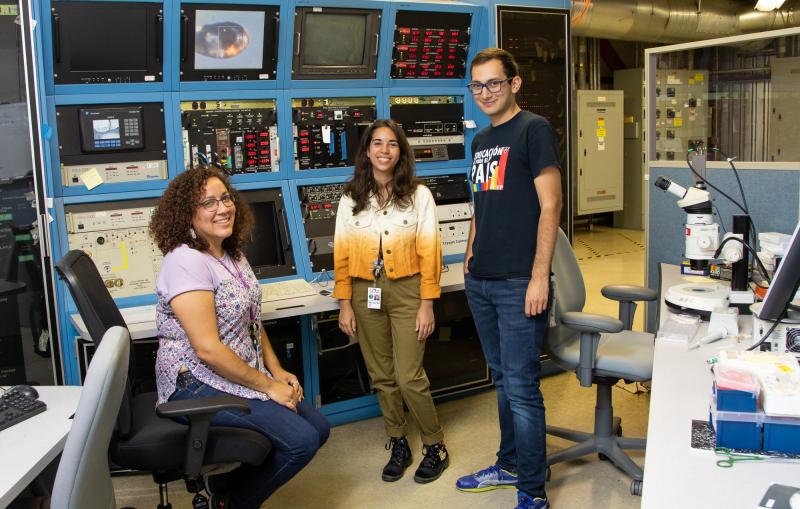
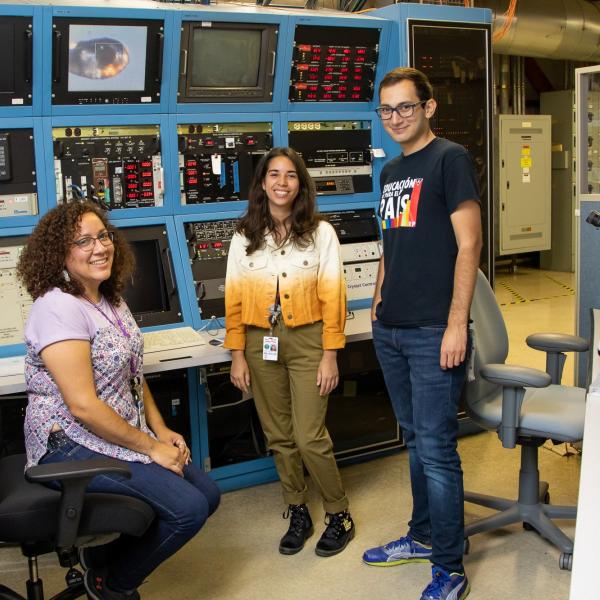
This summer, five graduate students from the University of Puerto Rico had the opportunity to use SLAC’s world-class facilities to keep their studies on...

University of Puerto Rico Interns
Feature

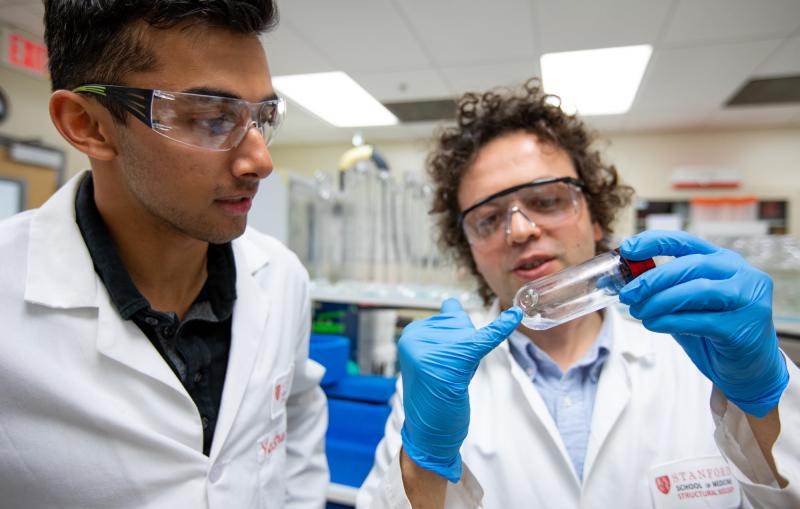
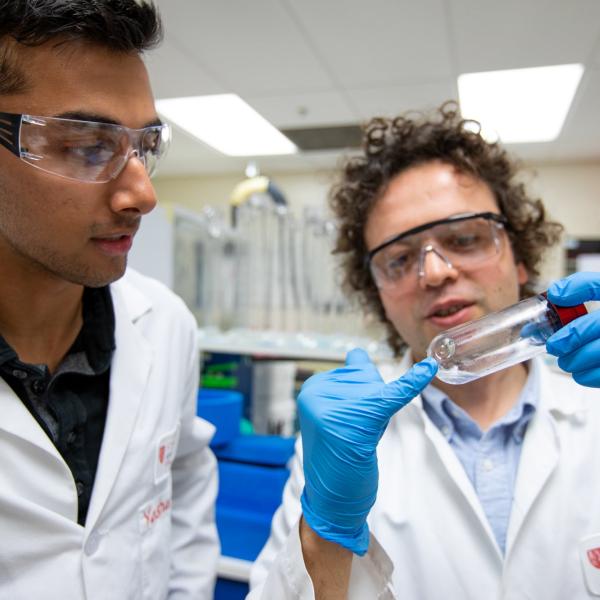
A new imaging technique is allowing researchers to pinpoint ways of modifying drugs to avoid side effects.

Hasan DeMirci Ribosome
Feature

Their work will deepen our understanding of matter in extreme conditions and fundamental particle physics.

Panofsky Fellows 2018
Feature

Tais Gorkhover, Michael Kagan, Kazuhiro Terao and Joshua Turner will each receive $2.5 million for research that studies fundamental particles, nanoscale objects, quantum materials...

Photos of SLAC's 2018 Early Career Award winners
Feature

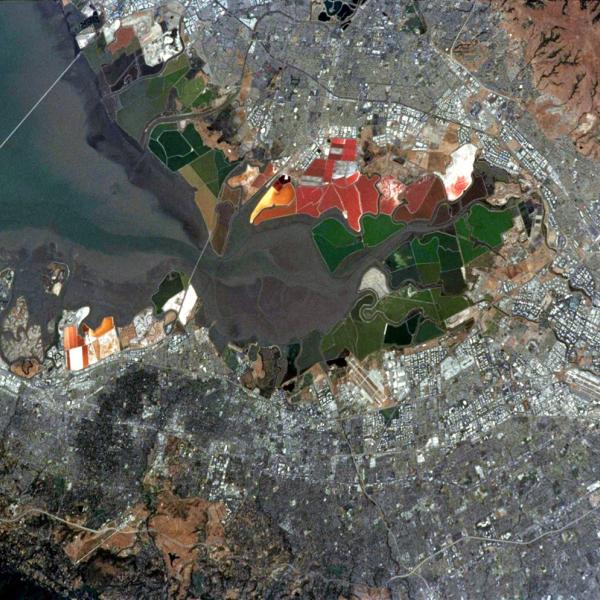
The X-ray laser movie shows what happens when light hits retinal, a key part of vision in animals and photosynthesis in microbes. The action...

An image of San Francisco Bay salt ponds from space
Feature

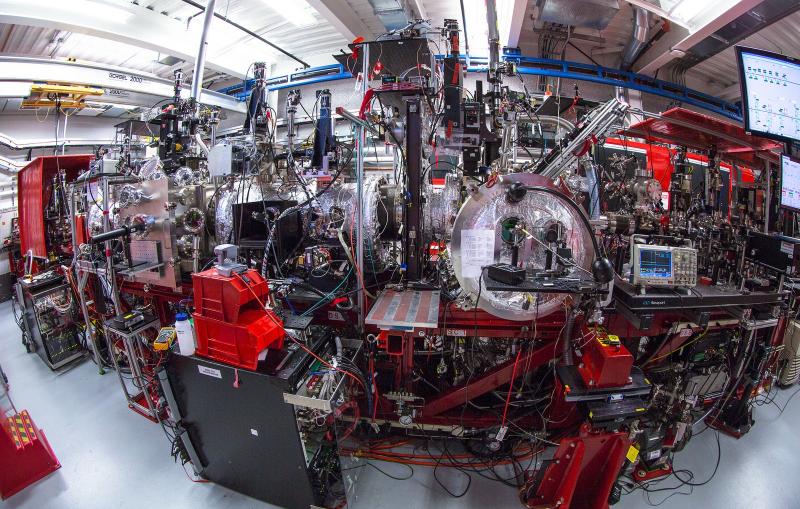
The researchers observed how an enzyme from drug-resistant tuberculosis bacteria damages an antibiotic molecule. The new technique provides a powerful tool to examine changes...

Photo - CXI instrument at LCLS
Feature

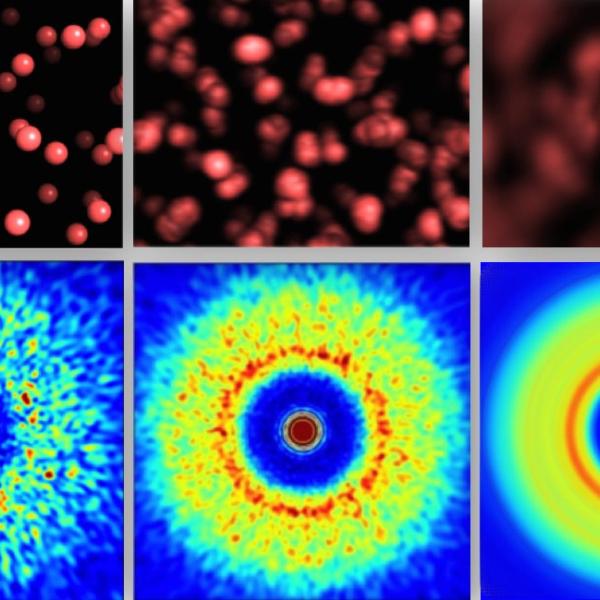
Water is more complicated than it seems. Now a study led by researchers at Stockholm University has probed the movements of its molecules on...

Illustration showing blurring of images of water molecules made with X-ray laser
Feature

Experiments at SLAC heated water from room temperature to 100,000 degrees Celsius in less than a millionth of a millionth of a second, producing...

Illustration of water molecules hit by X-ray laser
Feature

By placing the tiniest strands of proteins on one-atom-thick graphene, scientists capture promising X-ray laser images of these elusive biomolecules that play a key...

Illustration of amyloid fibrils on graphene
Feature

The liquid sheets – less than 100 water molecules thick – will let researchers probe chemical, physical and biological processes, and even the nature...

A glass chip used as a nozzle to create thin sheets of flowing liquid.
Feature

The new technology could allow next-generation instruments to explore the atomic world in ever more detail.

Beam from SRF gun