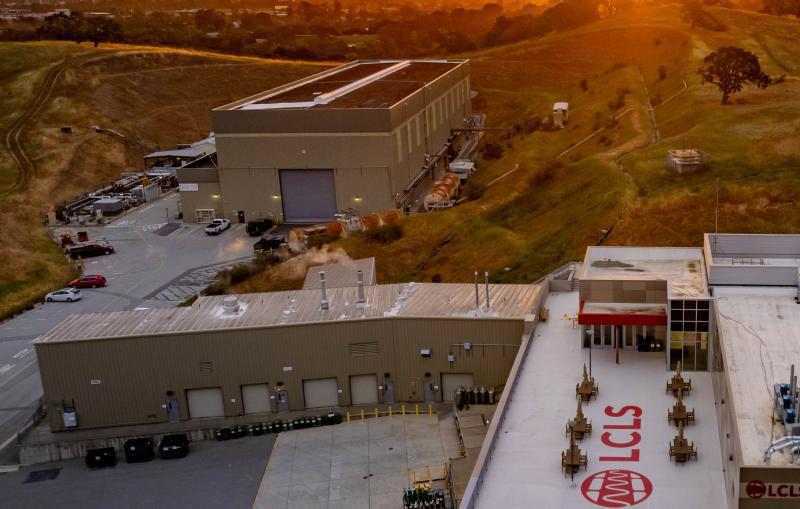
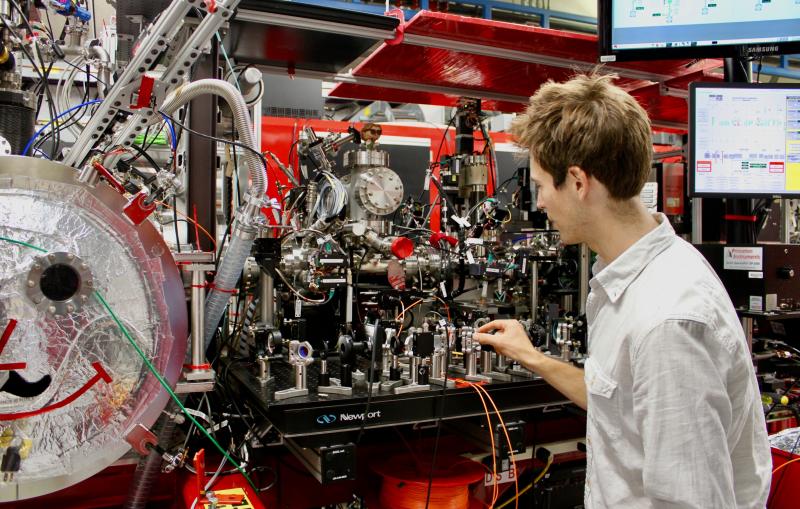
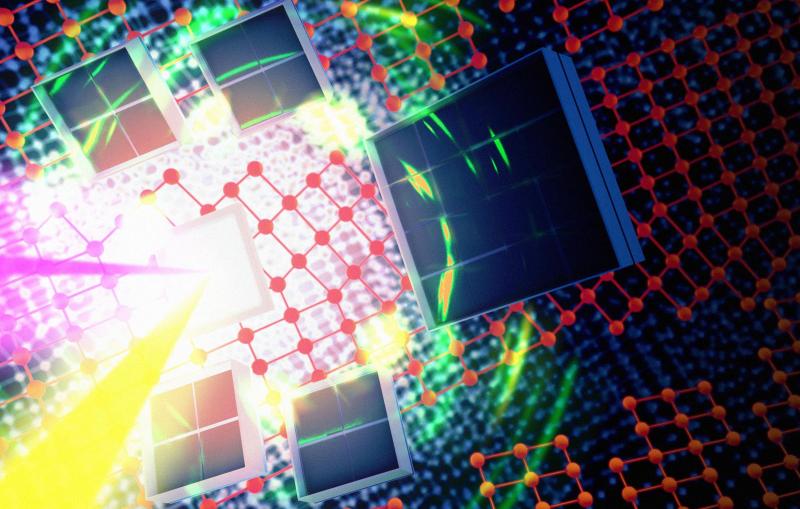
The Linac Coherent Light Source at SLAC, the world’s first hard X-ray free-electron laser, takes X-ray snapshots of atoms and molecules at work, revealing fundamental processes in materials, technology and living things.
Using SLAC’s X-ray laser, researchers have made detailed 3-D images of nanoscale biology, with future applications in the study of air pollution, combustion and...
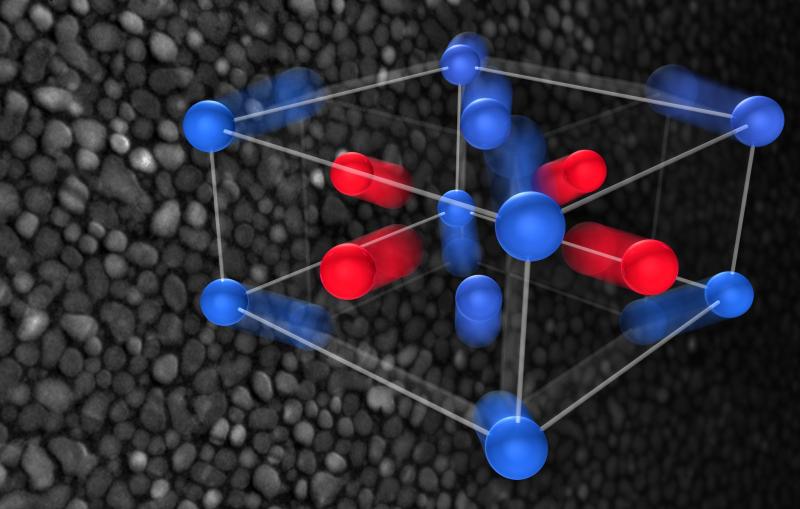
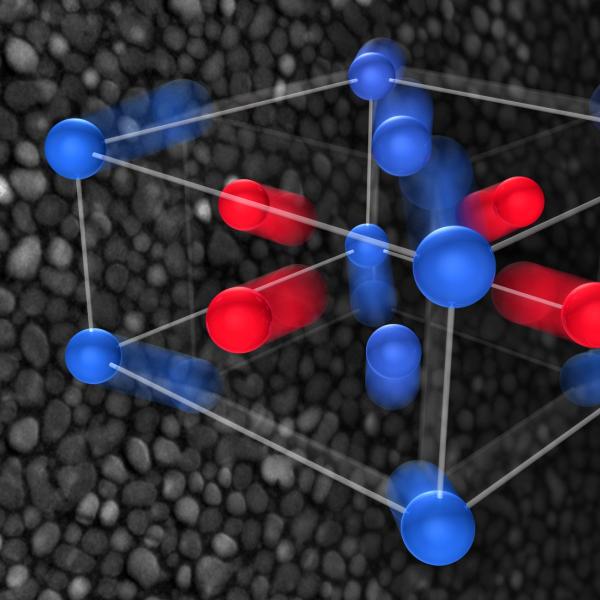
Combining X-ray and electron data from two cutting-edge SLAC instruments, researchers make the first observation of the rapid atomic response of iron-platinum nanoparticles to...
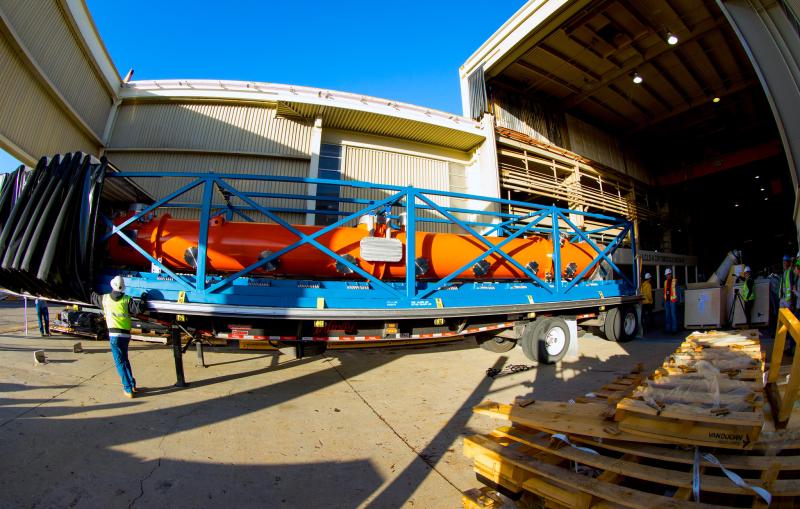
The first cryomodule has arrived at SLAC. Linked together and chilled to nearly absolute zero, 37 of these segments will accelerate electrons to almost...
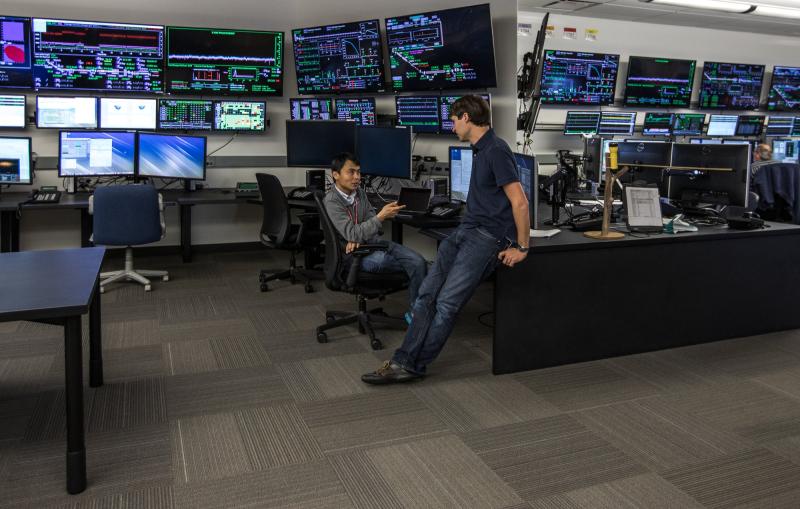
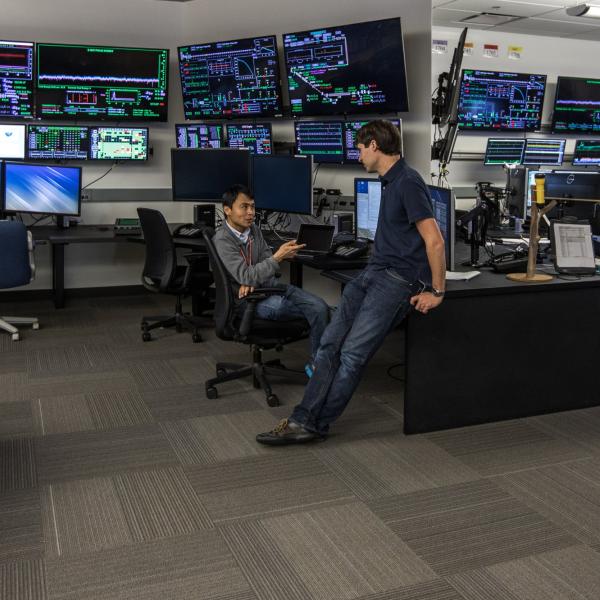
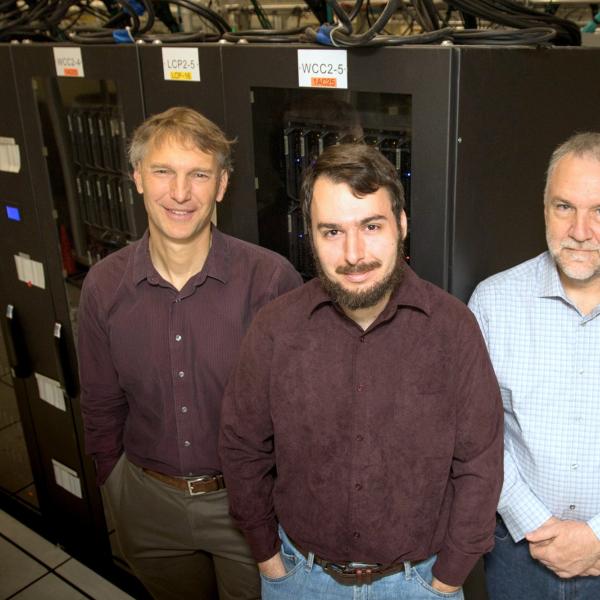
As members of the lab’s Computer Science Division, they develop the tools needed to handle ginormous data volumes produced by the next generation of...
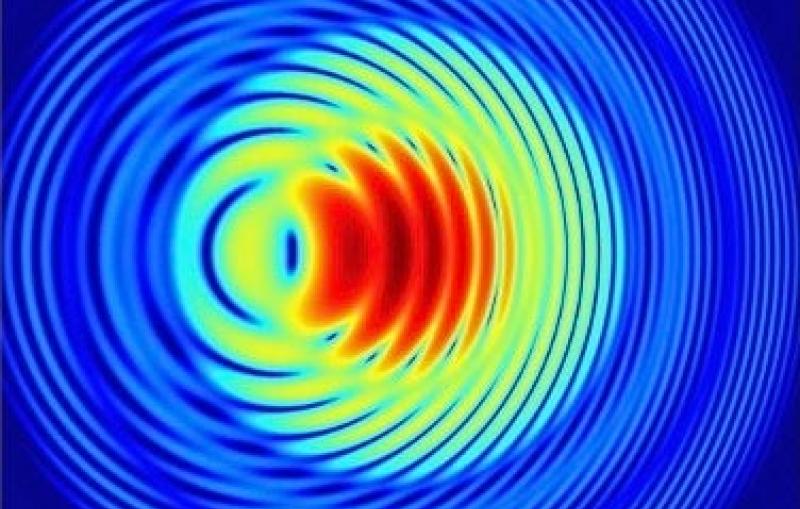
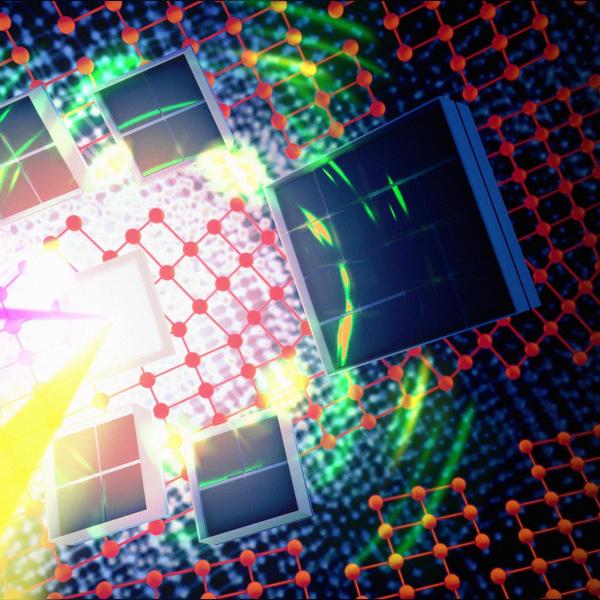
Innovations at SLAC, including the world’s shortest X-ray flashes, ultra-high-speed pulse trains and smart computer controls, promise to take ultrafast X-ray science to a...
Biochemical 'action shots' with SLAC’s X-ray laser could help scientists develop synthetic enzymes for medicine and answer fundamental questions about how enzymes change during...
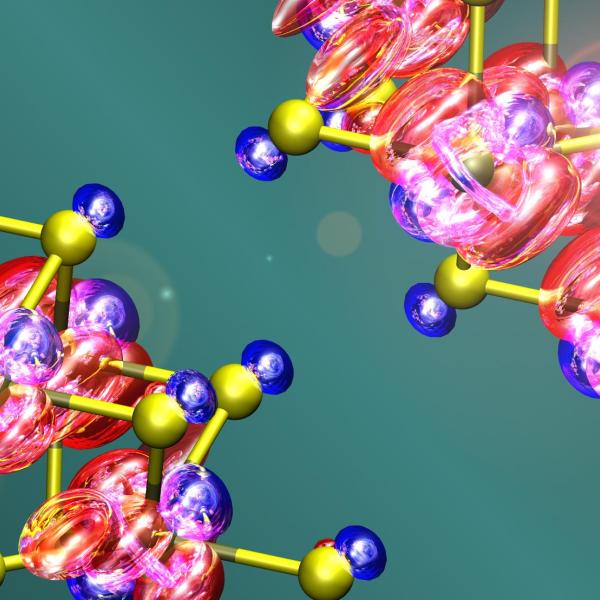
In experiments with the lab’s ultrafast "electron camera," laser light hitting a material is almost completely converted into nuclear vibrations, which are key to...
Research with SLAC’s X-ray laser simulates what happens when a meteor hits Earth’s crust. The results suggest that scientists studying impact sites have been...
Using SLAC’s X-ray laser, researchers have made detailed 3-D images of nanoscale biology, with future applications in the study of air pollution, combustion and catalytic processes.
Combining X-ray and electron data from two cutting-edge SLAC instruments, researchers make the first observation of the rapid atomic response of iron-platinum nanoparticles to light. The results could help develop ways to manipulate and control future magnetic data storage devices.
The first cryomodule has arrived at SLAC. Linked together and chilled to nearly absolute zero, 37 of these segments will accelerate electrons to almost the speed of light and power an upgrade to the nation’s only X-ray free-electron laser facility.
As members of the lab’s Computer Science Division, they develop the tools needed to handle ginormous data volumes produced by the next generation of scientific discovery machines.
Innovations at SLAC, including the world’s shortest X-ray flashes, ultra-high-speed pulse trains and smart computer controls, promise to take ultrafast X-ray science to a whole new level.
Biochemical 'action shots' with SLAC’s X-ray laser could help scientists develop synthetic enzymes for medicine and answer fundamental questions about how enzymes change during chemical reactions.
In experiments with the lab’s ultrafast "electron camera," laser light hitting a material is almost completely converted into nuclear vibrations, which are key to switching a material’s properties on and off for future electronics and other applications.
Research with SLAC’s X-ray laser simulates what happens when a meteor hits Earth’s crust. The results suggest that scientists studying impact sites have been overestimating the sizes of the meteors that made them.
A new way to observe this deformation as it happens can help study a wide range of phenomena, from meteor impacts to high-performance ceramics used in armor, as well as how to protect spacecraft from high-speed dust impacts.