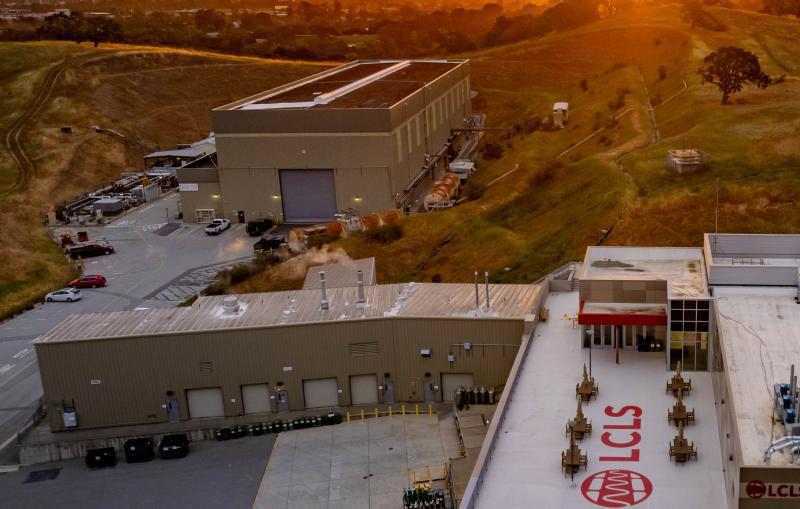
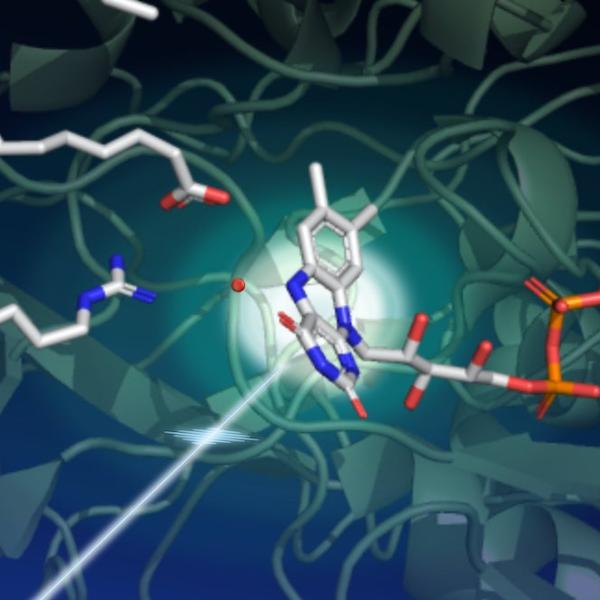
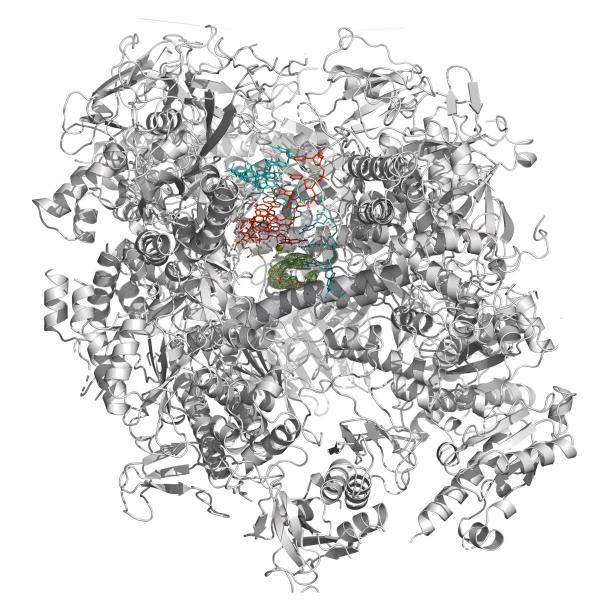
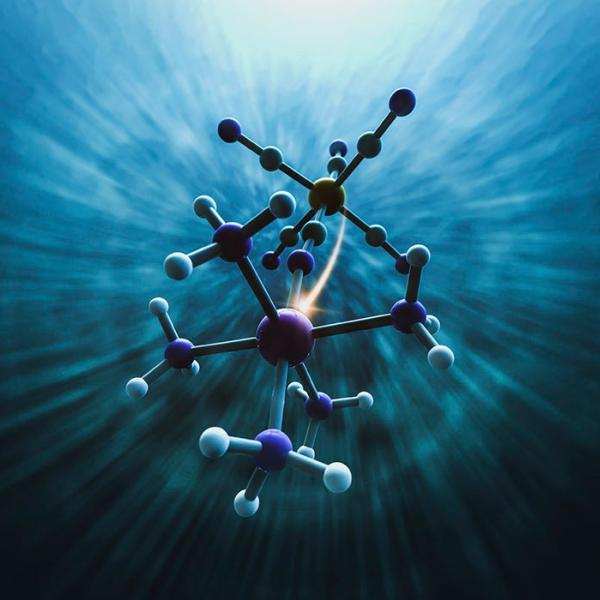
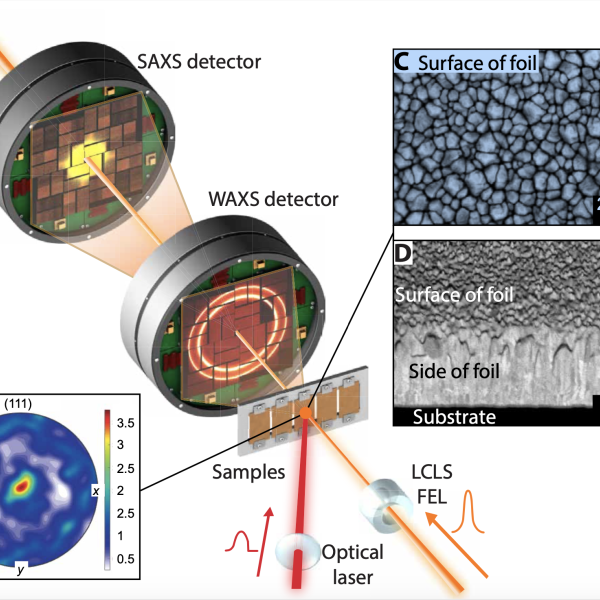
The Linac Coherent Light Source at SLAC, the world’s first hard X-ray free-electron laser, takes X-ray snapshots of atoms and molecules at work, revealing fundamental processes in materials, technology and living things.
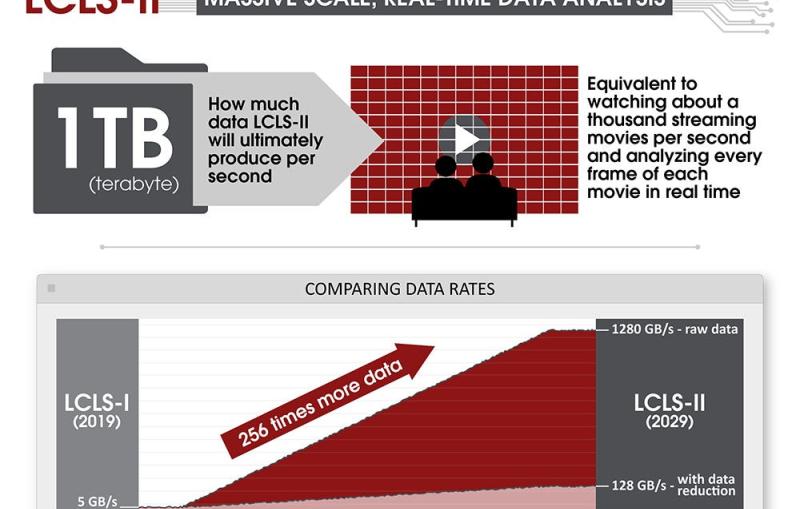
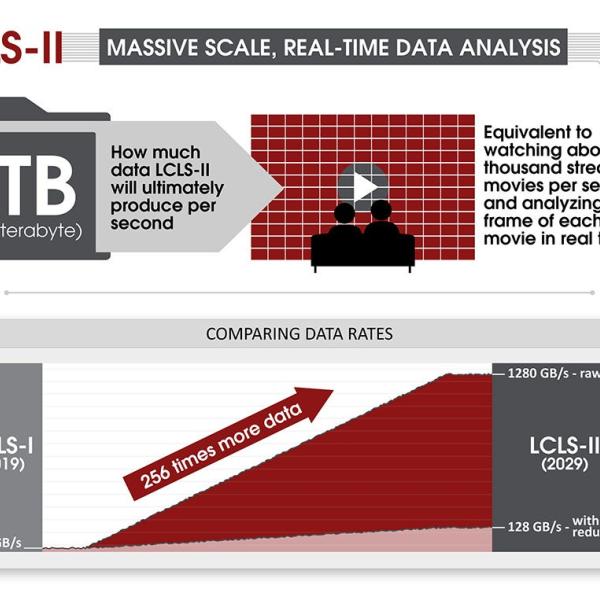
When upgrades to the X-ray laser at the Department of Energy’s SLAC National Accelerator Laboratory are complete, the powerful new machine will capture up...
These fleeting disruptions, seen for the first time in lead hybrid perovskites, may help explain why these materials are exceptionally good at turning sunlight...
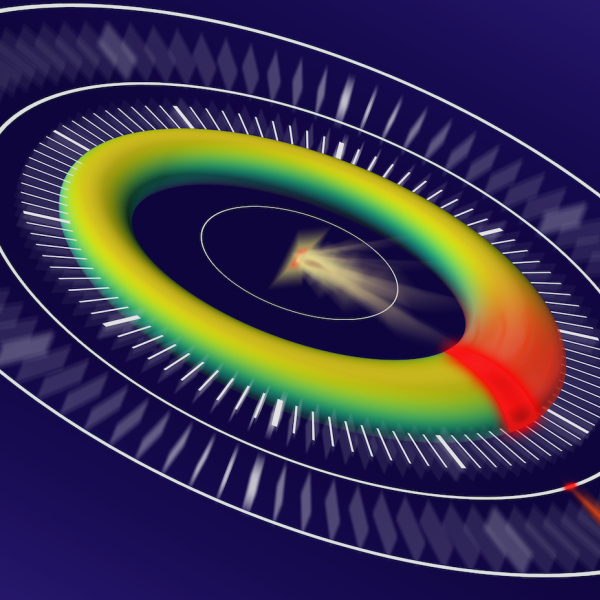
A better understanding of how this happens could help researchers hone future electronic measurements and offer insights into how X-rays interact with matter on...
The annual conference for scientists who conduct research at SLAC’s light sources engaged more than 1,700 researchers in talks, workshops and discussions.
When upgrades to the X-ray laser at the Department of Energy’s SLAC National Accelerator Laboratory are complete, the powerful new machine will capture up to 1 terabyte of data per second; that’s a data rate equivalent to streaming about one...
Knowledge of physics and a love of challenges fuel May Ling Ng’s quest for nanometer perfection in the smooth surfaces of mirrors used at SLAC’s X-ray laser.
These fleeting disruptions, seen for the first time in lead hybrid perovskites, may help explain why these materials are exceptionally good at turning sunlight into electrical current in solar cells.
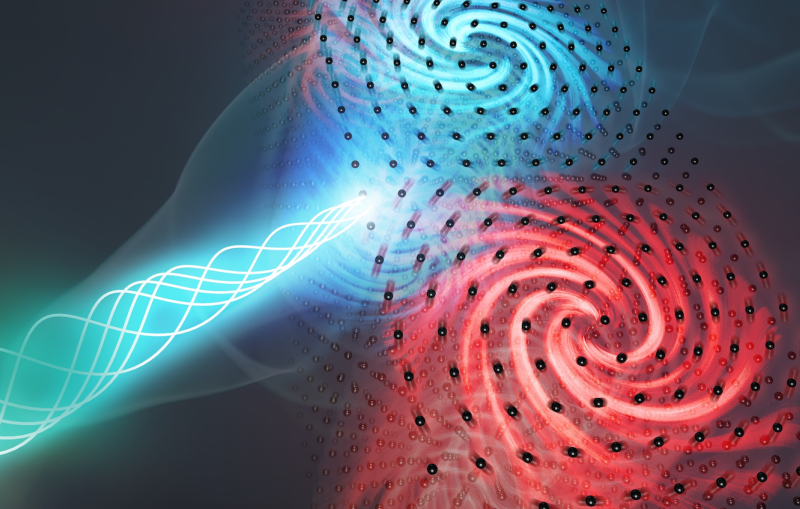
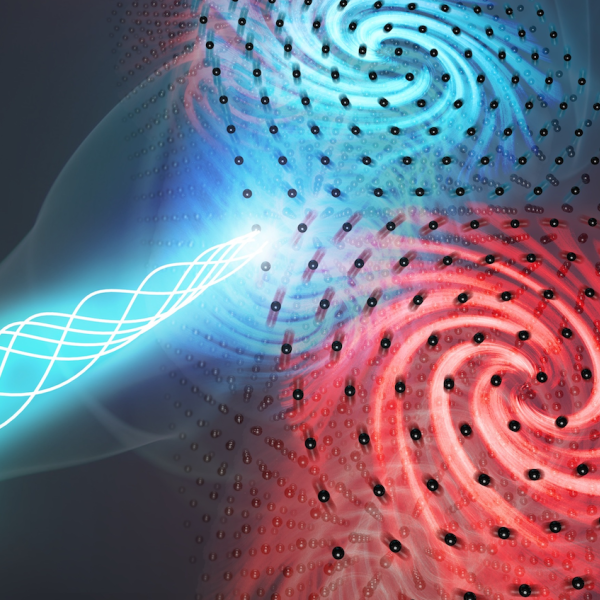
The results, which show that ultrafast atomic motions are the first step in forming a magnetic state, could lead to faster and more efficient data storage devices.
The lab’s X-ray laser recently joined other facilities in making remote science possible from any corner of the world, a trend that will likely continue into the future.
A better understanding of how this happens could help researchers hone future electronic measurements and offer insights into how X-rays interact with matter on ultrafast time scales.
The annual conference for scientists who conduct research at SLAC’s light sources engaged more than 1,700 researchers in talks, workshops and discussions.