SLAC topics

LCLS-II RSS feed

LCLS-II is a transformative upgrade for energy science, qualitatively changing the way that X-ray imaging, scattering and spectroscopy can be used to study how natural and artificial systems function. The upgrade empowers LCLS to produce X-ray pulses that are 10,000 times brighter than before and that arrive up to a million times per second.

Related Link:
LCLS-II

Illustration of SLAC's cryoplant refrigerator.
News Release

The facility, LCLS-II, will soon sharpen our view of how nature works on ultrasmall, ultrafast scales, impacting everything from quantum devices to clean energy.

LCLS-II cooldown
Animation
Now that the cavities have been cooled, the next step is to pump them with more than a megawatt of...
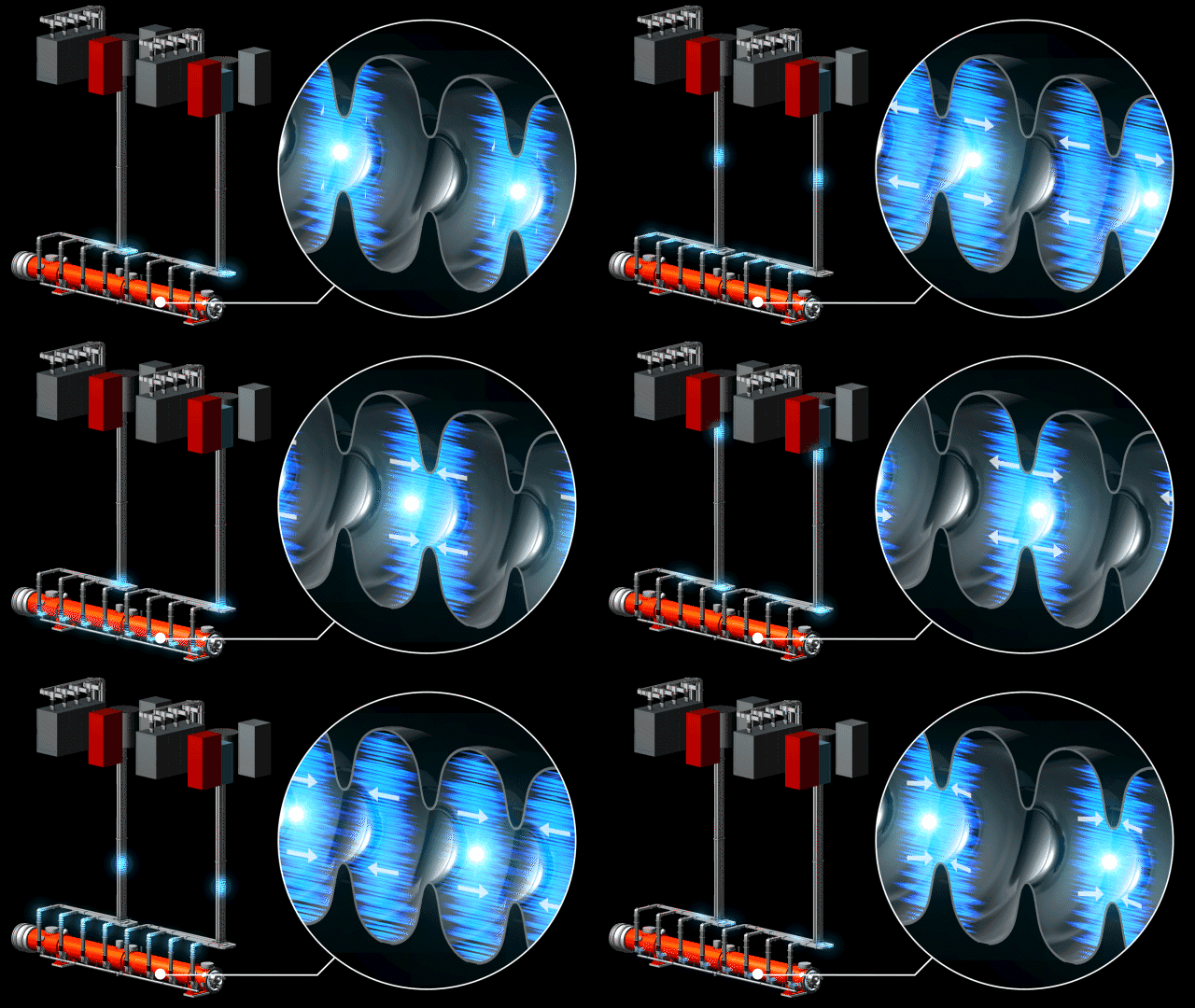
Cryomodule cavity animation
Illustration

A half-mile-long stretch of tunnel in Menlo Park, California is now colder than most of the universe.
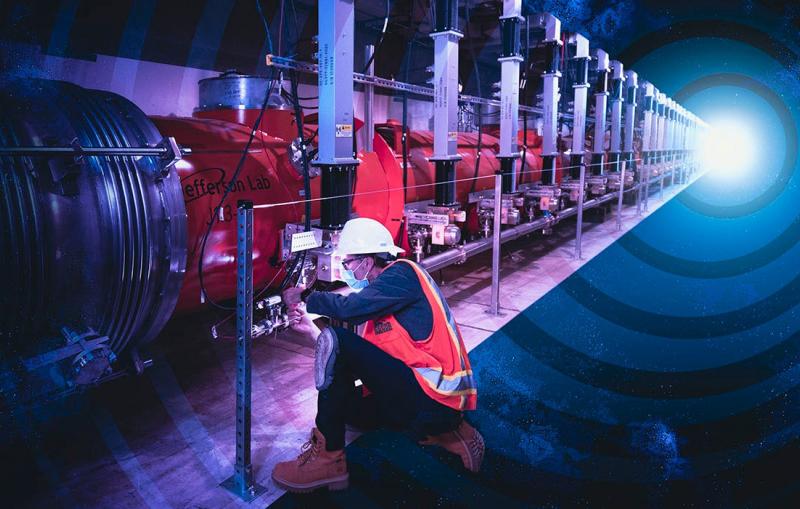

LCLS-II cooldown
Animation

The linac is equipped with two world-class helium cryoplants.

Cryoplant flow animation
Feature

The leaders of SLAC's Technology Innovation Directorate discuss how their group supports the lab's most innovative projects.

TID senior managers
Feature

Over the past few years, Kathleen Ratcliffe and Tien Fak Tan have worked together to help build the superconducting accelerator that will drive new...

SLAC's Tien Tan, left, and Kathleen Ratcliffe pose for a portrait outside a SLAC building.
Feature

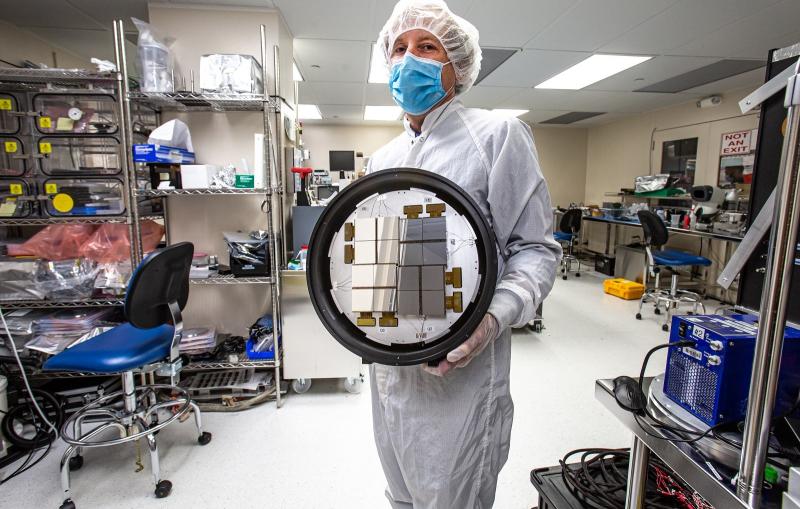
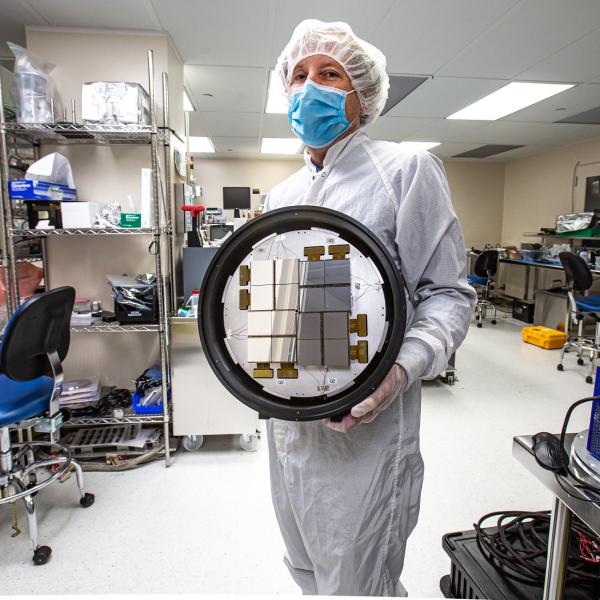
The ePix series of detectors is designed to keep pace with ever more demanding experiments at SLAC and elsewhere.

SLAC’s Chris Kenney holds a 16-module
Feature

Through her work with this nationwide program, Curry plans to make high-power laser facilities more accessible to researchers.

Chandra Breanne Curry
Feature

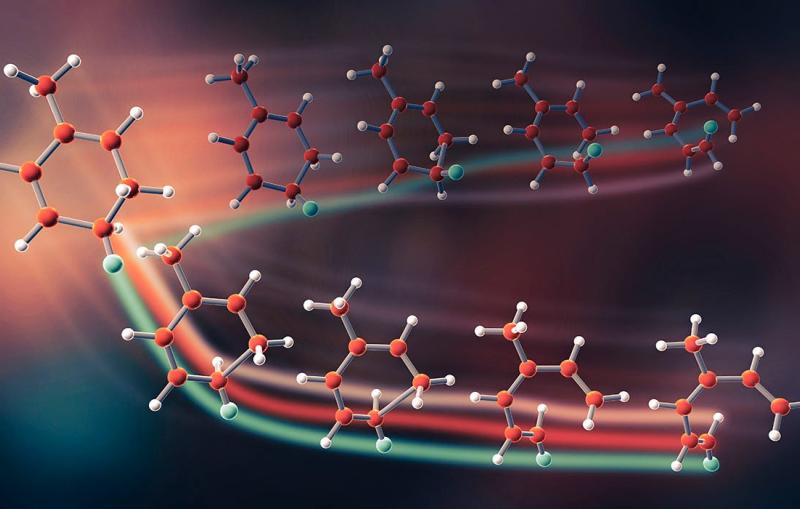
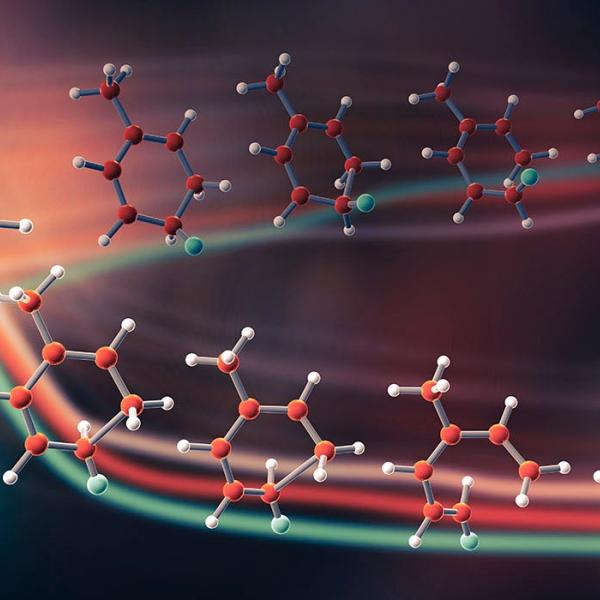
The results could lead to a better understanding of reactions with vital roles in chemistry and biology.

UED conformers
Feature

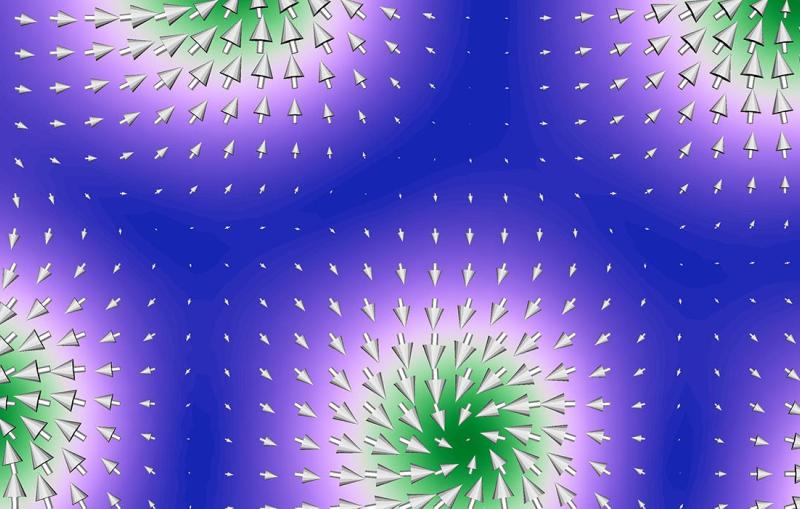
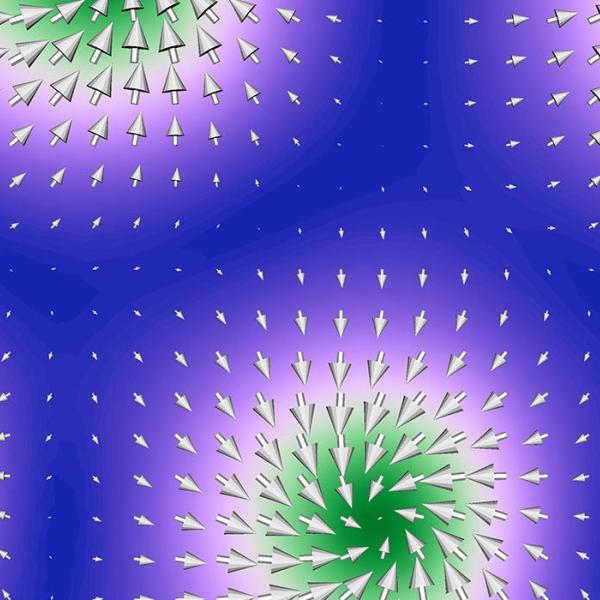
Spawned by the spins of electrons in magnetic materials, these tiny whirlpools behave like independent particles and could be the future of computing. Experiments...

Illustration of skyrmions -- little whirlpools of magnetism formed by the spins of atoms.
Feature

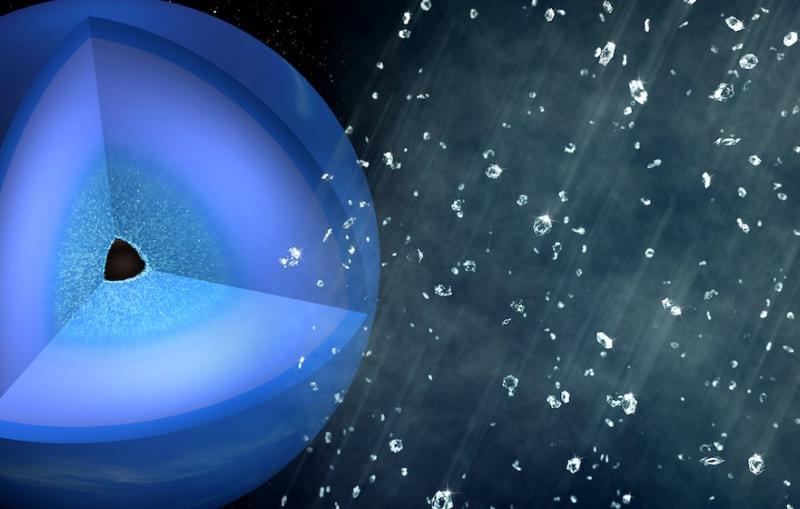
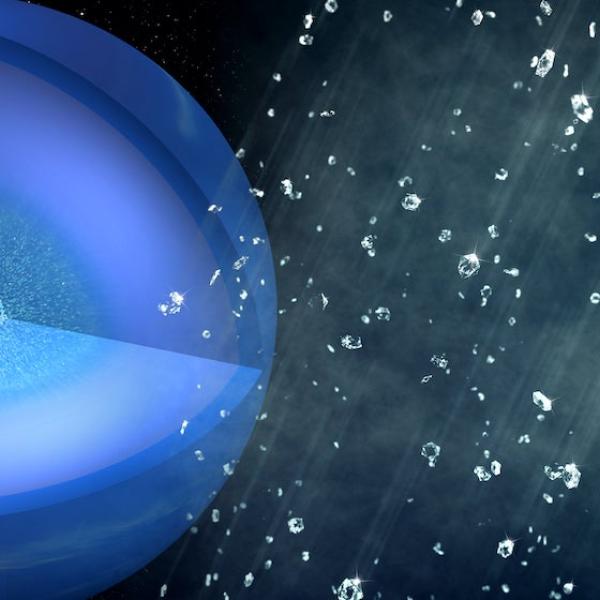
High-power lasers will work in concert with the lab’s X-ray laser to dramatically improve our understanding of matter in extreme conditions.

diamond rain
Feature

Teaching machine learning the basics of accelerator physics is particularly useful in situations where actual data don’t exist.

SSRL