
SLAC topics

LCLS-II RSS feed

LCLS-II is a transformative upgrade for energy science, qualitatively changing the way that X-ray imaging, scattering and spectroscopy can be used to study how natural and artificial systems function. The upgrade empowers LCLS to produce X-ray pulses that are 10,000 times brighter than before and that arrive up to a million times per second.

Related Link:
LCLS-II
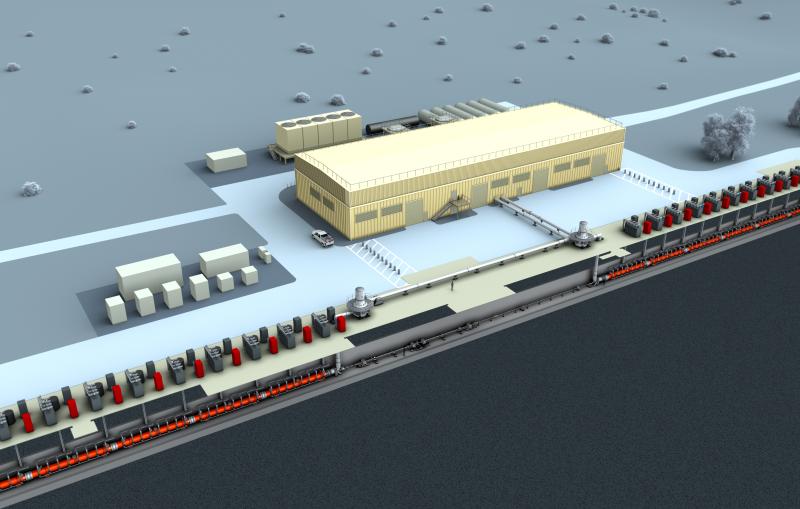
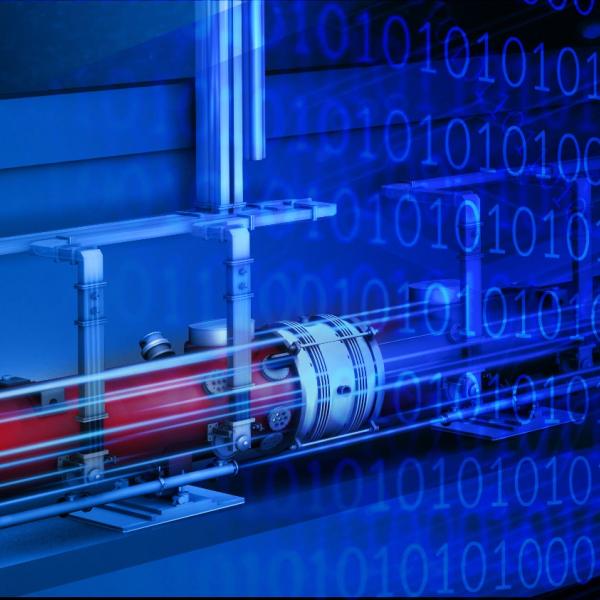
Illustration of SLAC's cryoplant refrigerator.
Feature

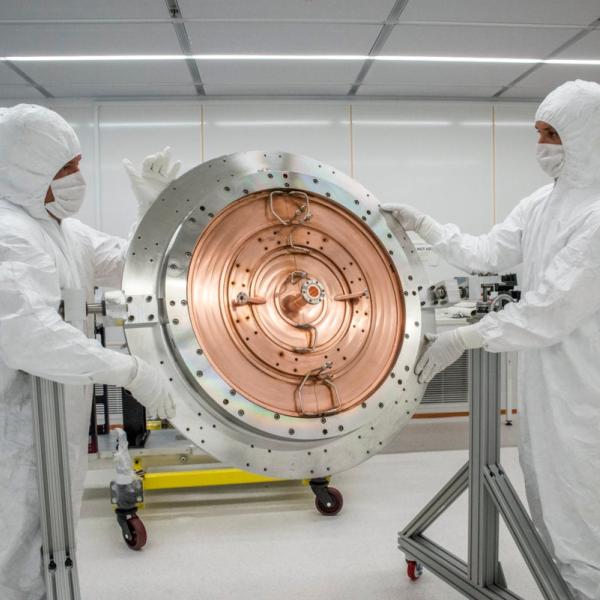
Unique device will create bunches of electrons to stimulate million-per-second X-ray pulses for LCLS-II.

Feature

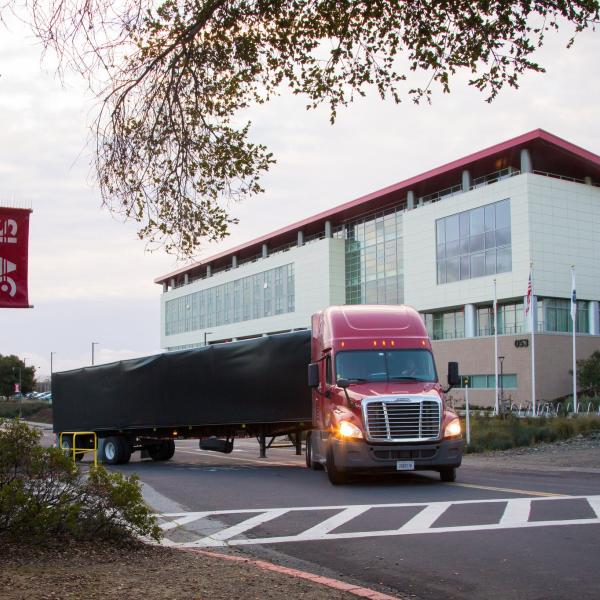
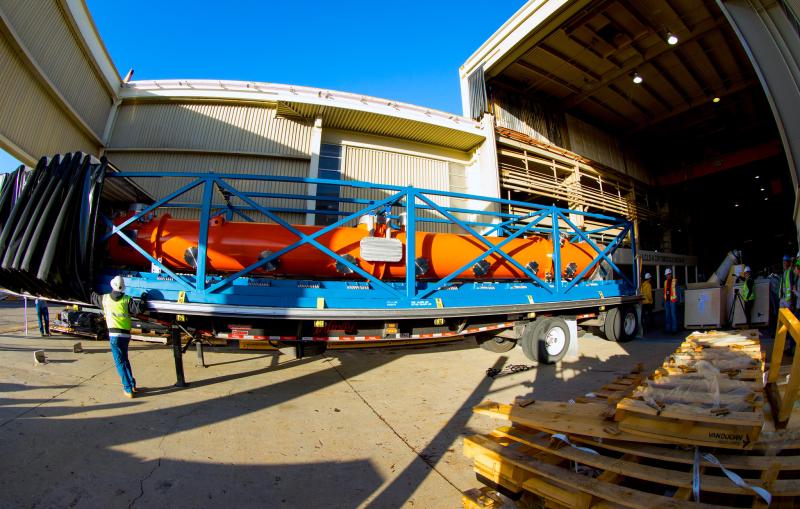
The 40-foot-long segment of the new superconducting accelerator arrived on January 19, 2018 after a cross-country trip from Fermilab.

News Release

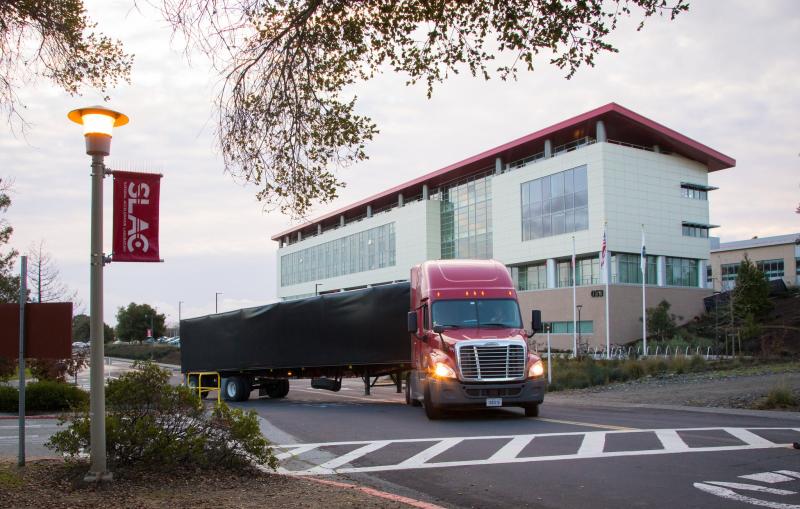
The first cryomodule has arrived at SLAC. Linked together and chilled to nearly absolute zero, 37 of these segments will accelerate electrons to almost...

A worker unveiling a cryomodule on a truck.
Feature

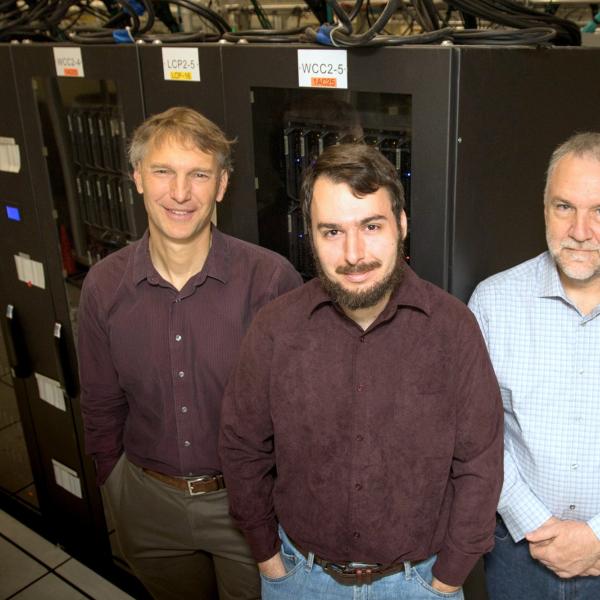
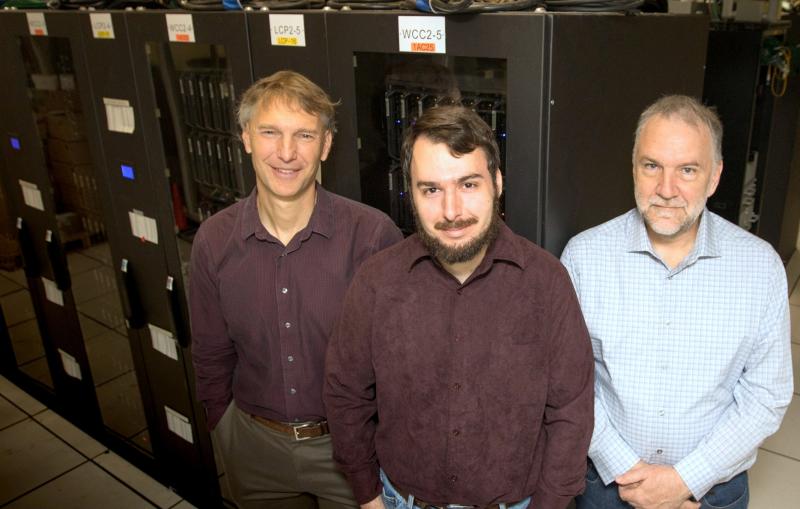
As members of the lab’s Computer Science Division, they develop the tools needed to handle ginormous data volumes produced by the next generation of...

SLAC Computer Science Team
Feature
VIA Symmetry Magazine

Symmetry: Machine Evolution

Planning the next big science machine requires consideration of both the current landscape and the distant future.

Feature

Innovations at SLAC, including the world’s shortest X-ray flashes, ultra-high-speed pulse trains and smart computer controls, promise to take ultrafast X-ray science to a...

Accelerators and Machine Learning
Feature

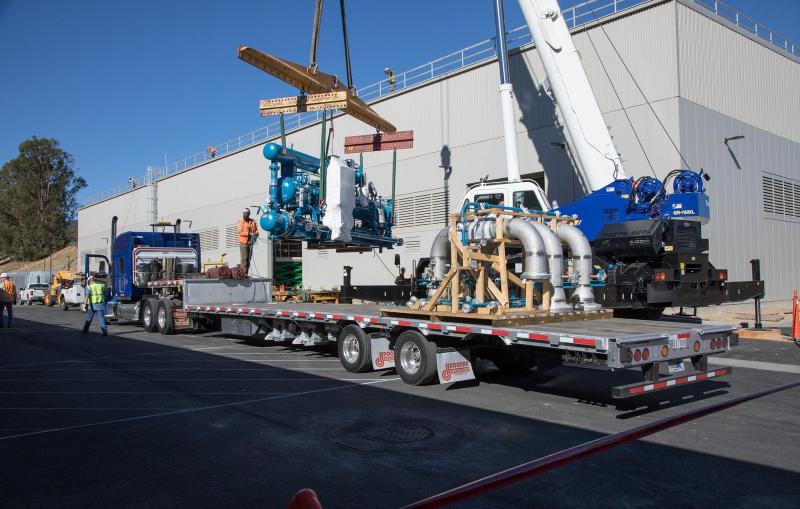
The cryogenic plant responsible for keeping LCLS-II’s superconducting linear accelerator at just a few degrees above absolute zero recently received its first warm helium...

Feature

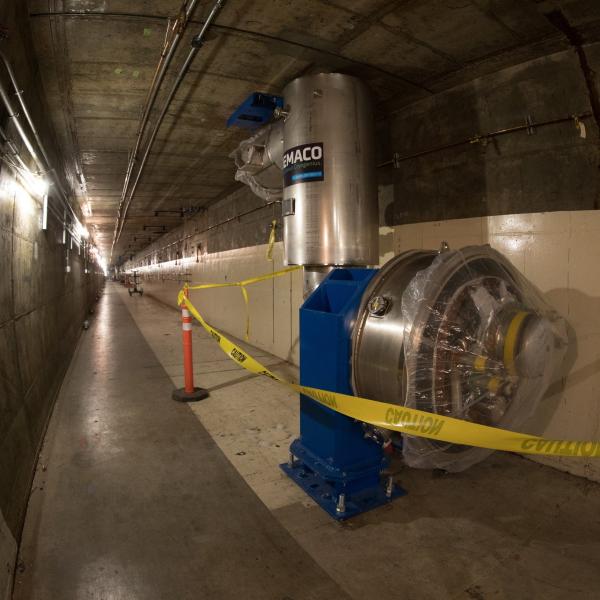
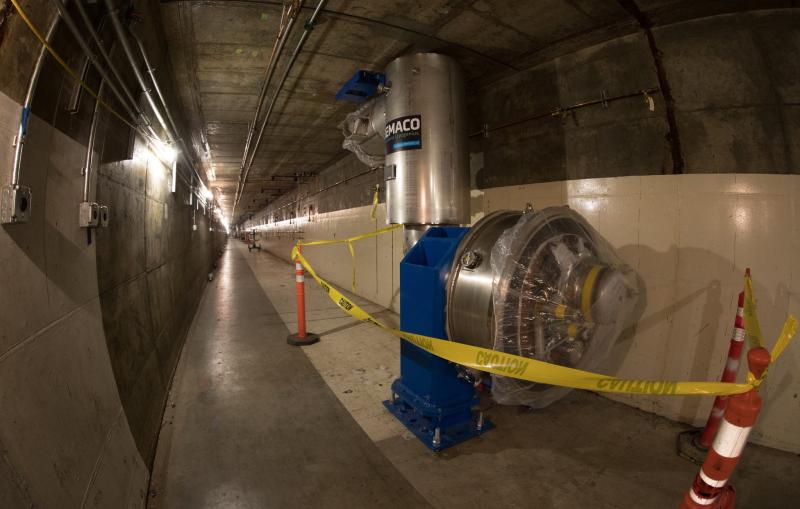
In October, SLAC installed the first of LCLS-II’s cryogenic “feed caps” and “end caps.”

Feature

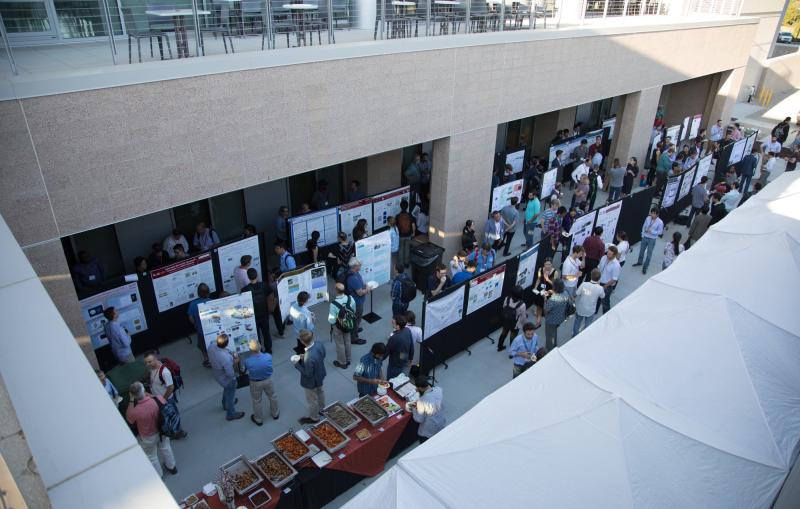
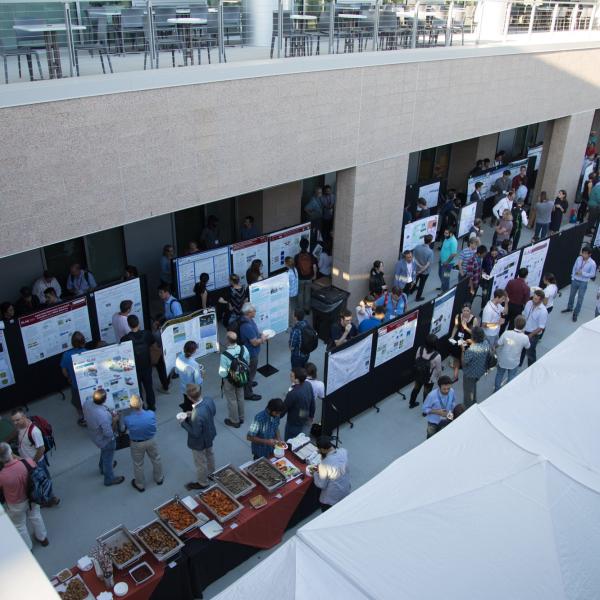
About 400 people attended the annual conference and workshops for scientists who conduct experiments at SLAC’s light sources.

Birds-eye view of the poster session
Feature

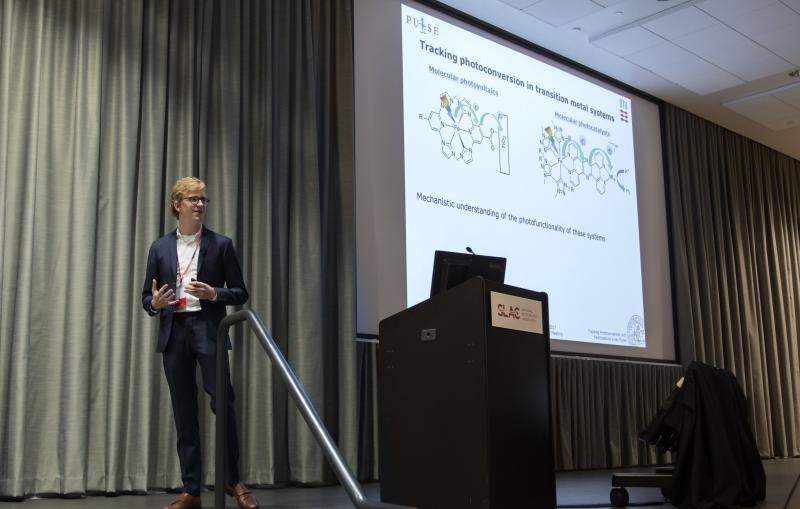
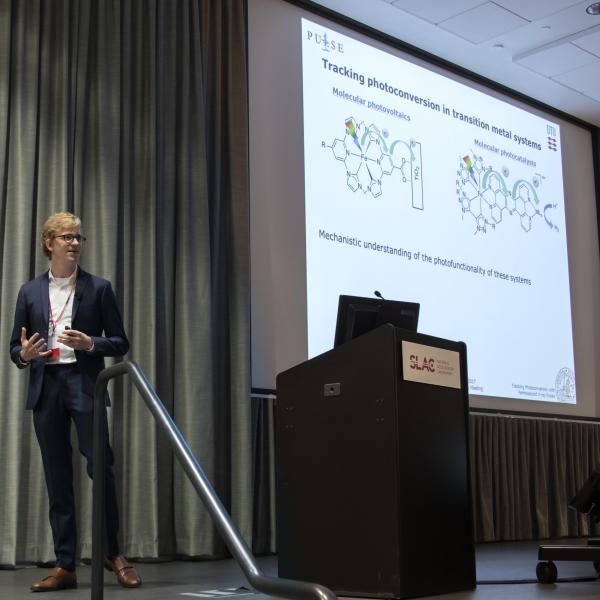
The early career award from SLAC’s X-ray laser recognizes Kjaer’s work in ultrafast X-ray science.

photo of Kasper Kjaer in Panofsky Auditorium
Feature

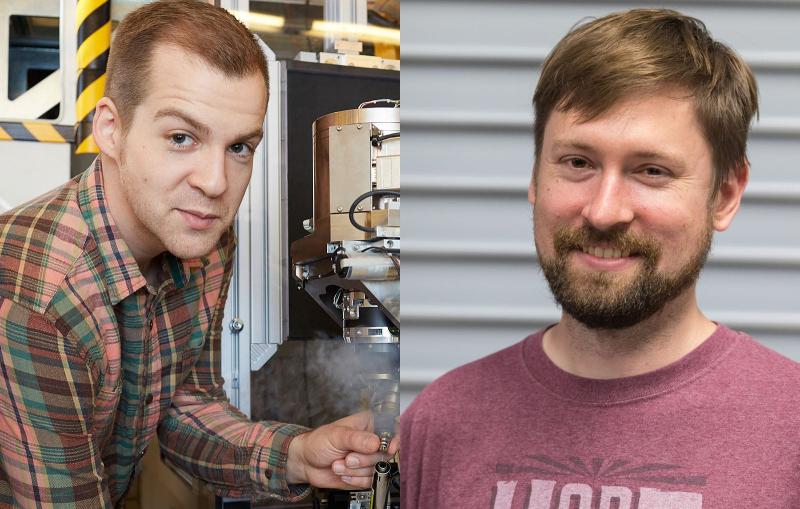
Over the next five years they’ll work on getting significantly more information about how catalysts work and improving biological imaging methods.

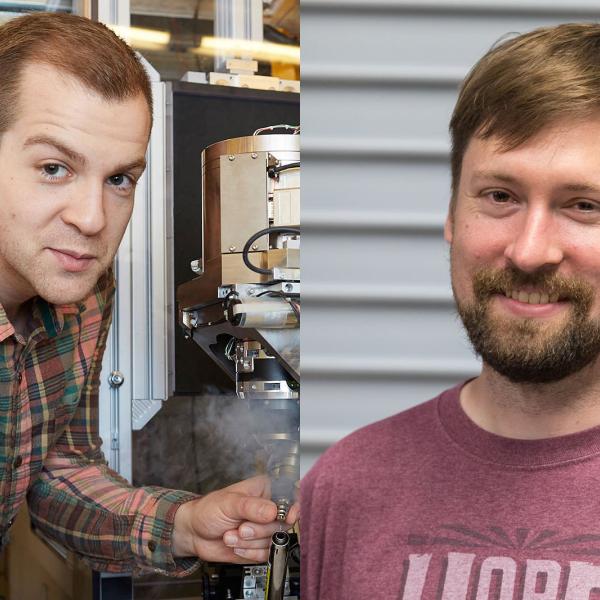
Cornelius Gati and Franklin Fuller, the 2017 Panofsky fellows at SLAC
Feature

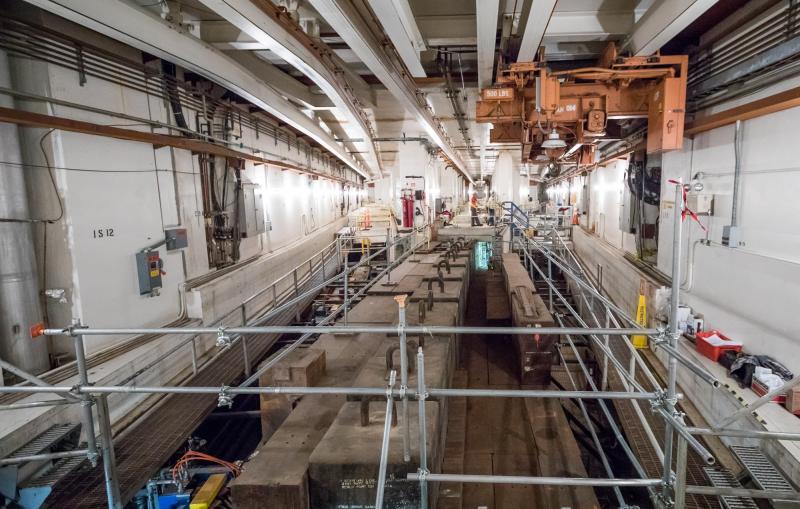
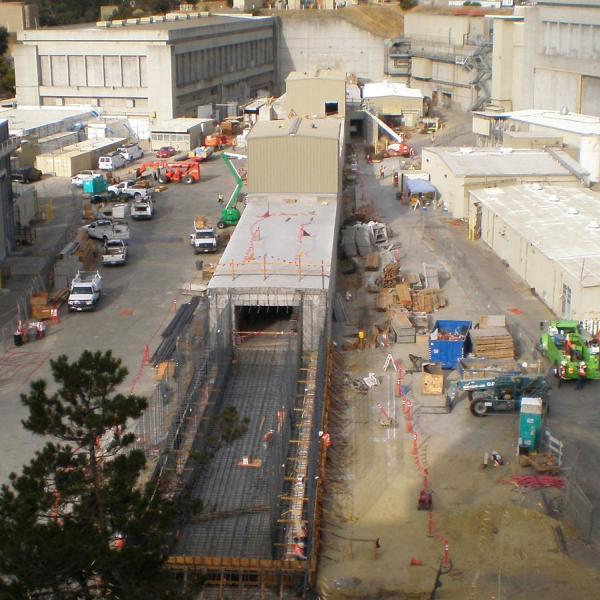
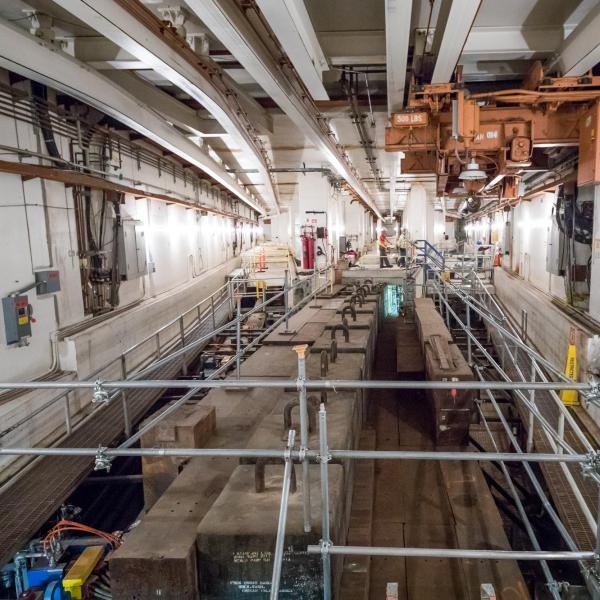
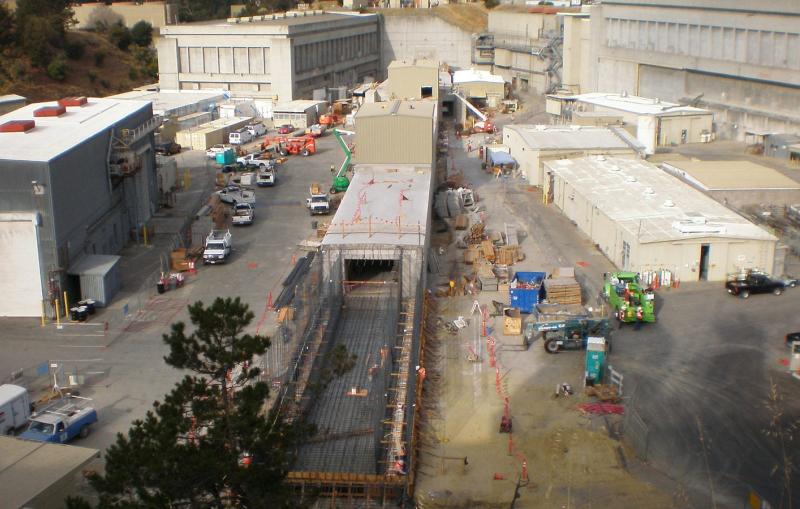
A makeover of the historic Beam Switch Yard prepares the lab for the installation of the LCLS X-ray laser upgrade.

photo of BSY - see caption