SLAC topics

High Energy Density Science Division (HEDS) RSS feed

SLAC scientists investigate the properties of warm dense matter, shocks, and high-intensity laser-plasma interactions.
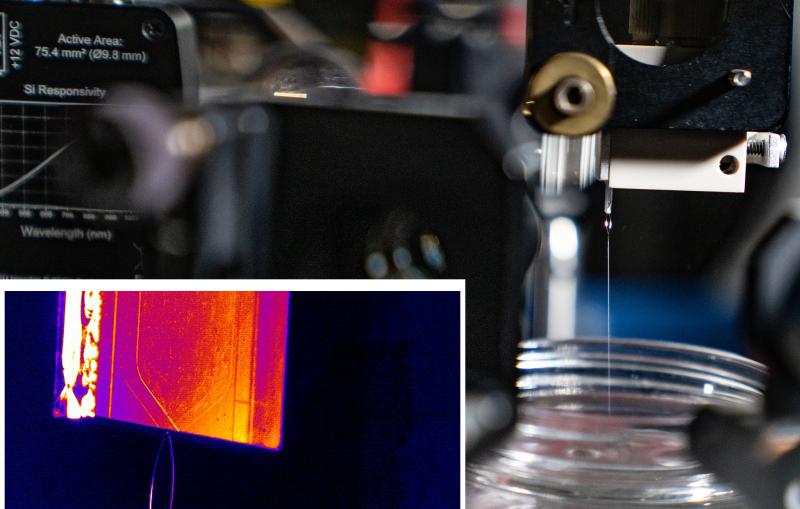
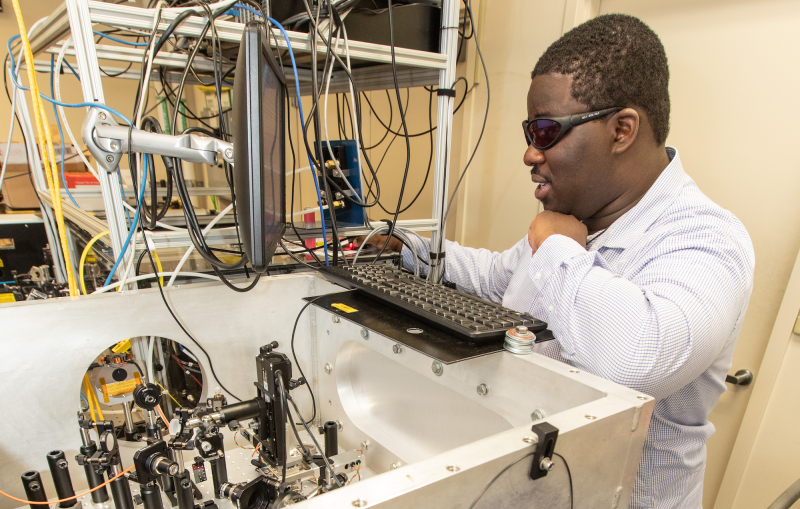
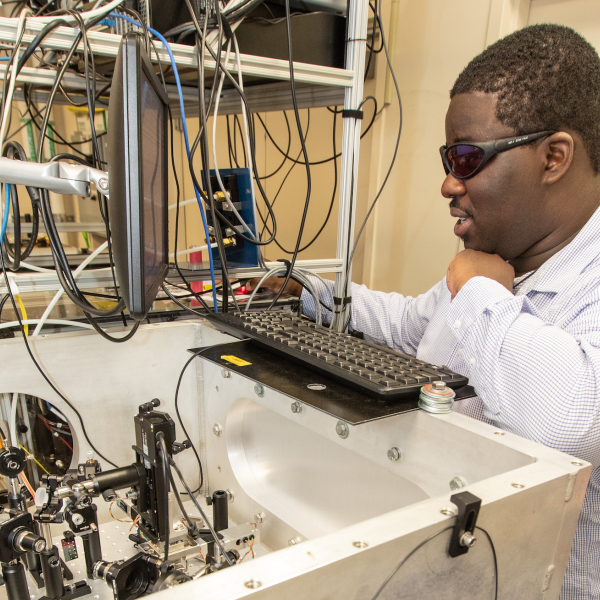
Demo with a water jet in a high energy density science laser lab.
Feature

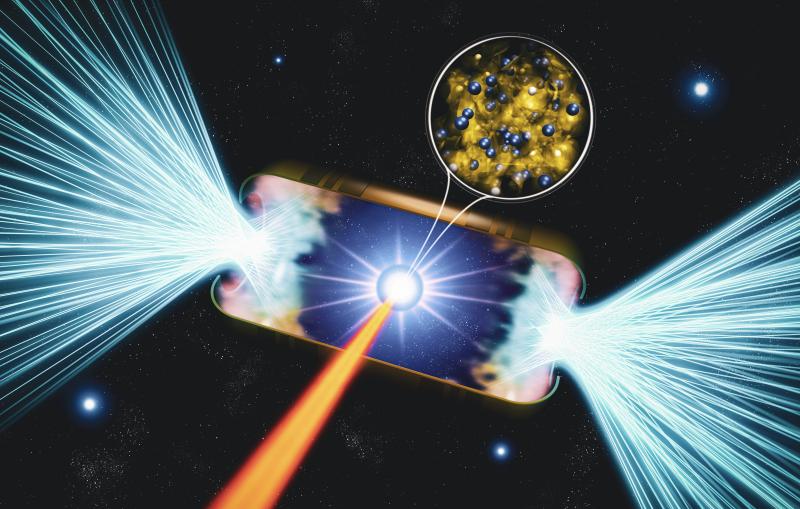
The results offer important implications for astrophysics and nuclear fusion research.

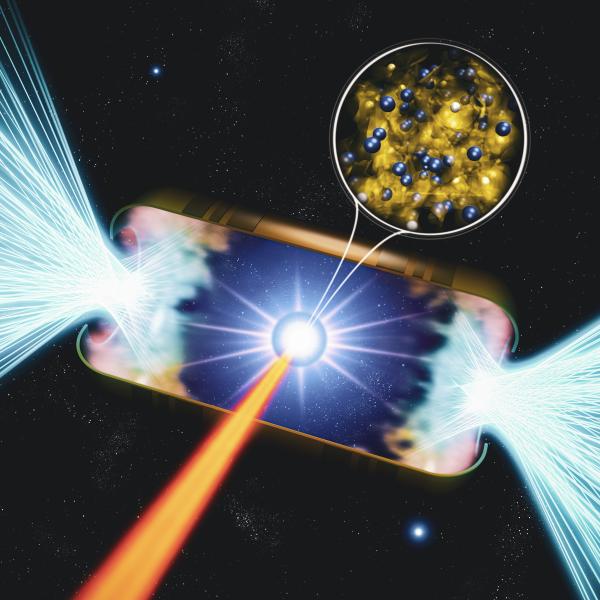
NIF experiment
Feature

They saw how the material finds a path to contorting and flexing to avoid being irreversibly crushed.

MEC silicon
News Release

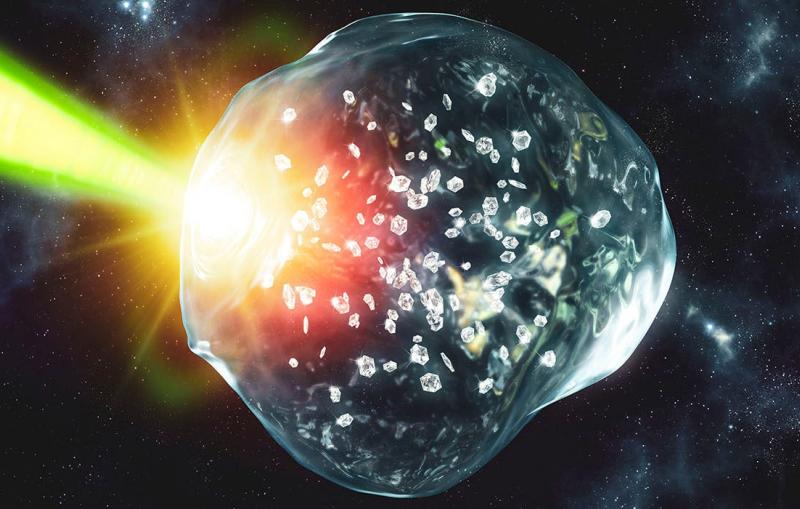
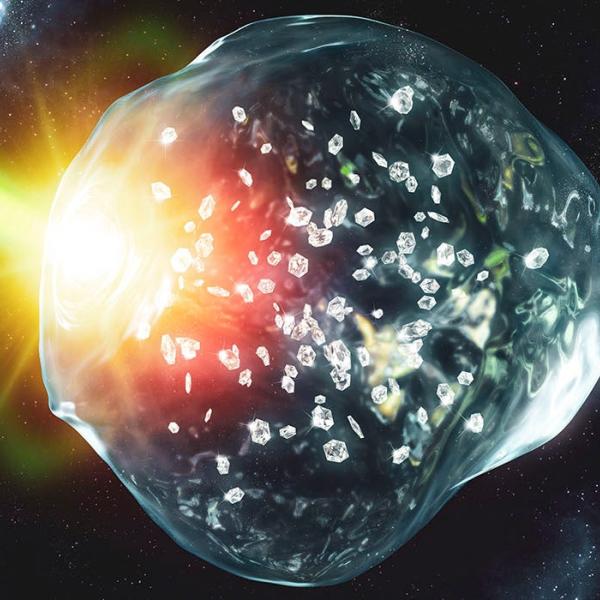
Studying a material that even more closely resembles the composition of ice giants, researchers found that oxygen boosts the formation of diamond rain.

Diamond rain formation
Feature

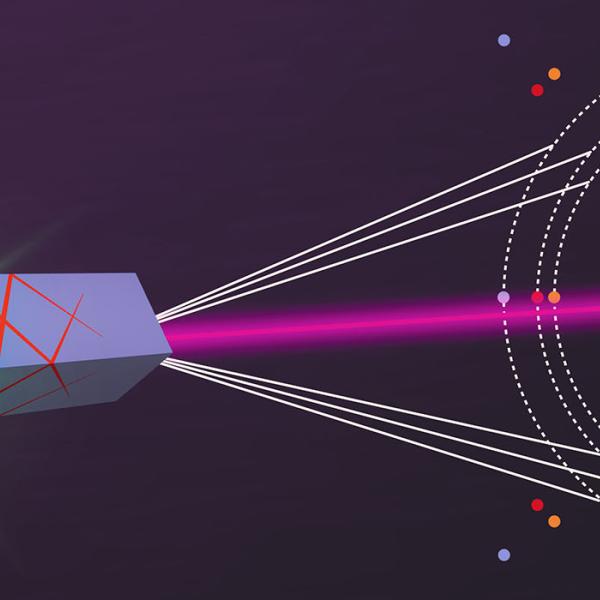
A laser compressing an aluminum crystal provides a clearer view of a material’s plastic deformation, potentially leading to the design of stronger nuclear fusion...

an abstract illustration of rippling waves made of shining dots
Feature

The research could lead to a better understanding of extreme astrophysical environments and the development of compact high-energy radiation sources for science.

high-energy electrons strengthen magnetic fields
Feature

From the invisible world of elementary particles to the mysteries of the cosmos, recipients of this prestigious award for early career scientists explore nature...

Panofsky fellows
Feature

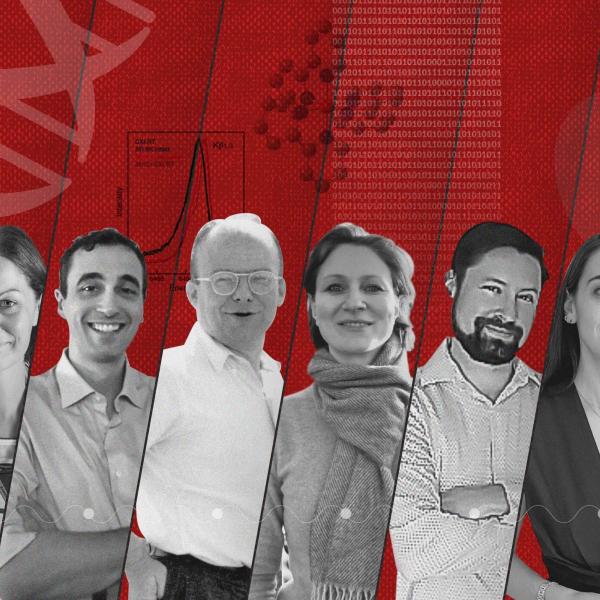
Edward Hohenstein, Emma McBride and Caterina Vernieri study what happens to molecules hit by light, recreate extreme states of matter like those inside stars...

Early Career Awardees 2021
Feature

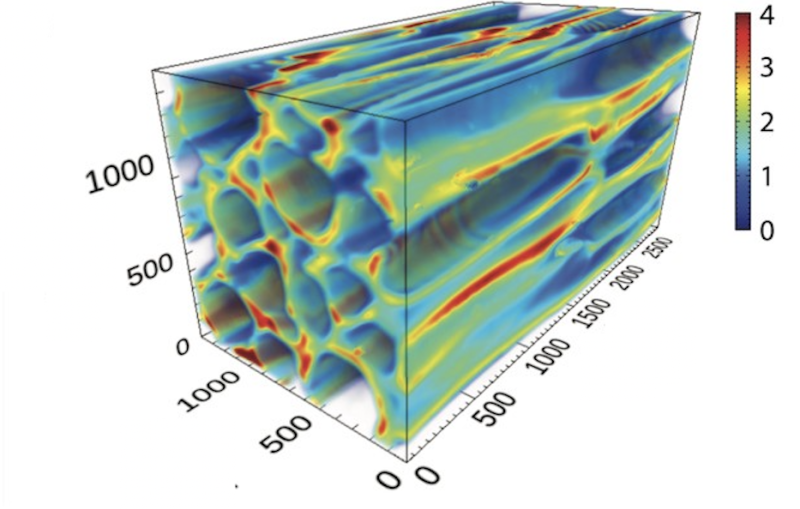
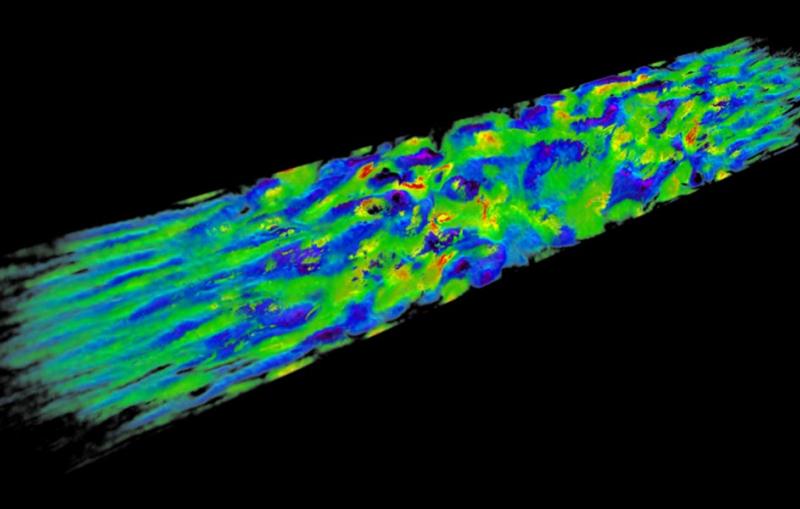
In experiments at the National Ignition Facility, a SLAC-led team found new details about how supernovas boost charged particles to nearly the speed of...

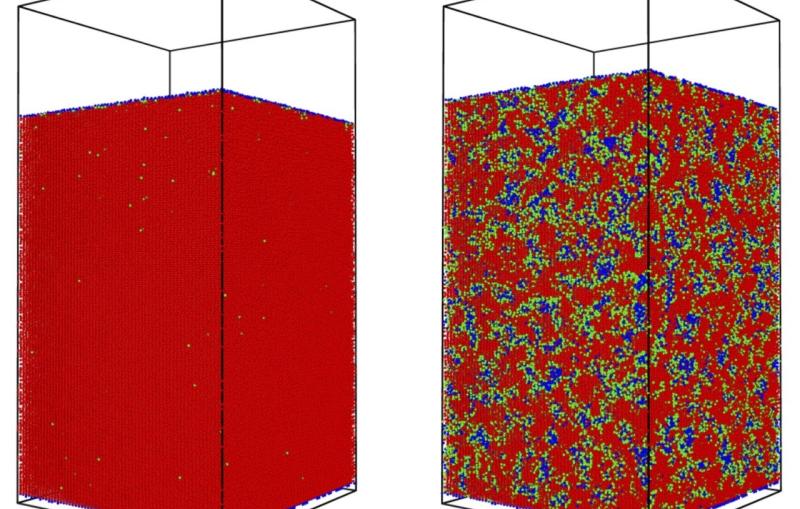
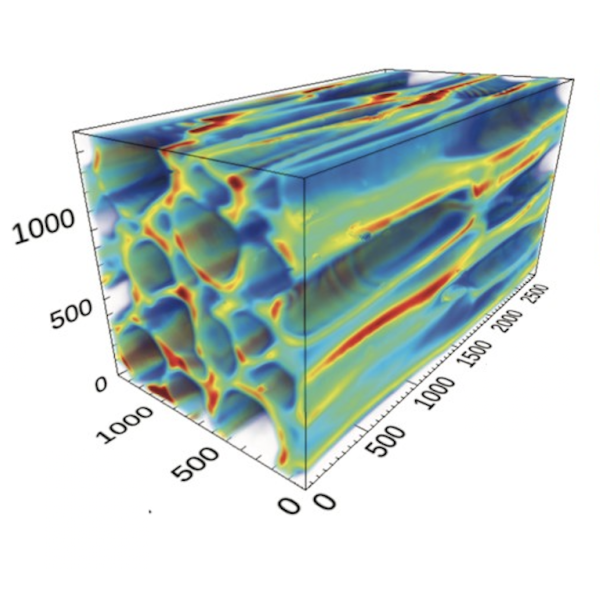
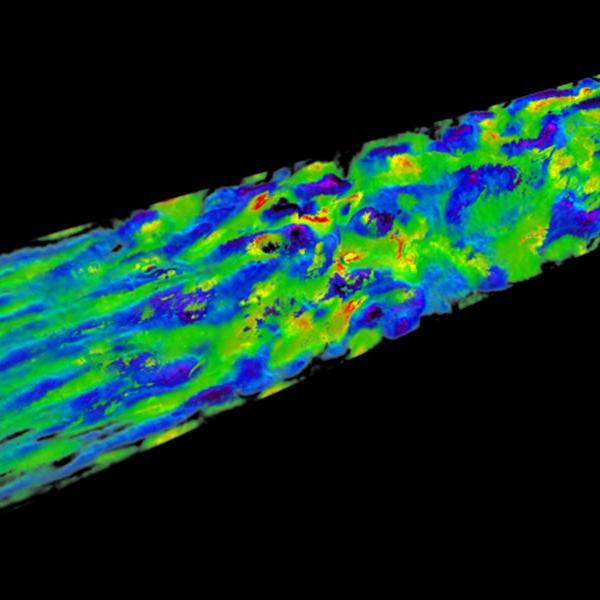
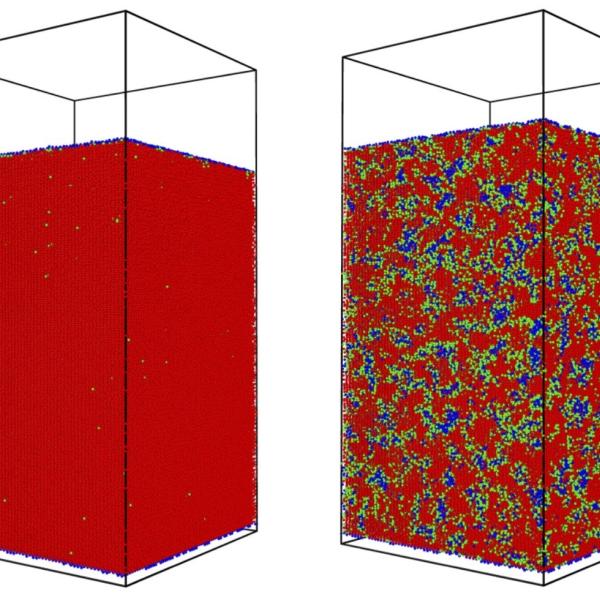
A computer simulation of the turbulent magnetic fields in two plasma shock waves, which were created in the lab to mimic astrophysical shocks.
Feature

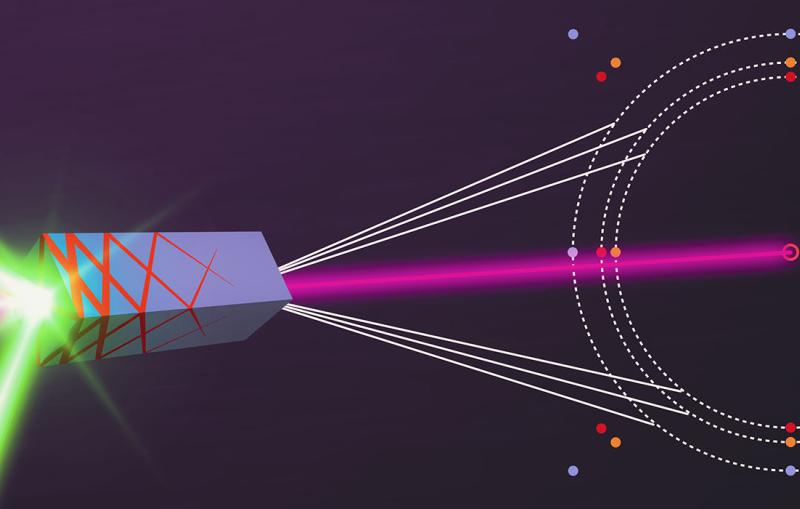
Siegfried Glenzer's team and collaborators from Tel Aviv University are working on a method that could make proton accelerators 100 times smaller without giving...

Glenzer-LaserProtonAcceleration
Feature

Chemist Ben Ofori-Okai investigates what happens to matter under extreme conditions at microscopic scales to better understand its behavior at massive scales, such as...

Ben Ofori-Okai
Feature

The SLAC scientists will each receive $2.5 million for their research on fusion energy and advanced radiofrequency technology.

Gleason-Gamzina-ECA2019
Feature

SLAC’s ‘electron camera’ films rapidly melting tungsten and reveals atomic-level material behavior that could impact the design of future reactors.

Tungsten melting