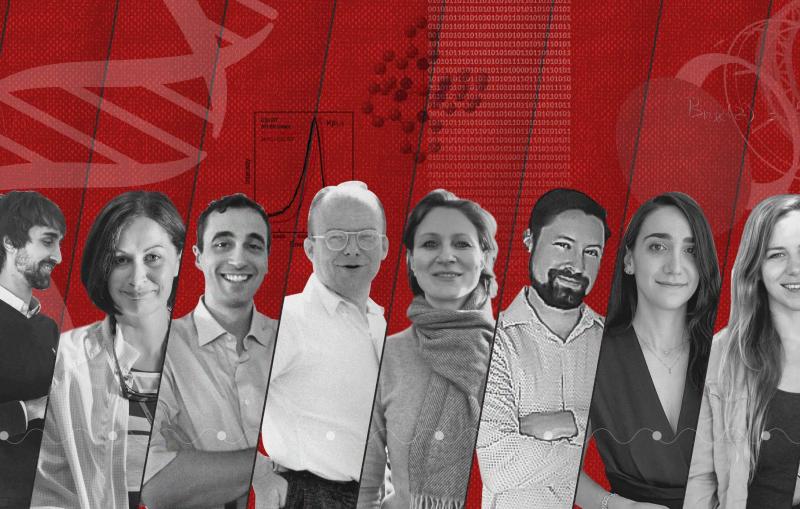
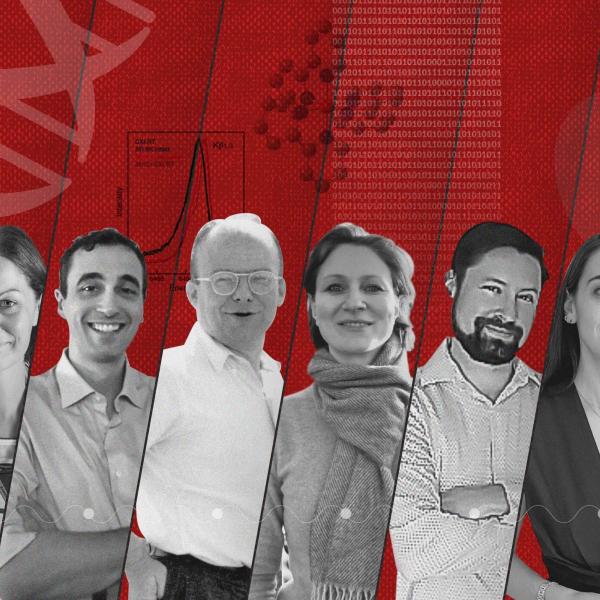
Edelen draws on machine learning to fine tune particle accelerators, while Kurinsky develops dark matter detectors informed by quantum information science.
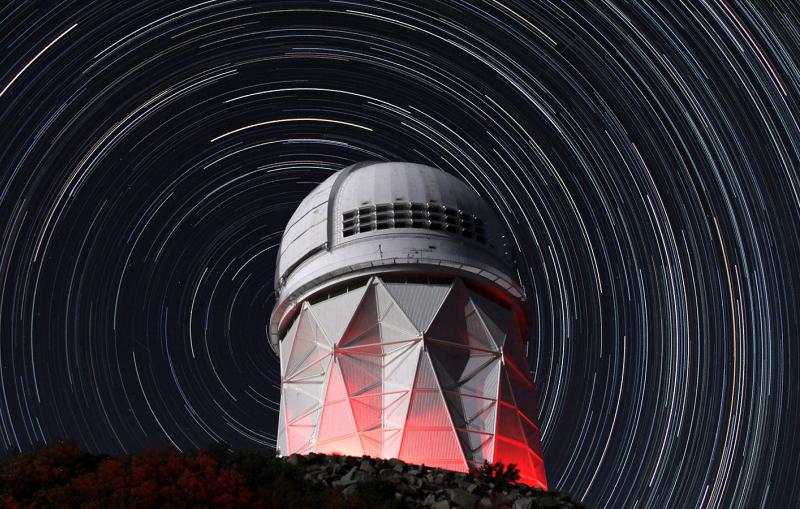
Managing the unprecedented amount of data that will soon stream from Rubin Observatory means more than buying tons of hard drives. SLAC scientist Richard...
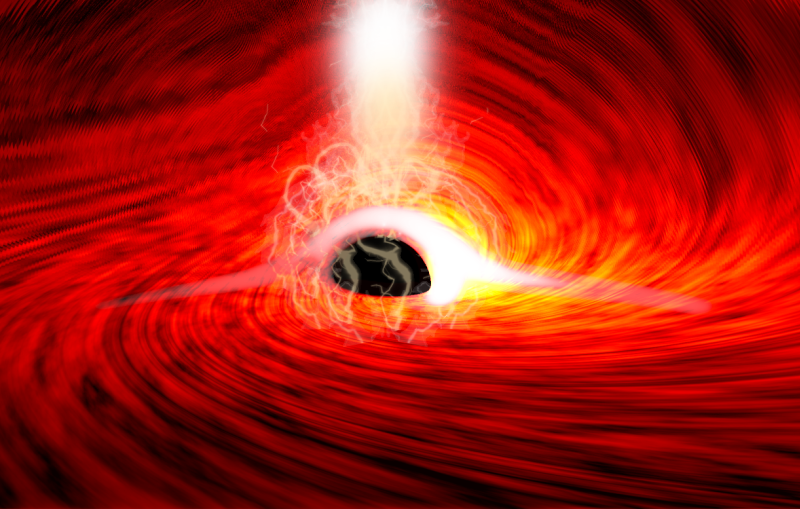
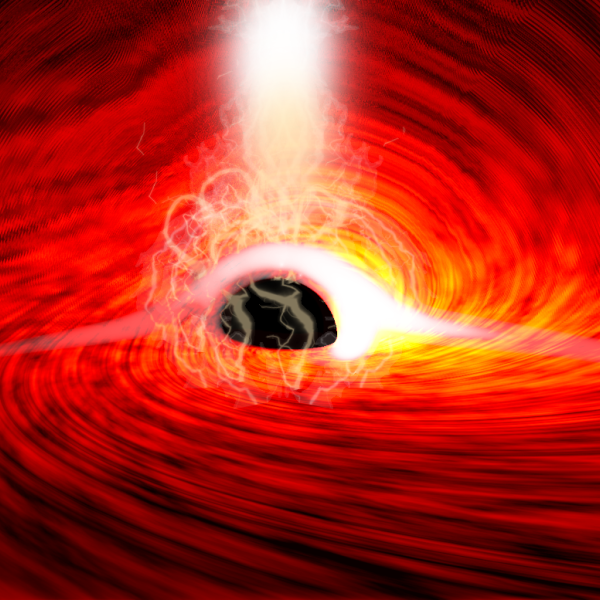
Fulfilling a prediction of Einstein’s theory of General Relativity, researchers report the first-ever recordings of X-ray emissions from the far side of a black...
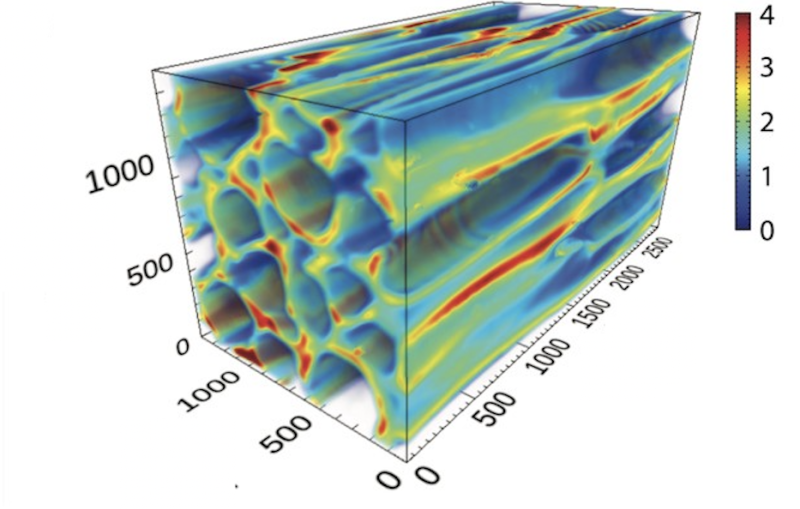
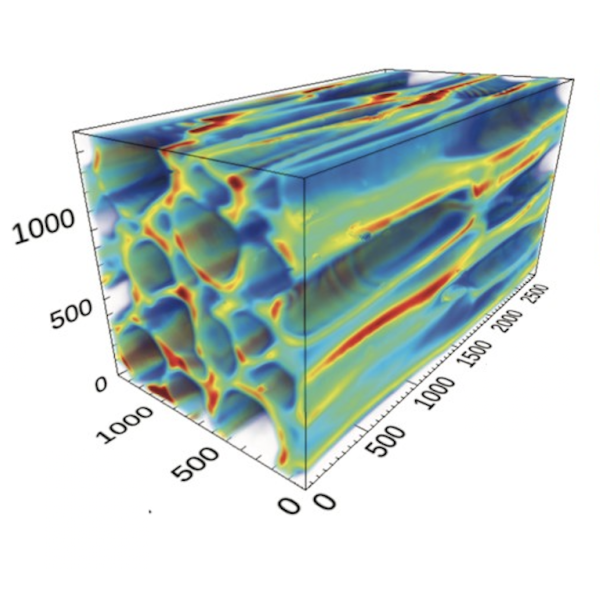
The research could lead to a better understanding of extreme astrophysical environments and the development of compact high-energy radiation sources for science.
Bernhard Mistlberger has developed new methods to make Standard Model predictions more precise than ever. The European Physical Society recently awarded him the 2021...
From the invisible world of elementary particles to the mysteries of the cosmos, recipients of this prestigious award for early career scientists explore nature...
Edward Hohenstein, Emma McBride and Caterina Vernieri study what happens to molecules hit by light, recreate extreme states of matter like those inside stars...
Edelen draws on machine learning to fine tune particle accelerators, while Kurinsky develops dark matter detectors informed by quantum information science.
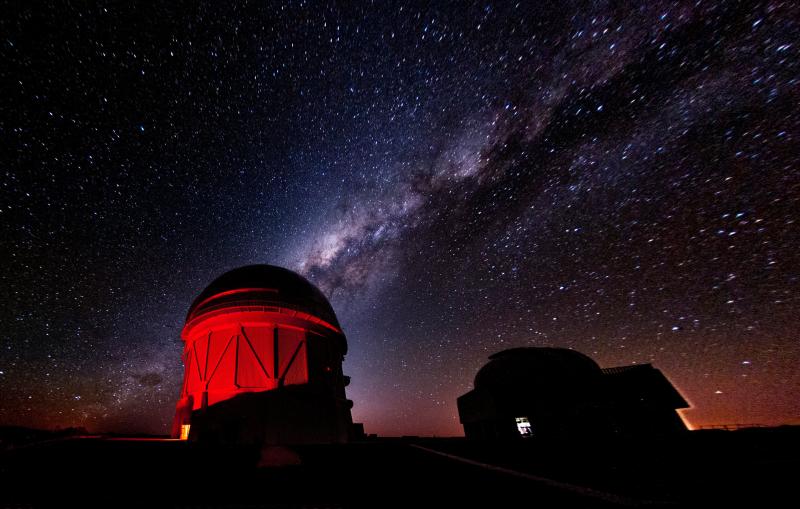
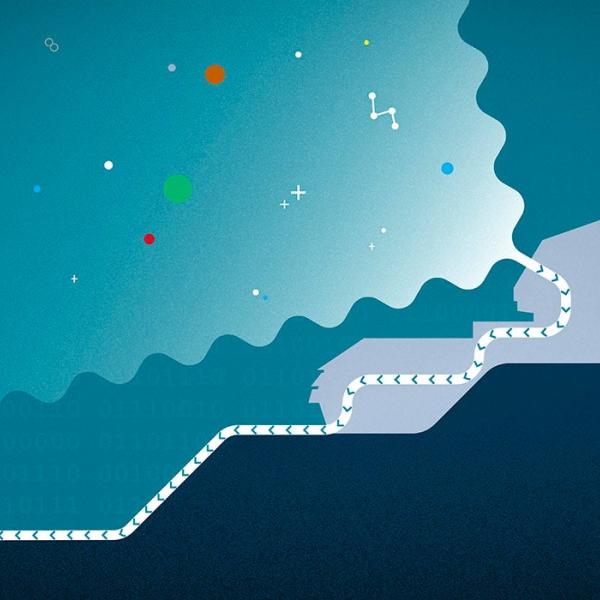
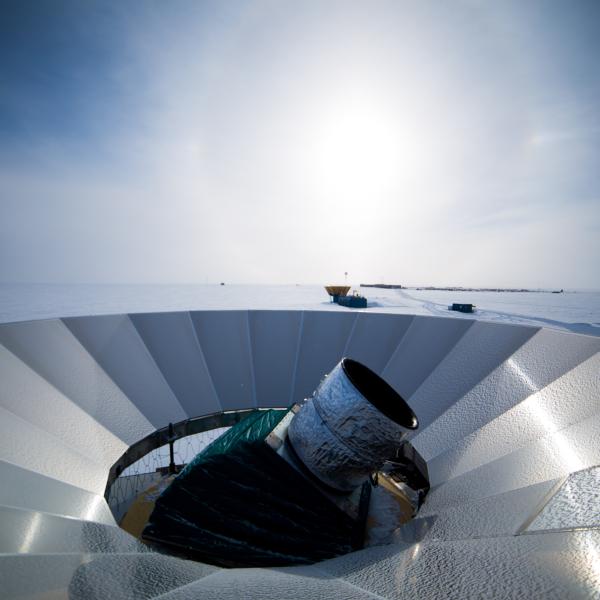
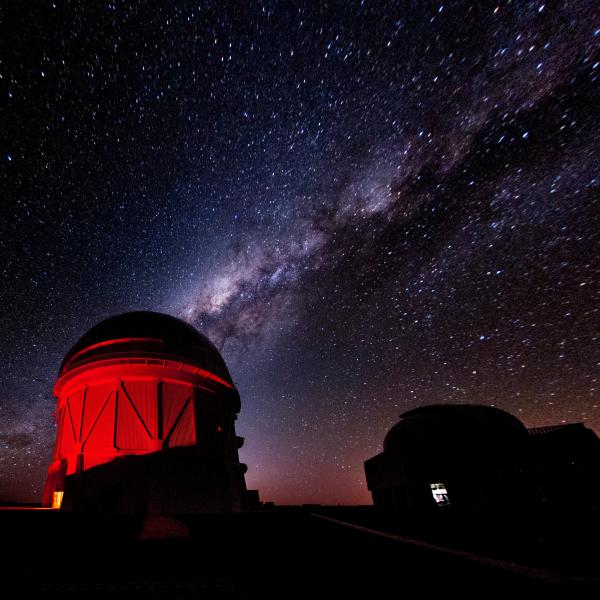
The Rubin Observatory's LSST Camera will take enormously detailed images of the night sky from atop a mountain in Chile. Down below the mountain, high-speed computers will send the data out into the world. What happens in between?
This month marks the 30-year anniversary of the first website in North America, launched at SLAC. In this Q&A, one of the Wizards recalls the motivation that spawned the development and how it has changed the work of scientists.
Managing the unprecedented amount of data that will soon stream from Rubin Observatory means more than buying tons of hard drives. SLAC scientist Richard Dubois explains what will go into Rubin’s U.S. data facility.
Fulfilling a prediction of Einstein’s theory of General Relativity, researchers report the first-ever recordings of X-ray emissions from the far side of a black hole.
The research could lead to a better understanding of extreme astrophysical environments and the development of compact high-energy radiation sources for science.
Bernhard Mistlberger has developed new methods to make Standard Model predictions more precise than ever. The European Physical Society recently awarded him the 2021 Gribov Medal for his contributions.
From the invisible world of elementary particles to the mysteries of the cosmos, recipients of this prestigious award for early career scientists explore nature at every level.
Edward Hohenstein, Emma McBride and Caterina Vernieri study what happens to molecules hit by light, recreate extreme states of matter like those inside stars and planets, and search for new physics phenomena at the most fundamental level.
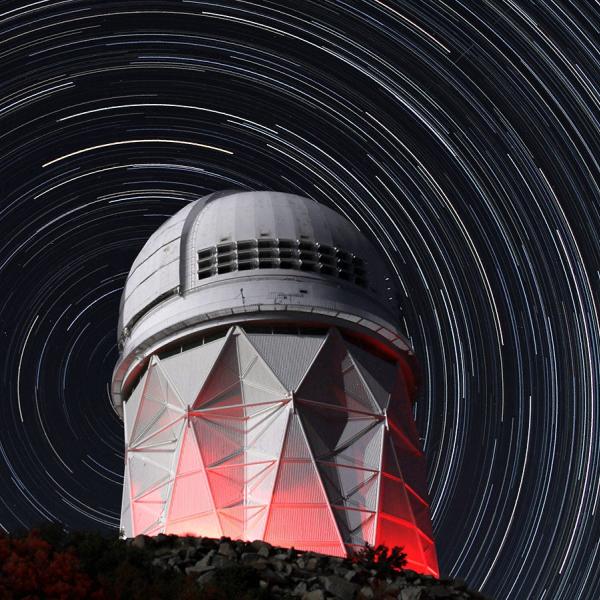
An analysis of the first three years of Dark Energy Survey data is consistent with predictions from the current best model of the universe. Nevertheless, hints remain from DES and other experiments that matter in the current universe is a...