SLAC topics

Fundamental physics RSS feed

SLAC fundamental physics researchers study everything from elementary particles produced in accelerators to the large-scale structure of the universe. 

Browse tagged content

Fundamental physics concept illustration
Feature

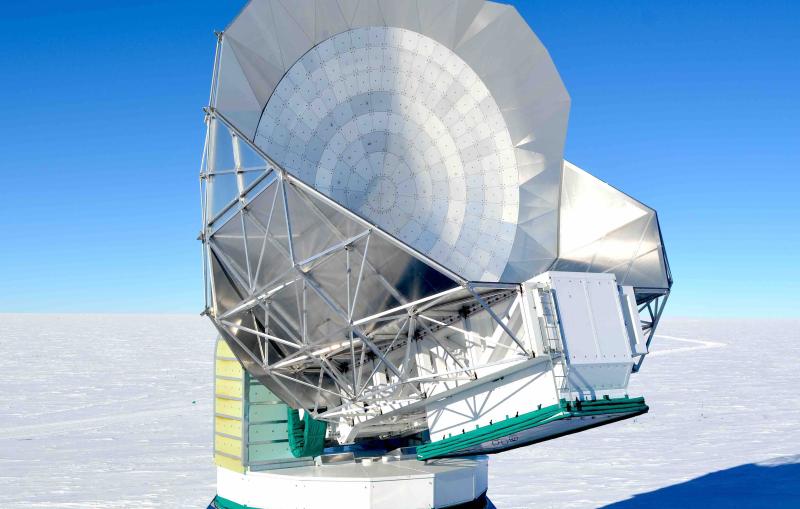
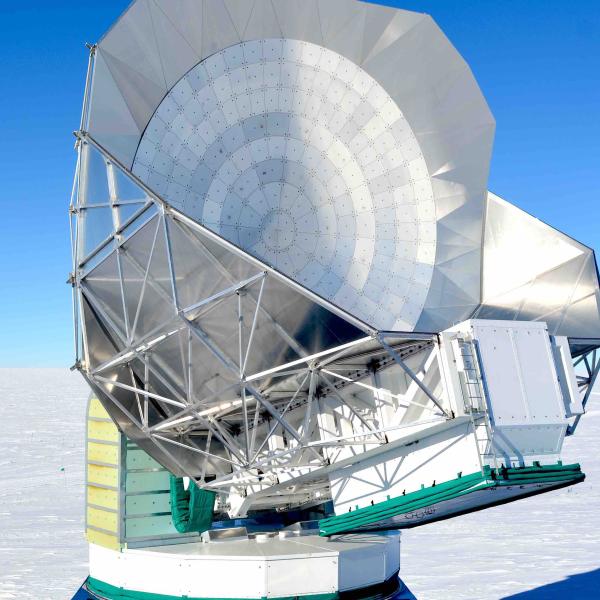
Line intensity mapping measurements taken with a new instrument will allow astrophysicists to study galaxies too far away for traditional methods.

The South Pole Telescope
Feature

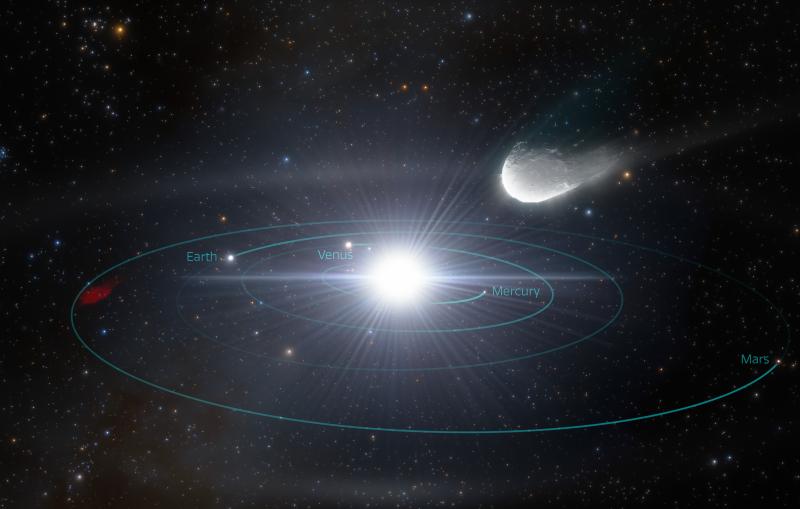
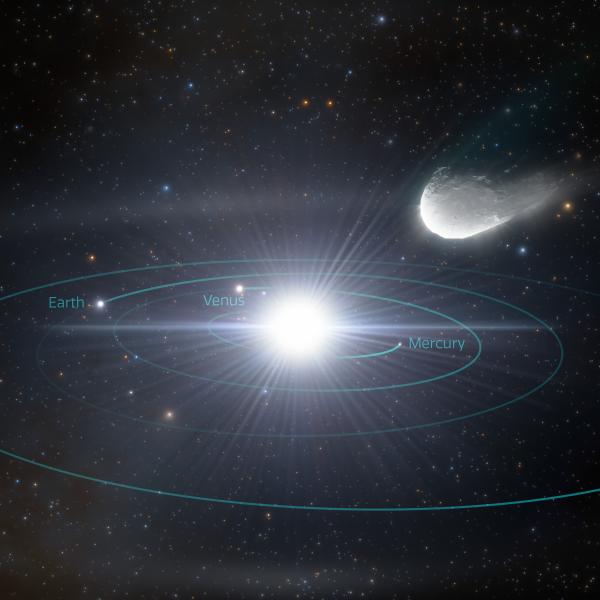
Vera C. Rubin Observatory’s Legacy Survey of Space and Time will revolutionize Solar System science by revealing a population of previously undiscovered interstellar comets...

An illustration of an interstellar object approaching our solar system.
Feature

Leora Dresselhaus-Marais, Claudio Emma,  Bernhard Mistlberger and Johanna Nelson Weker will pursue cutting-edge research into decarbonizing steel production, theoretical physics, generating more intense particle...

This photo shows all four recipients from SLAC and Stanford of the DOE's 2023 Early Career Award
Feature

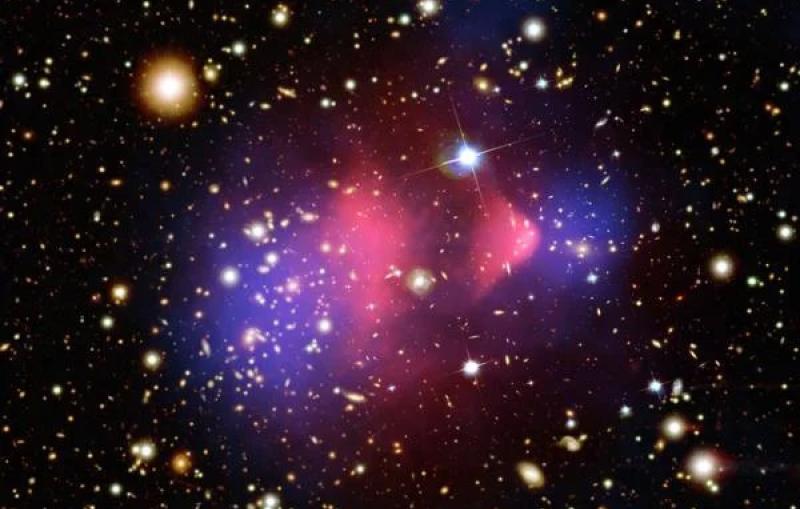
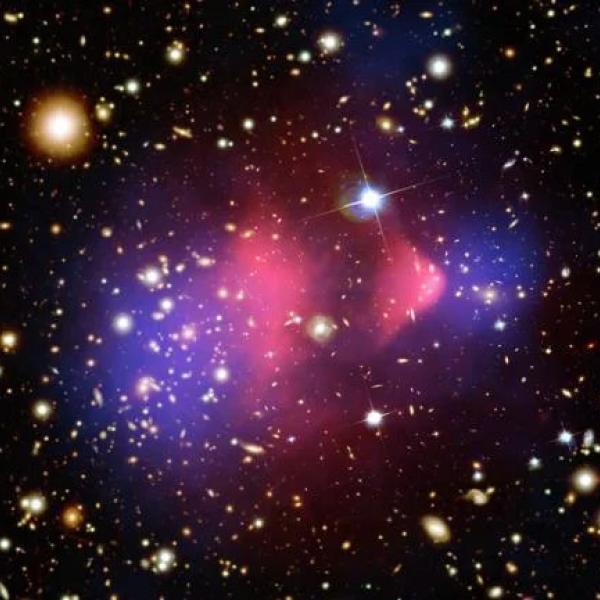
The reanalysis considered new types of particle collisions and how dark matter particles interact with the Earth. 

clusters of galaxies collide showing separation of dark matter
Feature

It takes a lot of meetings, travel logistics and even tracking down some parts to keep a large team collaborating on a project like...

A portrait of Regina Matter.
Feature

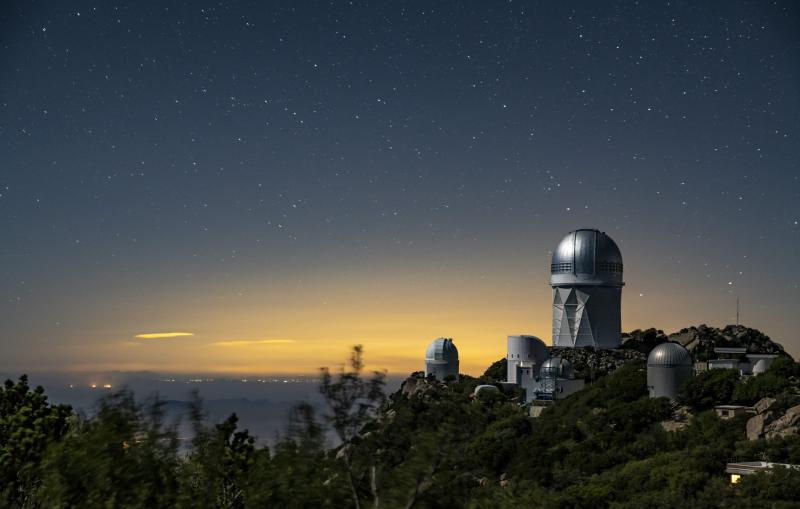
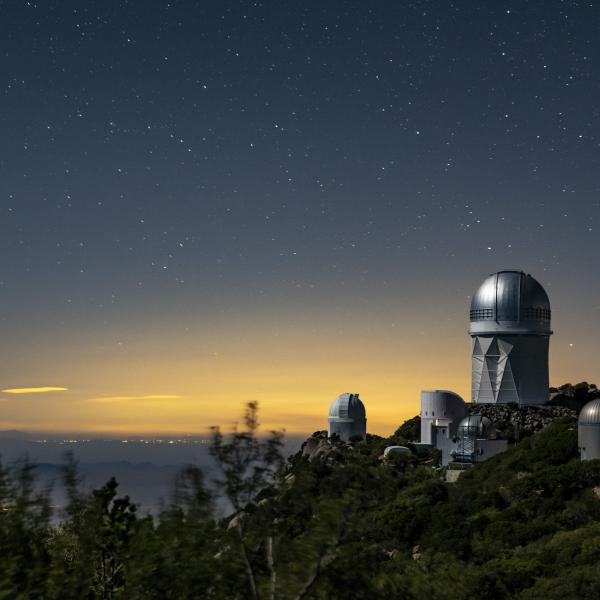
The first batch of data from the Dark Energy Spectroscopic Instrument is now available for researchers to mine. Taken during the experiment’s “survey validation”...

A telescope building sits atop a mountain in twilight.
Feature

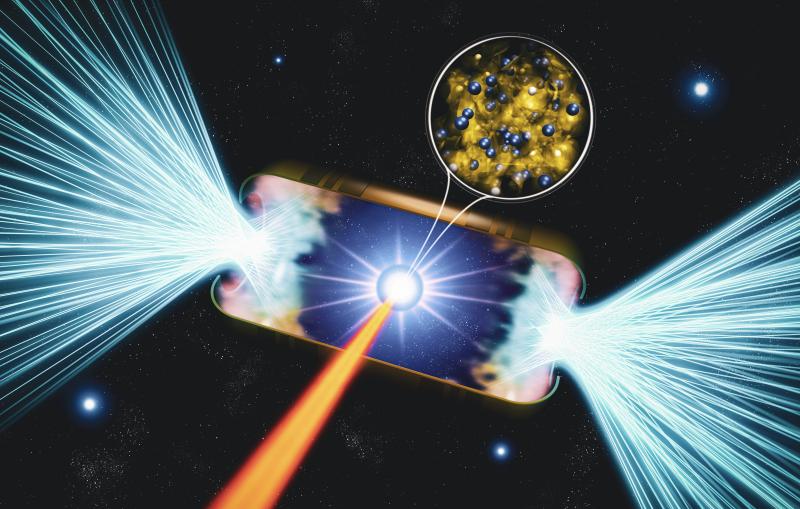
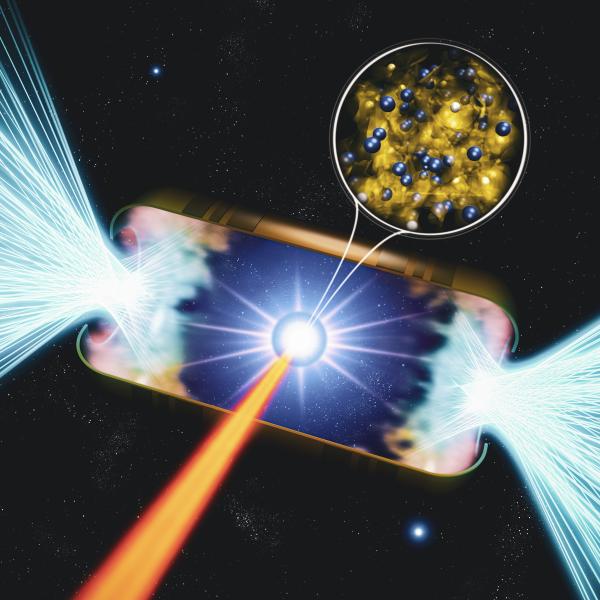
The results offer important implications for astrophysics and nuclear fusion research.

NIF experiment
Feature

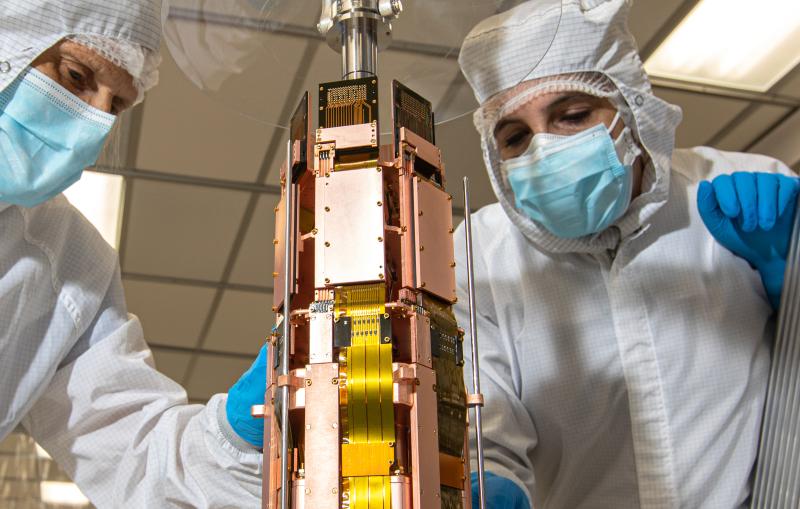
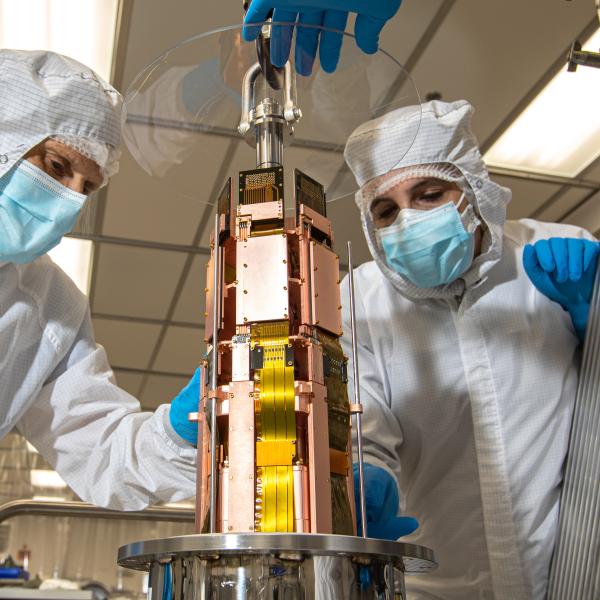
The first pair of towers are now at the Ontario facility, where they'll further the hunt for dark matter particles.

SuperCDMS tower
Feature

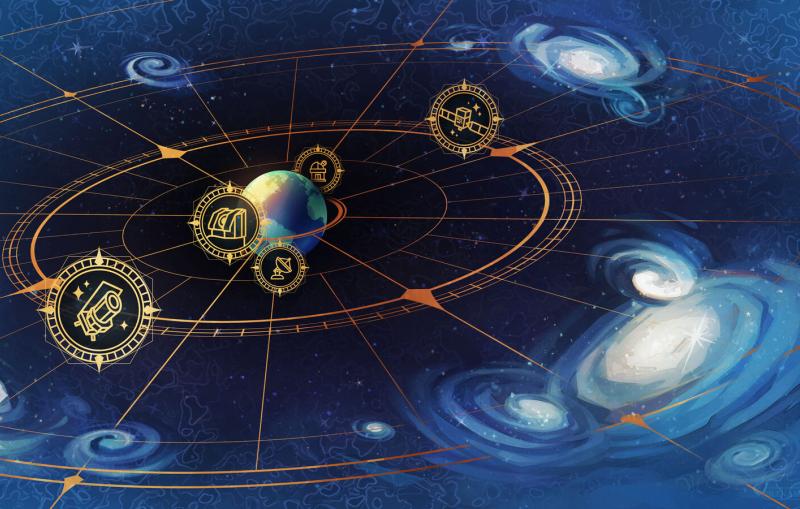
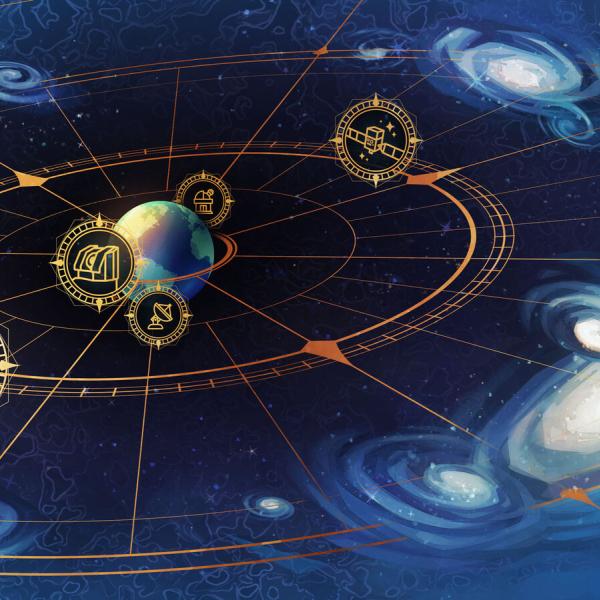
Just because matter is visible doesn’t mean it’s easy to see.

Illustration of Earth and galaxies with icons representing telescopes.
Feature

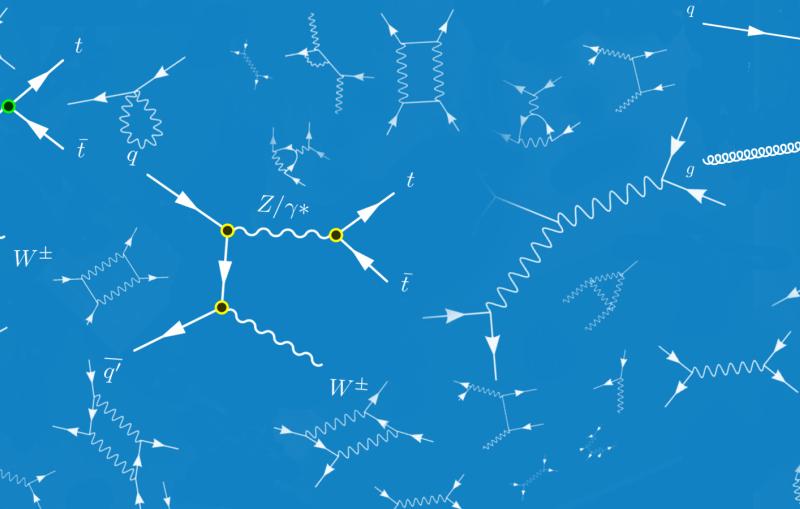
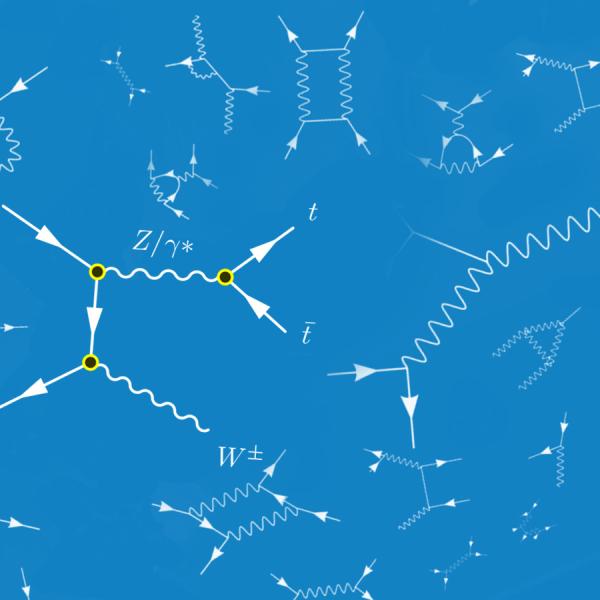
The ATLAS experiment measured more than expected of a trio of particles in the aftermath of proton collisions. The results will refine physicists’ understanding...

A series of straight and squiggly lines representing interactions between elementary particles such as quarks.
Feature

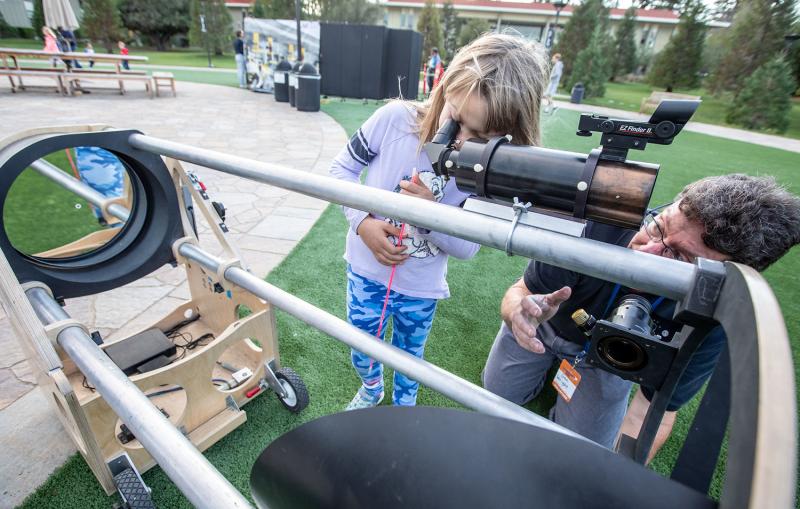
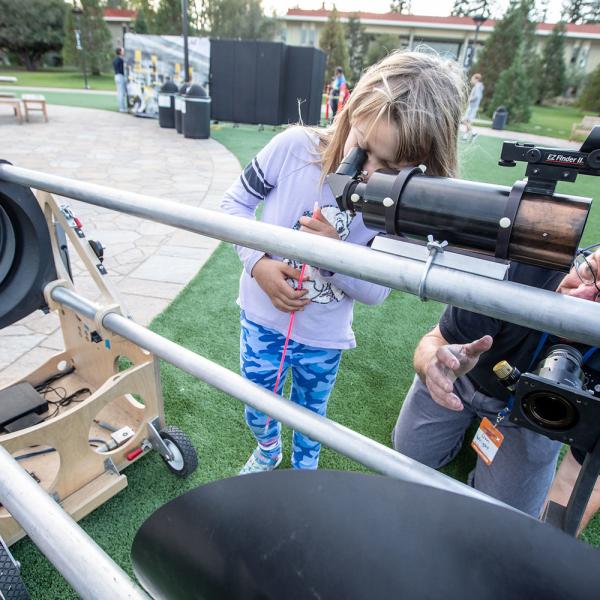
An astronomy festival will mark the milestone.

Visitors at KIPAC are observing the sun through telescopes and sun-spotters.
News Brief

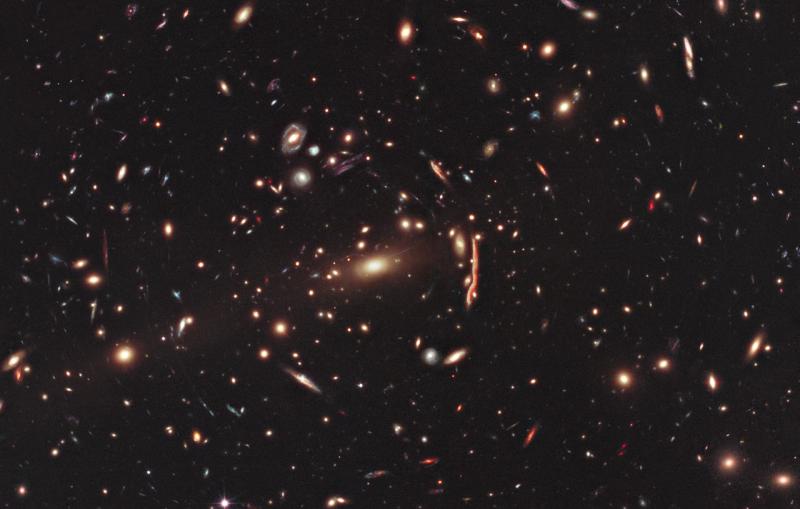
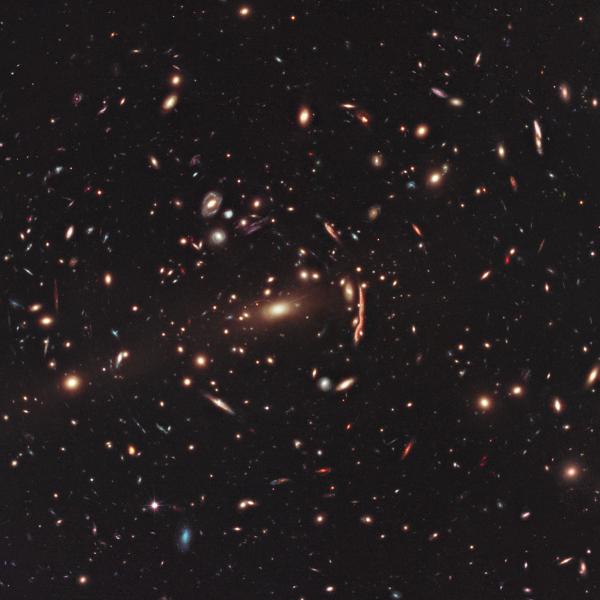
A new study probing the structure and evolution of galaxy clusters shows good agreement with the predictions of standard cosmological models. 

A cluster of bright galaxies on a black background.