SLAC topics

Fundamental physics RSS feed

SLAC fundamental physics researchers study everything from elementary particles produced in accelerators to the large-scale structure of the universe. 

Browse tagged content

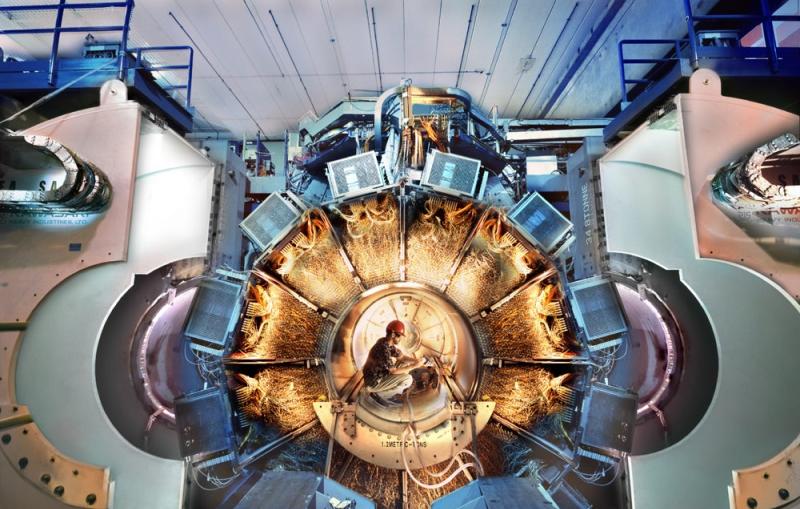
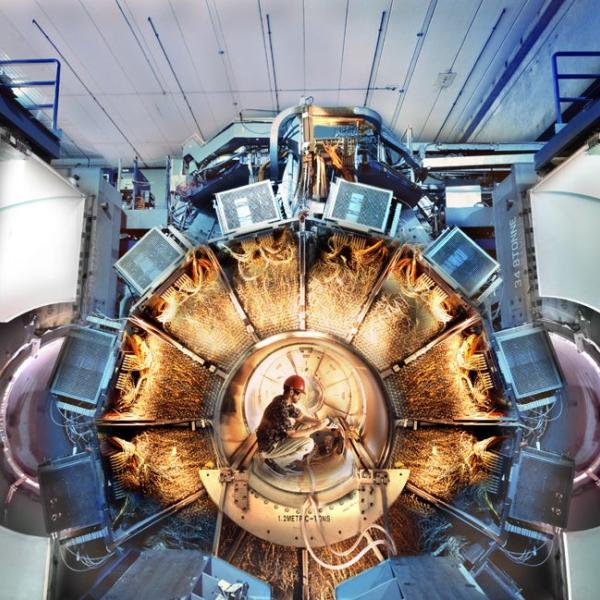
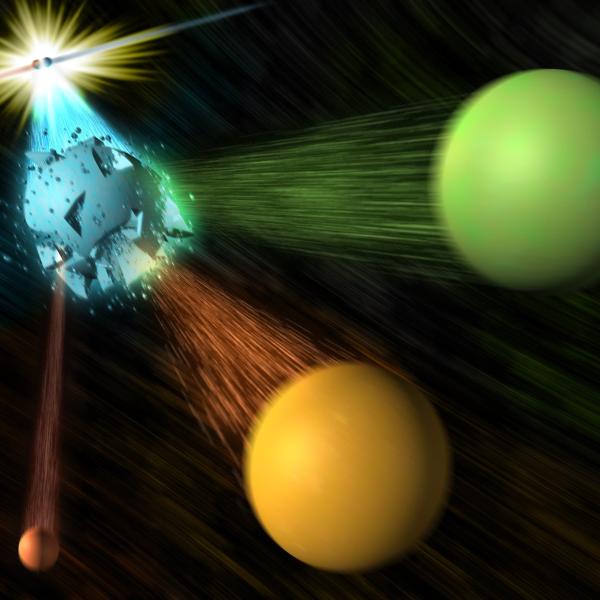
Fundamental physics concept illustration
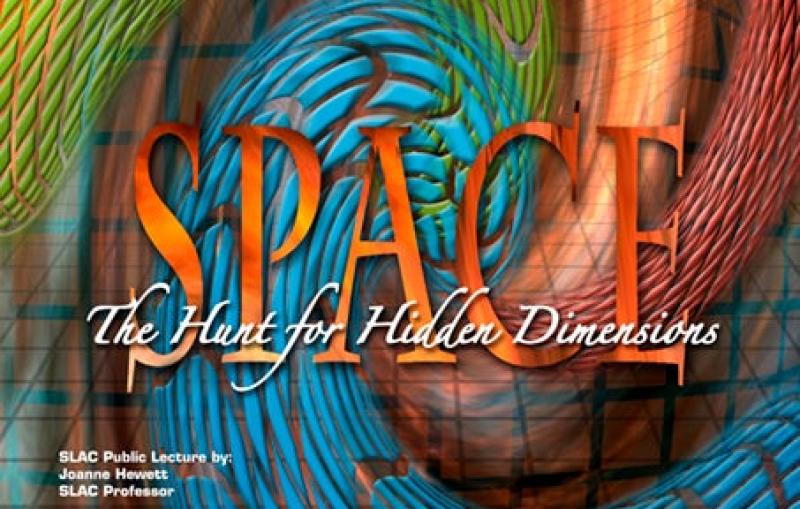
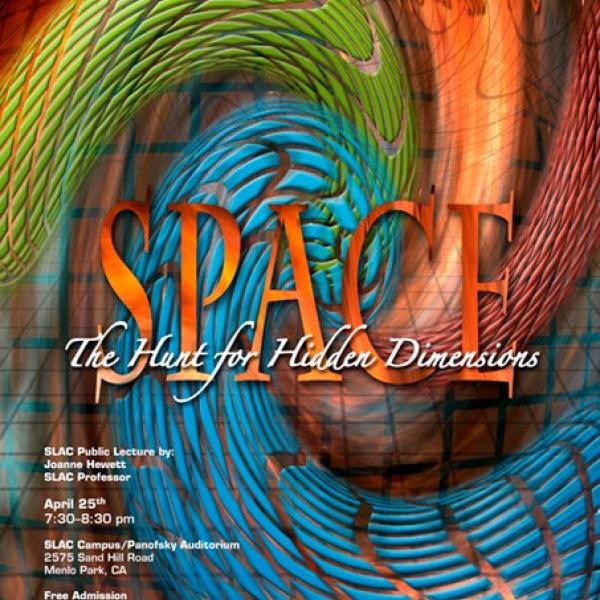
Public Lecture Poster
Space: The Hunt for Hidden Dimensions
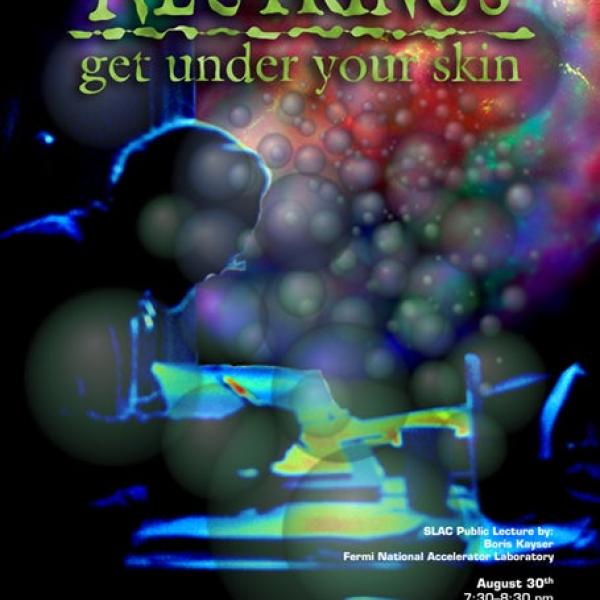
Public Lecture Poster
Neutrinos Get Under Your Skin
Feature

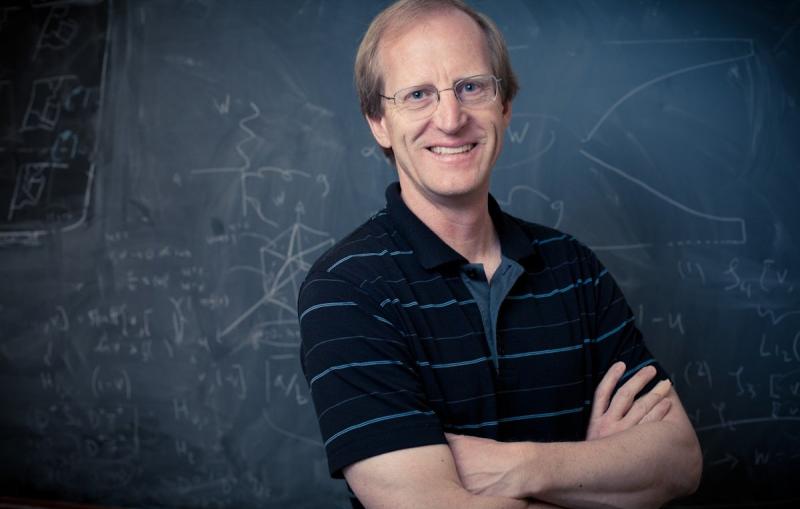
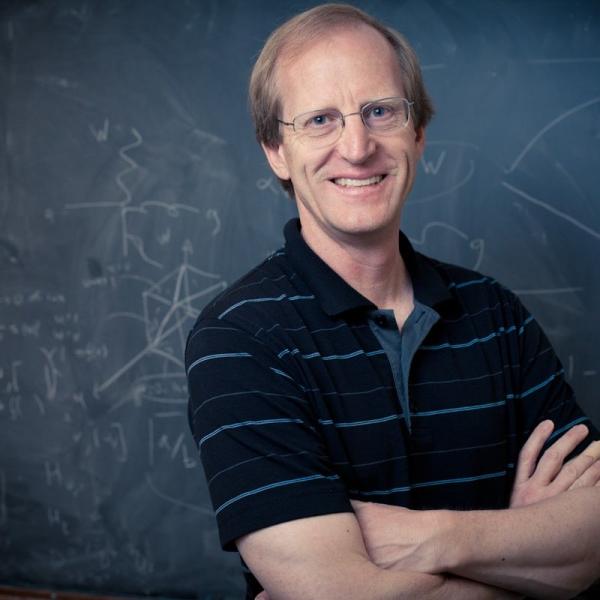
SLAC particle theorist Lance Dixon has been named co-winner of the 2014 J.J. Sakurai Prize for Theoretical Particle Physics, awarded each year by the...

Photo – SLAC particle theorist Lance Dixon, one of th...
Feature

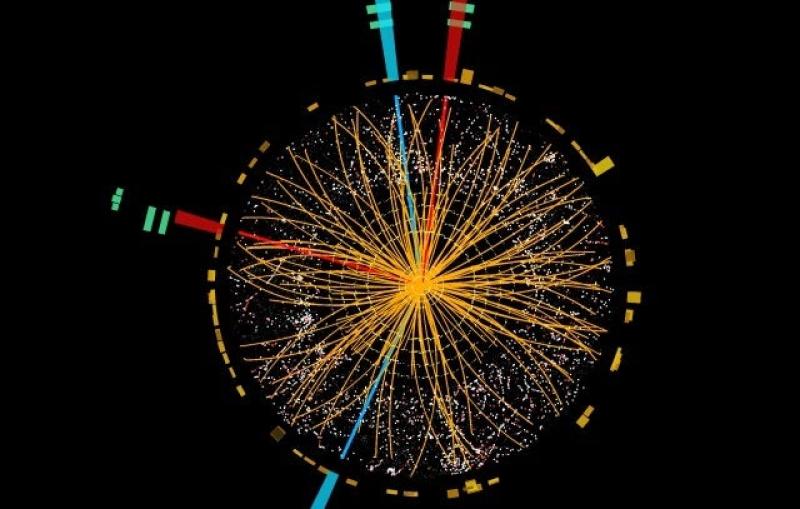
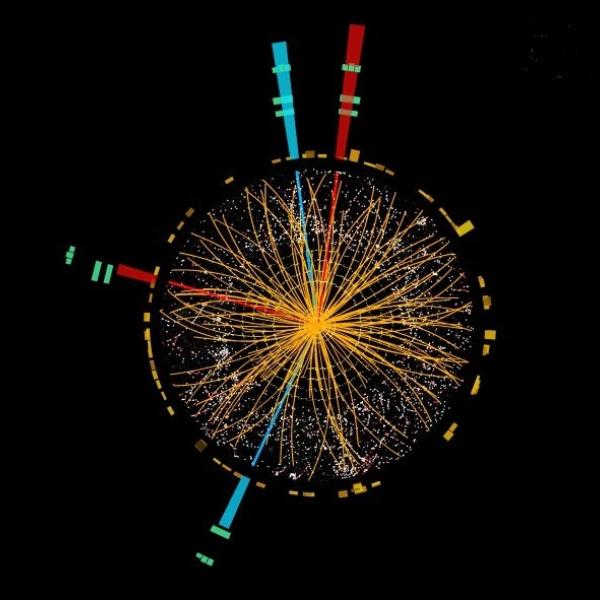
The Nobel Prize in physics has been awarded to theorists Peter Higgs and Francois Englert to recognize their work developing the theory of what...

ATLAS event display of a Higgs to four electrons candidate event. (courtesy CERN)
Feature

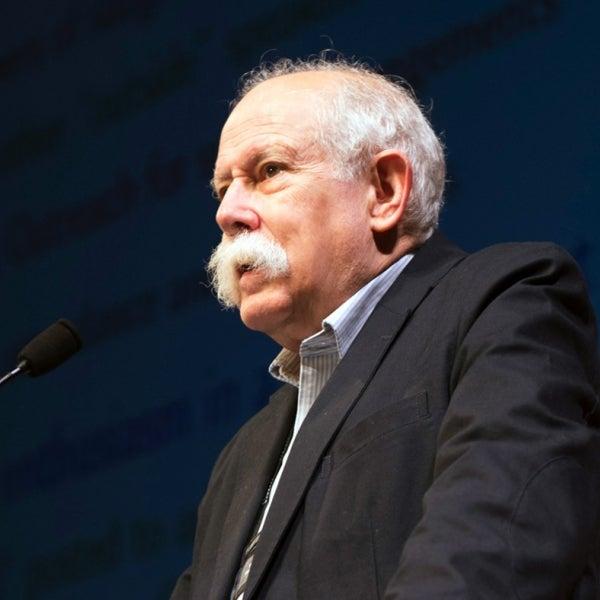
Three theoretical physicists have taken an important step toward eliminating theoretical ambiguities from the staggeringly complicated mathematics used to explore the interactions of quarks...

SLAC particle theorist Stan Brodsky (Matt Beardsley/SLAC)
Video
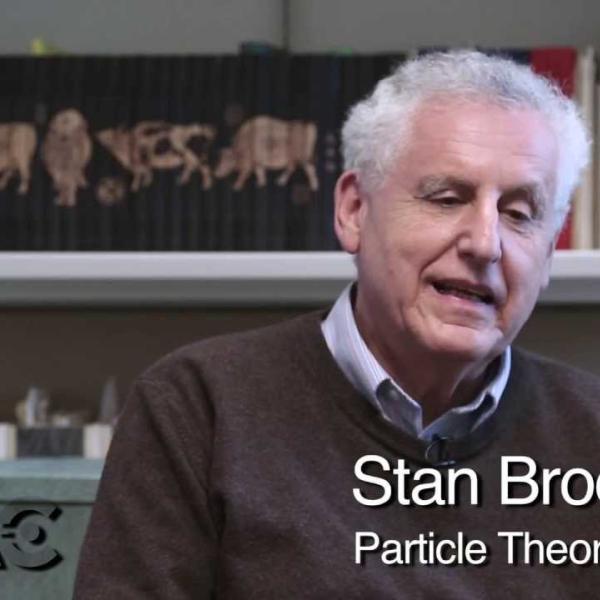
SLAC particle theorist Stan Brodsky has learned how to dive into the equations of particle physics to look for deeper meaning.
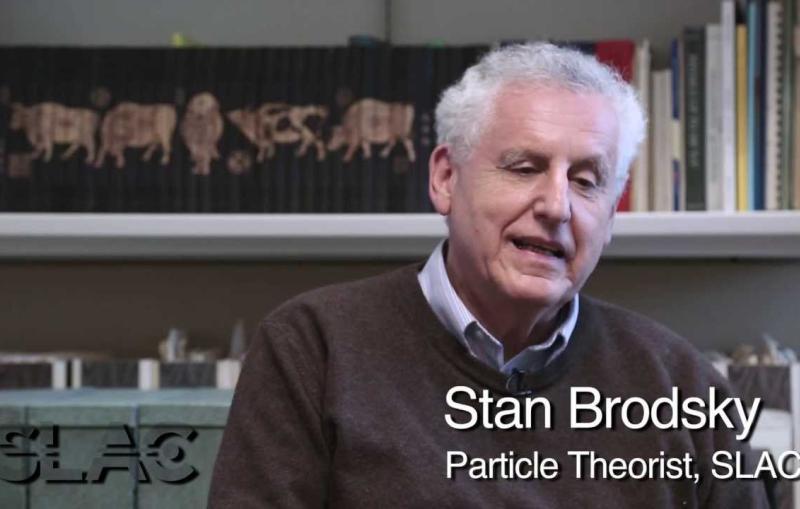
video stillframe of Stan Brodsky
Video
Feature

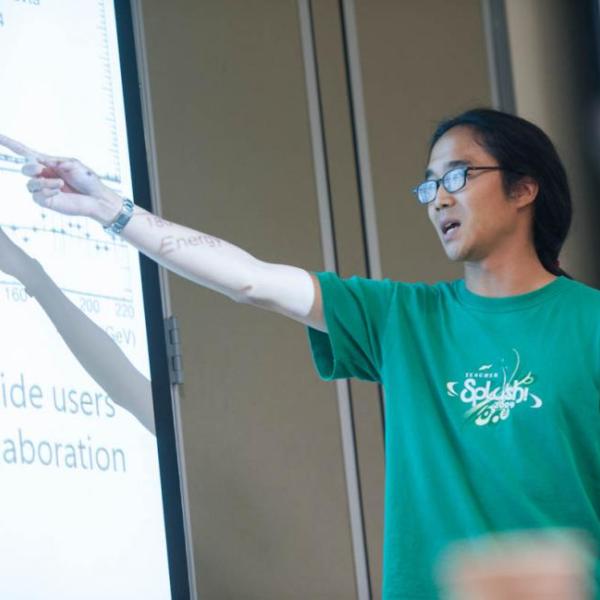
For the 41st annual Particle Physics & Astrophysics Department’s SLAC Summer Institute (SSI), organizers introduced a successful new feature.

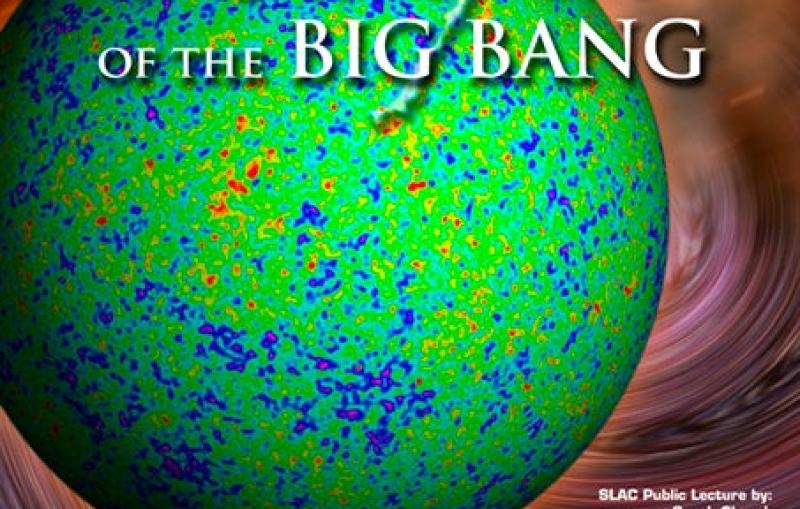
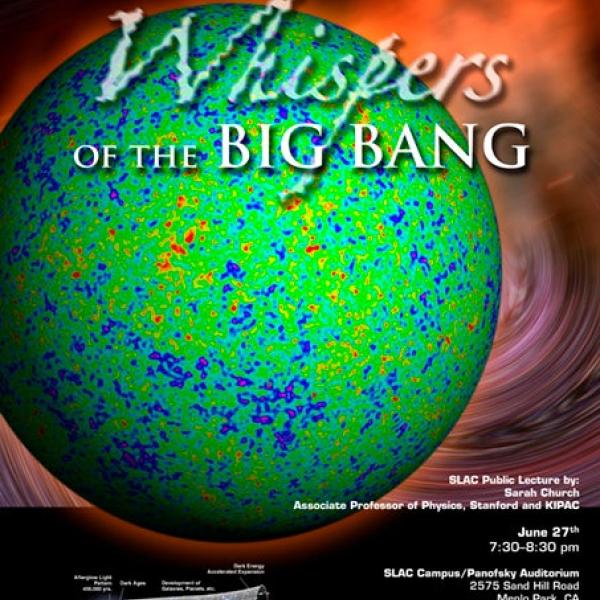
Public Lecture Poster
Whispers of the big bang
Feature

Three SLAC scientists will receive Early Career Research Program grants from the U.S. Department of Energy for research to boost the peak power of...

Photos - From left, Thomas Bligaard, Stefan Hoeche and Juhao Wu. (Credits: Matt Beardsley, Juhao Wu)
Feature

A record-setting blast of gamma rays from a dying star in a distant galaxy has wowed astronomers around the world.

Image - Superbright gamma-ray burst
Feature

Two SLAC-affiliated professors were recently elected members of the American Academy of Arts and Sciences.

Photos of SLAC-affiliated professors Bienenstock (left) and Michelson (right)
Feature

Physicists operating an experiment located half a mile underground in Minnesota reported this weekend that they have found possible hints of dark-matter particles.

Close-up photo of copper dark matter detectors