SLAC topics

Fundamental physics RSS feed

SLAC fundamental physics researchers study everything from elementary particles produced in accelerators to the large-scale structure of the universe. 

Browse tagged content

Fundamental physics concept illustration
Feature

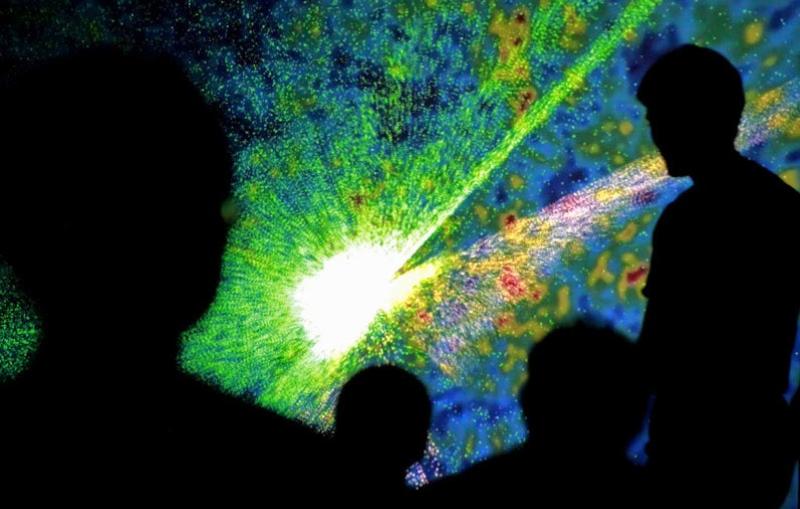
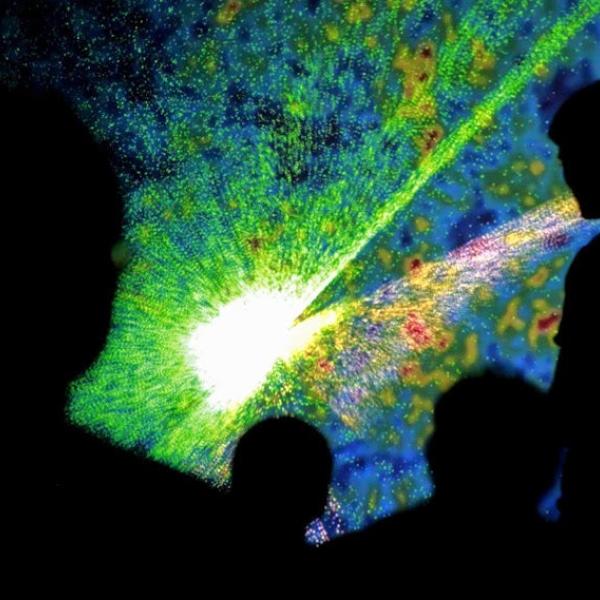
About 550 visitors from all over the Bay Area came to explore a wide range of the institute’s cosmic research topics.

Photo - 3-D movies at the 2014 KIPAC open house
Feature

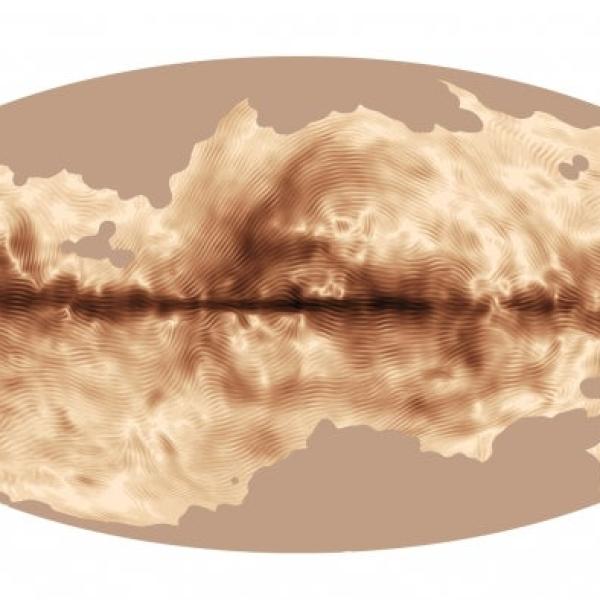
In a few years, scientists will come out with a new map of a third of the sky, one that will go deeper and...

Feature

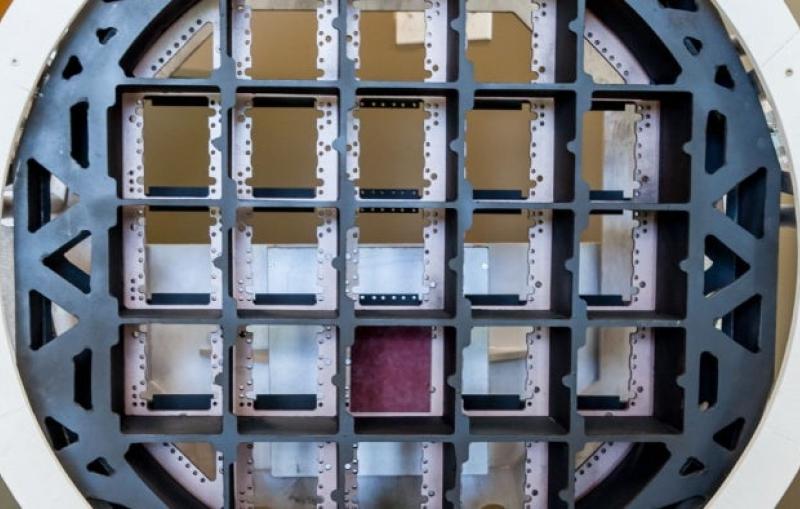
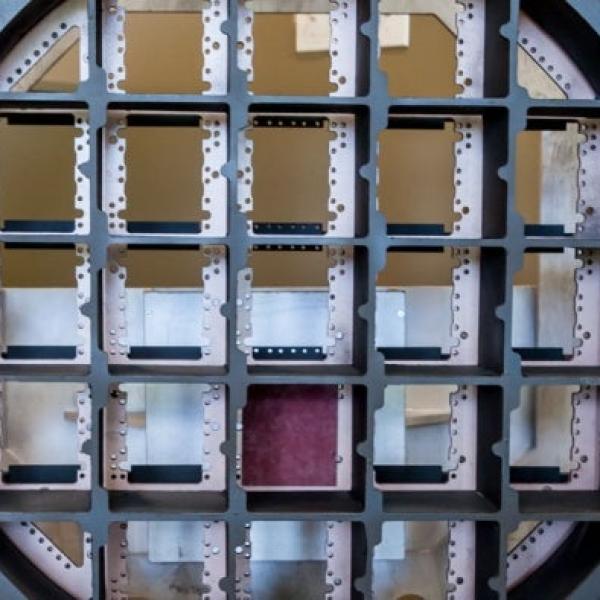
An engineer at SLAC laboratory constructed a full-scale model of the Large Synoptic Survey Telescope's cryostat in his spare time.

Feature

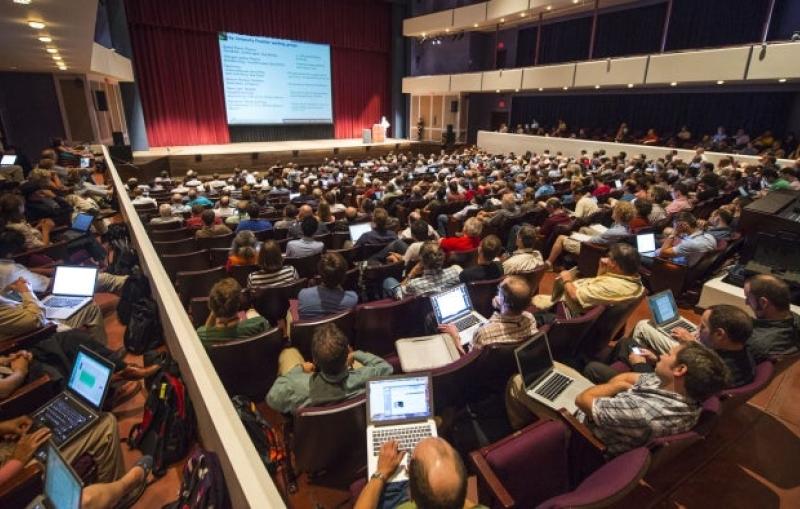
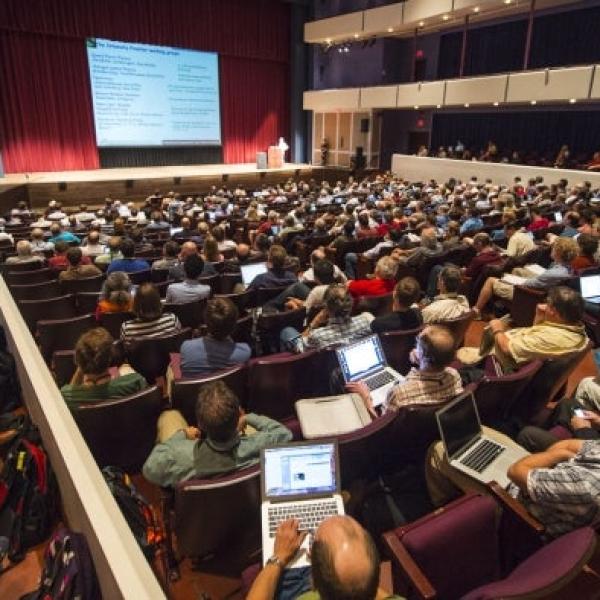
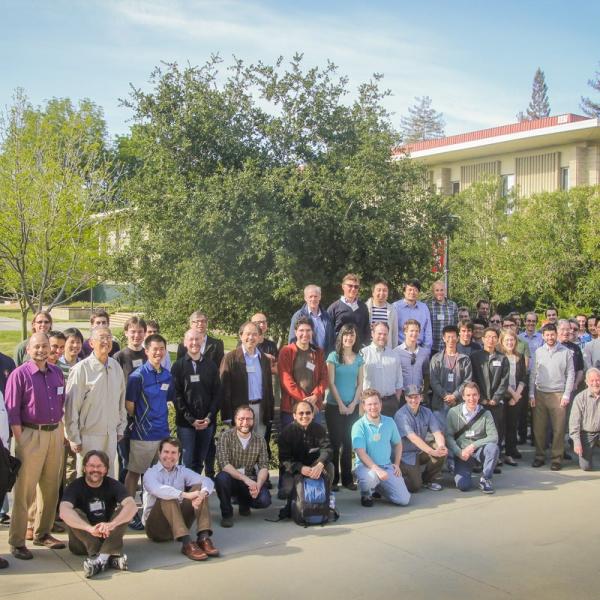
SLAC recently hosted a forward-looking group of theoretical and experimental particle physicists. Their purpose: Follow the science to determine what a post-LHC collider could...

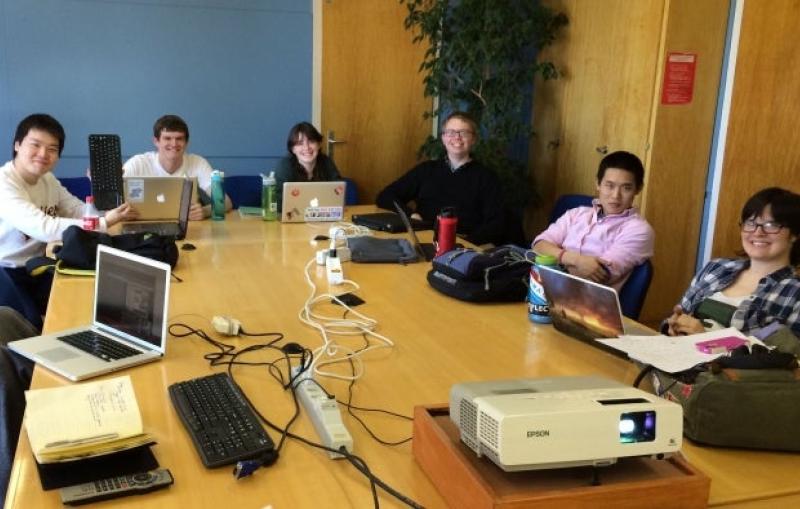
Photo - Members of the Physics at 100 TeV workshop
Feature
VIA Symmetry Magazine

The 'Cosmos' connection

Science is no longer the wallflower who doesn’t get asked to the dance, writes physicist Glen Crawford in an essay about science outreach past...

Feature
VIA Symmetry Magazine

Research Abroad, CERN Style

Students from US universities work on LHC experiments through a new research abroad program.

Feature
VIA Symmetry Magazine

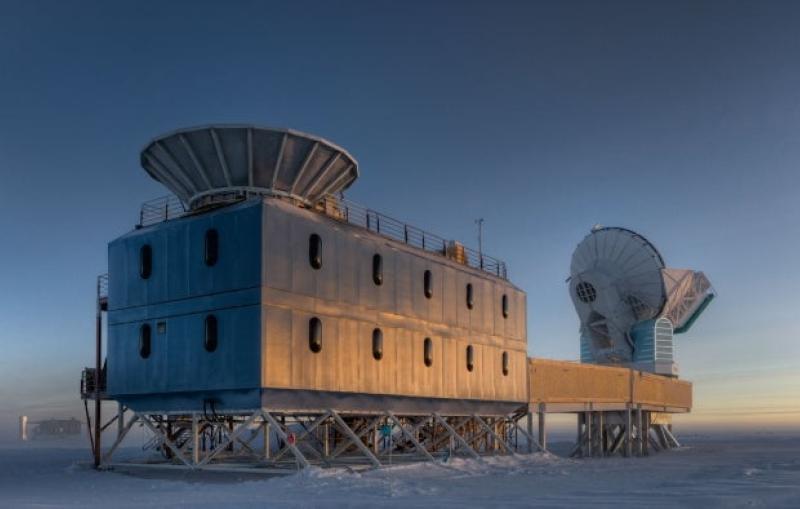
A ‘crack in the cosmic egg’

The recent BICEP2 discovery of evidence for cosmic inflation might point to new physics.

Feature

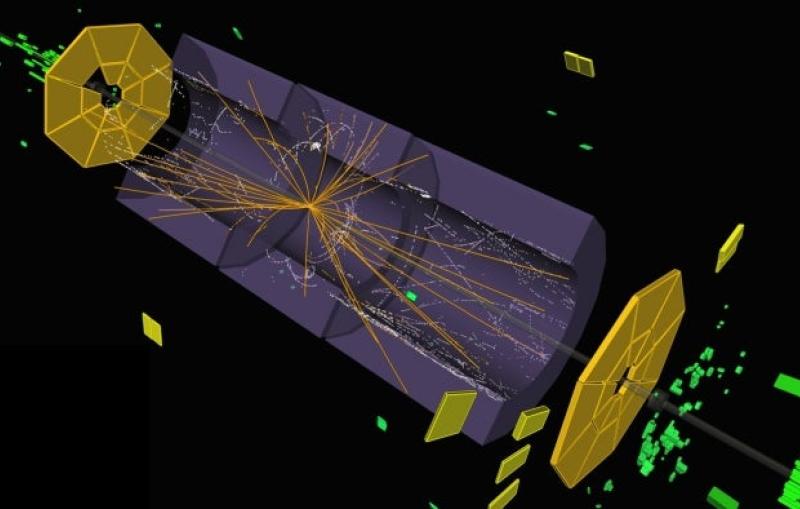
A new trigger system will expand what ATLAS scientists can look for during high-energy collisions at the Large Hadron Collider.

Feature
VIA Symmetry Magazine

Not Just Old Codgers

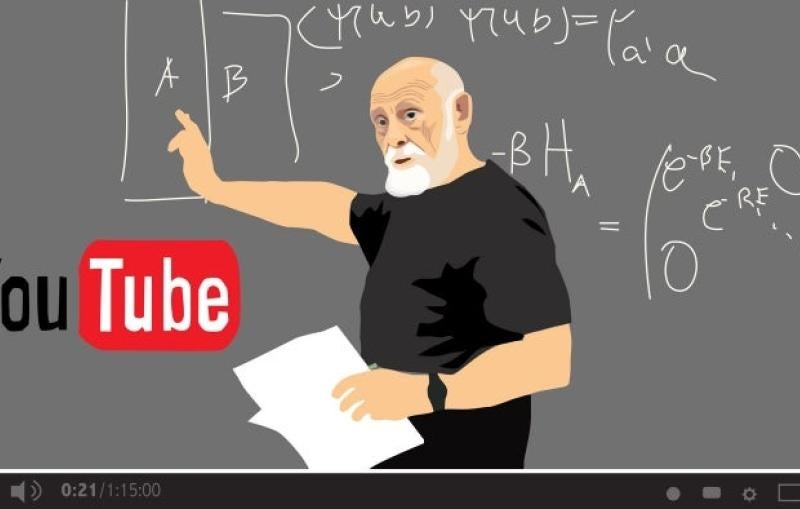
During a day of talks at Stanford University, theoretical physicist Leonard Susskind explained “Why I Teach Physics to Old Codgers, and How It Got...

Feature

An analysis using LHC data verifies the existence of an exotic four-quark hadron.

Feature

From accelerators unexpectedly beneath your feet to a ferret that once cleaned accelerator components, symmetry shares some lesser-known facts about particle accelerators.

Feature

Scientists from the Kavli Institute for Particle Astrophysics and Cosmology are helping build cameras for the Cherenkov Telescope Array, an advanced, ground-based gamma-ray observatory.

Photo - A photomultiplier module undergoing testing