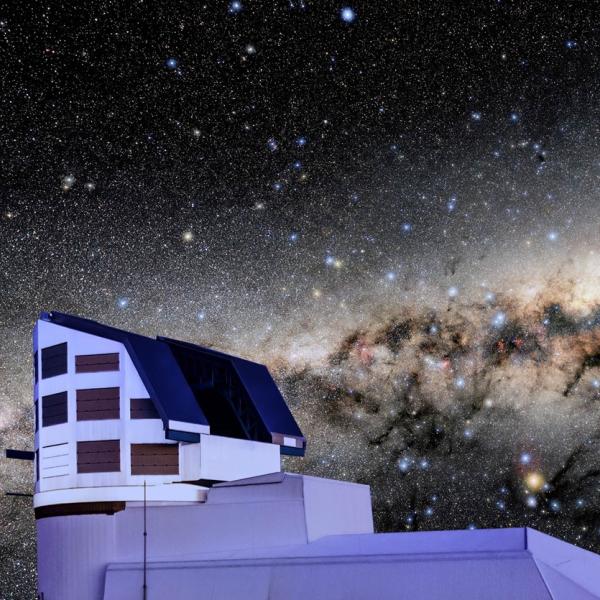
NSF-DOE Rubin Observatory has issued its first scientific alerts, marking a historic milestone in astrophysics and kicking off a new era of dynamic, real-time...
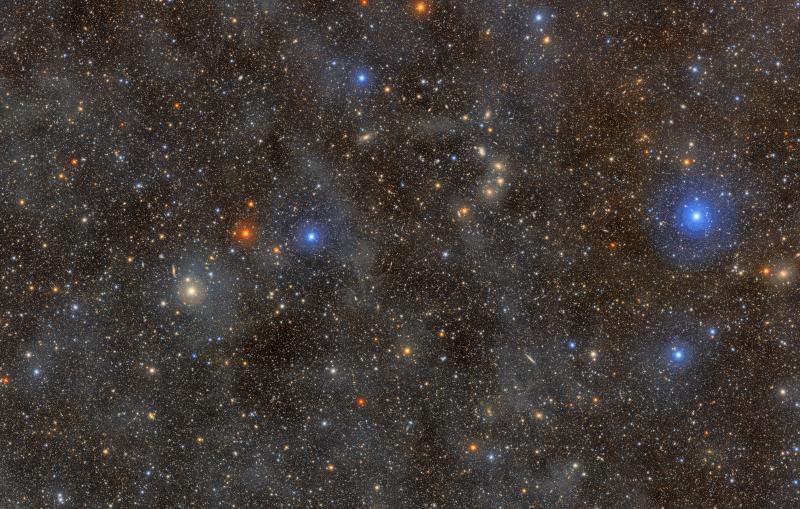
First peer-reviewed paper using data from SLAC-built LSST Camera identifies an asteroid, nearly the size of eight football fields, rotating every two minutes.
In the largest dataset ever collected by a dark matter detector, LUX-ZEPLIN's latest results provide the strongest constraints on low-mass WIMPs and detect boron-8...
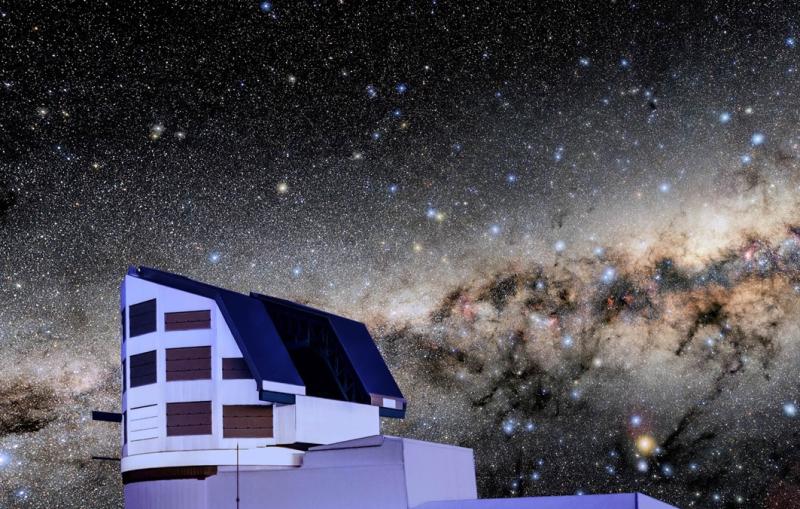
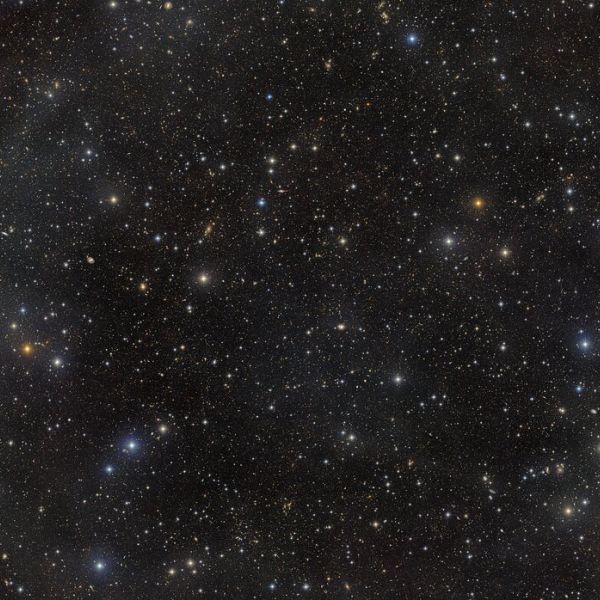
NSF-DOE Rubin Observatory has issued its first scientific alerts, marking a historic milestone in astrophysics and kicking off a new era of dynamic, real-time observation of the night sky.
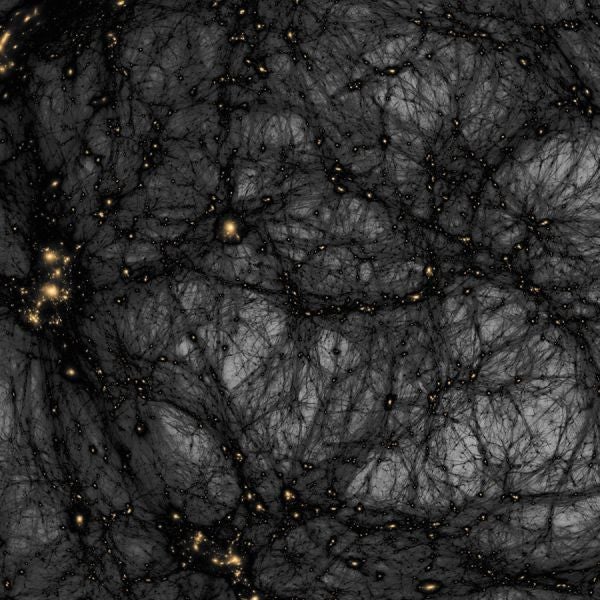
Cosmologists Josh Frieman and Risa Wechsler look back on the Dark Energy Survey, sharing how it’s paving the way for Rubin Observatory to dig deeper into some of the universe’s darkest mysteries.
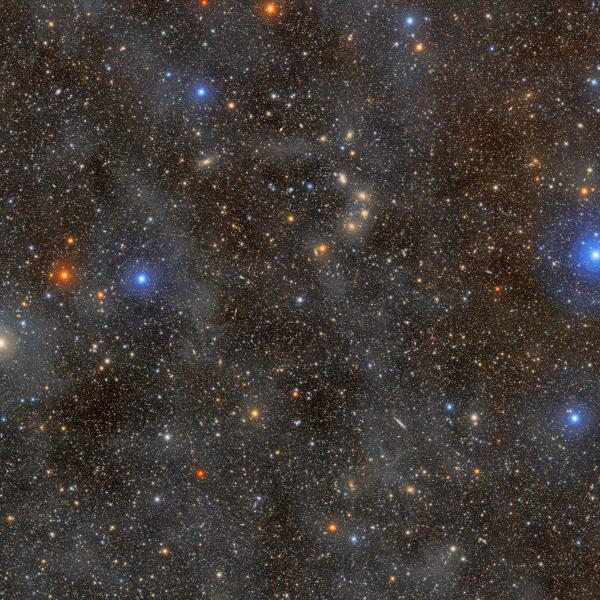
First peer-reviewed paper using data from SLAC-built LSST Camera identifies an asteroid, nearly the size of eight football fields, rotating every two minutes.
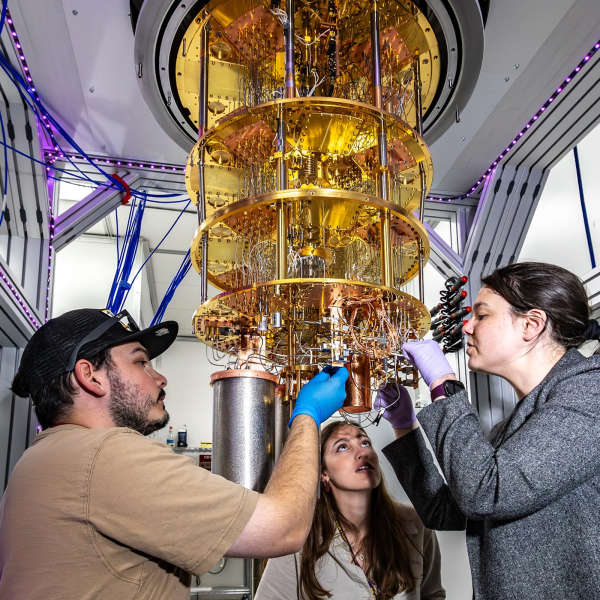
In the largest dataset ever collected by a dark matter detector, LUX-ZEPLIN's latest results provide the strongest constraints on low-mass WIMPs and detect boron-8 solar neutrinos.
With survey operations set to begin this fall, the Rubin control room at SLAC will serve as a key hub for training and remote observing support for the NSF–DOE Vera C. Rubin Observatory.