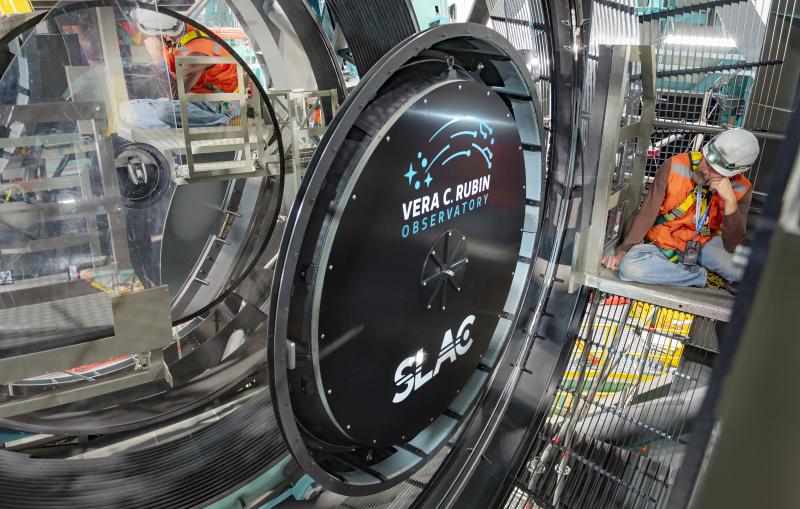
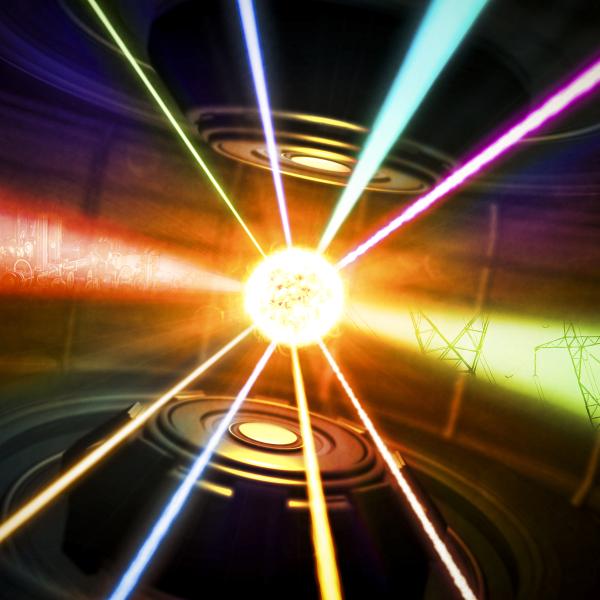
Rubin will observe more variable stars than ever before, enabling investigations into what drives their variation and mapping the outer limits of our galaxy.
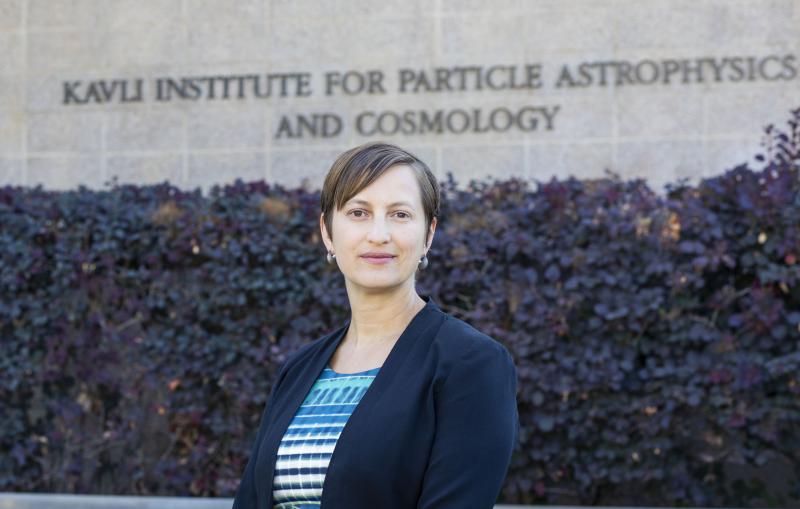
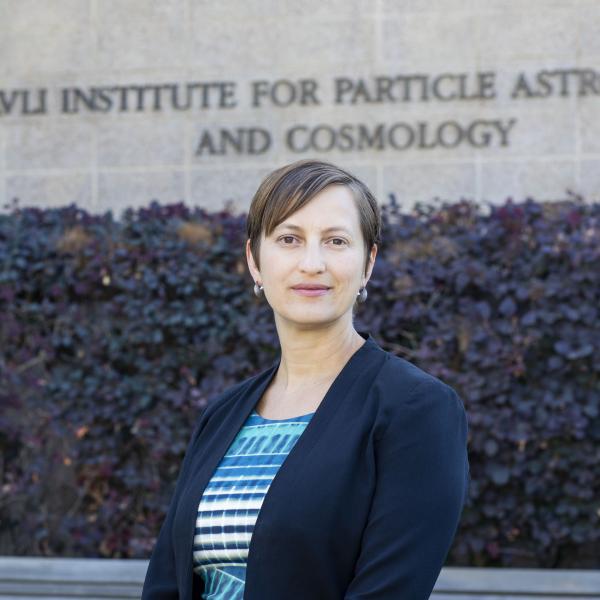
The theorist is one of seven Stanford faculty members elected by the Academy this year, recognizing their exceptional contributions in their fields and professions.
Rubin will observe more variable stars than ever before, enabling investigations into what drives their variation and mapping the outer limits of our galaxy.
The theorist is one of seven Stanford faculty members elected by the Academy this year, recognizing their exceptional contributions in their fields and professions.