SLAC topics

Environmental science RSS feed

Where can we find clean drinking water? How can we remove excess carbon dioxide from the oceans? When can a contaminated site be declared clean? Molecular environmental scientists look for answers to big questions like these by zooming in on their smallest components: Chemical reactions taking place at the scale of molecules and atoms.

Related link:
Energy sciences

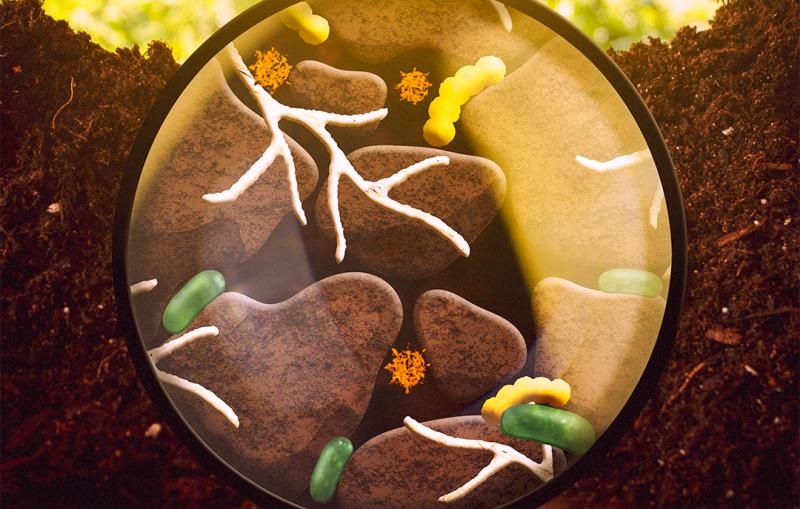
Illustration of various microorganisms interacting with soil particles.
Feature

In regions that lack the resources to treat the contaminated water, it can lead to disease, cancer, and even death.

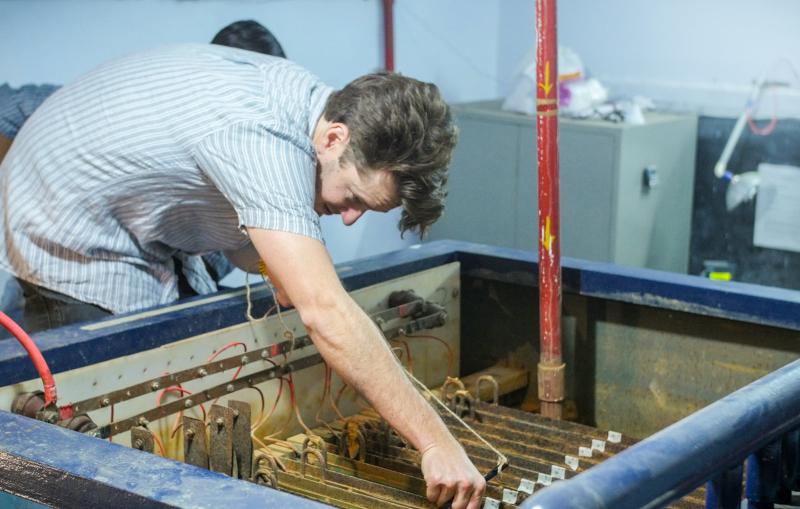
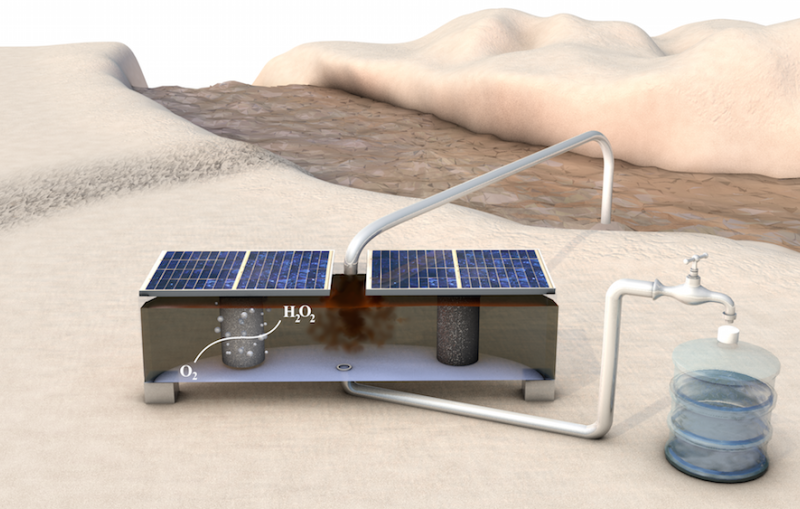
Electrode tank
Feature

A better understanding of these materials and how they store and transport oil and gas could one day enable more efficient fossil fuel production.

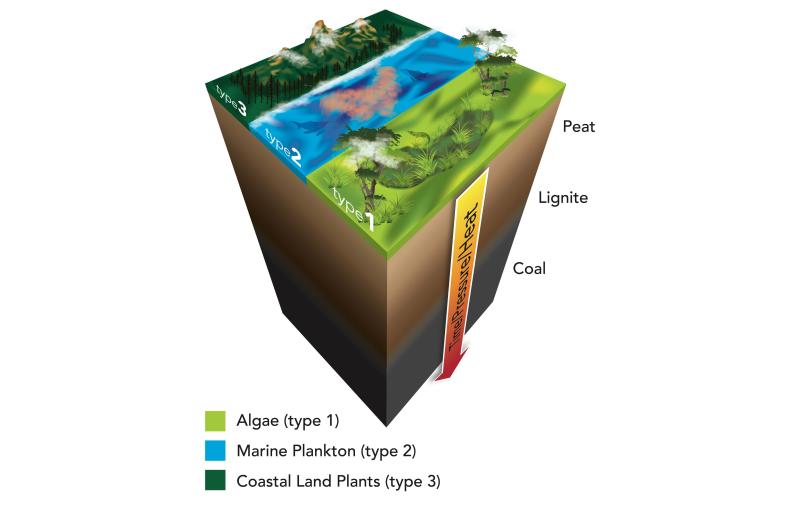
Aromatic carbon
Feature

SLAC/Stanford scientists and their colleagues find a new way to efficiently convert CO2 into the building block for sustainable liquid fuels.

Graves-Bajdich-Machalo
News Release

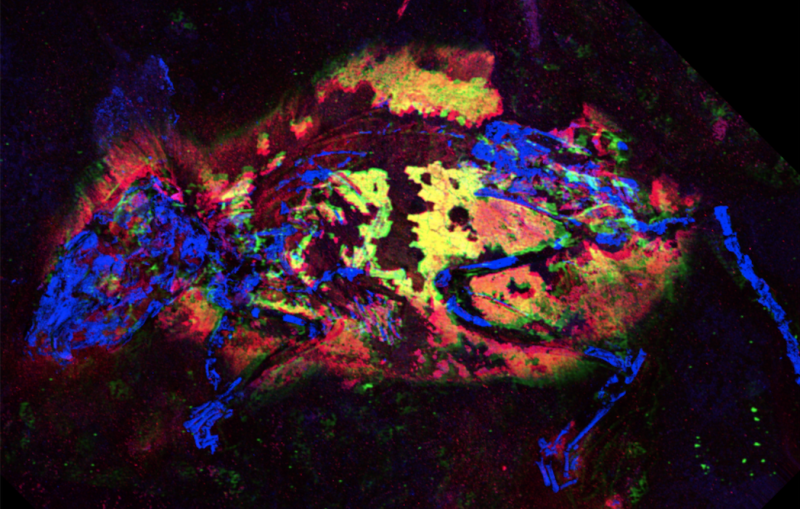
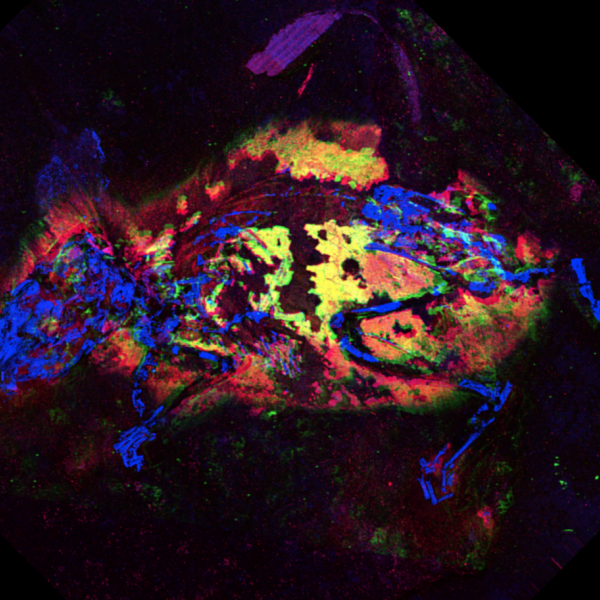
X-rays reveal an extinct mouse was dressed in brown to reddish fur on its back and sides and had a tiny white tummy.

mighty mouse false color
Feature

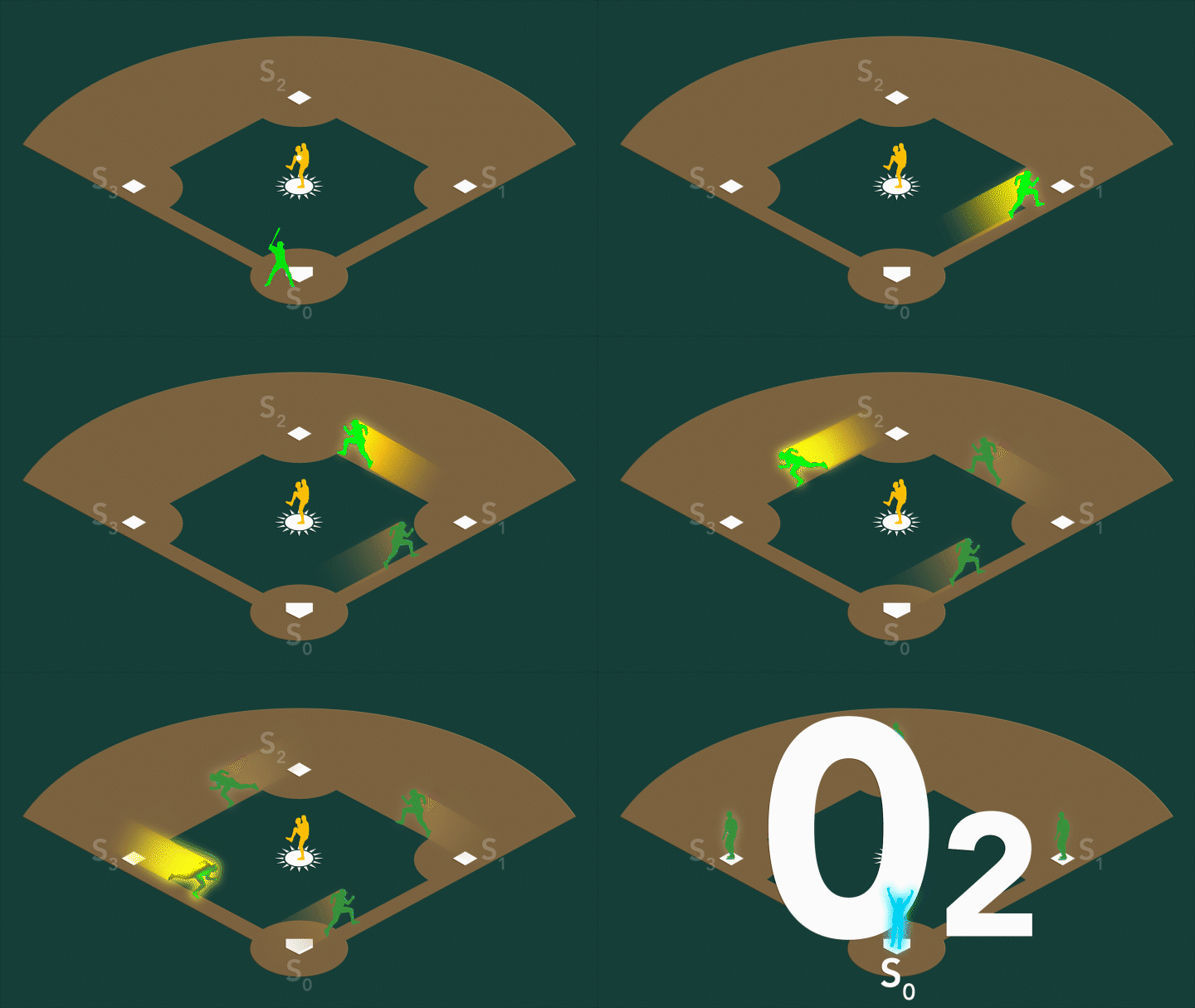
In the decade since LCLS produced its first light, it has pushed boundaries in countless areas of discovery.

Undulator Hall
Feature

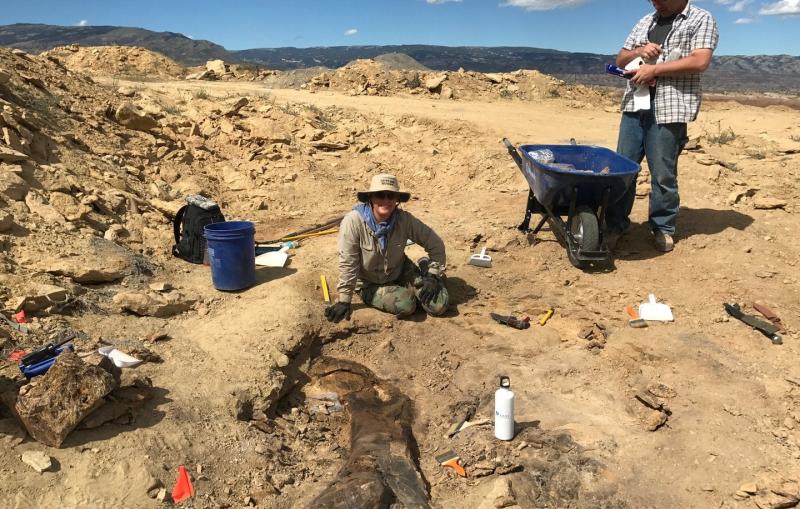
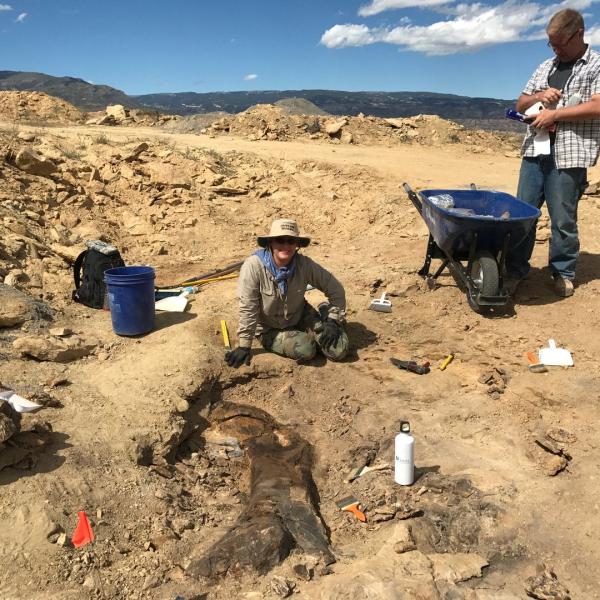
Researchers will use SLAC’s X-ray light source to probe 150-million-year-old dinosaur fossils at the atomic level.

Jurassic Mile
Feature

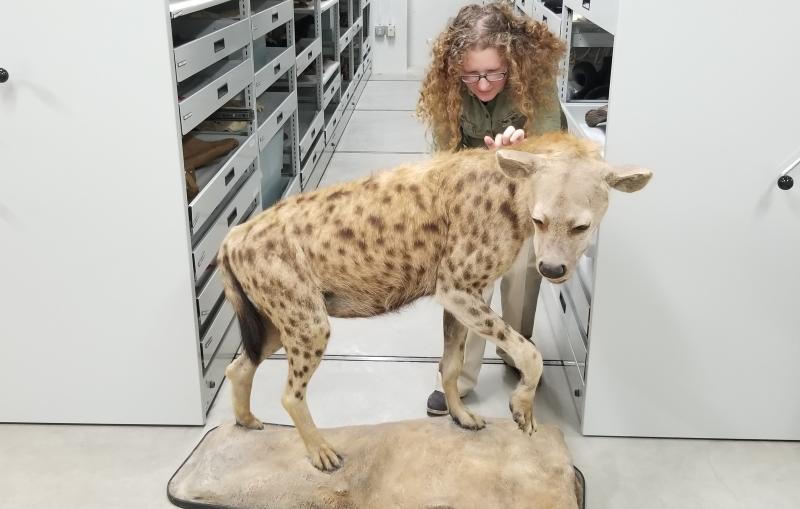
Researchers mapped trace elements within Pleistocene fossils to learn about the life of a long-extinct subspecies of spotted hyena.

Spotted hyena
News Release

In a major step forward, SLAC’s X-ray laser captures all four stable states of the process that produces the oxygen we breathe, as well...

Atomic movie
Feature

A new study reveals that organic matter whose breakdown would yield only minimal energy for hungry microorganisms preferentially builds up in floodplains, illuminating a...

Feature

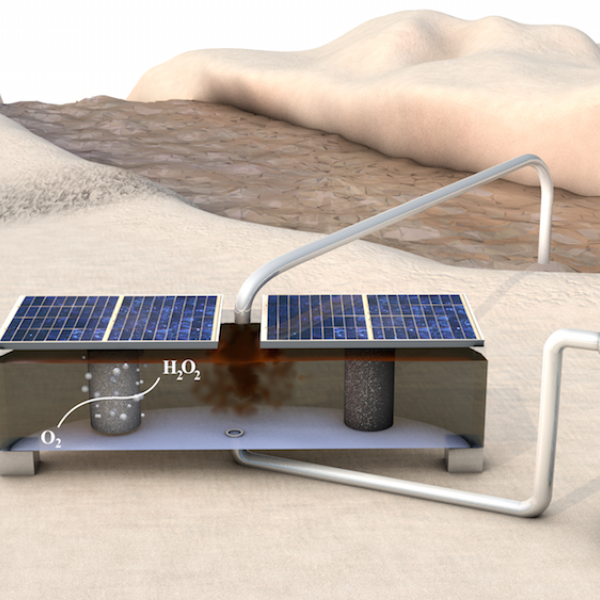
Scientists at SLAC and Stanford have identified active carbon catalysts and developed an electrochemical cell designed to purify water in small villages.

Feature

The contaminant binds to organic matter in sediments, which increases persistence in groundwater.

News Release

Researchers at SLAC and Stanford have created a nanostructured device, about half the size of a postage stamp, that harnesses more of the sun's...

A researcher holds a tiny device that uses sunlight to disinfect water.