SLAC topics

Environmental science RSS feed

Where can we find clean drinking water? How can we remove excess carbon dioxide from the oceans? When can a contaminated site be declared clean? Molecular environmental scientists look for answers to big questions like these by zooming in on their smallest components: Chemical reactions taking place at the scale of molecules and atoms.

Related link:
Energy sciences
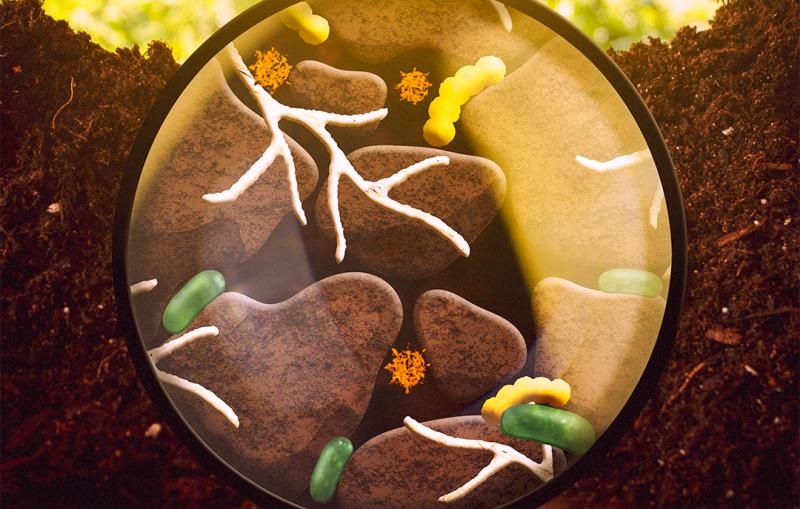
Illustration of various microorganisms interacting with soil particles.
news collection

Two of the most urgent challenges of our time – clean energy and sustainability – require investigation at the atomic level.

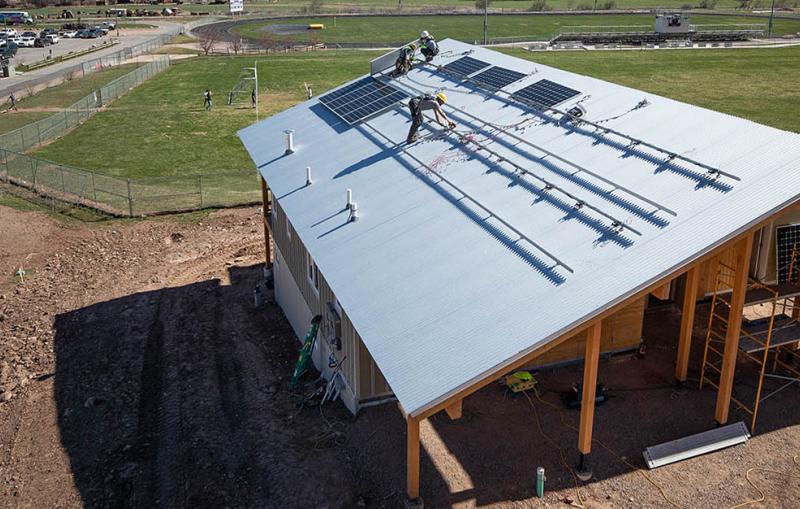
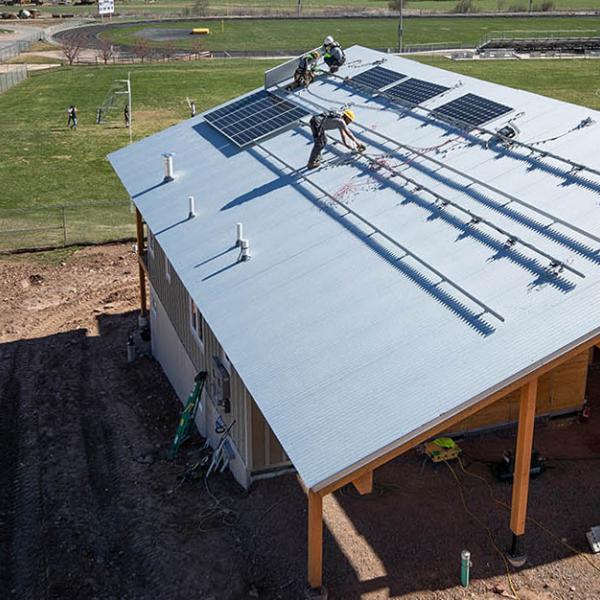
Aerial image of workers installing solar panels on a home.
Feature

A cellphone-sized device automatically adjusts a home's power use up or down to save the consumer money and increase the resiliency of the electric...

Aerial image of workers installing solar panels on a home.
Feature

New research questions ‘whiff of oxygen’ in Earth’s early history.

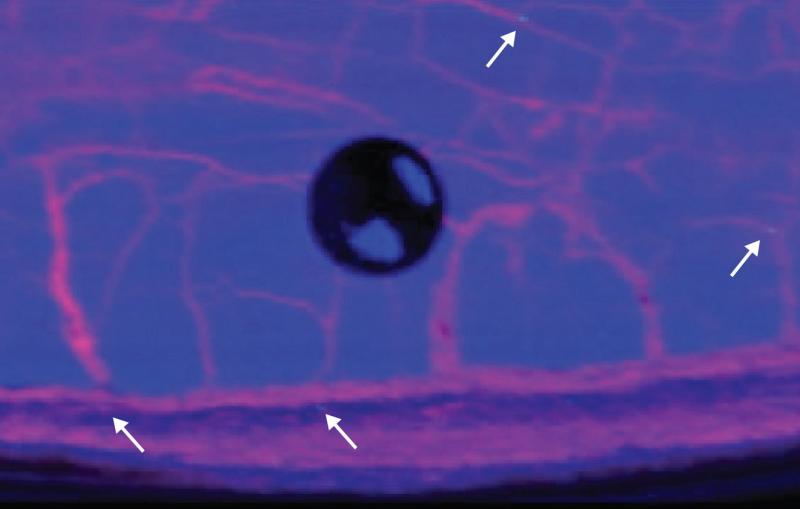
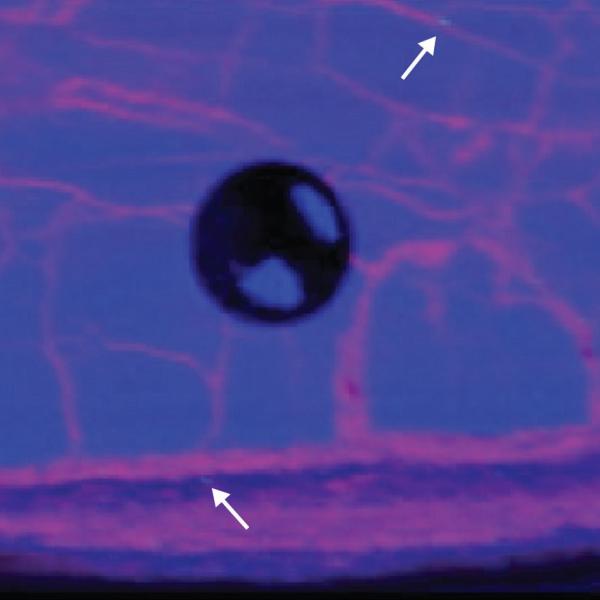
Blue and purple image showing cracks where arsenic and copper entered a shale sample.
Feature

A better understanding of this process could inform the next generation of artificial photosynthetic systems that produce clean and renewable energy.

water droplets on plant
News Brief

Scientists who perform experiments at SLAC’s lightsources gathered online for research talks, workshops and discussions.

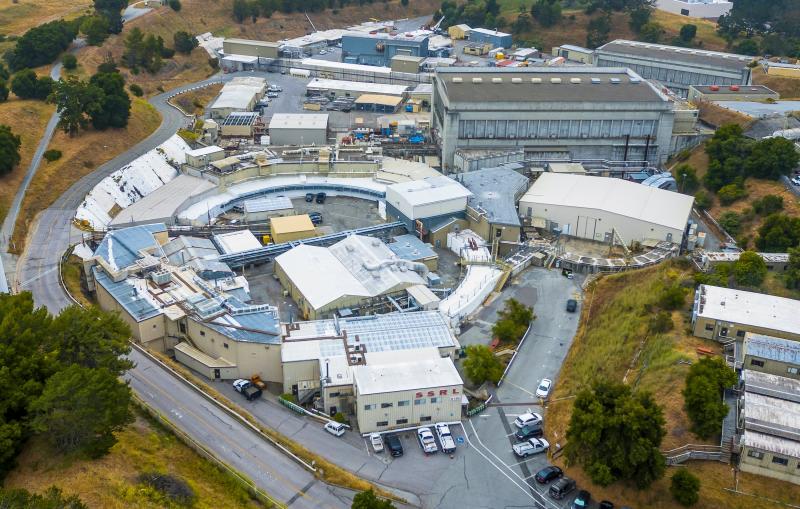
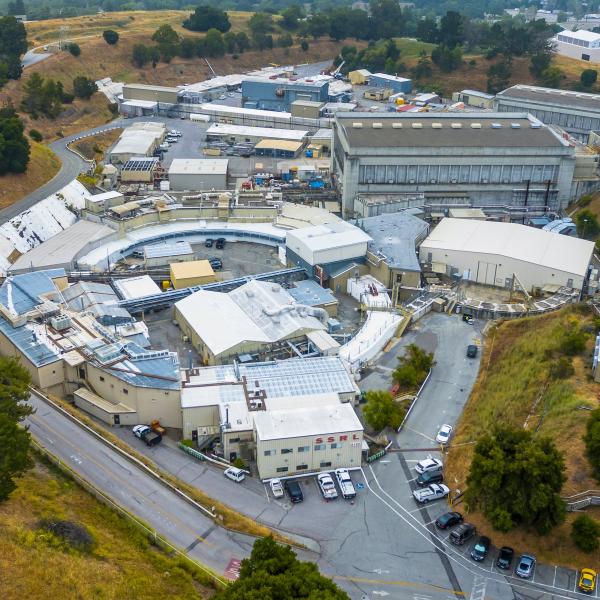
Aerial view of industrial-looking research buildings
Feature

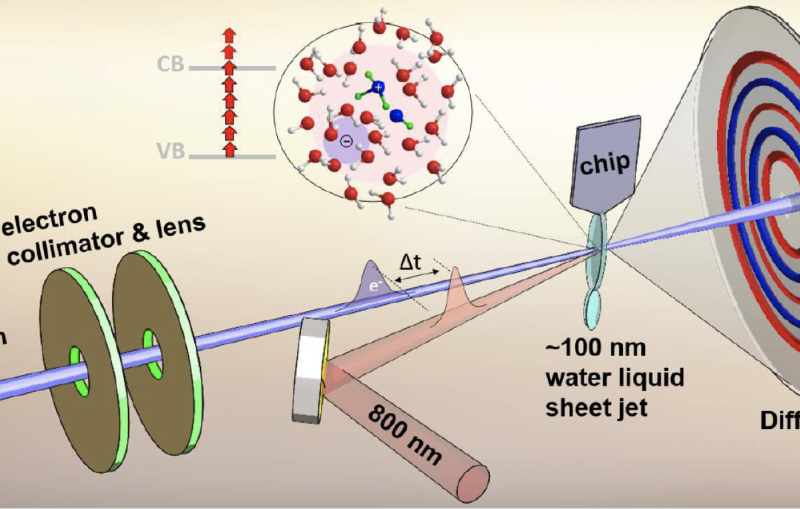
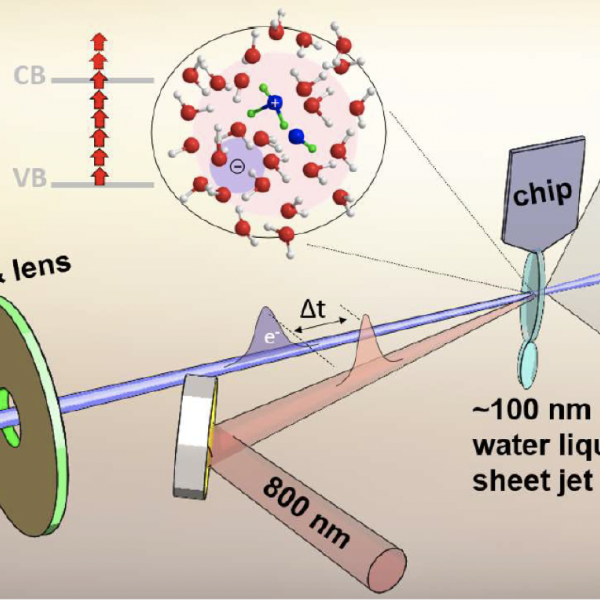
This is the first direct observation of a hydroxyl-hydronium complex – important for a wide range of chemical and biological processes from the tails...

ued ionized water
Feature

She toured the lab’s powerful X-ray laser, looked at the construction of the world’s largest digital camera, and discussed climate research, industries of the...

Secretary Granholm virtual visit
News Brief

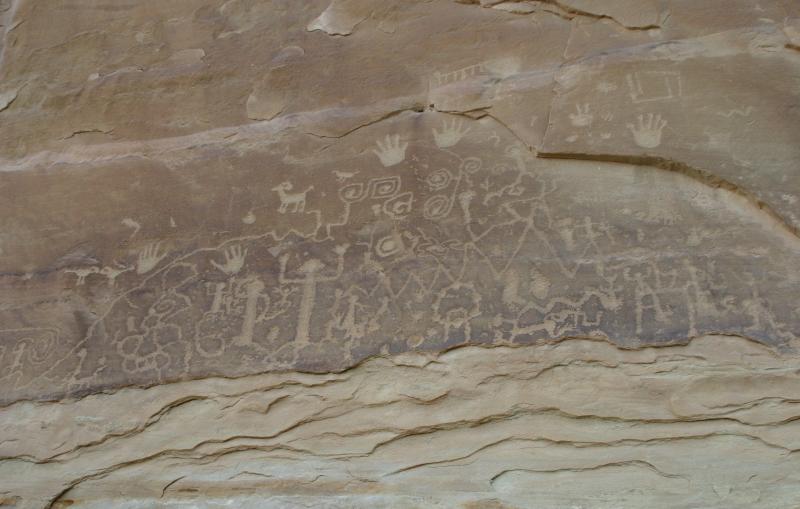
Petroglyphs are carved in a material called rock varnish, the origins of which have been debated for years. Now, scientists argue it’s the result...

Rock art featuring human and animal forms and handprints
Feature

The honor recognizes his research on technologies for removing toxic chemicals from water.

Arsenic water research at SSRL
News Brief

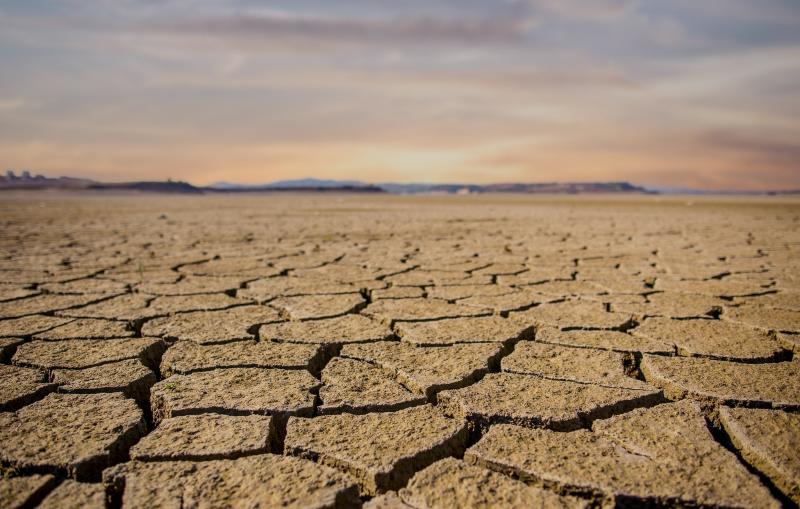
In a new perspective, SLAC and University of Paderborn scientists argue that research at synchrotrons could help improve water-purifying materials in ways that might...

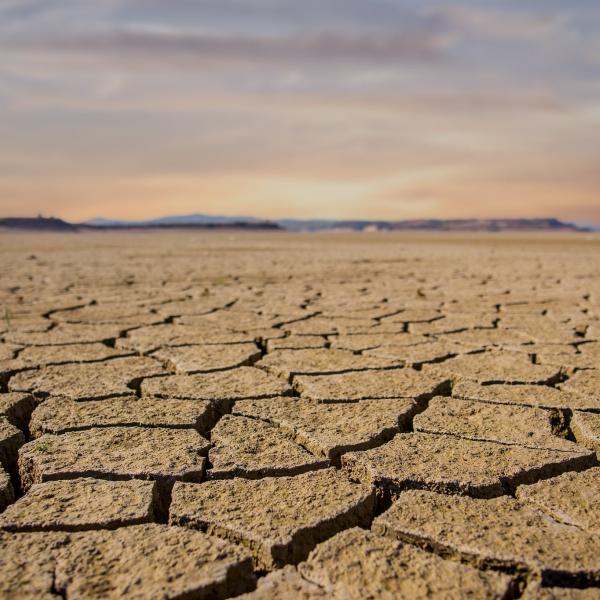
Cracked, dry earth landscape.
Feature

Understanding nature’s process could inform the next generation of artificial photosynthetic systems that produce clean and renewable energy from sunlight and water.

How electrons flow in the oxygen-evolving complex of Photosystem II.
Animation

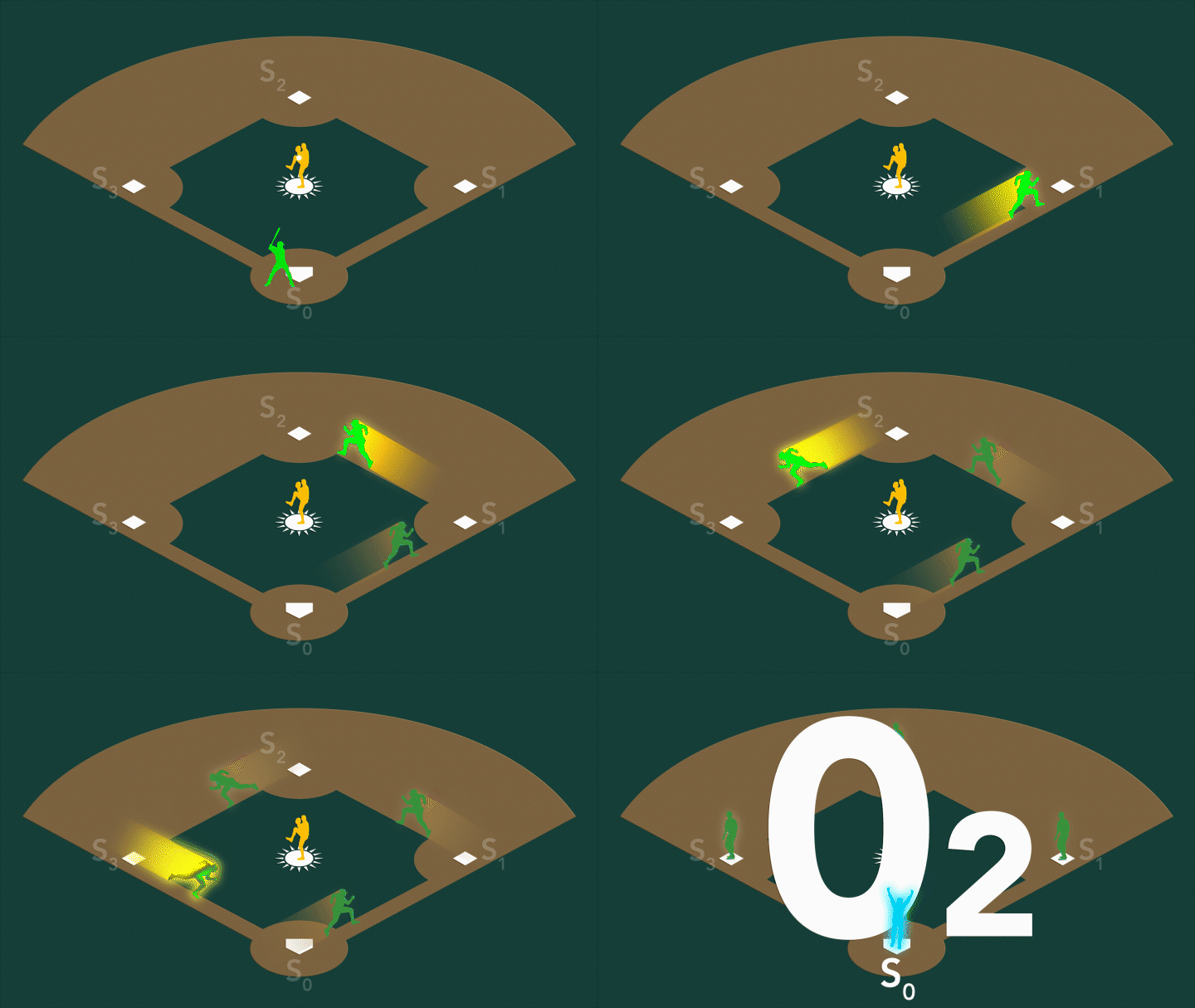
In photosystem II, the water-splitting center cycles through four stable states, S0-S3. On a baseball field, S0 would be...

Photosystem II