
SLAC topics

Energy sciences RSS feed

One of the most urgent challenges of our time is discovering how to generate the energy and products we need sustainably, without compromising the well-being of future generations by depleting limited resources or accelerating climate change. SLAC pursues this goal on many levels.

Browse tagged content

Studies of atomic-level processes
News Brief

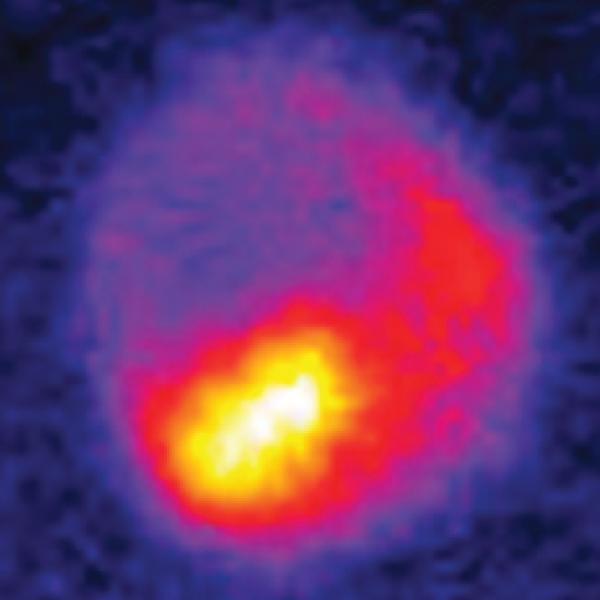
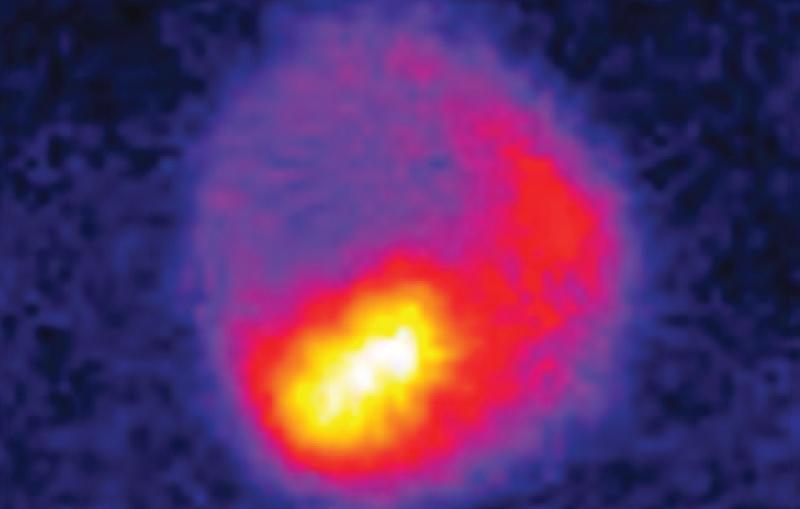
A study reveals an ultrathin material’s ability to circularly polarize light, potentially informing how they work in optoelectronic devices.

Image from SLAC's high-speed electron camera showing circular polarization of terahertz light.
Feature

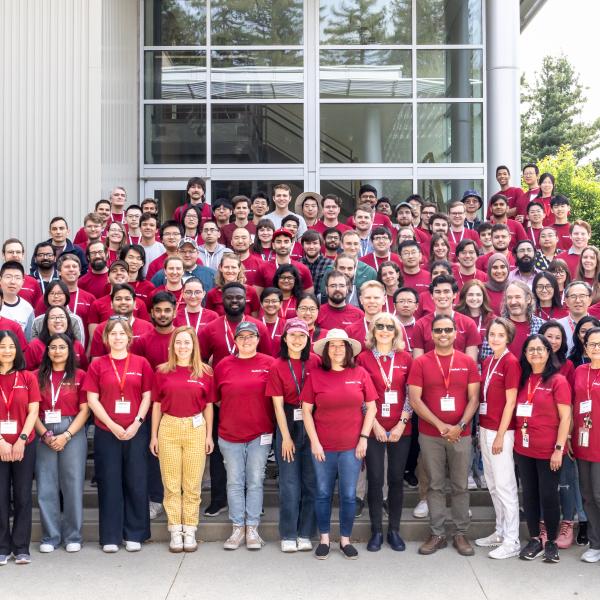
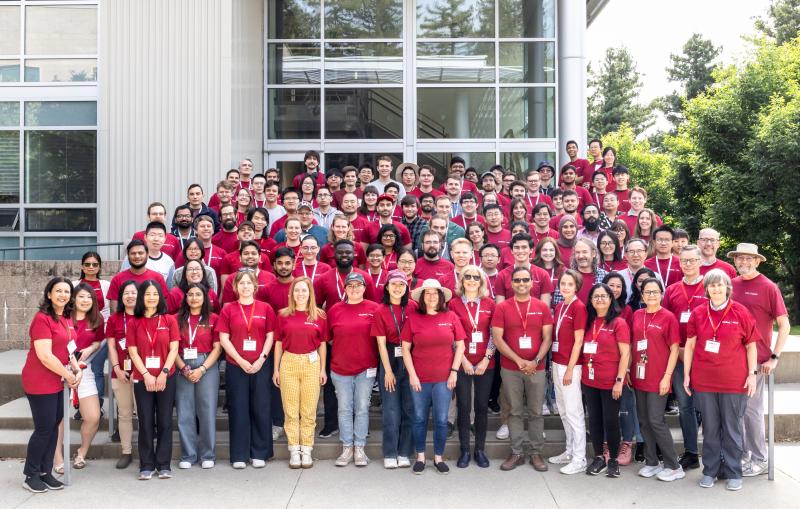
The Ultrafast X-ray Summer School, run by the Stanford PULSE Institute and hosted at SLAC, opens the door for students and postdocs to imagine...

A group photo of people in red tee shirts.
Feature

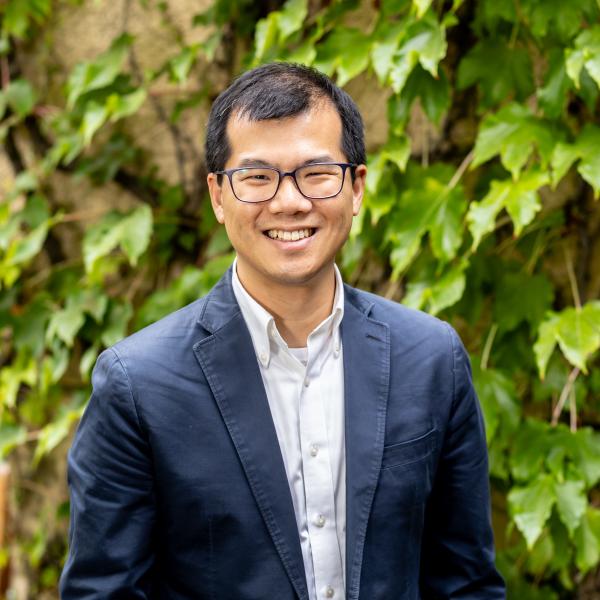
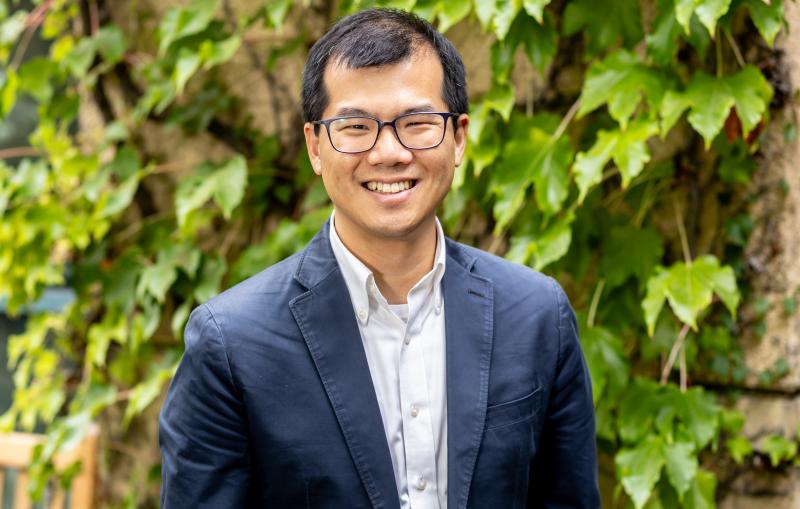
The SLAC/Stanford researcher is a leading materials scientist and entrepreneur whose research is paving the way for better batteries, cleaner power grids.

SLAC and Stanford researcher Will Chueh
Feature

During her fellowship she will continue research that aims to deepen our understanding of quantum materials.

Headshot of Judy Ji
Feature

Two determined fellows share their thoughts on representation, mentorship and staying true to themselves in STEM.

Annette Mendoza and Damion Tingle
News Brief

Harold Hwang and Tony Heinz were among 124 newly elected members.

Harold Hwang and Tony Heinz
News Brief

Election to the academy honors exceptional scholars who discover and advance knowledge and who apply knowledge to the problems of society.

News Brief

Devereaux was honored for contributions to materials science and was among seven Stanford-affiliated researchers named AAAS Fellows this year.

Thomas Devereaux
Feature

Researchers have uncovered new insights about tungsten's ability to conduct heat, which could lead to materials advancements for fusion reactor and aerospace technologies.

tungsten
Feature

Seen in atomic detail, the seemingly smooth flow of ions through a battery’s electrolyte is a lot more complicated.

Photo of the laser lab apparatus used in the hopping ions experiment.
Feature

Wan-Lin Hu’s job is to improve the way people and artificial intelligence collaborate to run SLAC’s complex machines.

Wan-Lin Hu is seen talking with talks with accelerator systems operator Kabir Lubana in the lab’s main Accelerator Control Room.
Feature

Researchers have discovered that crystals can twist when they are sandwiched between two substrates – a critical step toward exploring new material properties for...

This image shows a diffraction pattern of gold nanodics between substrates.