



SLAC topics

Energy sciences RSS feed

One of the most urgent challenges of our time is discovering how to generate the energy and products we need sustainably, without compromising the well-being of future generations by depleting limited resources or accelerating climate change. SLAC pursues this goal on many levels.

Browse tagged content

Studies of atomic-level processes
Feature

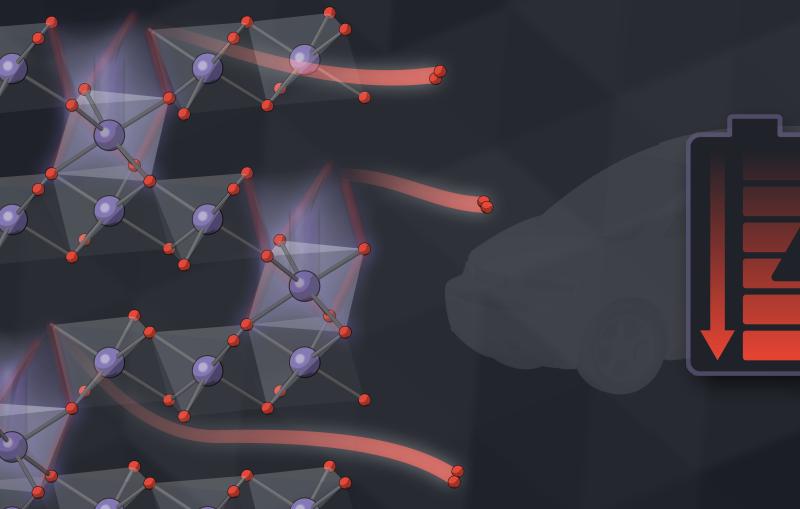
A new battery design harnesses waste heat in a four-step process: heating, charging, cooling and discharging.

Feature

In a recent experiment at SLAC's Stanford Synchrotron Radiation Lightsource, scientists "tickled" atoms to explore the flow of heat and energy across materials at...

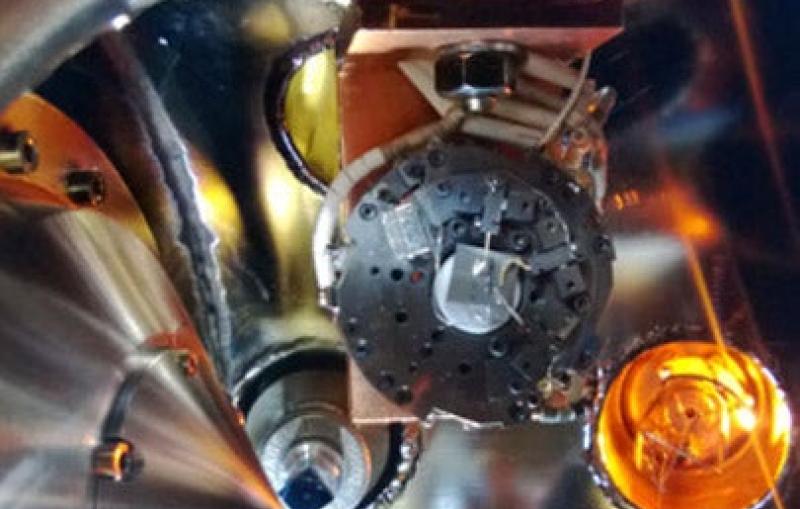
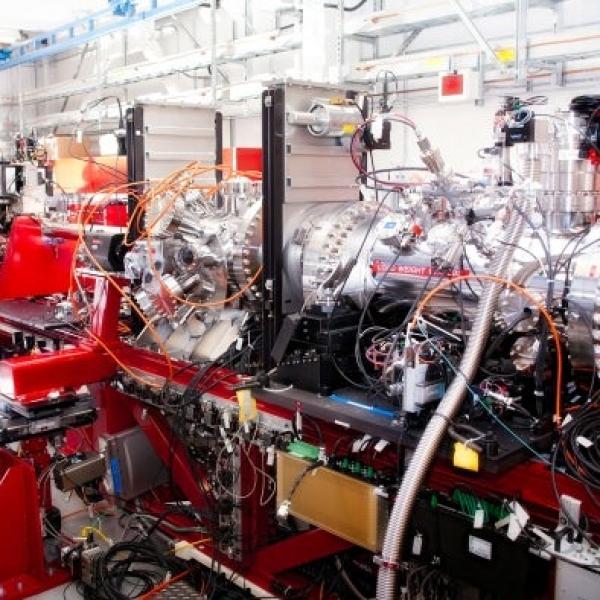
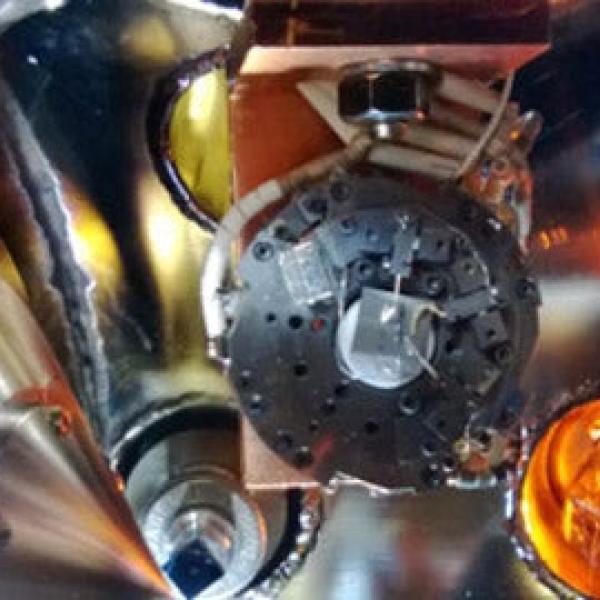
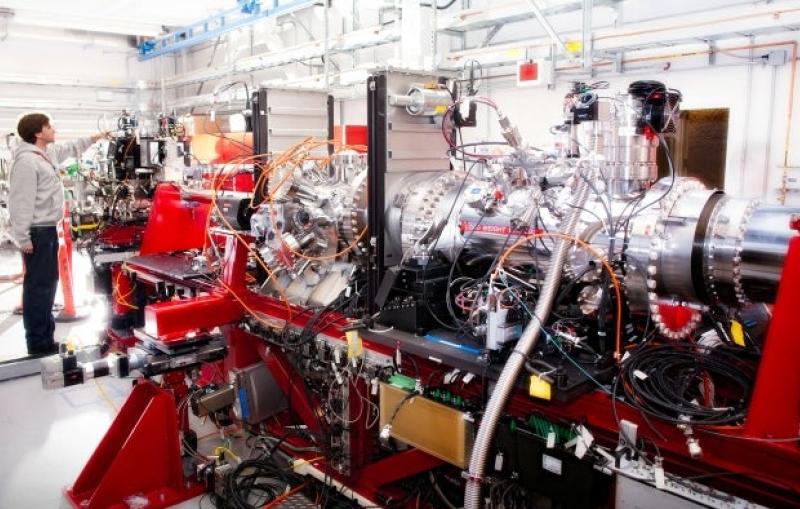
Photo - A view of a materials science experimental setup at SLAC's Stanford Synchrotron Radiation Lightsource (SSRL). The circular instrument that frames this photo is part of a diffractometer that was used to align samples and a detector with X-rays.
Feature

SLAC-led researchers have made the first direct measurements of a small, extremely rapid atomic rearrangement that dramatically changes the properties of many important materials.

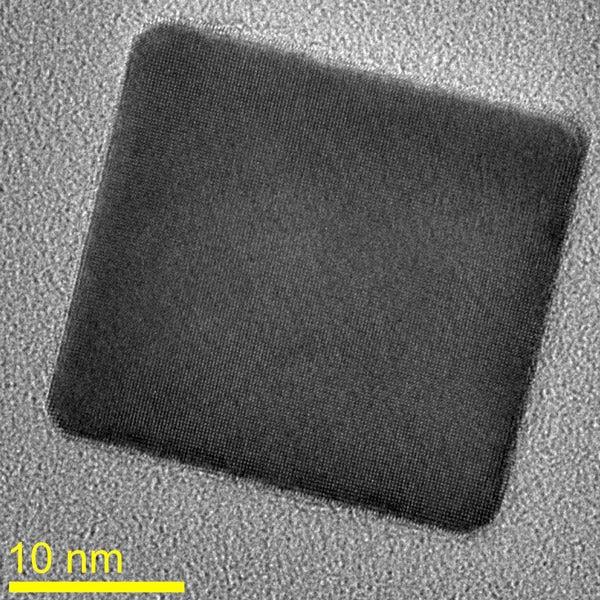
The transformation of cadmium sulfide nanocrystals
Feature

Scientists at SLAC and Stanford show how high-temperature superconductivity emerges out of magnetism in an iron pnictide, a class of materials with great potential...

An illustration of electrons pairing up like dancers at a party
Feature

SLAC's Siegfried Glenzer has been selected to receive an Ernest Orlando Lawrence Award, presented by the U.S. Secretary of Energy to honor scientists across...

Photo - Siegfried Glenzer
Feature

A new theory and computer simulation by SLAC and Stanford researchers rule out high-energy magnetic interactions as a major factor in making copper oxide...

Photo - Researchers at SLAC
Feature

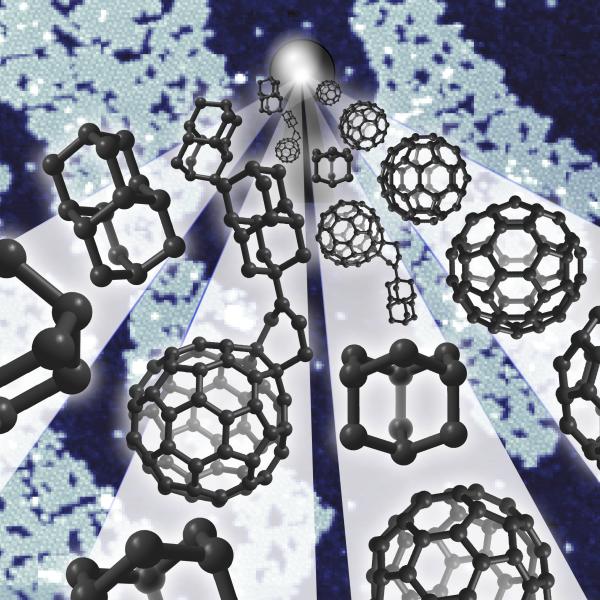
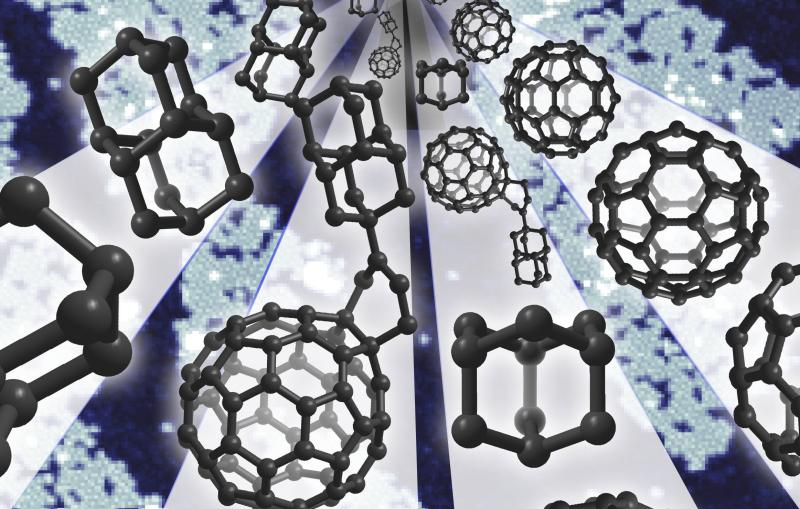
SLAC researchers have found a new way to transform graphite into diamond. The approach may have implications for industrial applications ranging from cutting tools...

News Release

Scientists have discovered a potential way to make graphene – a single layer of carbon atoms with great promise for future electronics – superconducting...

Superconducting Graphene Layers
Feature

A new system at SLAC National Accelerator Laboratory's X-ray laser narrows a rainbow spectrum of X-ray colors to a more intense band of light...

Photo - A view of the soft X-ray self-seeding system during installation in the Undulator Hall at SLAC's Linac Coherent Light Source X-ray laser. (Brad Plummer/SLAC)
Feature

An experiment at SLAC’s X-ray laser has revealed the first atomic-scale details of a new technique that could point the way to faster data...

Image - A laser-driven electric pulse excites a magnetic response in a multiferroic material that is measured by SLAC's X-ray laser pulse (blue).
News Release

An electrode designed like a pomegranate – with silicon nanoparticles clustered like seeds in a tough carbon rind – overcomes several remaining obstacles to...

A fanciful illustration of pomegranate seeds inside a conventional battery
Feature

Jolting complex materials with bursts of energy from rapid-fire lasers can help scientists learn why some of these materials exhibit useful properties such as...

Image - Pictured is the initial, equilibrium distribution of electron energy after an intense pulse of near-infrared light. (SIMES)