SLAC topics

Energy sciences RSS feed

One of the most urgent challenges of our time is discovering how to generate the energy and products we need sustainably, without compromising the well-being of future generations by depleting limited resources or accelerating climate change. SLAC pursues this goal on many levels.

Browse tagged content
Studies of atomic-level processes
Feature

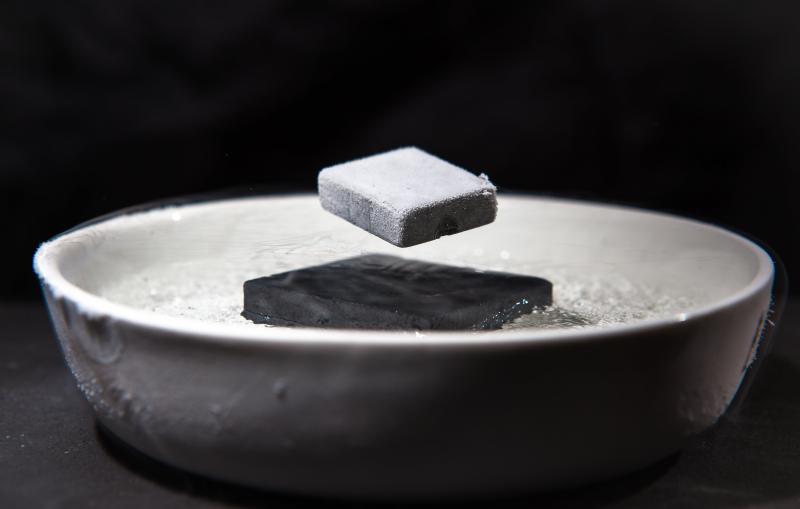
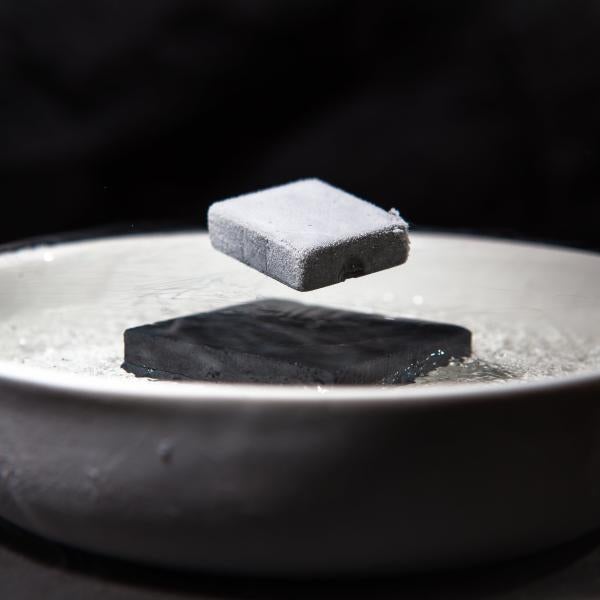
Understanding strontium titanate’s odd behavior will aid efforts to develop materials that conduct electricity with 100 percent efficiency at higher temperatures.

Image of magnet floating above a superconducting material
Feature

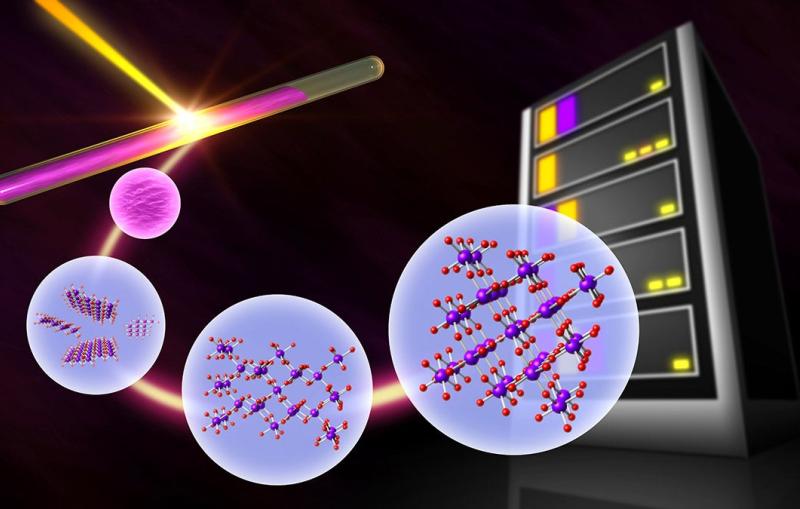
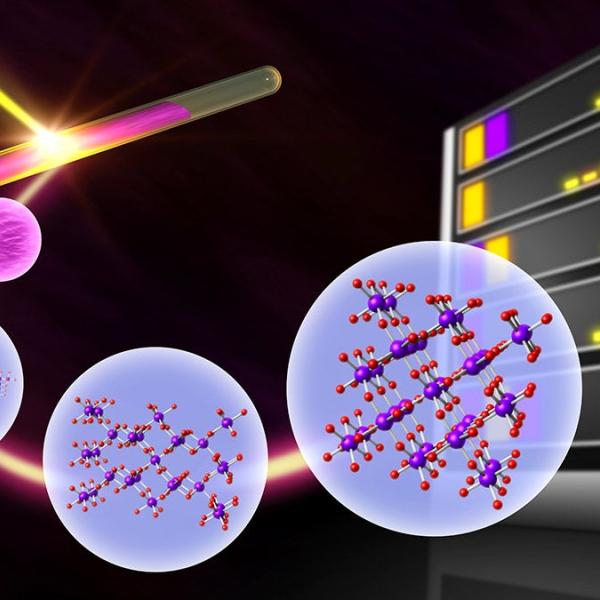
Research conducted at the atomic scale could help explain how electric currents move efficiently through hybrid perovskites, promising materials for solar cells.

Illustration of what happens when simulated sunlight hits perovskite
News Release

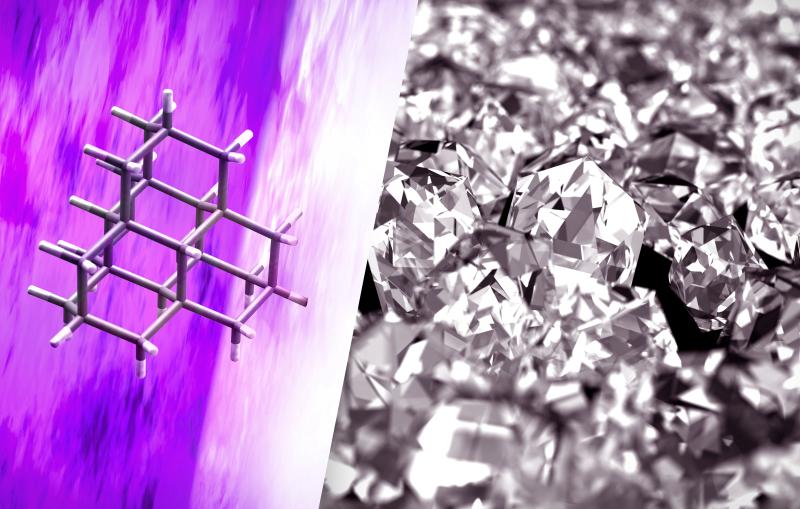
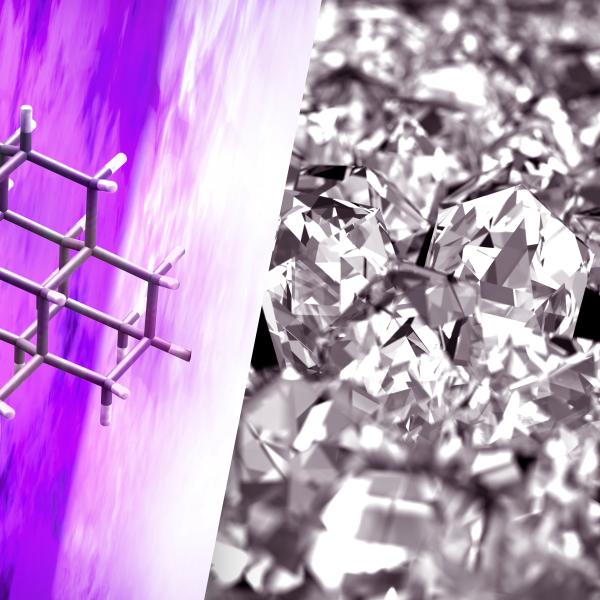
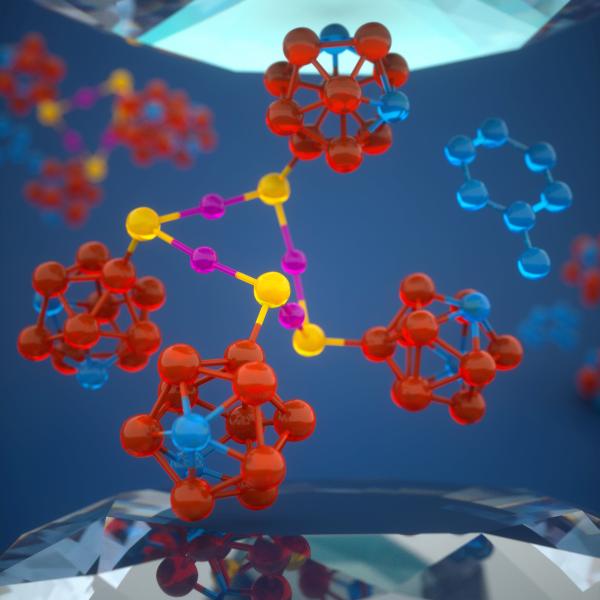
Experiments with 'molecular anvils' mark an important advance for mechanochemistry, which has the potential to make chemistry greener and more precise.

Illustration of soft molecules attached to molecular anvils between diamond tips
Feature

As members of the lab’s Computer Science Division, they develop the tools needed to handle ginormous data volumes produced by the next generation of...

SLAC Computer Science Team
Feature

In experiments with the lab’s ultrafast "electron camera," laser light hitting a material is almost completely converted into nuclear vibrations, which are key to...

UED Molybdenum Diselenide
Feature

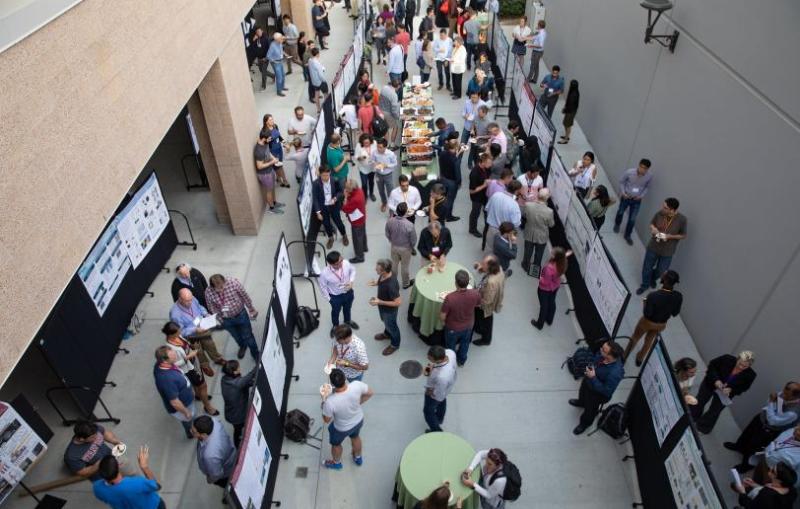
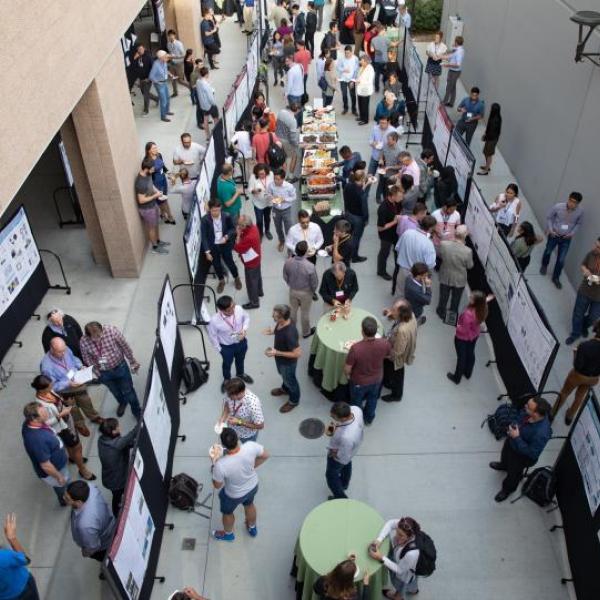
About 400 people attended the annual conference and workshops for scientists who conduct experiments at SLAC’s light sources.

Birds-eye view of the poster session
Feature

The research team was able to watch energy from light flow through atomic ripples in a molecule. Such insights may provide new ways to...

View of the The X-ray Pump Probe instrument at SLAC’s Linac Coherent Light Source.
News Release

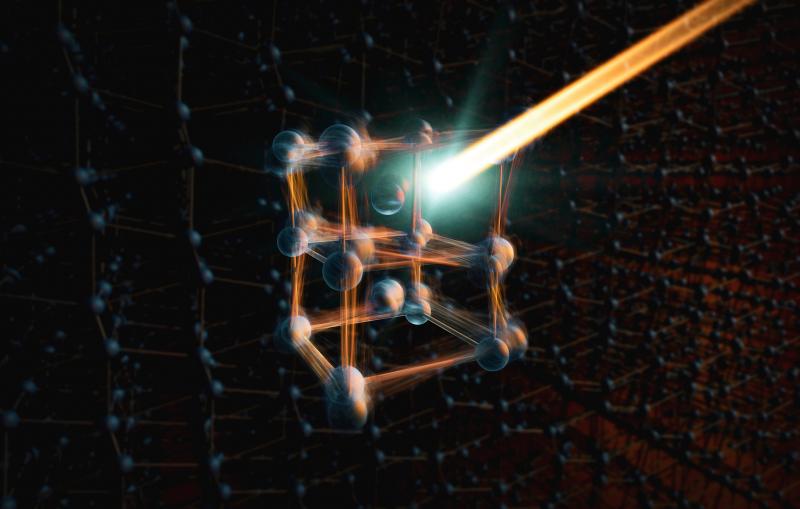
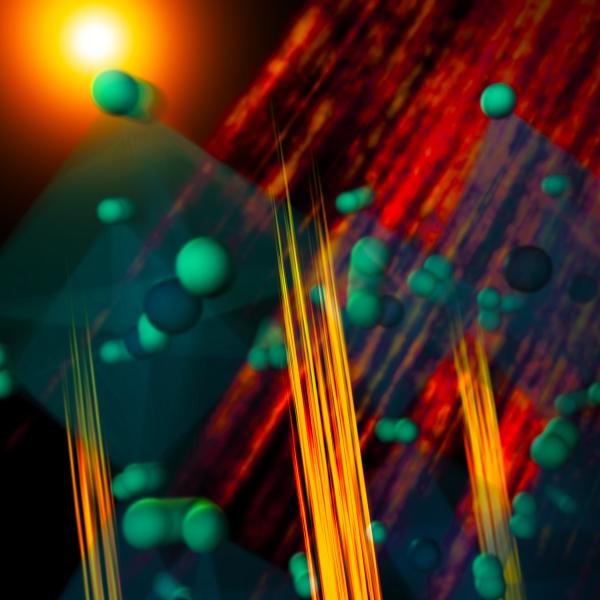
Extraordinarily precise measurements -- within millionths of a billionth of a second and a billionth of a hair's breadth -- show this ‘electron-phonon coupling’...

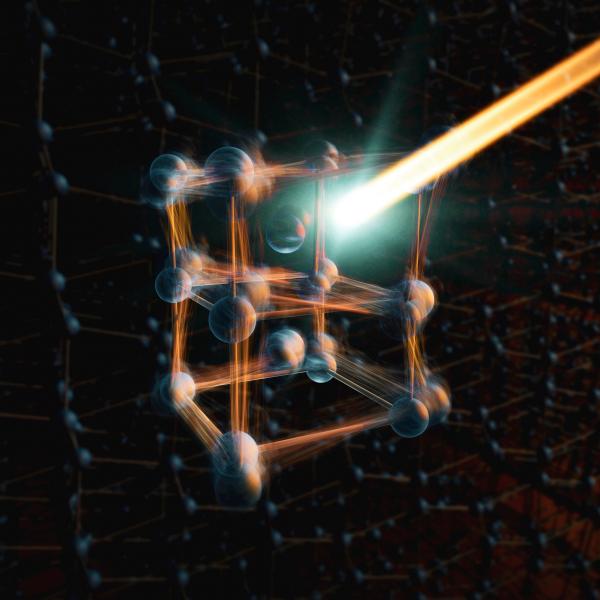
Illustration of a laser beam triggering atomic vibrations in iron selenide
Feature

A recent discovery by scientists from the SUNCAT Center for Interface Science and Catalysis could lead to a new, more sustainable way to make...

Feature

Propagating “charge density wave” fluctuations are seen in superconducting copper oxides for the first time.

Illustration of electronic behavior in copper oxide materials
Feature

Researchers at SLAC are already looking at the largely unexplored realm of attosecond science.

Feature

Aaron Lindenberg, associate professor at Stanford and SLAC, talks about how he combines X-ray and electron techniques to understand and engineer novel materials.