SLAC topics

Chemistry and catalysis RSS feed

Catalysts are the unsung heroes of chemistry, accelerating reactions used to make fertilizers, fuels and consumer products. Our work aims to make catalysts more efficient and reduce the use of fossil fuels.

Related link: Energy sciences

Browse tagged content below
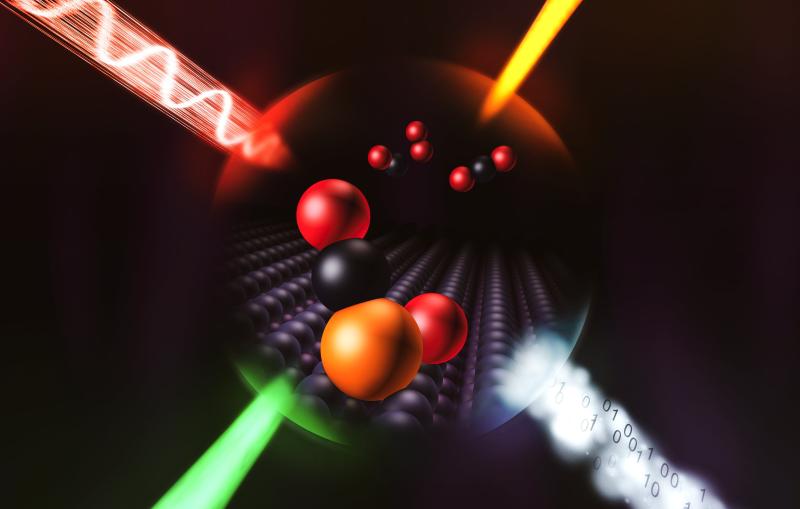
Depiction of four techniques used to study a single-atom catalyst.
Feature

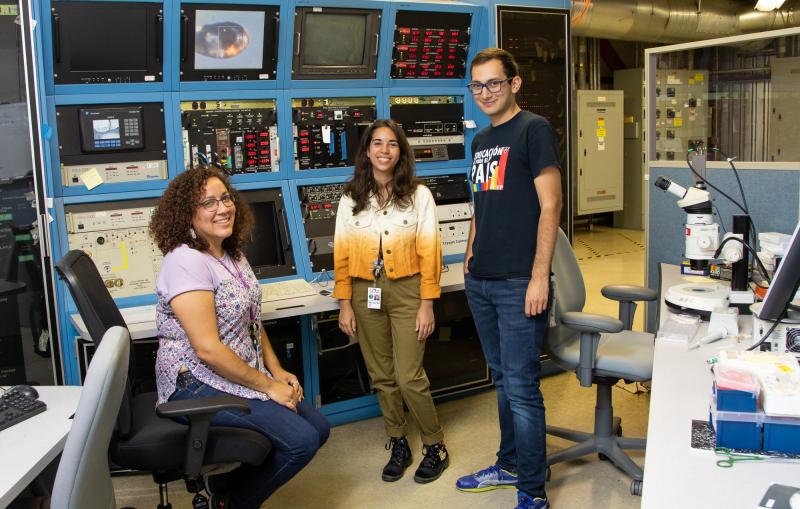
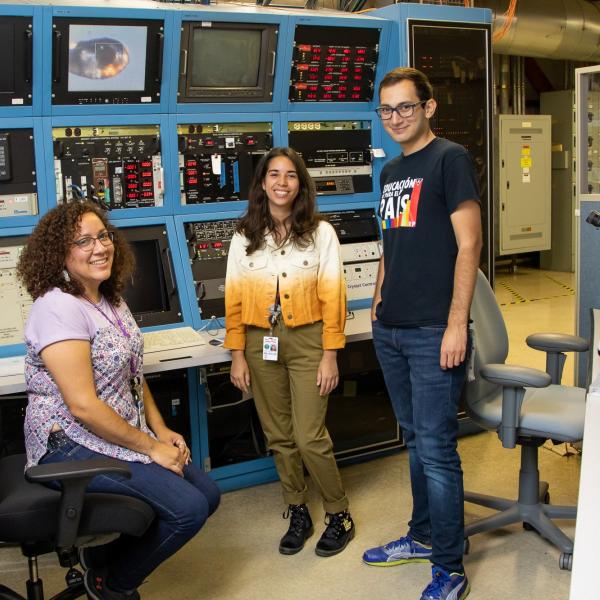
This summer, five graduate students from the University of Puerto Rico had the opportunity to use SLAC’s world-class facilities to keep their studies on...

University of Puerto Rico Interns
Feature

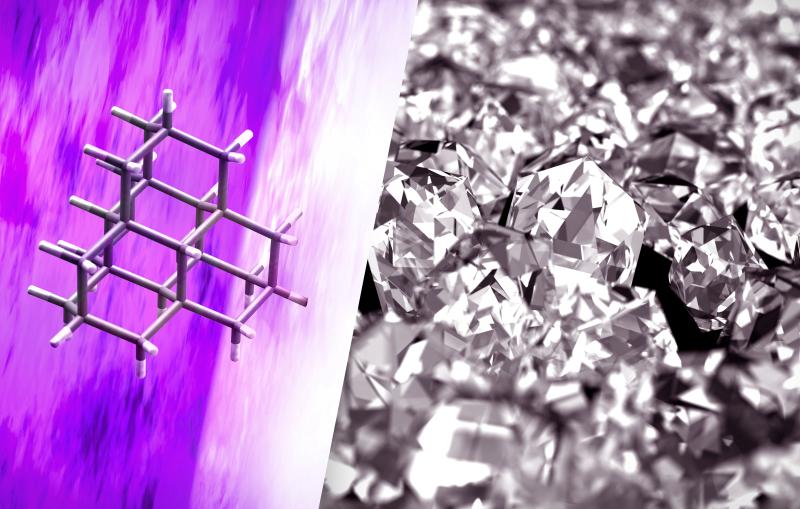
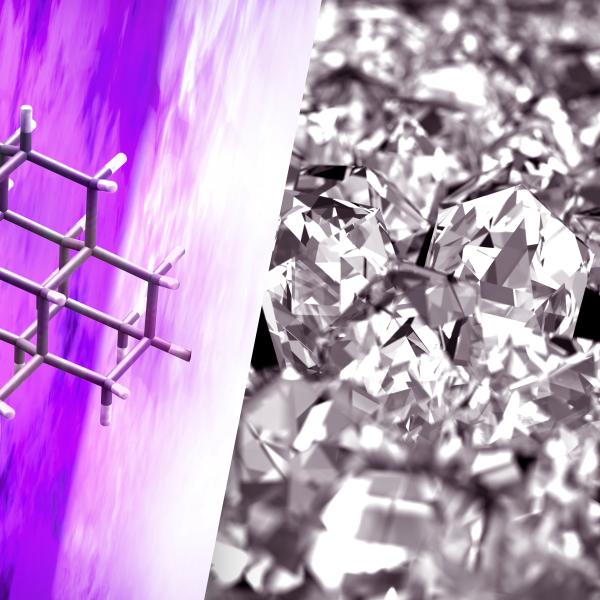
A SLAC-Stanford study reveals exactly what it takes for diamond to crystallize around a “seed” cluster of atoms. The results apply to industrial processes...

Illustration of diamondoid and diamond crystals
Feature

Tony Heinz and Z-X Shen will receive funding for research focused on catalysis and novel states of matter.

News Release

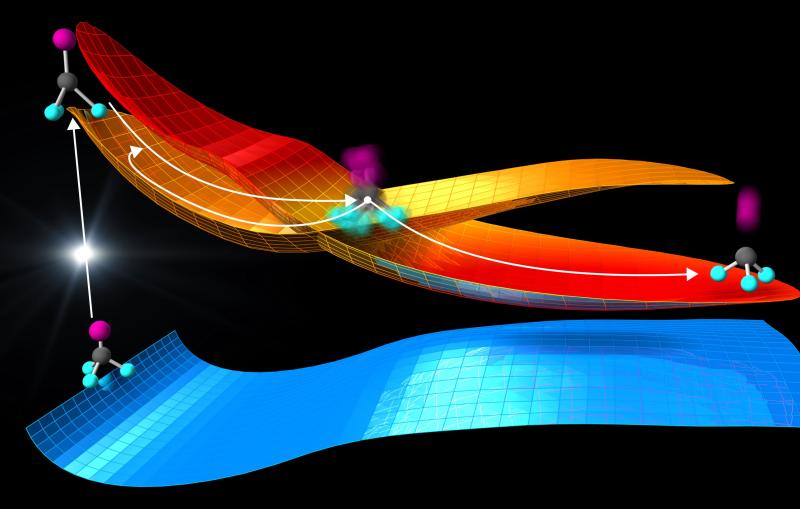
To break, or not to break: An unprecedented atomic movie captures the moment when molecules decide how to respond to light.

UED Bond Breaking
Feature

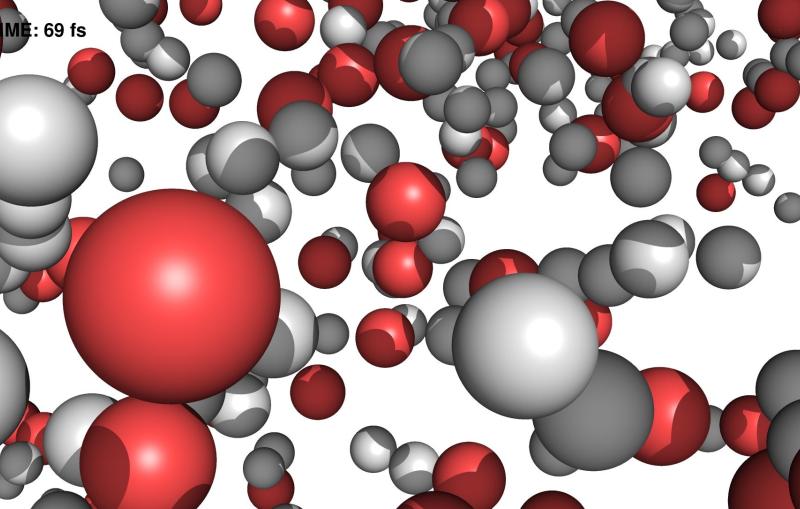
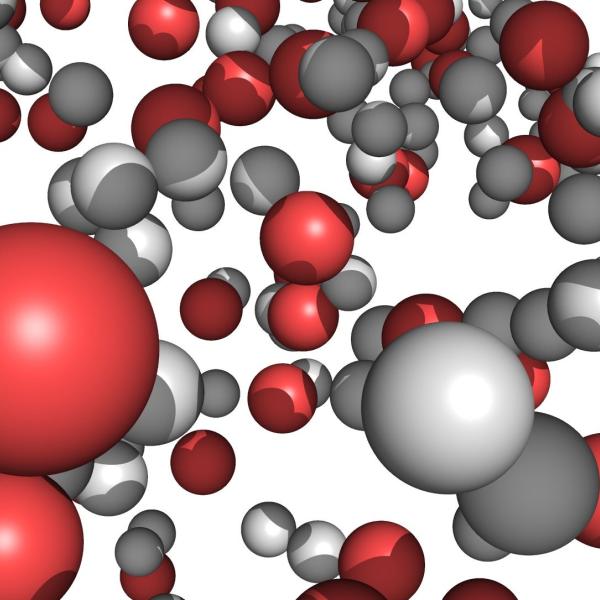
Experiments at SLAC heated water from room temperature to 100,000 degrees Celsius in less than a millionth of a millionth of a second, producing...

Illustration of water molecules hit by X-ray laser
Feature

The professor at University of California, Davis, describes his innovative work at SLAC’s synchrotron to search for simple, selective catalysts.

Portrait of Bruce Gates
Feature

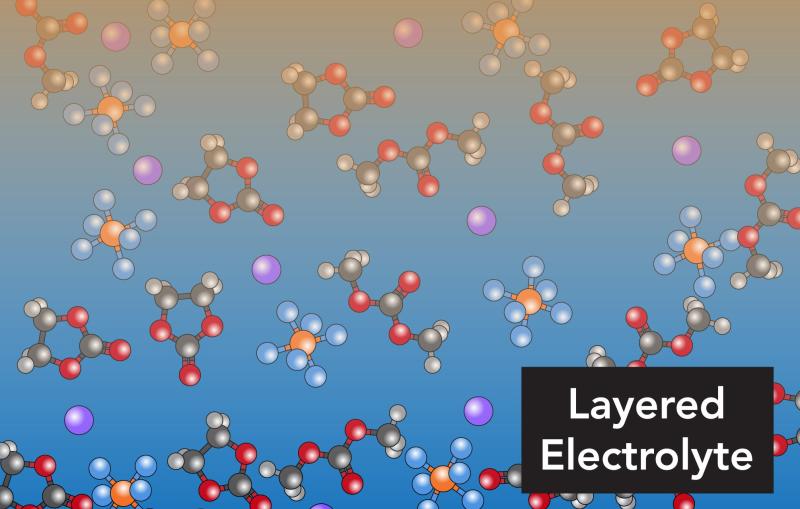
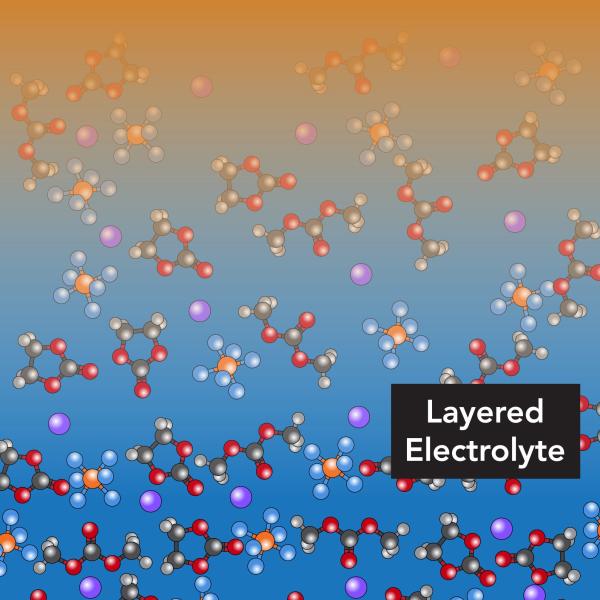
Streamlining their journey through the electrolyte could help lithium-ion batteries charge faster.

Illustration of molecular layers in battery electrolyte
News Release

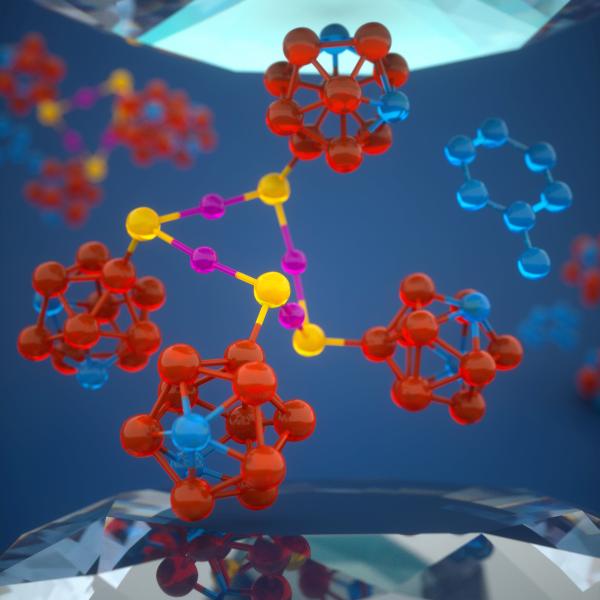
Experiments with 'molecular anvils' mark an important advance for mechanochemistry, which has the potential to make chemistry greener and more precise.

Illustration of soft molecules attached to molecular anvils between diamond tips
Feature

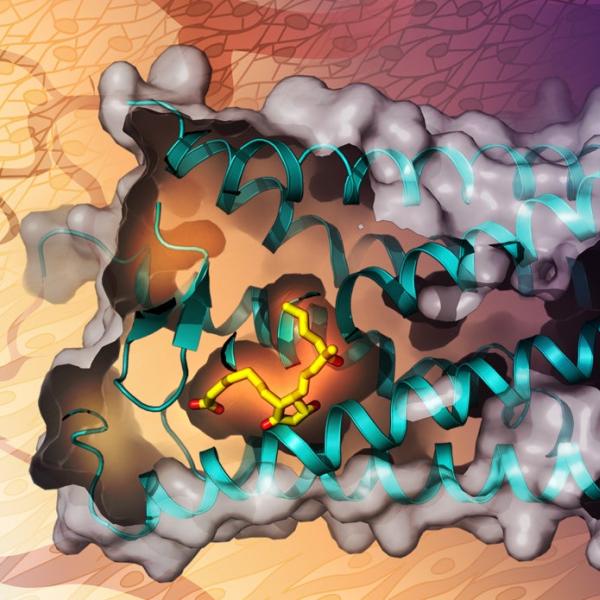
Biochemical 'action shots' with SLAC’s X-ray laser could help scientists develop synthetic enzymes for medicine and answer fundamental questions about how enzymes change during...

SLAC associate staff scientist Thomas Joseph Lane at the Coherent X-Ray Imaging instrument
Feature

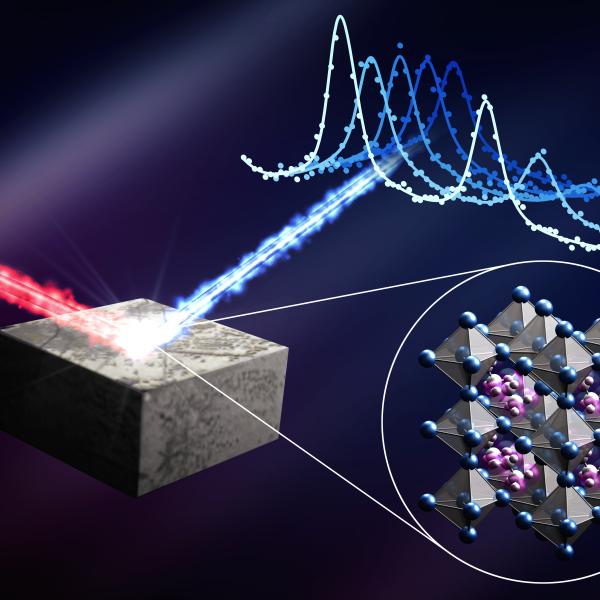
In experiments with the lab’s ultrafast "electron camera," laser light hitting a material is almost completely converted into nuclear vibrations, which are key to...

UED Molybdenum Diselenide
Feature

Lithium ion batteries may remain tops for sheer performance, but when cost-per-storage is factored in, a design based on sodium ions offers promise; research...

Feature

This novel method could shrink the equipment needed to make laser pulses billionths of a billionth of a second long for studying ultra-speedy electron...

In this illustration, a near-infrared laser beam hits a piece of ordinary glass and triggers a process called high harmonic generation