SLAC topics

Biological sciences RSS feed

Tiny microbes and molecular machines have an outsized impact on human health, and they play key roles in the vast global cycles that shape climate and make carbon and nitrogen available to all living things. 

Related link:
Science of life

Browse tagged content
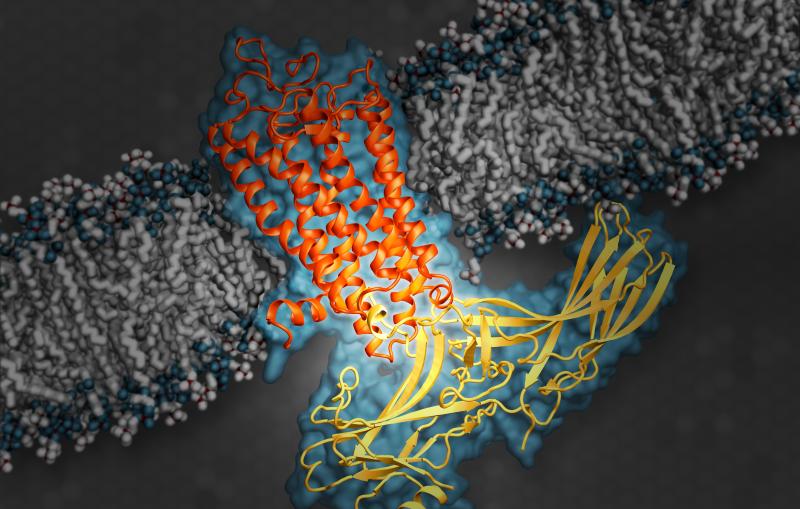
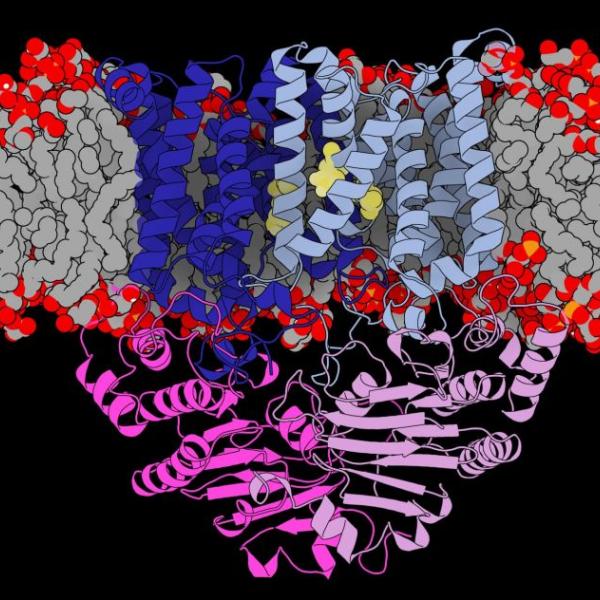
This illustration shows arrestin, an important type of signaling protein
Feature

Their work helps reveal the inner workings of cells and the behavior of matter under extreme pressures and temperatures.

Feature

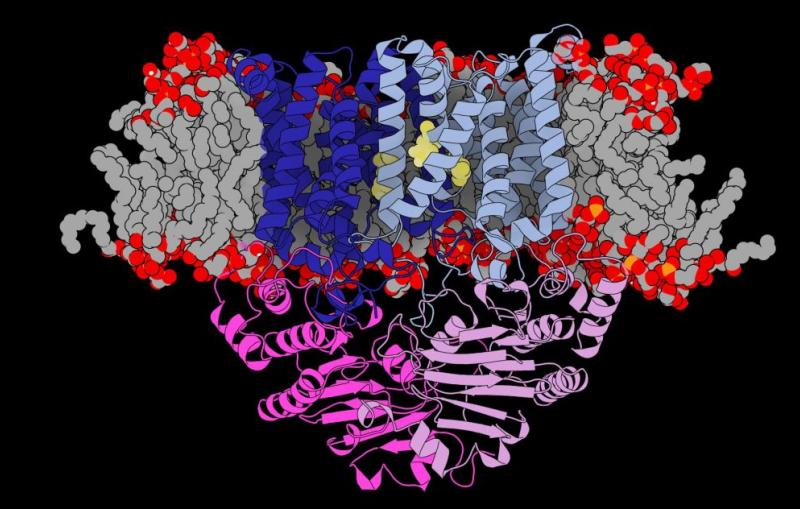
Drawing on SLAC facilities, Australian researchers have revealed how Streptococcus pneumoniae bacteria obtain manganese from our bodies, which could lead to better therapies to...

A protein molecule with intertwined spirals around a small yellow center form.
Feature

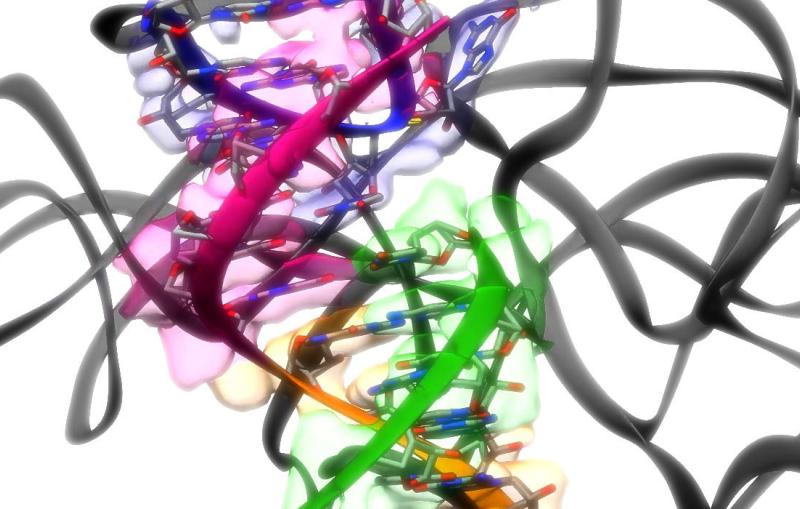
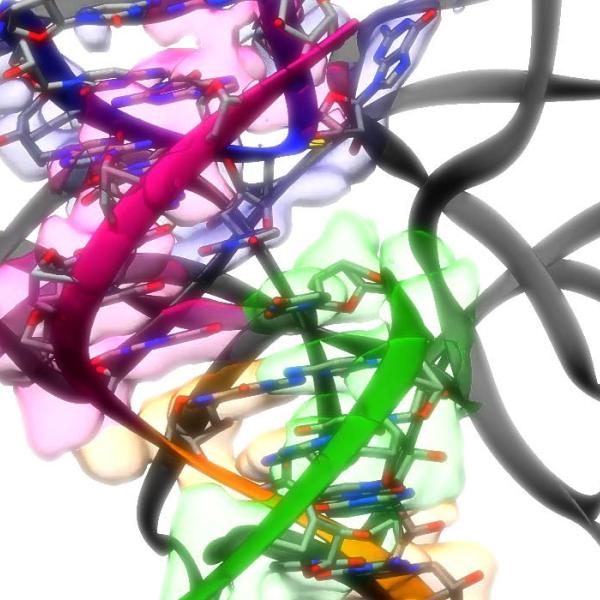
SLAC and Stanford scientists used it to zoom in on an iconic RNA catalyst and a piece of viral RNA that’s a potential target...

A high-res 3D ribbon diagram showing the structure of part of an RNA molecule
News Brief

Petroglyphs are carved in a material called rock varnish, the origins of which have been debated for years. Now, scientists argue it’s the result...

Rock art featuring human and animal forms and handprints
Feature

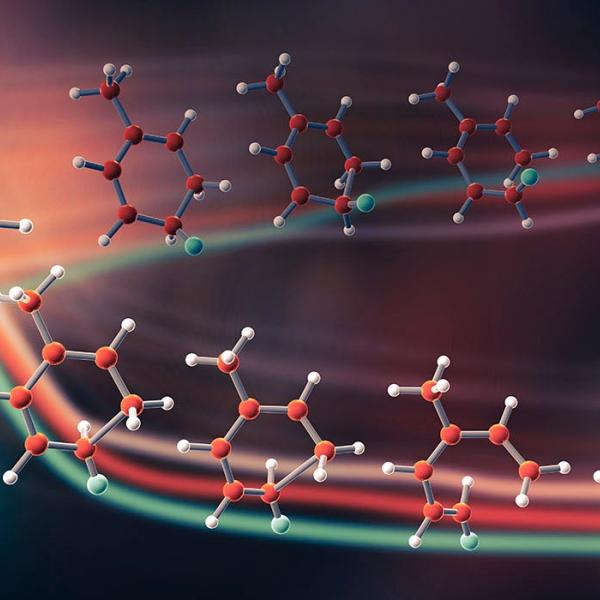
The Horizon Prizes celebrate the most exciting, contemporary chemical science at the cutting edge of research and innovation.

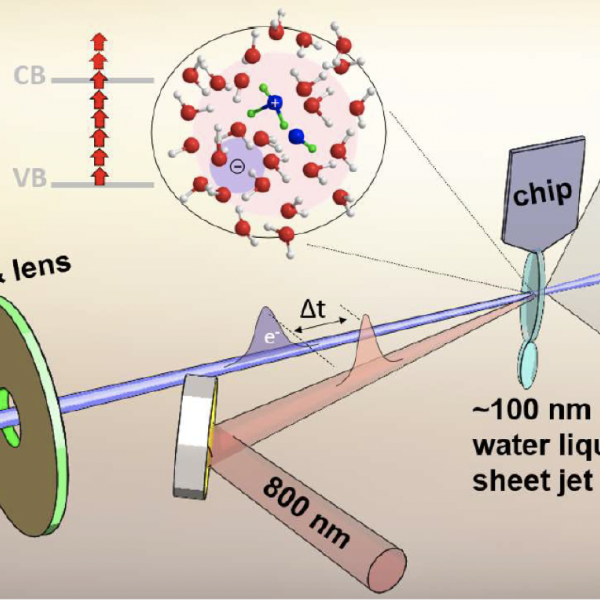
ultrafast X-ray scattering
Feature

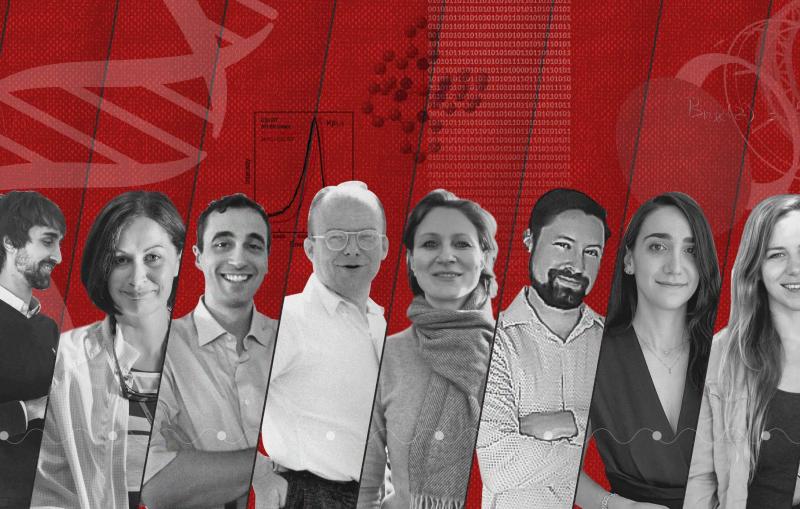
From the invisible world of elementary particles to the mysteries of the cosmos, recipients of this prestigious award for early career scientists explore nature...

Panofsky fellows
Feature

Derived from microscopic algae, the rare, light-driven enzyme converts fatty acids into starting ingredients for solvents and fuels.

Illustration of molecular structure of an enzyme that is powered by sunlight
News Brief

Two groups of researchers drew on SLAC tools to better understand how to target a key part of the virus that causes COVID-19.

Illustration of SARS-CoV-2, a round ball with spikes.
Feature

SSRL and LCLS scientists will help visiting research teams solve their experimental challenges, then apply what they’ve learned to help others work more efficiently.

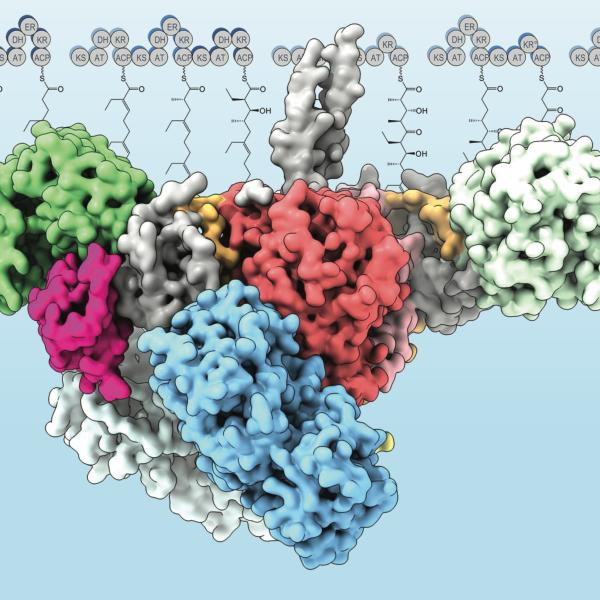
Diagram of a complex molecule
Feature

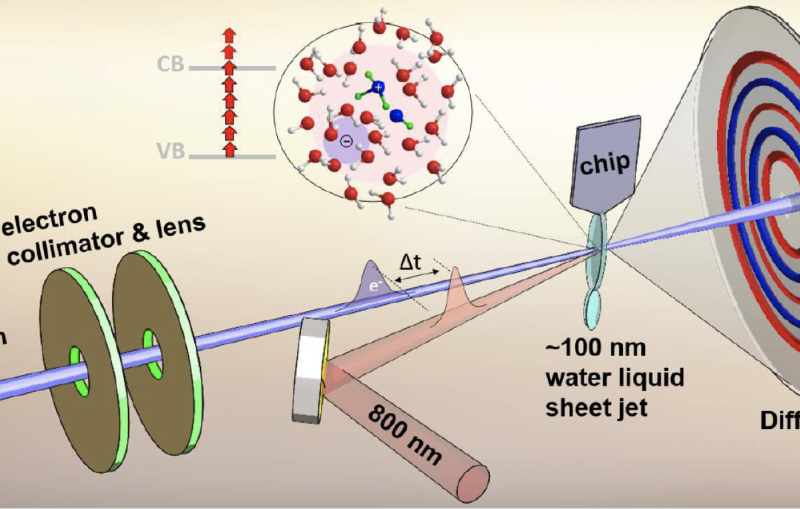
Scientists get dramatically better resolution at X-ray free-electron lasers with a new technique.

timingjitter
Feature

Stanford EM-X brings hundreds of researchers around the world together to discuss the latest methods and discoveries from electron microscopes.

Black and white electron microscope images of pollen.
Feature

G6PD deficiency affects about 400M people worldwide and can pose serious health risks. Uncovering the causes of the most severe cases could finally lead...

G6PD enzyme in red blood cell