SLAC topics

Biological sciences RSS feed

Tiny microbes and molecular machines have an outsized impact on human health, and they play key roles in the vast global cycles that shape climate and make carbon and nitrogen available to all living things. 

Related link:
Science of life

Browse tagged content
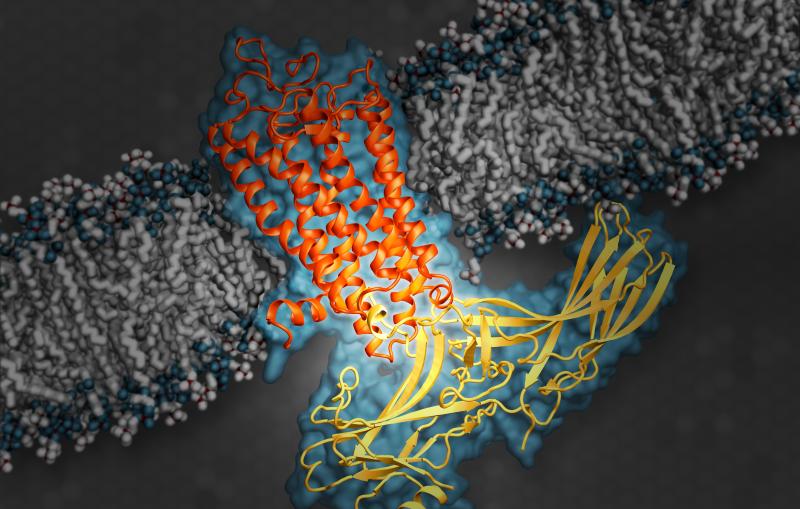
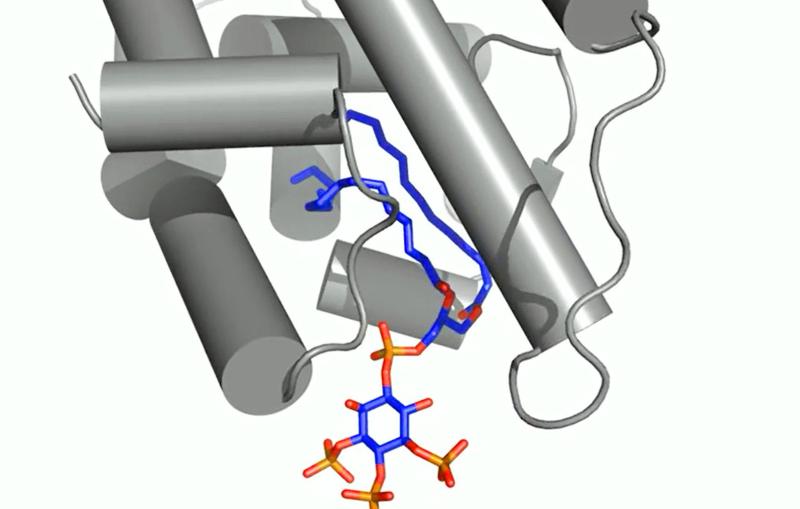
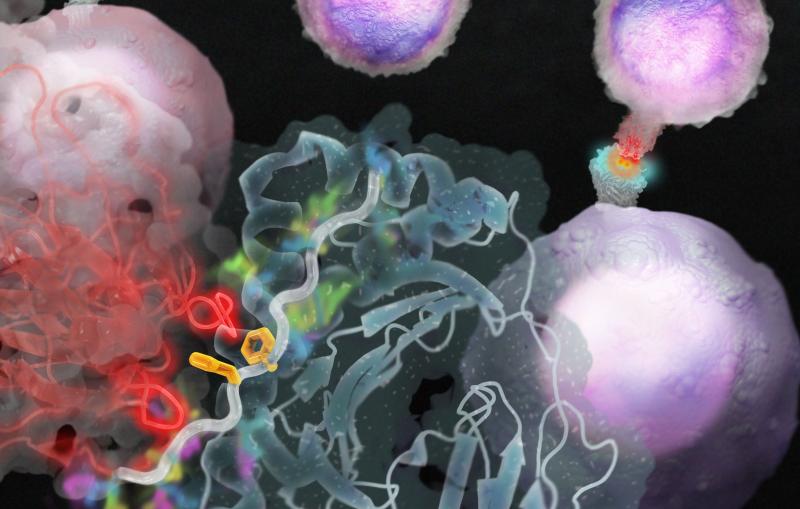
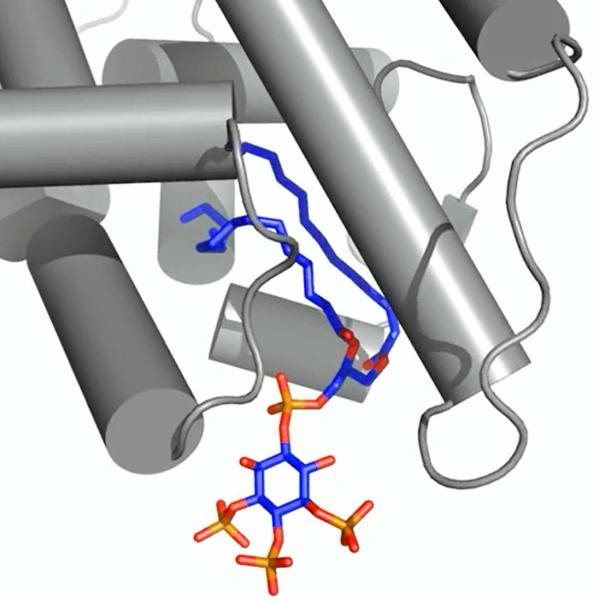
This illustration shows arrestin, an important type of signaling protein
Feature

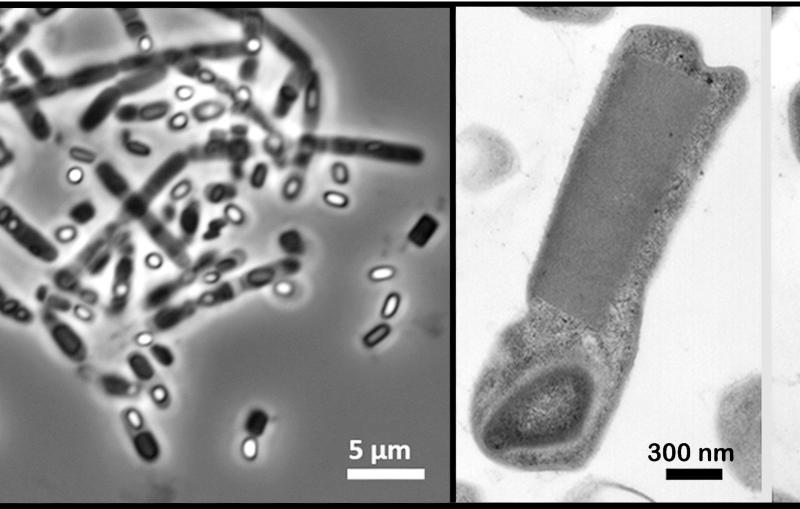
Experiment at SLAC's X-ray Laser Opens Door to Exploring Cell Interiors

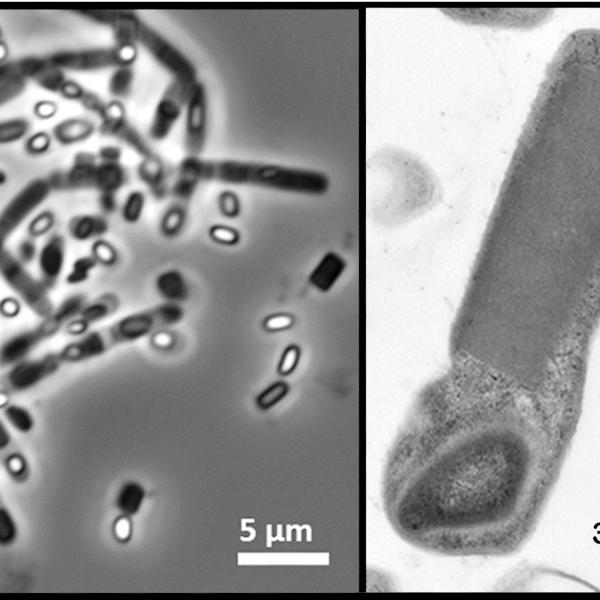
Image - These micrograph images show rod-shaped bacterial cells suspended in pure water. The dark rectangular shapes inside the cells correspond to naturally occurring crystals within the cells.
Feature

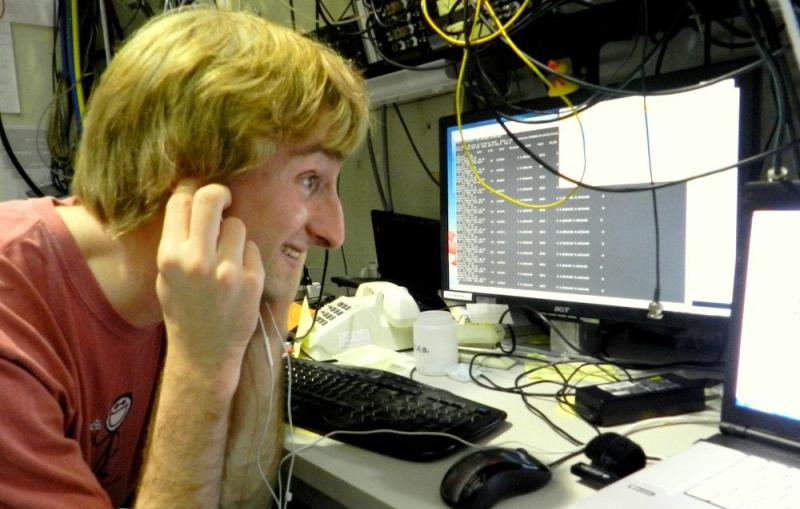
Chris Pollock Adapted Technique to Study Biomolecules in More Detail

Image - Chris Pollock monitors an experiment at SLAC's Stanford Synchrotron Radiation Lightsource. (Courtesy of Chris Pollock)
Feature

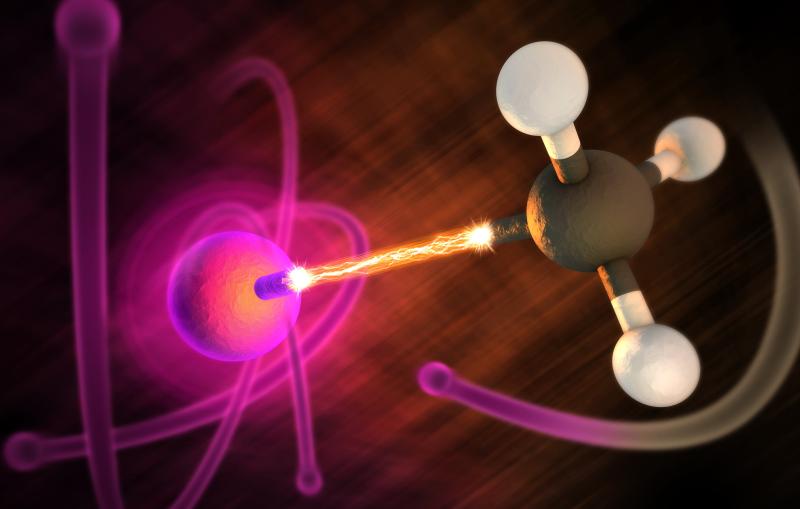
SLAC Experiment Provides New Insight About How Electrons Move Across Molecules

Researchers used SLAC's LCLS X-ray laser to stimulate and measure the electron-transfer process inside a severed methyl iodide molecule.
Feature

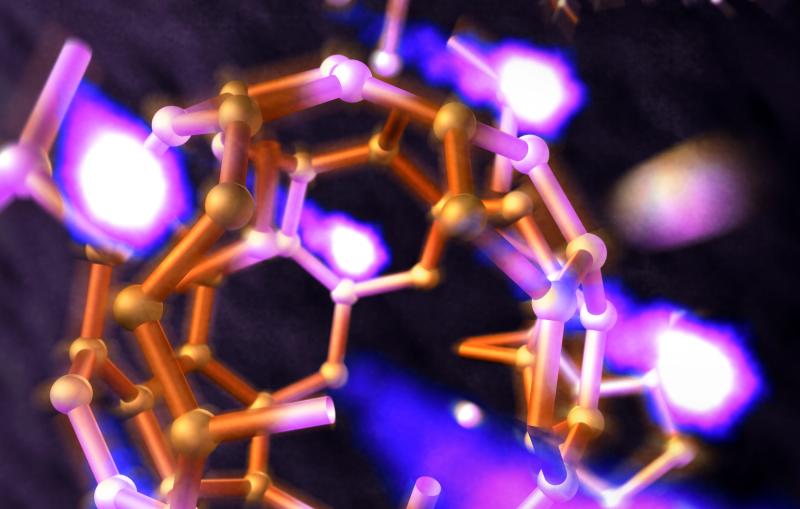
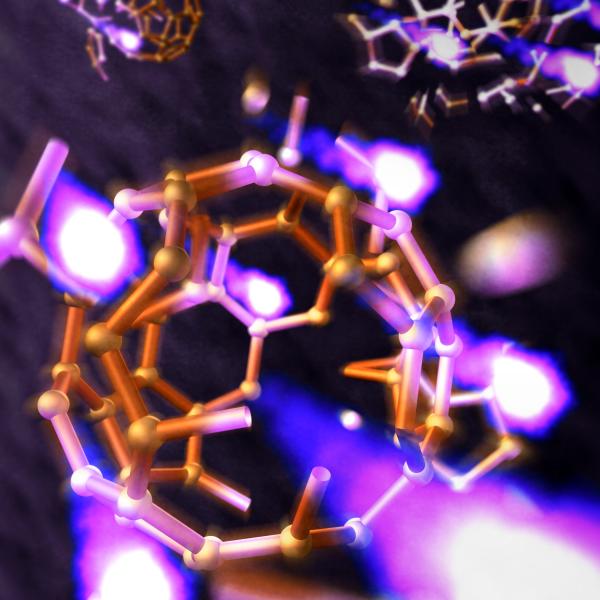
Exploding Soccer Ball-shaped Molecules Will Help Biological Studies

Image - Buckyballs, molecules composed of 60 carbon atoms, bust apart as they are struck by intense X-ray pulses at SLAC's Linac Coherent Light Source. (Greg Stewart/SLAC)
News Release

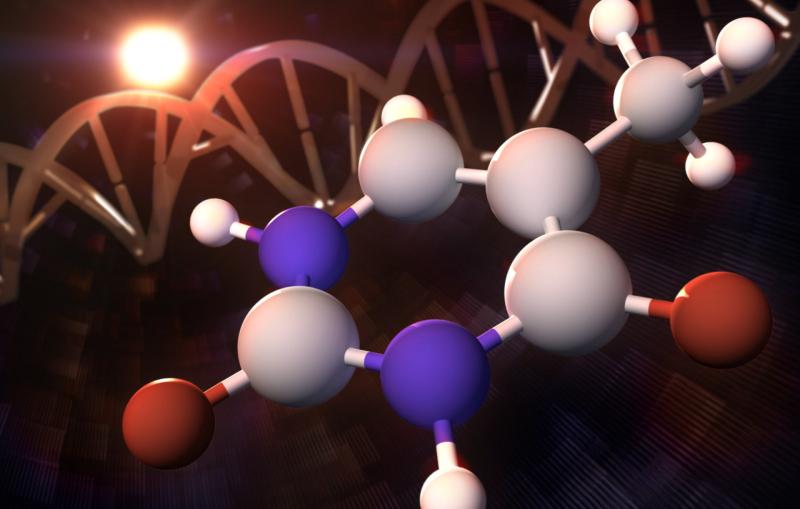
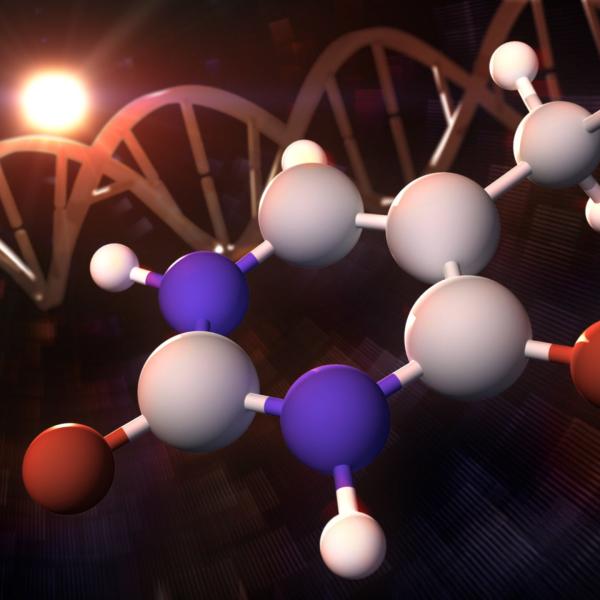
SLAC Research Reveals Rapid DNA Changes that Act as Molecular Sunscreen

Illustration showing a thymine molecule, DNA helix and the sun.
Feature

Even in their infancy, X-ray lasers such as SLAC's Linac Coherent Light Source are notching a list of important discoveries, and a special issue...

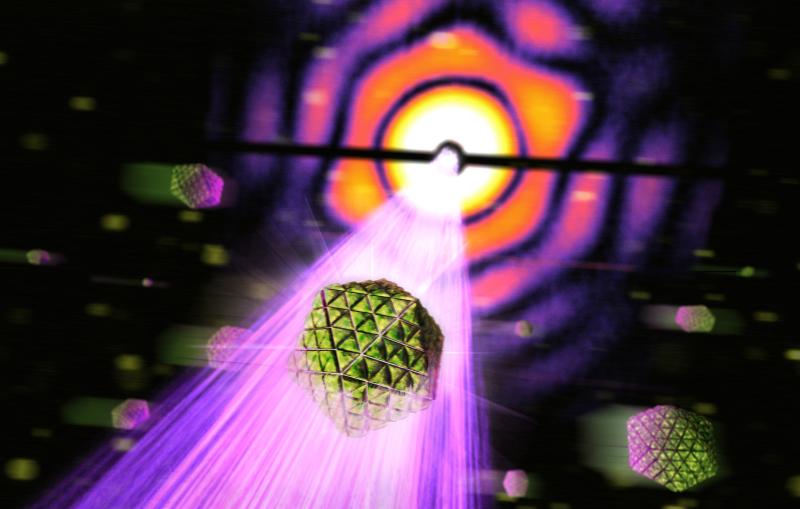
Image - This illustration represents data derived from 175,000 X-ray diffraction patterns of Trapanosoma brucei cathepsin B, a protein relevant to African sleeping sickness, measured with X-ray pulses at SLAC's Linac Coherent Light Source. (CFEL)
News Release

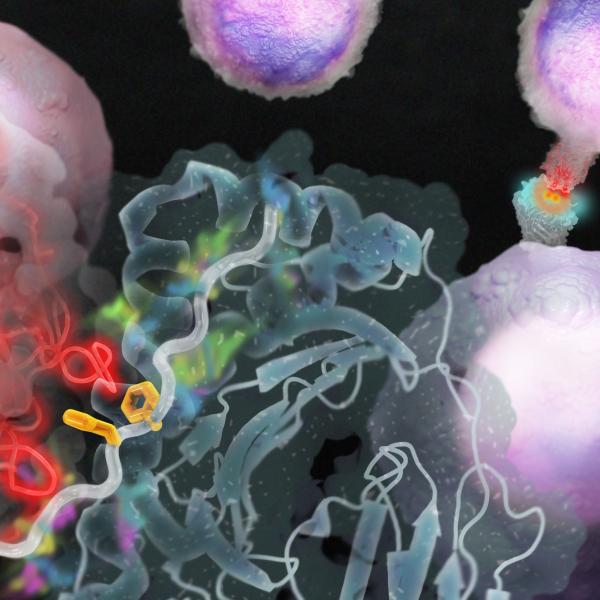
By finding surprising similarities in the way immune system defenders bind to disease-causing invaders, a new study may help scientists develop new treatments.

Conceptual art - see caption
Feature

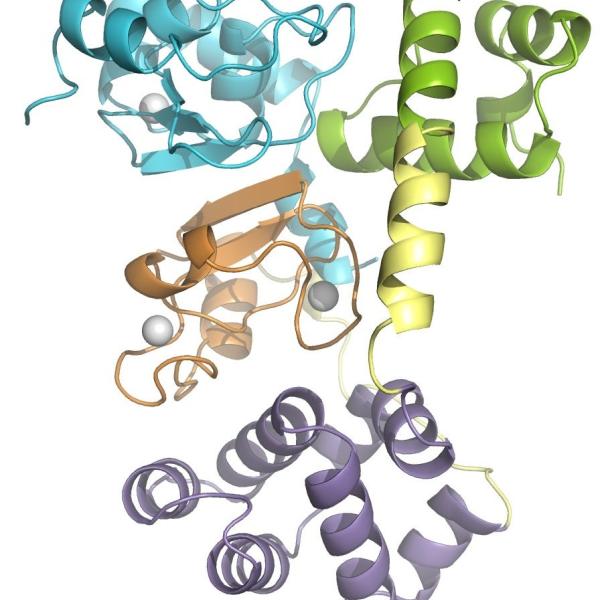
Researchers have discovered that an Ebola virus protein can transform into three distinct structures with different functions. This rather uncommon property provides new clues...

ebola protein
Feature

Five years ago, the brightest source of X-rays on the planet lit up at SLAC. The Linac Coherent Light Source (LCLS) X-ray laser's scientific...

Image - Some of the LCLS team members stand by the newly installed undulators in this 2009 photo. From right: Mike Zurawel, Geoff Pile from Argonne National Laboratory, Paul Emma, Dave Schultz, Heinz-Dieter Nuhn and Don Schafer. (Brad Plummer)
Feature

X-ray studies conducted at SLAC and in the United Kingdom have resurrected the detailed chemistry of 50-million-year-old leaves from fossils found in the western...

A composite optical and X-ray image (red is copper, green is zinc, blue is nickel) of a 50-million-year-old leaf fossil. Trace metals correlate with the leaf's original biological structures. Also visible are ancient caterpillar feeding tubes.
Feature

A new tool for analyzing mountains of data from SLAC’s Linac Coherent Lightsource (LCLS) X-ray laser can produce high-quality images of important proteins using...

Photo - Nicholas Sauter, middle, points to a monitor during an experiment this month at SLAC's Linac Coherent Light Source X-ray laser.
Feature

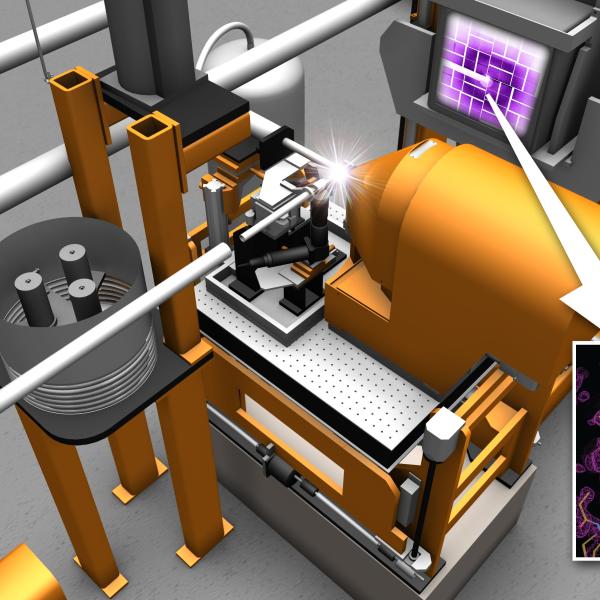
A 2-ton instrument the size of a compact car, now available at SLAC's X-ray laser, makes it possible to capture more detailed images of...

Photo - A view of the LAMP instrument at SLAC's Linac Coherent Light Source X-ray laser. (SLAC)