
SLAC topics

AI and machine learning RSS feed

Artificial intelligence (AI) simply means intelligence in machines, in contrast to natural intelligence found in humans and other natural organisms. Machine learning involves systems that automatically learn from the data they analyze and the results they obtain to improve their ability to work with that data in the future.

AI and ML at SLAC

DOE explains... artificial intelligence
Browse tagged content

Artistic representation of a neural network superimposed on an electron beam profile
Feature

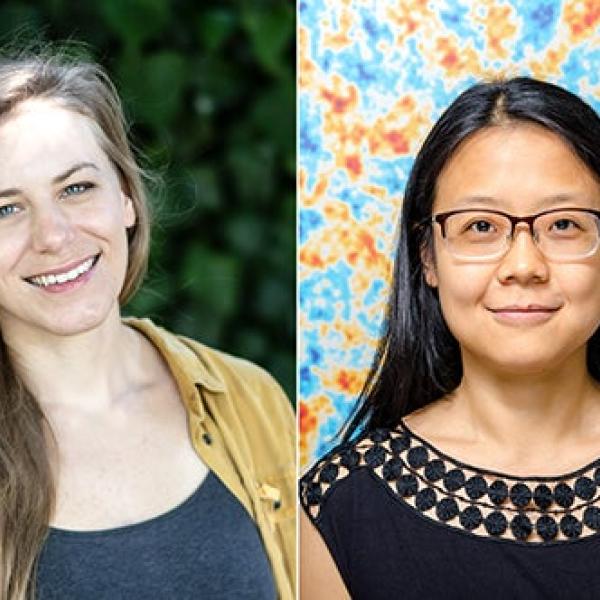
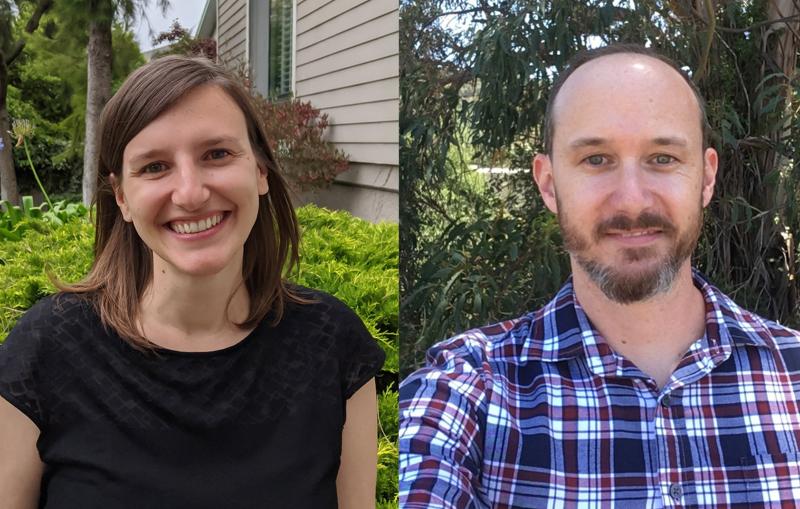
The prestigious awards provide at least $2.5 million over five years in support of their work in understanding photochemical reactions and improving accelerator beams.

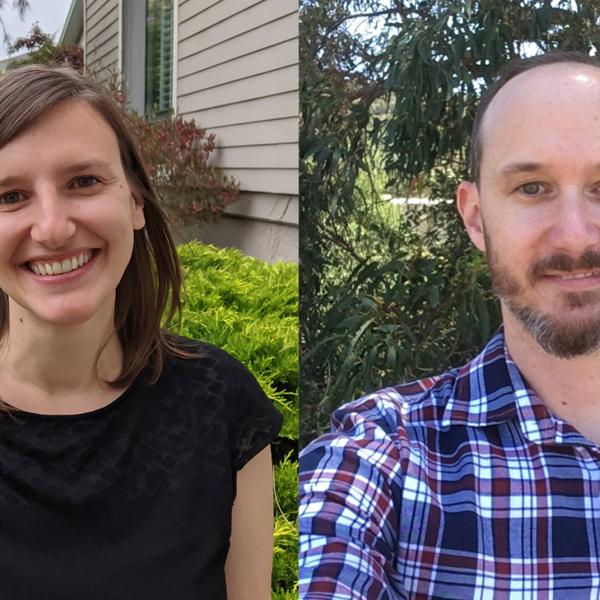
SLAC staff scientists Amy Cordones-Hahn and Brendan O'Shea
News Brief

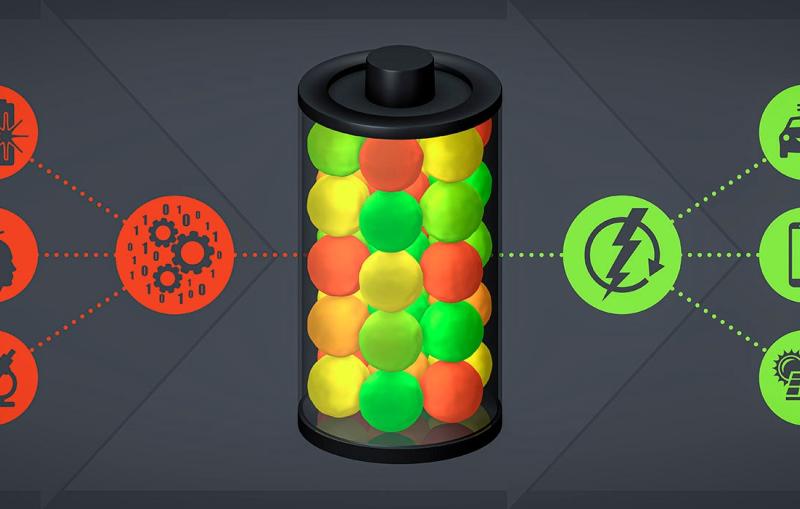
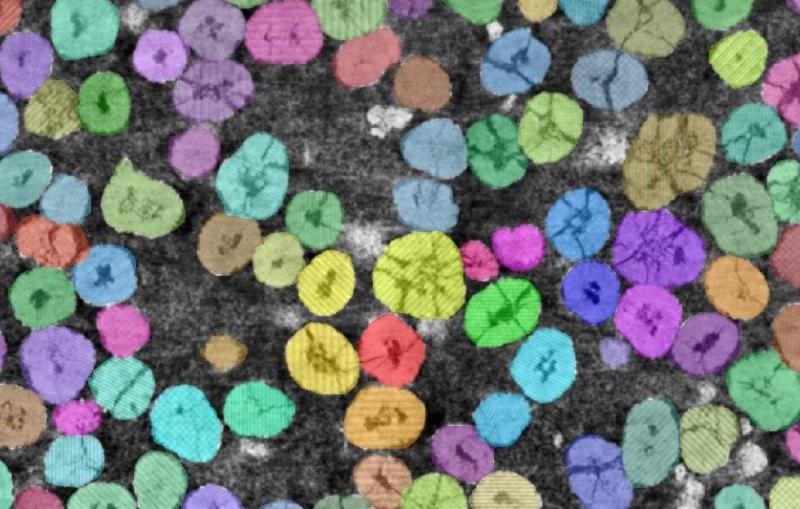
New machine learning methods bring insights into how lithium ion batteries degrade, and show it’s more complicated than many thought.

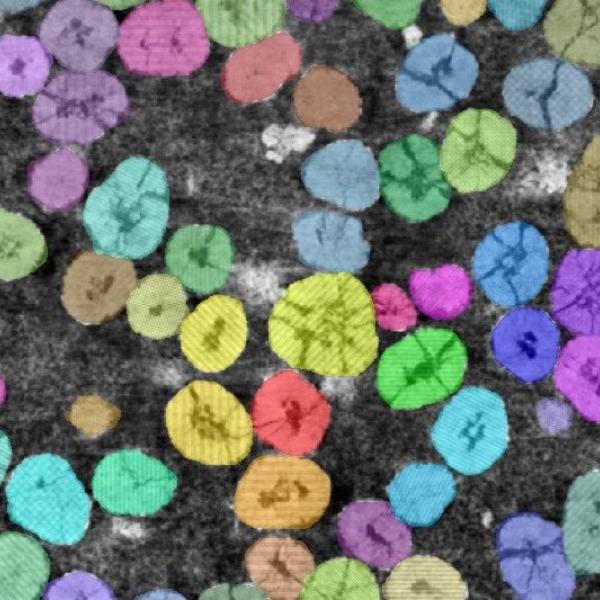
Particles in a nickel-manganese-cobalt cathode are highlighted using a new computer vision algorithm.
Feature

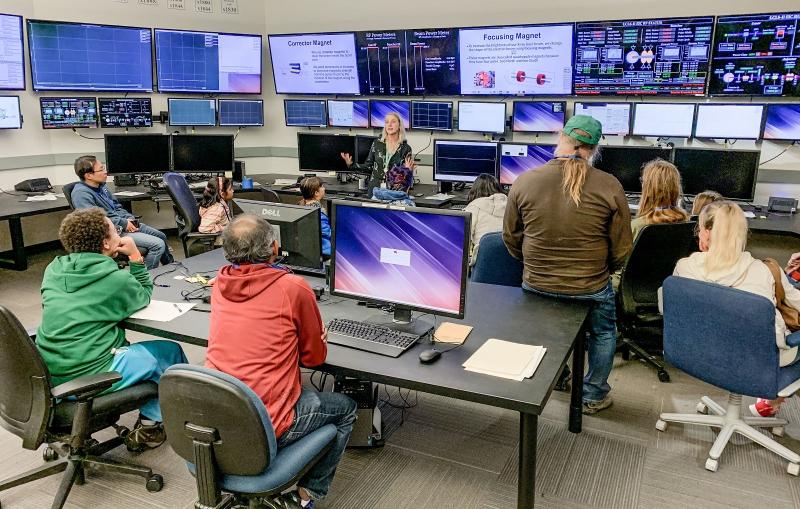
It combines human knowledge and expertise with the speed and efficiency of “smart” computer algorithms.

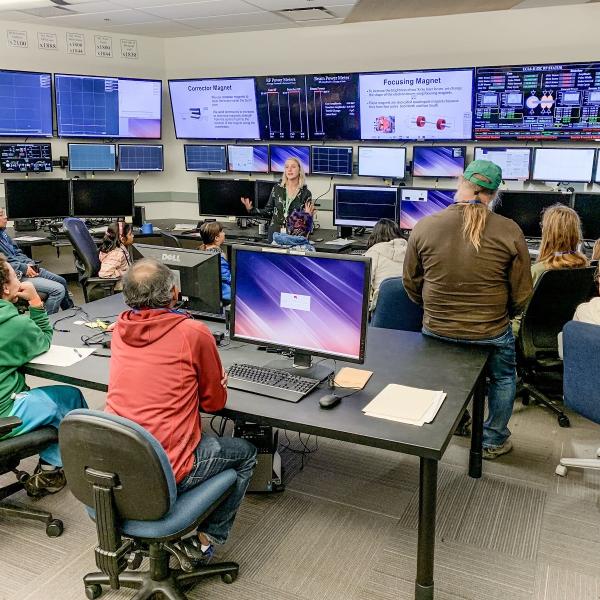
Accelerator Control Room
Feature

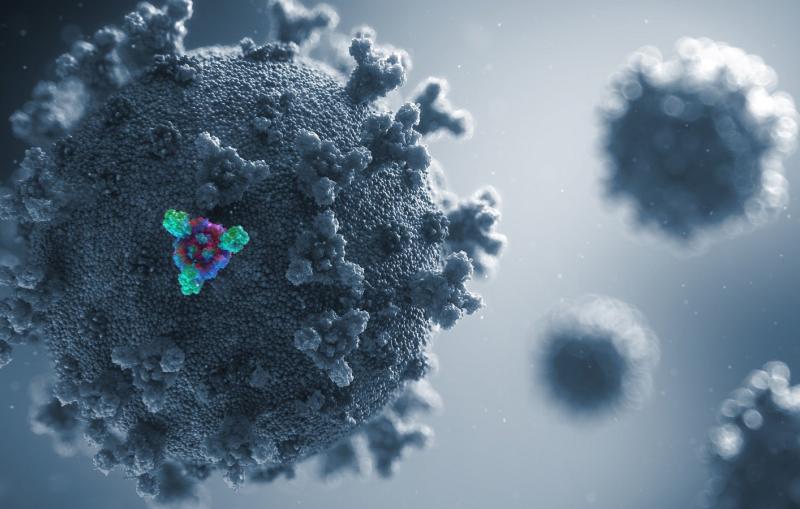
The lab is responding to the coronavirus crisis by imaging disease-related biomolecules, developing standards for reliable coronavirus testing and enabling other essential research.

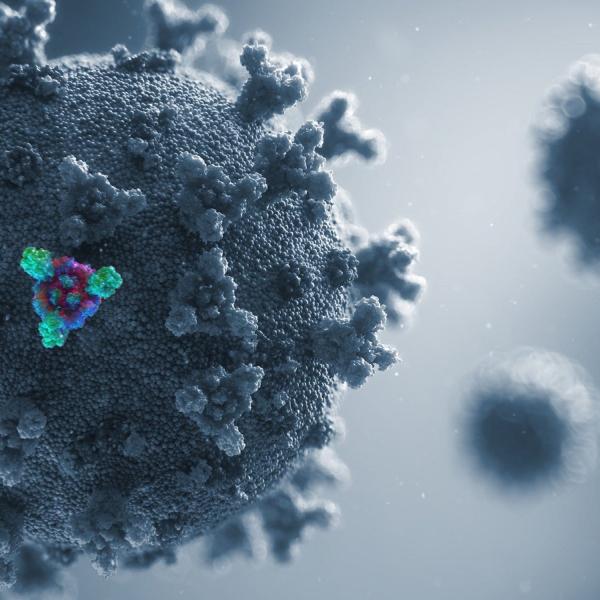
SARS-CoV-2
Feature

Particle accelerators are some of the most complicated machines in science.

Feature

To keep up with an impending astronomical increase in data about our universe, astrophysicists turn to machine learning.

Feature

Researchers from SLAC and around the world increasingly use machine learning to handle Big Data produced in modern experiments and to study some of...

Machine Learning in HEP
Feature

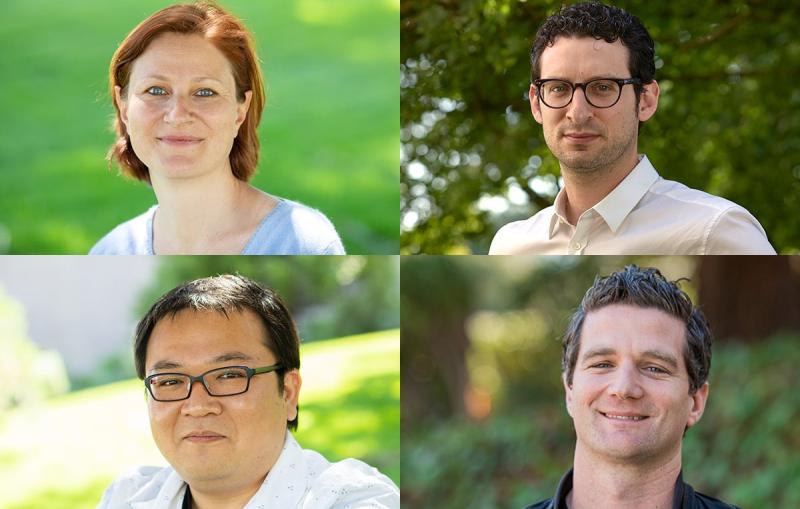
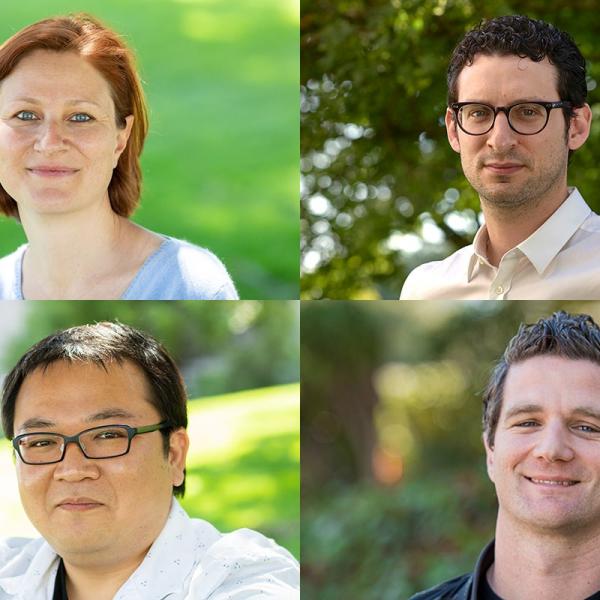
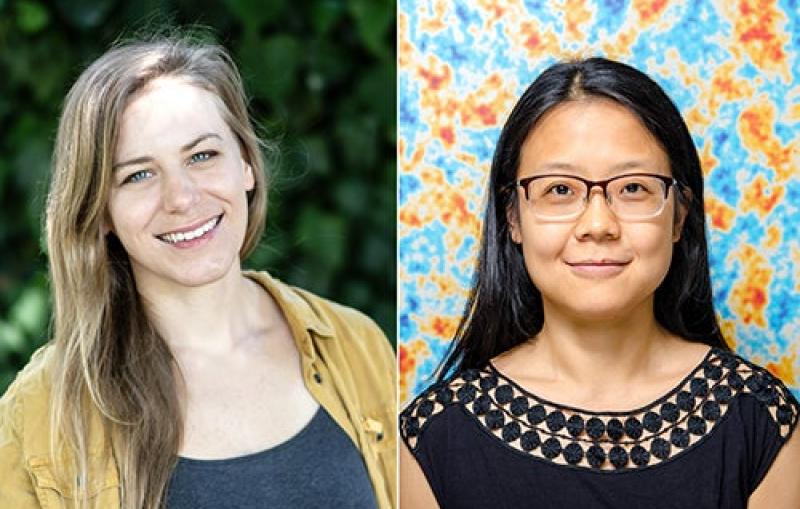
Tais Gorkhover, Michael Kagan, Kazuhiro Terao and Joshua Turner will each receive $2.5 million for research that studies fundamental particles, nanoscale objects, quantum materials...

Photos of SLAC's 2018 Early Career Award winners
News Release

SLAC and its collaborators are transforming the way new materials are discovered. In a new report, they combine artificial intelligence and accelerated experiments to...

SLAC postdoctoral scholar Fang Ren at an SSRL beamline
Feature
VIA Symmetry Magazine

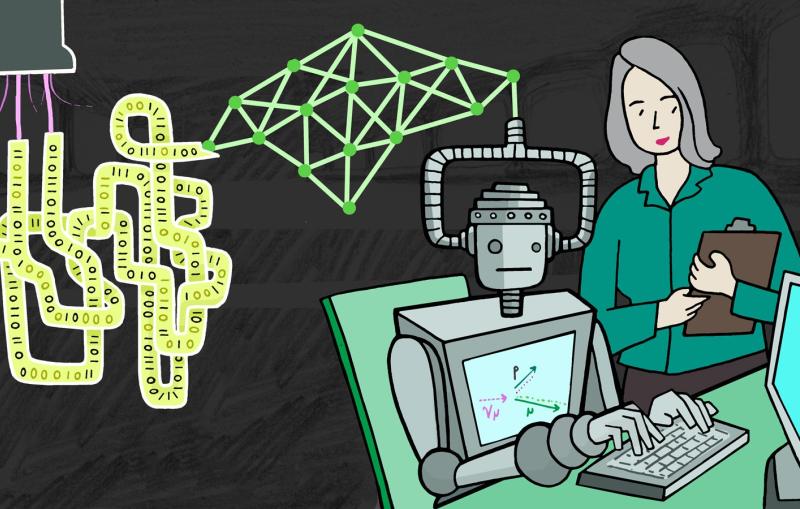
Neural Networks for Neutrinos

Scientists are using cutting-edge machine-learning techniques to analyze physics data.

Feature

As members of the lab’s Computer Science Division, they develop the tools needed to handle ginormous data volumes produced by the next generation of...

SLAC Computer Science Team
Feature

Innovations at SLAC, including the world’s shortest X-ray flashes, ultra-high-speed pulse trains and smart computer controls, promise to take ultrafast X-ray science to a...

Accelerators and Machine Learning