

SLAC topics

Accelerators RSS feed

Accelerators form the backbone of SLAC’s national user facilities. They generate some of the highest quality particle beams in the world, helping thousands of scientists perform groundbreaking experiments each year.

Browse tagged content

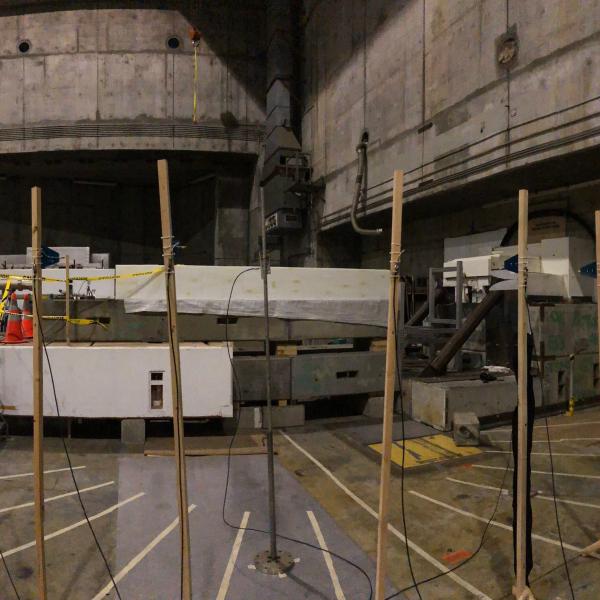
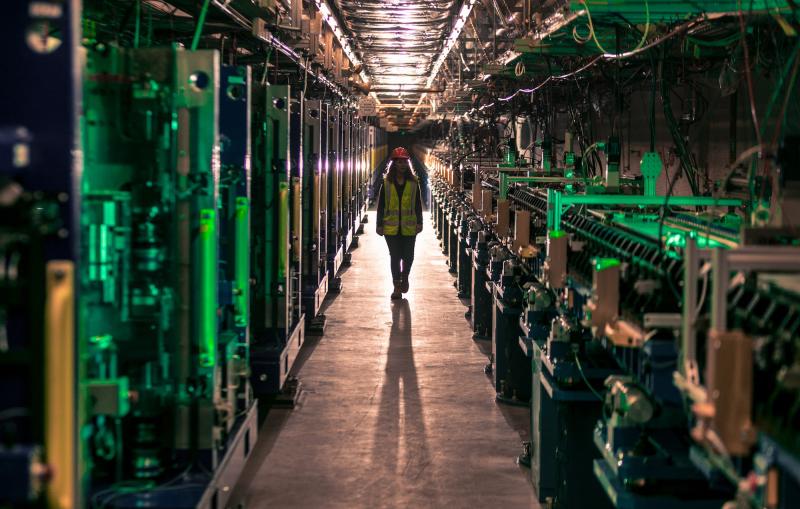
Linac towards SLAC campus
Feature

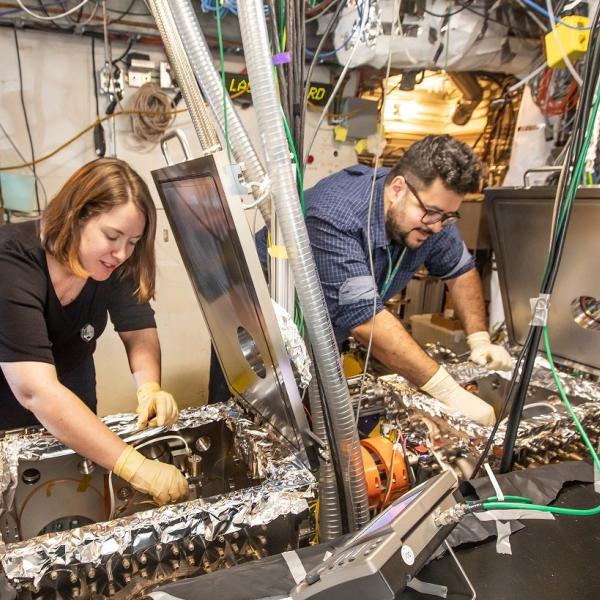
Researchers have squeezed a high-energy electron beam into tight bundles using terahertz radiation, a promising advance in watching the ultrafast world of atoms unfold.

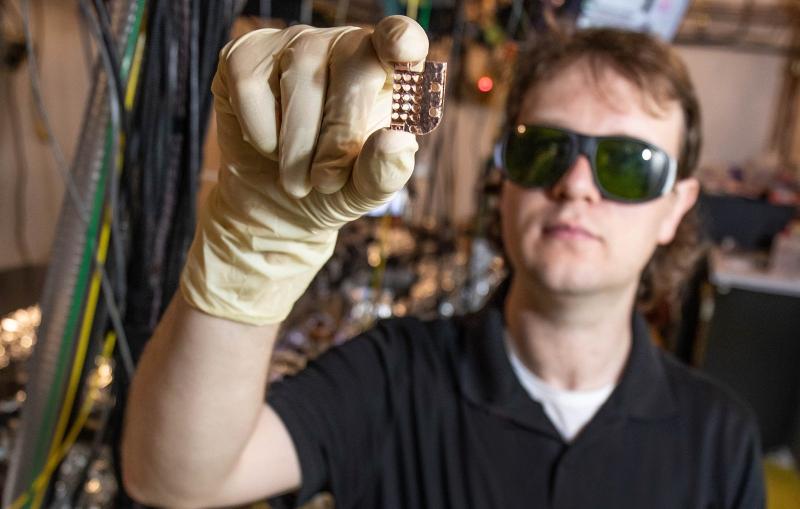
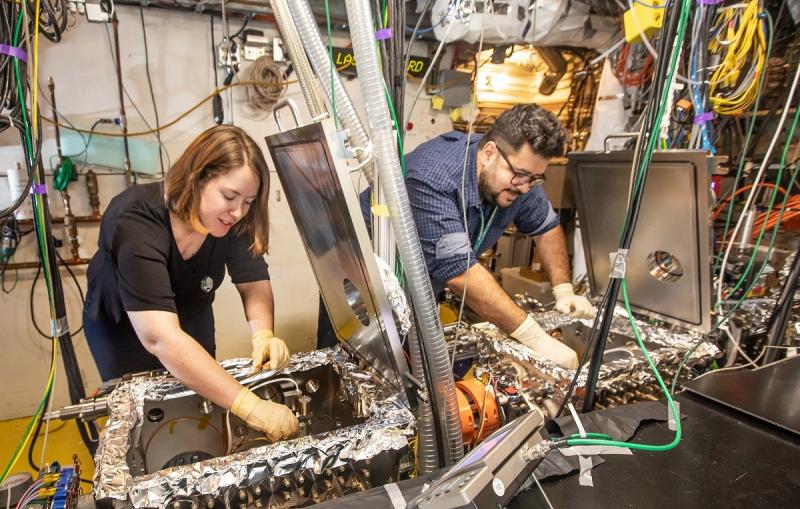
SLAC’s Emma Snively and Mohamed Othman at the lab’s high-speed “electron camera."
News Brief

A cheap technique could detect neutrinos in polar ice, eventually allowing researchers to expand the energy reach of IceCube without breaking the bank.

Radar echo
Feature

Siqi Li develops connections with people and concepts while working on new technologies for accelerators.

Siqi Li headshot
Feature

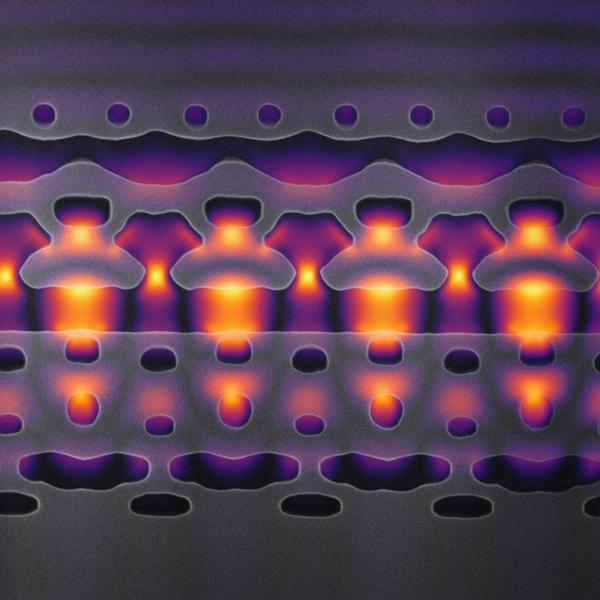
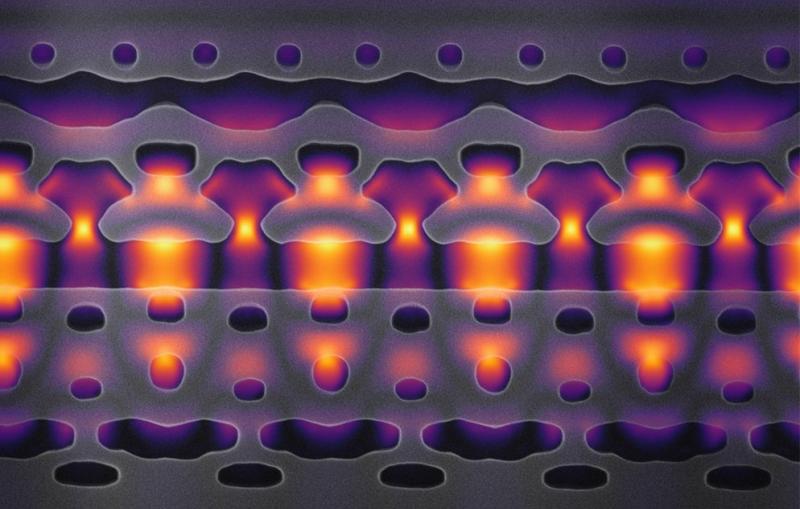
Just as engineers once compressed some of the power of room-sized mainframes into desktop PCs, so too have the researchers shown how to pack...

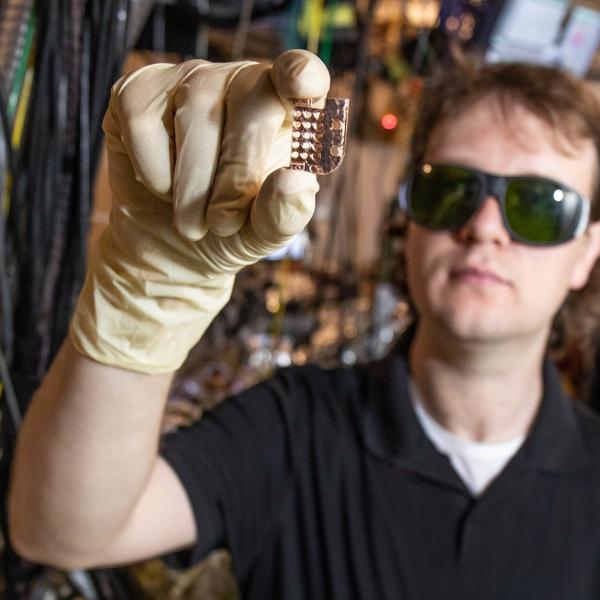
This image, magnified 25,000 times, shows a section of an accelerator-on-a-chip.
News Release

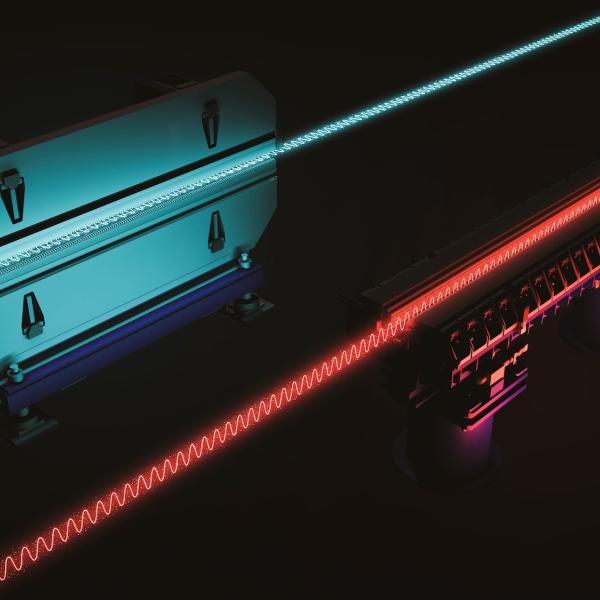
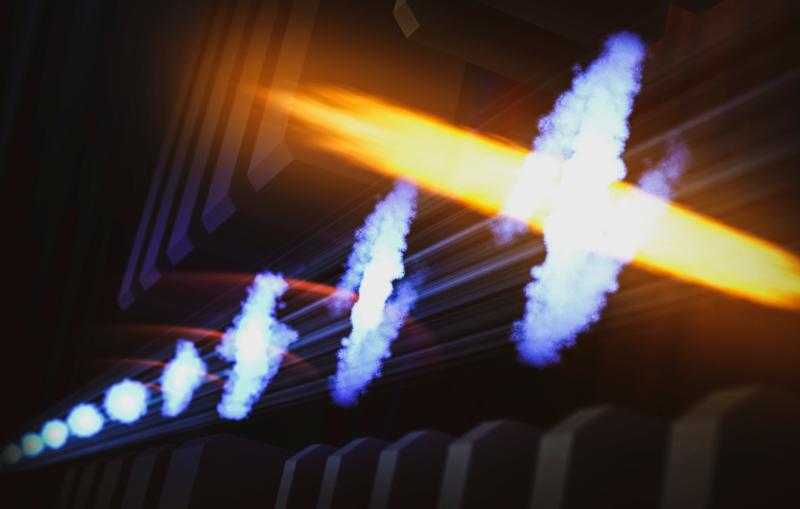
Called XLEAP, the new method will provide sharp views of electrons in chemical processes that take place in billionths of a billionth of a...

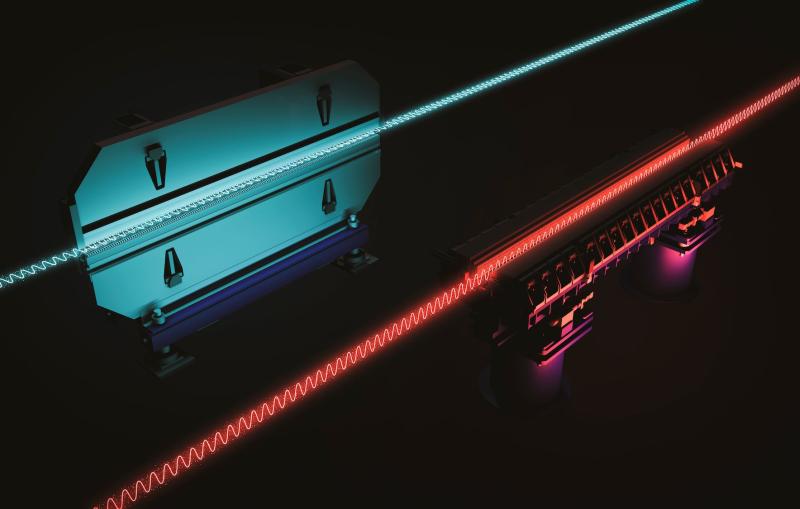
XLEAP illustration.
Feature

At SLAC’s FACET facility, researchers have produced an intense electron beam by 'sneaking’ electrons into plasma, demonstrating a method that could be used in...

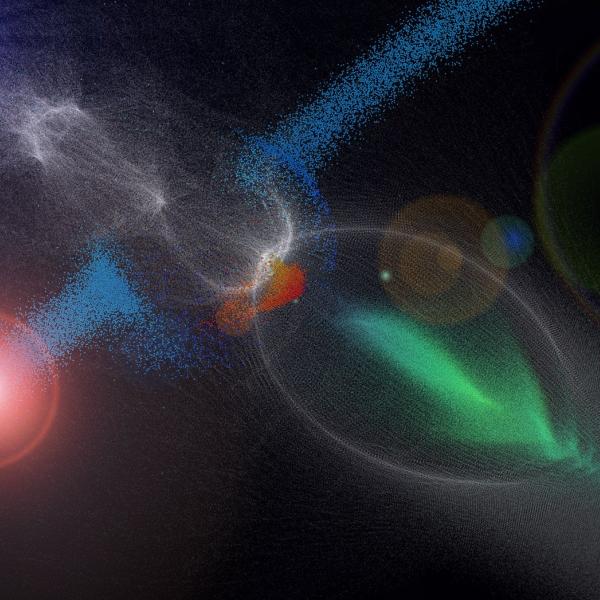
Trojan horse illustration
Feature

Combined with the lab’s LCLS X-ray laser, it’ll provide unprecedented atomic views of some of nature’s speediest processes.

Alex Reid, ultrafast electron diffraction (UED)
Feature

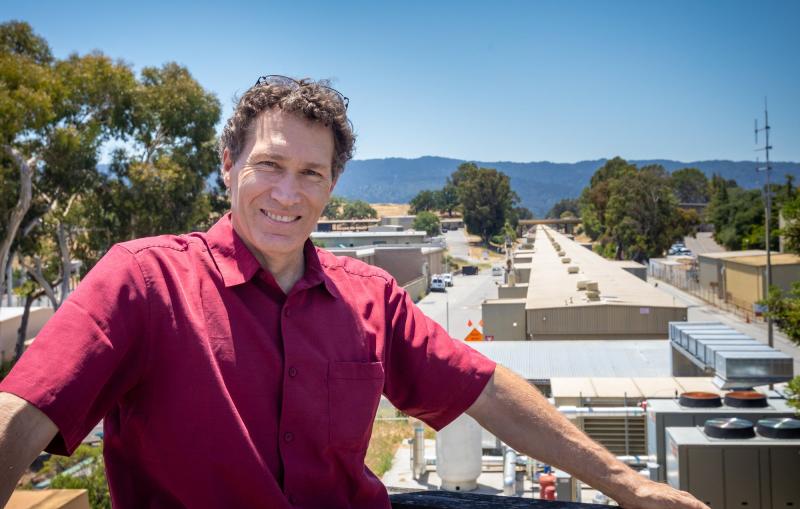
Physicist Tor Raubenheimer explores the world by climbing rocks and designing particle accelerators.

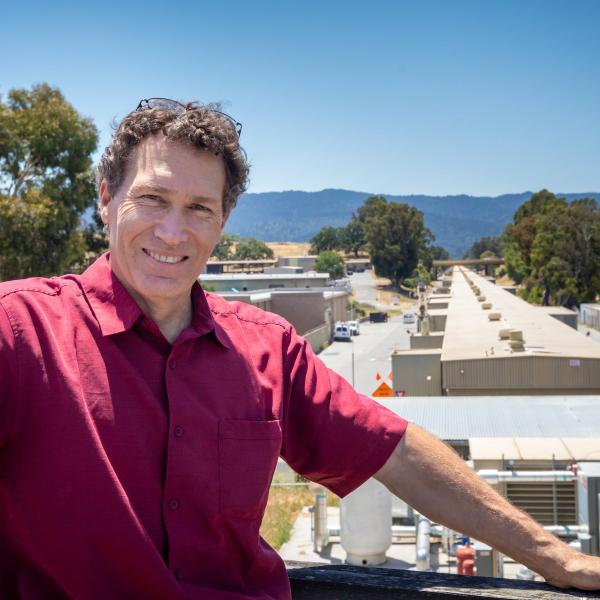
Photo: Tor Raubenheimer, accelerator physicist
Feature

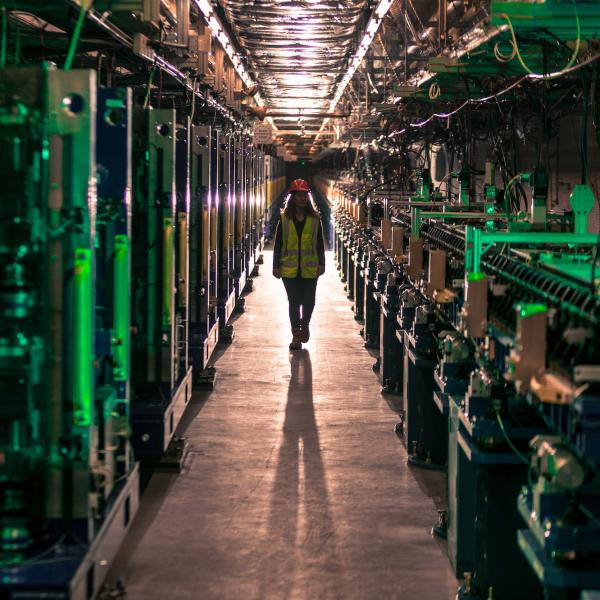
Its electron beams will drive the generation of up to a million ultrabright X-ray flashes per second.

LCLS-II first electron beam
Feature

SLAC’s ‘electron camera’ films rapidly melting tungsten and reveals atomic-level material behavior that could impact the design of future reactors.

Tungsten melting
Feature

The approach could advance our understanding of fundamental forces under extreme conditions with applications from astrophysics to fusion research.

QED extreme
Feature

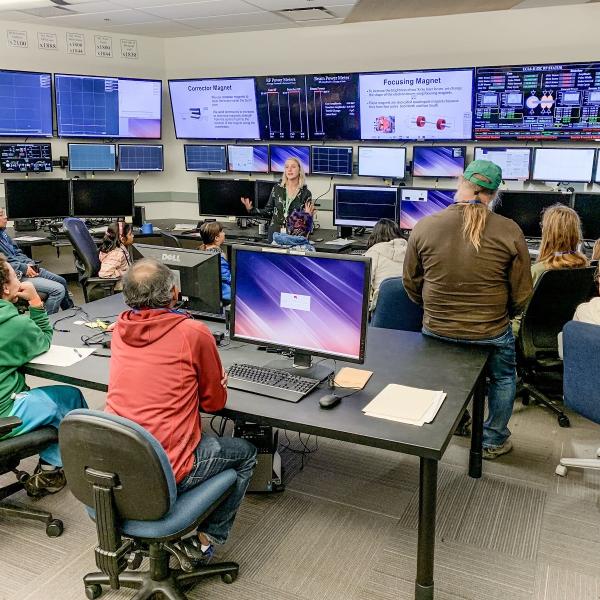
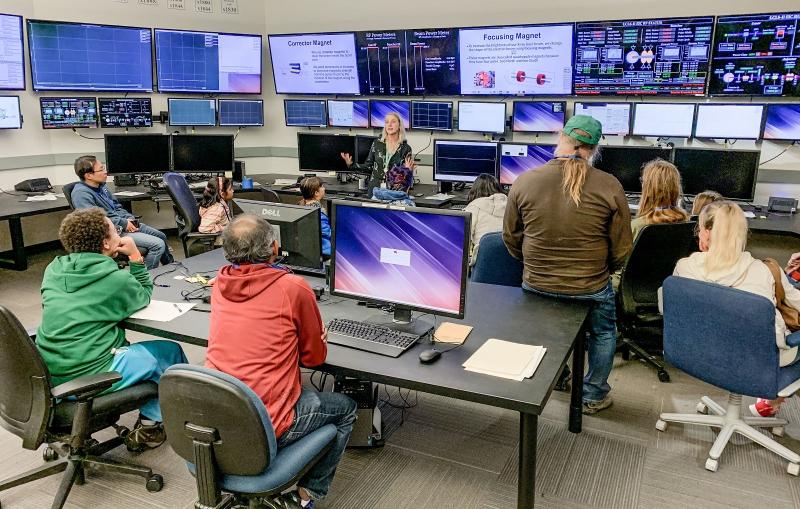
In SLAC’s accelerator control room, shift lead Ben Ripman and a team of operators fine-tune X-ray beams for science experiments around the clock.

Ben Ripman in SLAC's accelerator control room.