SLAC topics

Accelerator science RSS feed

Accelerators form the backbone of SLAC's national user facilities. Research at SLAC is continually improving accelerators, both at SLAC and at other laboratories, and is also paving the way to a new generation of particle acceleration technology. 

Related link:
Advanced accelerators
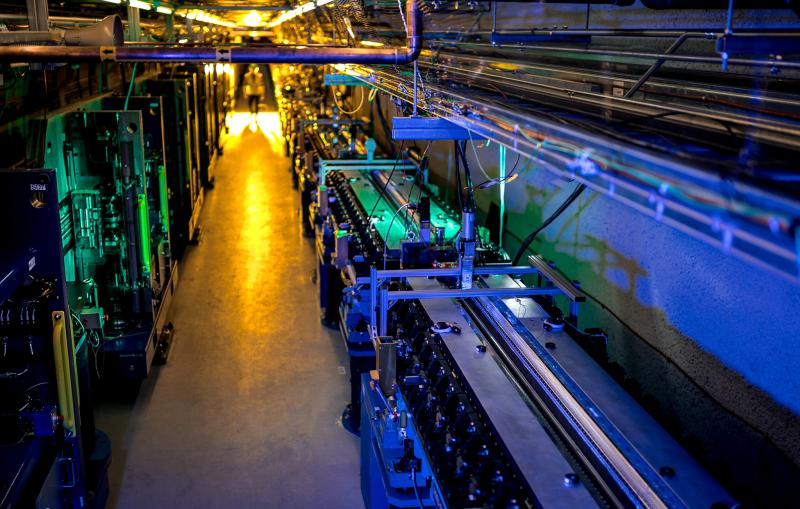
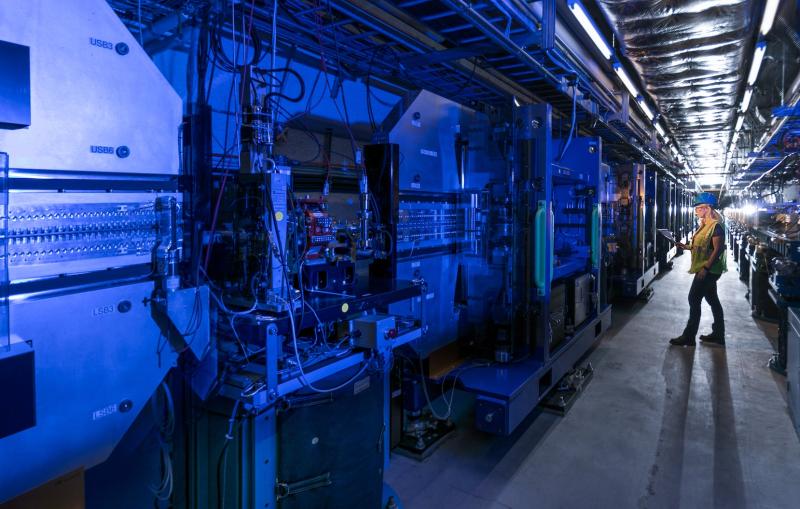
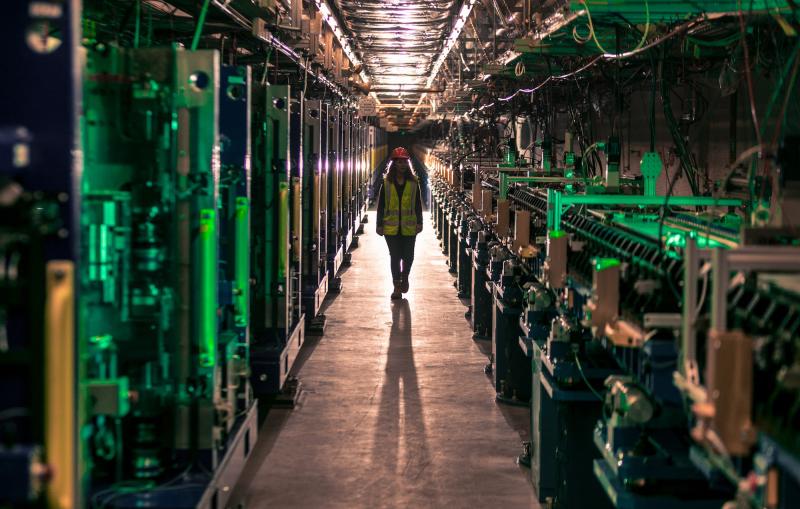
Empty undulator hall
News Brief

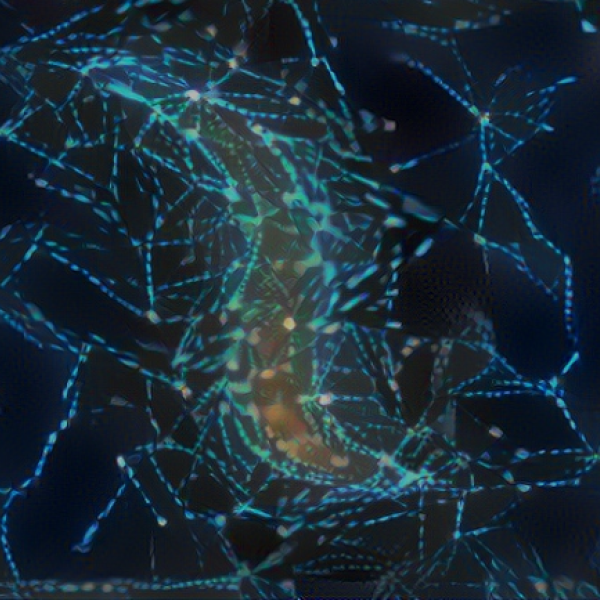
It can help operators optimize the performance of X-ray lasers, electron microscopes, medical accelerators and other devices that depend on high-quality beams.

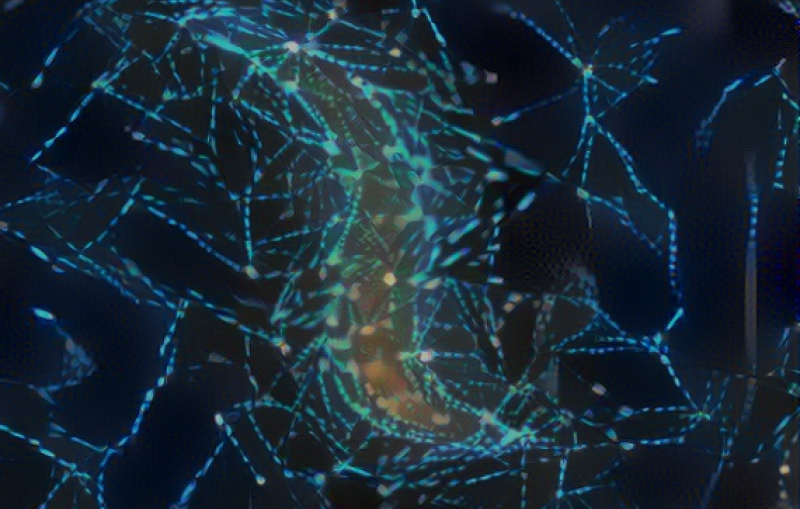
Artistic representation of a neural network superimposed on an electron beam profile
News Release

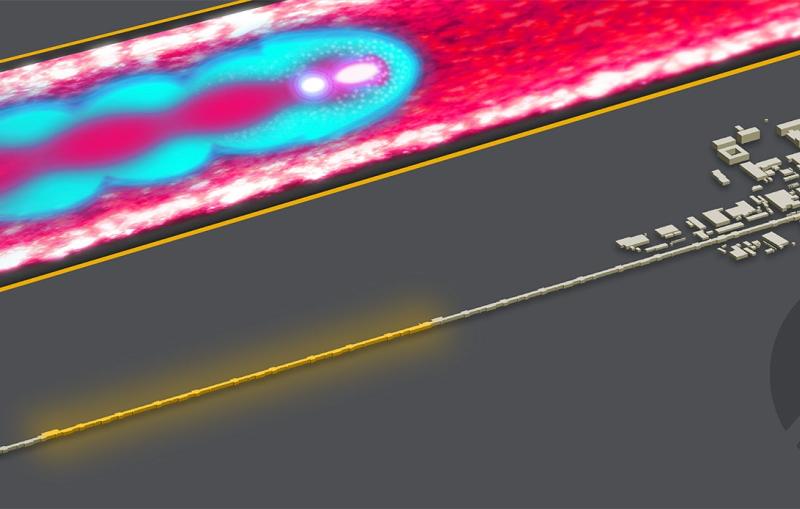
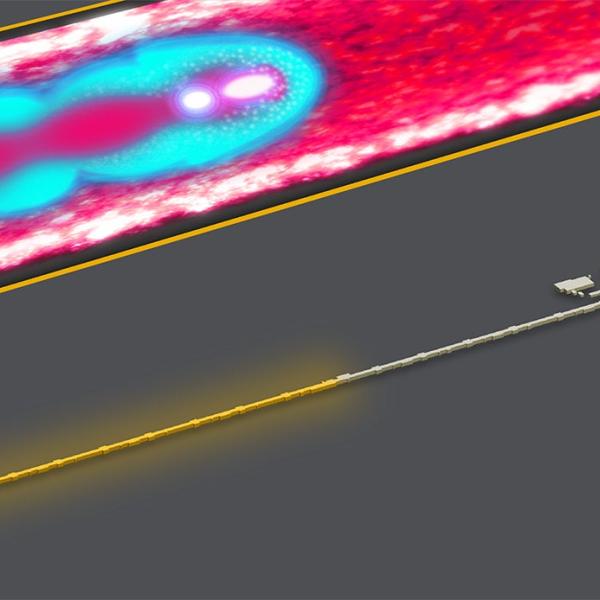
FACET-II will pave the way for a future generation of particle colliders and powerful light sources, opening avenues in high-energy physics, medicine, and materials...

FACET-II
Feature

Daniel Ratner, head of SLAC’s machine learning initiative, explains the lab’s unique opportunities to advance scientific discovery through machine learning.

Physicist Daniel Ratner.
News Brief

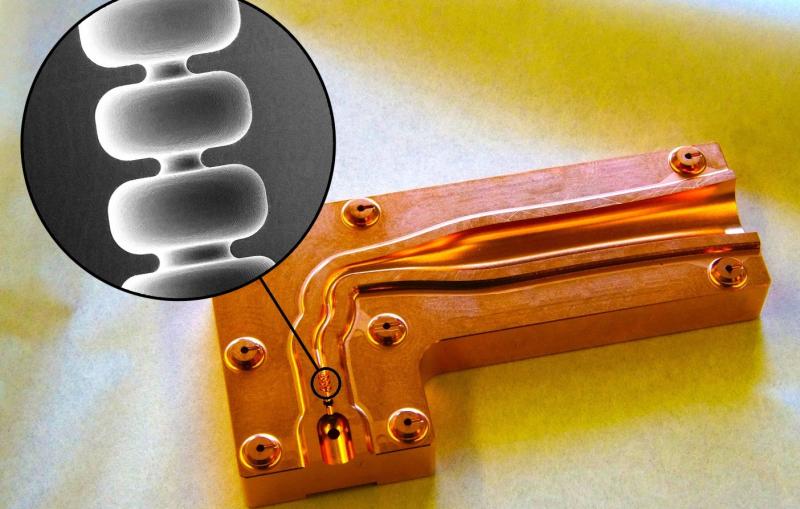
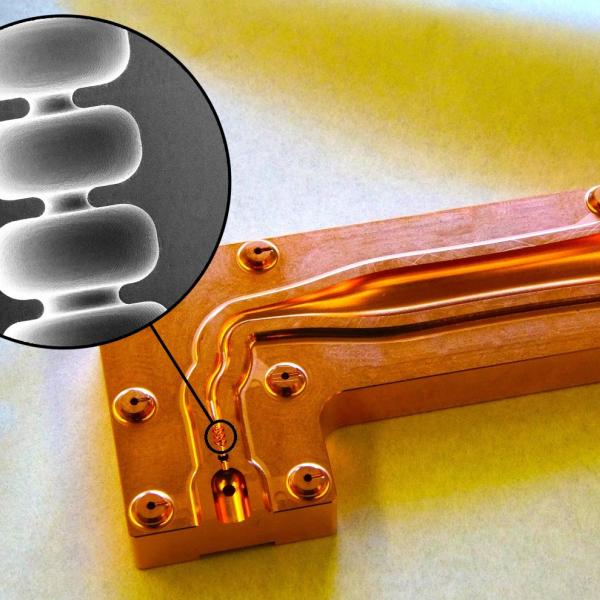
It uses terahertz radiation to power a miniscule copper accelerator structure.

Terahertz accelerator structure
News Brief

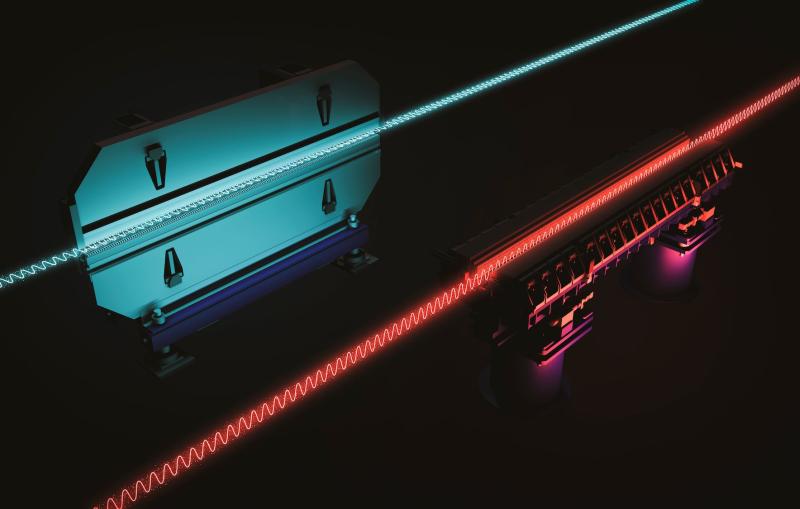
This leap in capability will allow scientists to investigate quantum and chemical systems more directly than ever before.

SXU
Feature

Their work uses machine learning to transform the way scientists tune particle accelerators for experiments and solve longstanding mysteries in astrophysics and cosmology.

Portraits of Auralee Edelen and Kimmy Wu
Feature

The technique could improve the efficiency of data collection and pave the way for new kinds of experiments.

undulatorhall
News Release

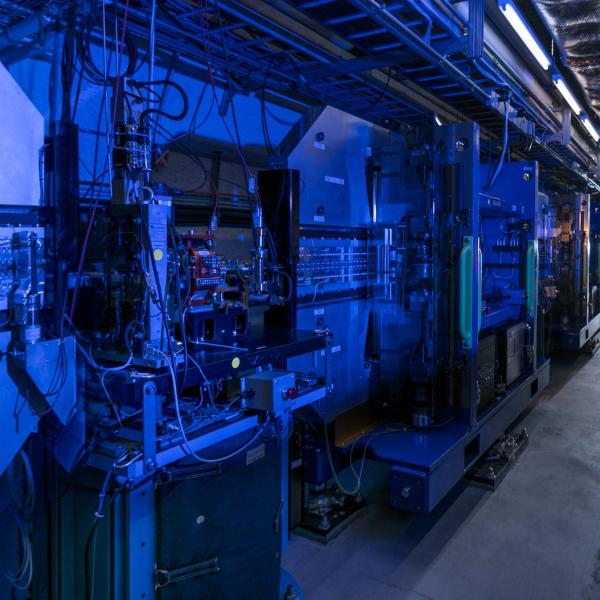
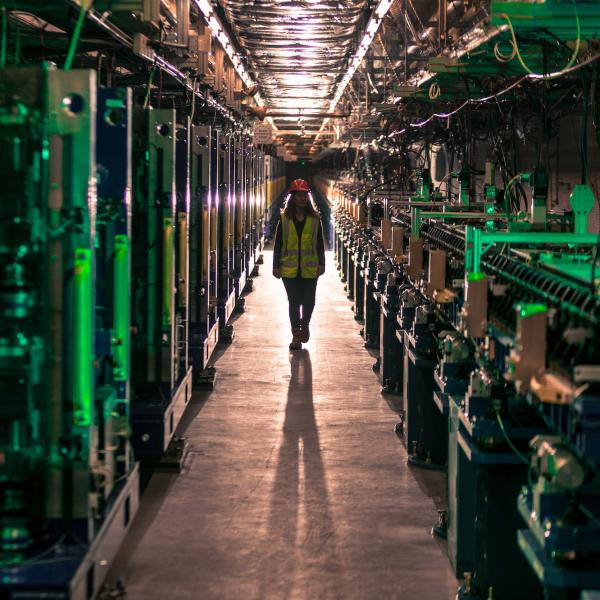
Marking the beginning of the LCLS-II era, the first phase of the major upgrade comes online.

New undulator hall
Feature

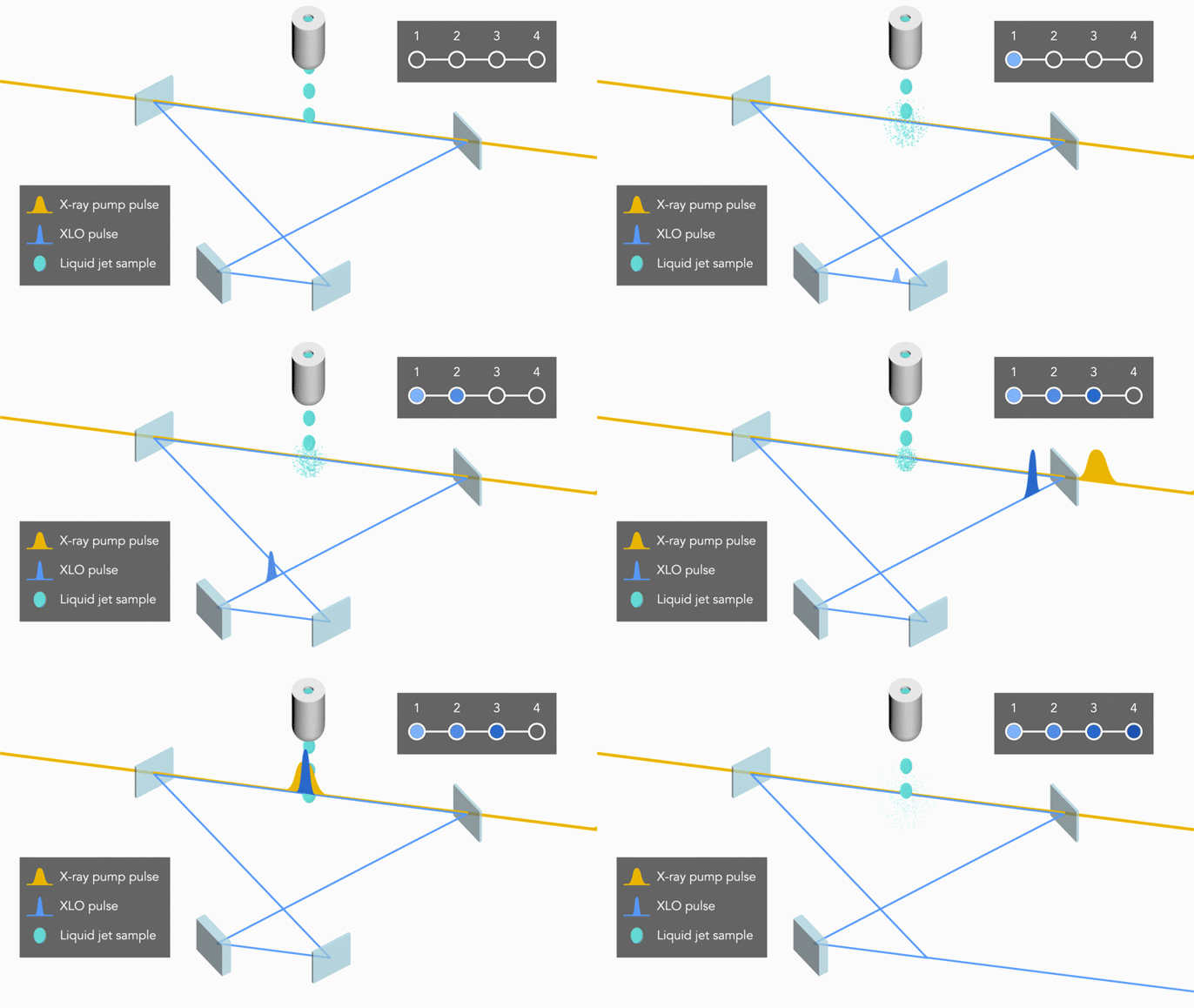
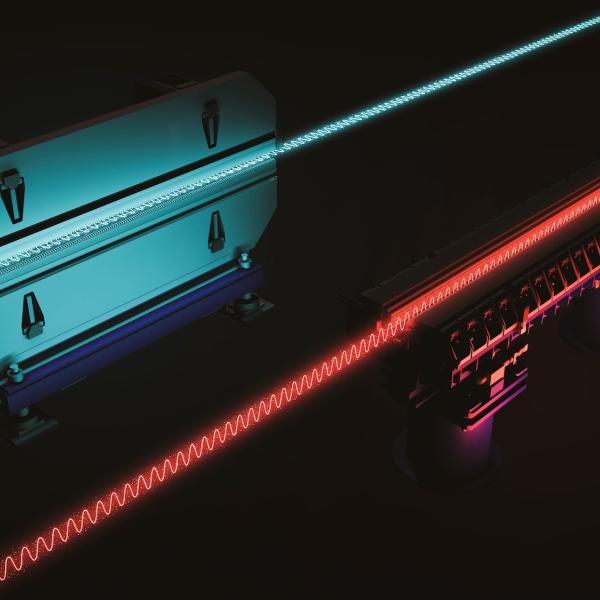
A proposed device could expand the reach of X-ray lasers, opening new experimental avenues in biology, chemistry, materials science and physics.

x-ray laser oscillator
Feature

Siegfried Glenzer's team and collaborators from Tel Aviv University are working on a method that could make proton accelerators 100 times smaller without giving...

Glenzer-LaserProtonAcceleration
Feature

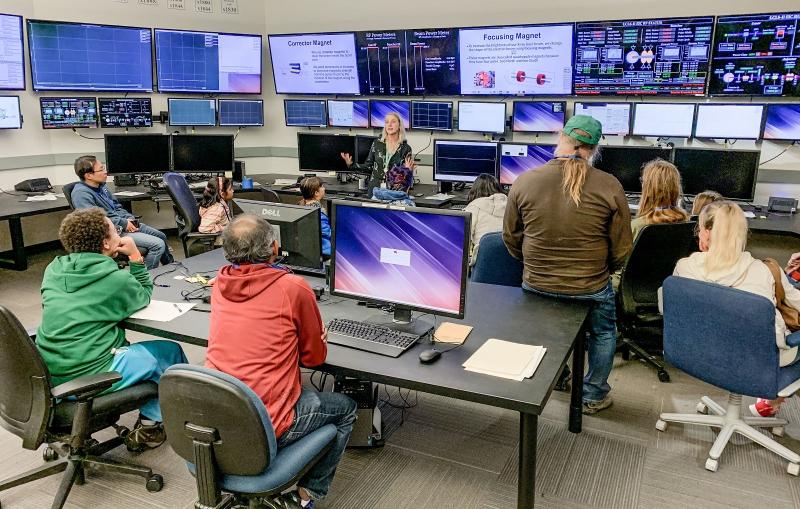
It combines human knowledge and expertise with the speed and efficiency of “smart” computer algorithms.

Accelerator Control Room
Feature

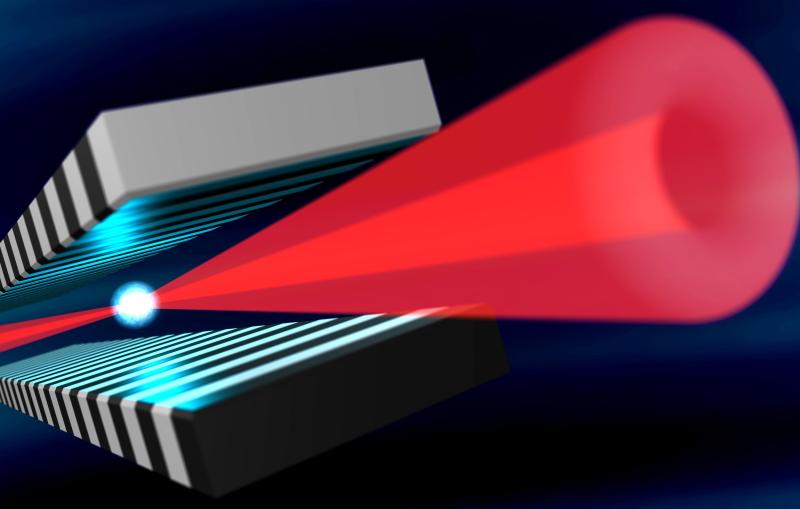
New research shows that when a bunch of electrons zooms through the middle of a ring-shaped laser beam, the bunch can wind up with...

donut laser