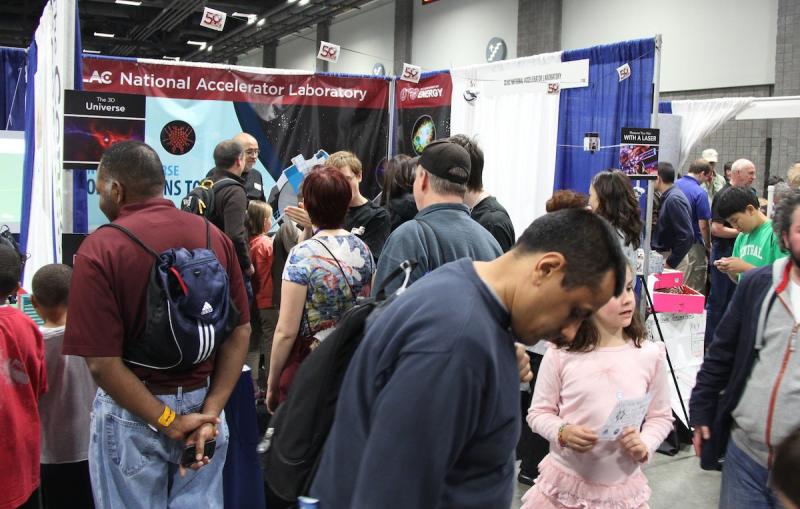
With more than 150,000 participants, the second annual USA Science & Engineering Festival in Washington, D.C., may have been the largest celebration of Science...
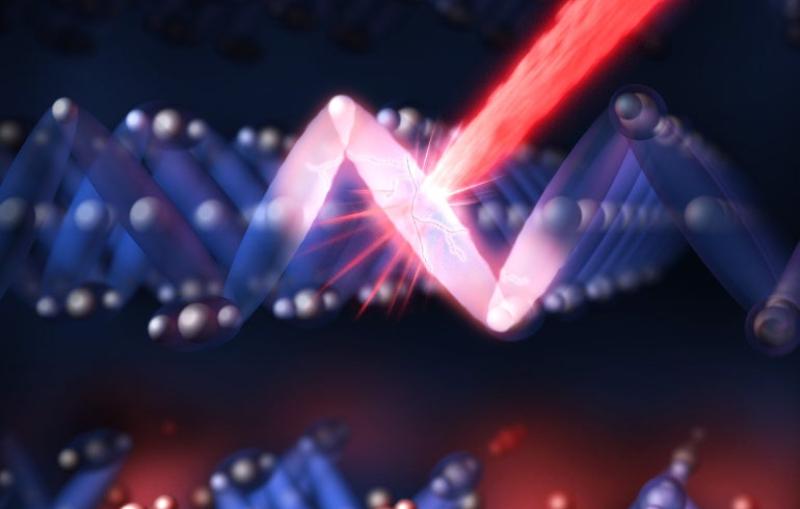
Researchers from the U.S. Department of Energy's (DOE) SLAC National Accelerator Laboratory have clocked the fastest-possible electrical switching in magnetite, a naturally magnetic mineral...
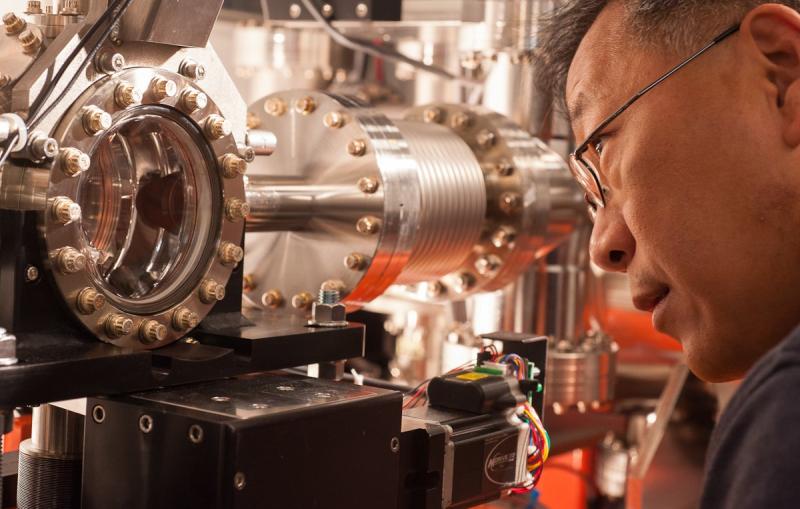
A frustrating flaw in a set of custom crystals for an instrument at SLAC National Accelerator Laboratory inspired a solution for an important scientific...
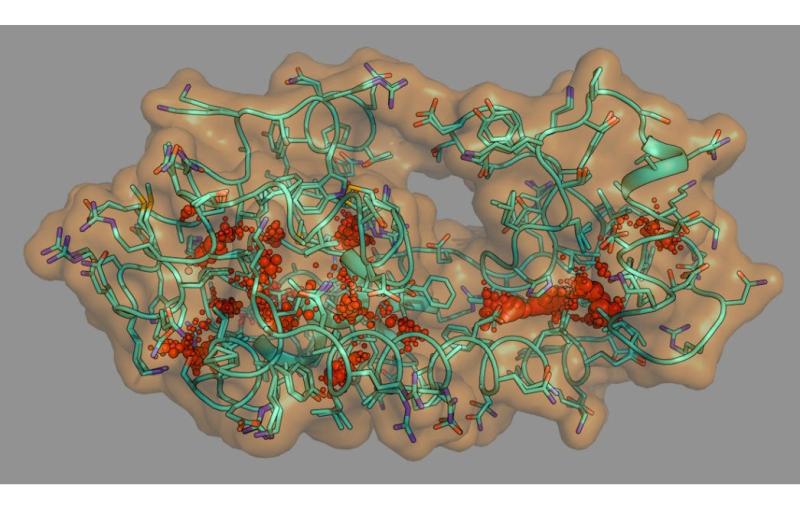
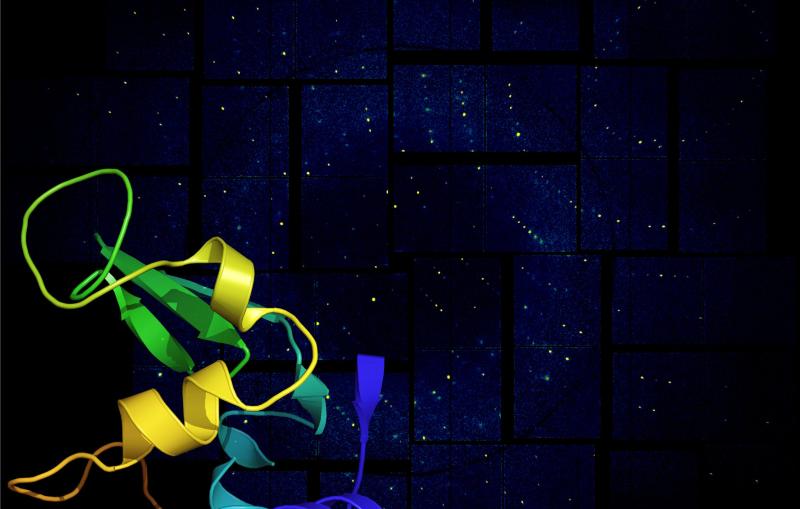
An international team led by the U.S. Department of Energy's (DOE) SLAC National Accelerator Laboratory has proved how the world's most powerful X-ray laser...
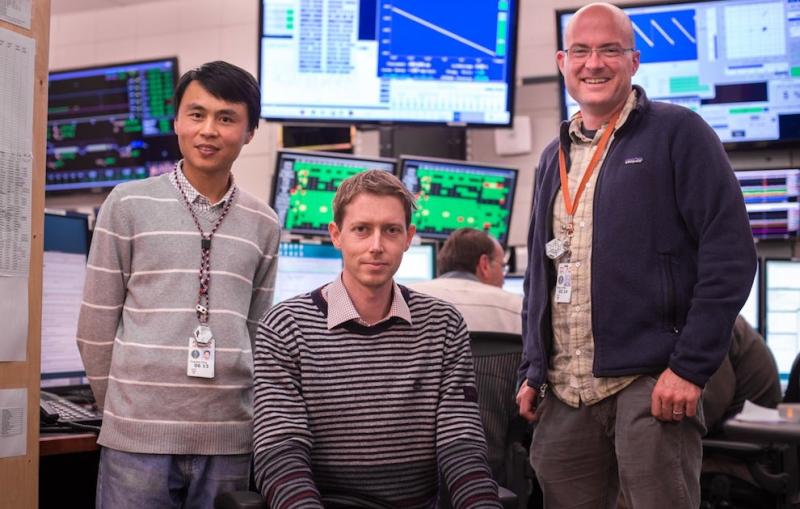
In a paper published Aug. 30 in Nature, an international team of researchers working at the Linac Coherent Light Source at SLAC National Accelerator...
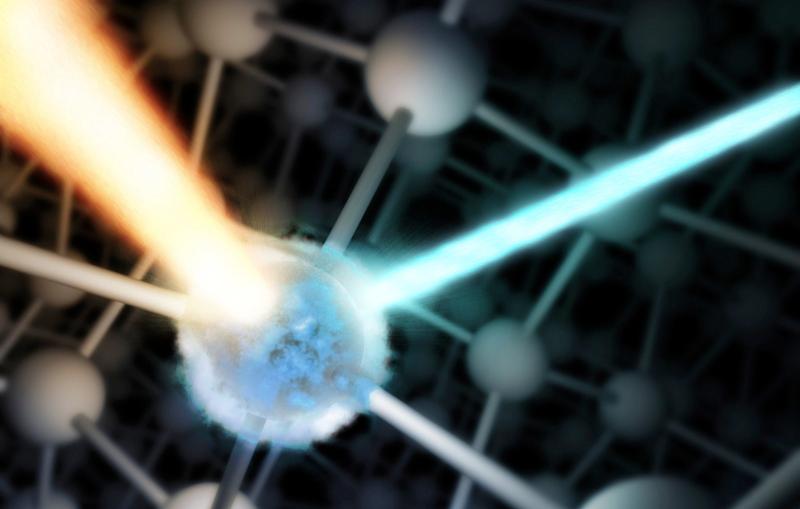
SLAC researchers have demonstrated for the first time how to produce pairs of X-ray laser pulses in slightly different wavelengths, or colors, with finely...
Tuesday evening, May 24, 2011, Christopher McGuinness of SLAC's Accelerator Research Division will present a free public lecture, "Particle Accelerator on a Chip."