SLAC National Accelerator Laboratory
    • About

      Learn about our science, people, facilities and partners. Discover our history and vision for the future.

    • OUR STORY
      • Mission, vision, values
      • History
    • LAB OVERVIEW
      • SLAC at a glance
      • Lab organization
      • Our partnerships
    • OUR PEOPLE
      • Leadership
      • Meet our teams
      • Faculty
    • VISIT SLAC
      • Public tours
      • Contact us
    • Resources
      • Images, videos & more
      • Brochures & fact sheets
    • Connect With Us
      • Facebook
      • Flickr
      • Instagram
      • LinkedIn
      • Twitter
      • YouTube
    video

    Who we are

    We explore radically new ideas with an entrepreneurial mindset.

    Science and User Support Building to the left and Arrillaga Science Center building to the right from above the Main Quad at SLAC's campus.
    • Research

      Get an overview of research at SLAC: X-ray and ultrafast science, particle and astrophysics, cosmology, particle accelerators, biology, energy and technology.

    • X-ray and Ultrafast science icon X-ray & ultrafast science

      Revealing nature’s fastest processes with X-rays, lasers and electrons

    • Physics of the universe science icon Physics of the universe

      Studying the particles and forces that knit the cosmos together

    • Advanced Accelerators science icon Advanced accelerators

      Building smaller, faster, more powerful accelerators for all

    • Science of life science icon Science of life

      Understanding the machinery of life at its most basic level

    • New technologies science icon New technologies

      Inventing new tools for science and society

    • Energy sciences science icon Energy sciences

      Finding clean, sustainable solutions for the world’s energy challenges

    Spotlight

    SLAC science explained

    Cut through the jargon while exploring our research.

    SAGE campers have fun experimenting with a Van de Graff generator
    • Facilities & Centers

      Learn more about the places where science happens at SLAC: our major facilities, institutes and centers.

    • SCIENTIFIC FACILITIES
      • LCLS website

        Linac Coherent Light Source

      • SSRL website

        Stanford Synchrotron Radiation Lightsource

      • FACET-II website

        Facility for Advanced Accelerator Experimental Tests

      • CryoEM website

        Cryogenic Electron Microscopy

    • JOINT INSTITUTES & CENTERS
      • SIMES website

        Stanford Institute for Materials & Energy Science

      • KIPAC website

        Kavli Institute for Particle Astrophysics & Cosmology

      • PULSE website

        Stanford PULSE Institute

      • SUNCAT website

        Center for Interface Science & Catalysis

      • SLAC-Stanford Battery Center

    NSF-DOE Vera C. Rubin Observatory LSST

    SLAC & Stanford build the world’s largest digital camera for the Legacy Survey of Space and Time (LSST).

    A drone photo of Rubin Observatory while taking pictures during the First Look observing campaign
    • Work with Us

      Find a career, partner with us or apply to use our tools and facilities.

    • PARTNER WITH US
      • For industry partners
      • Research partnerships & tech transfer
      • Technology Innovation
    • CAREERS AT SLAC
      • Job openings
      • Internships
      • Life at SLAC
    • USE OUR FACILITIES

      Apply to become a user of our scientific research facilities and instruments.

    • COMING TO SLAC
    • BECOME A SUPPLIER

    Careers at SLAC

    Join our united workforce.

    SLAC staff in main quad
    • News & Events

      Get the latest news about the lab, our science and discoveries. Explore SLAC events and learn how to participate.

    • NEWS CENTER
      • News archive
      • Media resources
      • Images & videos
    • SLAC EVENTS
      • Public lectures
      • Scientific seminars
      • Community events
    • SYMMETRY MAGAZINE

      This joint publication of SLAC and Fermilab is your view into the world of particle physics.

    • EDUCATIONAL PROGRAMS
      • Educational tours
      • Resources for students & educators
    • Connect With Us
      • Facebook
      • Flickr
      • Instagram
      • LinkedIn
      • Twitter
      • YouTube
    Upcoming public lecture

    Reinventing the way we break down plastic waste

    Thursday, March 26, 2026
    7:00–8:00 p.m. PDT

    Public Lecture: Ozge Bozkurt
Filter search by
Staff portalStanford directoryComing to SLACResources for…
  1. Home
  2. …
Filter by research area
  • X-ray and ultrafast science (336)
  • Physics of the universe (280)
  • Energy sciences (96)
  • Science of life (86)
  • New technologies (58)
  • Advanced accelerators (41)
Filter by Type
  • News (1772)
  • Image (387)
  • Video (227)
  • Event (157)
  • Page (67)
  • Person (66)
  • resource (64)
  • News Collection (4)
Sort by
2744 results
Display Grid Display List
News Release

Copper Shock: An Atomic-scale Stress Test

Scientists used the powerful X-ray laser at the U.S. Department of Energy's SLAC National Accelerator Laboratory to create movies detailing trillionths-of-a-second changes in the...

October 22, 2013  ·  3 min read
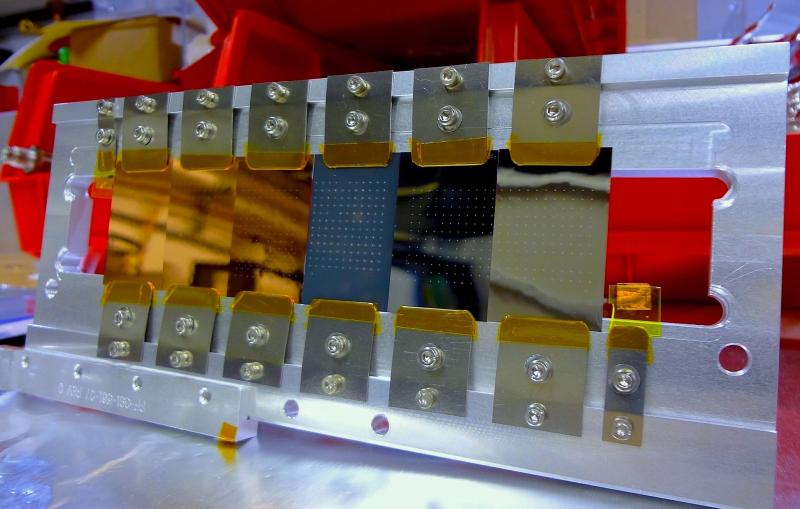
thin samples of copper, iron and titanium
Feature

New Test Bed Probes the Origin of Pulses at LCLS

It all comes down to one tiny spot on a diamond-cut, highly pure copper plate.

July 23, 2013  ·  4 min read
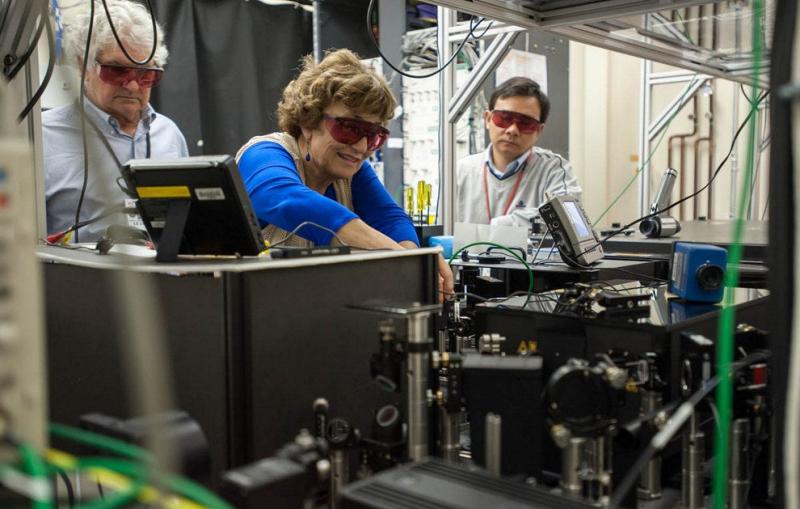
Photo - SLAC's Sasha Gilevich, middle, works on laser...
Feature

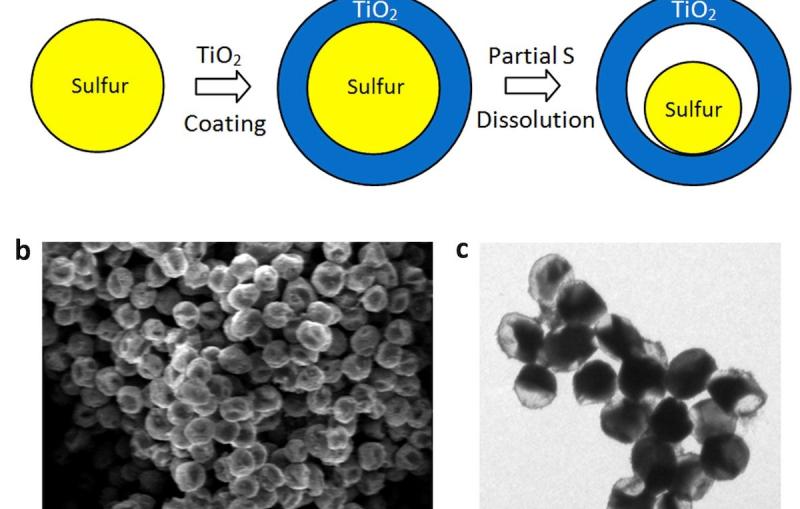
Egg-cellent World-record Battery Performance

SLAC and Stanford scientists have set a world record for energy storage, using a clever “yolk-shell” design to store five times more energy in...

January 8, 2013  ·  3 min read
Image - Explanatory diagrams and magnified nanopartic...
Feature

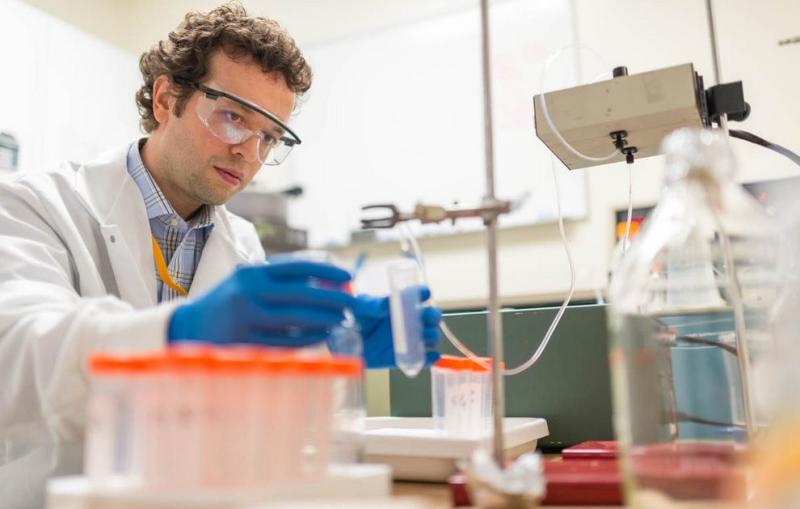
Ribosome Research Takes Shape at SLAC

In a new state-of-the-art lab at SLAC National Accelerator Laboratory, components of ribosomes – tiny biological machines that make new proteins and play a...

August 28, 2013  ·  3 min read
Photo - Hasan Demirci, a visiting investigator from B...
Feature

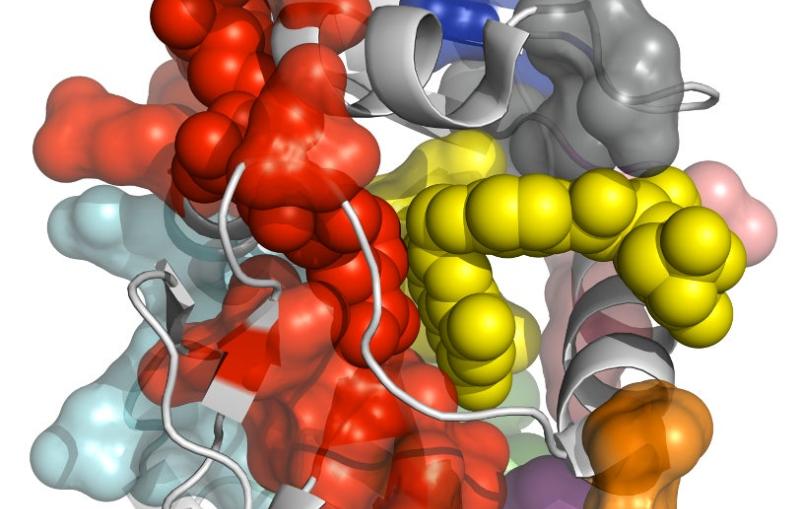
New Analysis Shows How Proteins Shift Into Working Mode

In an advance that will help scientists design and engineer proteins, a team including researchers from SLAC and Stanford has found a way to...

August 8, 2013  ·  3 min read
Image - This 3-D figure of the enzyme dihydrofolate r...
Feature

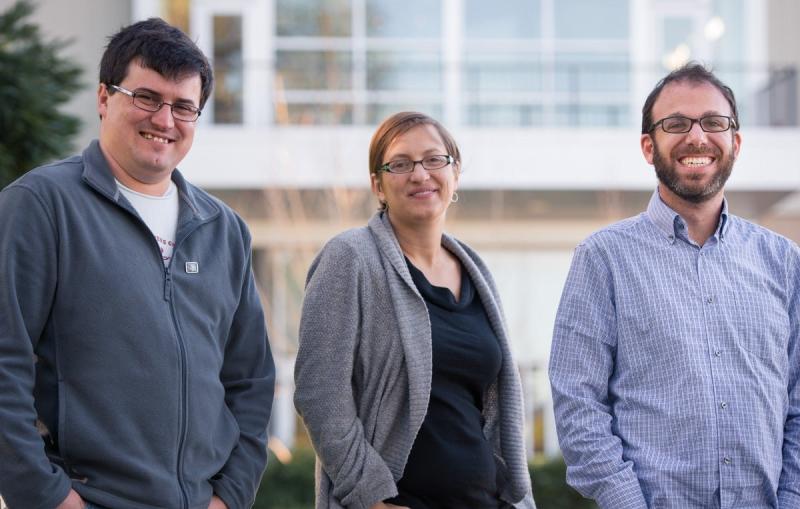
Dark Energy Survey Begins

Years of Work by KIPAC Scientists To Be Put to the Test

September 3, 2013  ·  4 min read
Photo - From left: Eduardo Rozo, Risa Wechsler and El...
Feature

SLAC Scientists Make Detailed Map of Current Between Insulators

When scientists found electrical current flowing where it shouldn't be – at the place where two insulating materials meet– it set off a frenzy...

September 12, 2013  ·  3 min read
SLAC and Stanford researchers used an ultrasensitive ...
Feature

X-ray Laser Brings Gold Exploration to the Nanoscale

Pushing gold exploration to the nanoscale, scientists used SLAC's Linac Coherent Light Source X-ray laser to produce a series of 3-D images that detail...

May 24, 2013  ·  3 min read
Image - 3-D rendering of a gold nanocrystal, with are...
Feature

X-ray Laser Brings Cellular Messengers into Focus

Last year's Nobel Prize in Chemistry – shared by Stanford School of Medicine Professor Brian Kobilka and Robert Lefkowitz of Duke University – recognized...

May 9, 2013  ·  5 min read
Image: Researchers Dingjie Wang and Garret Nelson fro...
Feature

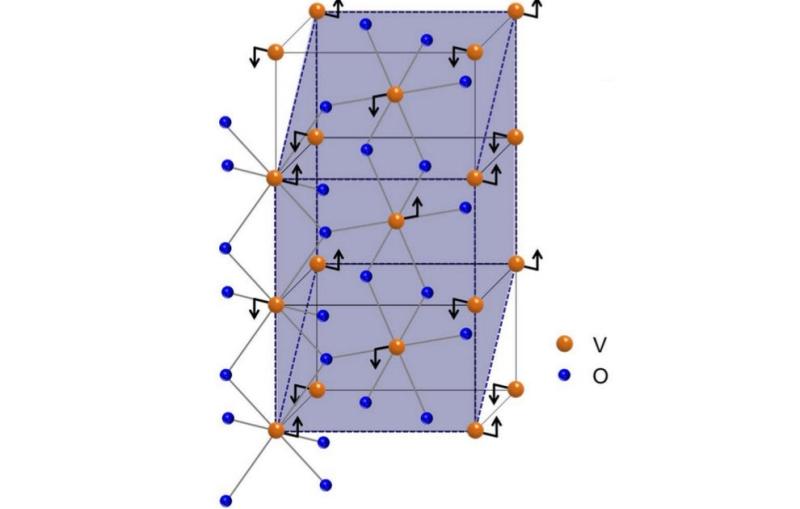
IBM/SLAC Team Controls Switching Behavior of Promising Electronic Material

Working with a metal oxide that shows promise for future generations of electronic devices, IBM and SLAC scientists have shown they can precisely control...

October 21, 2013  ·  2 min read
Image - Straining vanadium dioxide causes the vanadiu...
Feature

SLAC Physicists Help Design, Build Cargo X-ray Scanners

Two SLAC physicists with decades of particle accelerator experience helped a Silicon Valley company design and build X-ray devices that scan cargo containers for...

May 16, 2013  ·  4 min read
Photo - Juwen Wang, left, and Roger Miller. (Credit: ...
Feature

Award Recognizes X-ray Research on Organic Semiconductors

Guarav "Gino" Giri, who this summer completed his doctoral work in chemical engineering at Stanford, has been selected to receive this year's Melvin P...
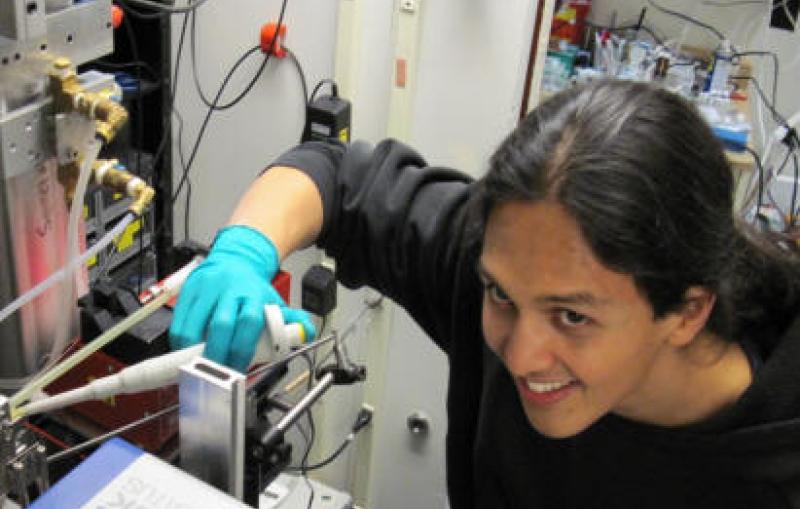
September 4, 2013  ·  2 min read
Photo - Guarav "Gino" Giri prepares a coating experim...
  • Go to previous page
  • Page 1
  • …
  • Page 7
  • Page 8
  • Page 9
  • Page 10
  • Currently on page 11
  • Page 12
  • Page 13
  • Page 14
  • Page 15
  • …
  • Page 229
  • Go to next page

SLAC National Accelerator Laboratory 
2575 Sand Hill Road  
Menlo Park, CA 94025-7015  
650.926.3300

  • Coming to SLAC
  • Connect with us
  • Contact us
  • Facebook
  • Flickr
  • Instagram
  • LinkedIn
  • Twitter
  • YouTube

Sign up for our email

Monthly newsletter for cutting-edge science, SLAC milestones and events.

Sign up

Bold People
Visionary Science
Real Impact

We explore how the universe works at the biggest, smallest and fastest scales and invent powerful tools used by scientists around the globe.

  • About
    • Our story
    • Our people
    • Lab overview
    • Visit SLAC
    • Resources
    • Connect with us
  • Research
    • X-ray & ultrafast science
    • Advanced accelerators
    • New technologies
    • Physics of the universe
    • Science of life
    • Energy sciences
    • SLAC science explained
  • Facilities & centers
    • Scientific facilities
    • Joint institutes & centers
  • Work with us
    • Partner with us
    • Become a supplier
    • Use our facilities
    • Careers at SLAC
  • News & events
    • News center
    • Symmetry Magazine
    • Media resources
    • Events
    • Educational programs
    • Connect with us
  • Staff portal
  • Privacy policy
  • Accessibility
  • Vulnerability disclosure
  • A–Z index
  • Website feedback
Home
  • SLAC home
  • Maps & directions
  • Emergency info
  • Careers

© 2026 SLAC National Accelerator Laboratory is operated by Stanford University for the U.S. Department of Energy Office of Science.

Stanford University U.S. Department of Energy
Top Top
Back to top Back to top