SLAC National Accelerator Laboratory
    • About

      Learn about our science, people, facilities and partners. Discover our history and vision for the future.

    • OUR STORY
      • Mission, vision, values
      • History
    • LAB OVERVIEW
      • SLAC at a glance
      • Lab organization
      • Our partnerships
    • OUR PEOPLE
      • Leadership
      • Meet our teams
      • Faculty
    • VISIT SLAC
      • Public tours
      • Contact us
    • Resources
      • Images, videos & more
      • Brochures & fact sheets
    • Connect With Us
      • Facebook
      • Flickr
      • Instagram
      • LinkedIn
      • Twitter
      • YouTube
    video

    Who we are

    We explore radically new ideas with an entrepreneurial mindset.

    Science and User Support Building to the left and Arrillaga Science Center building to the right from above the Main Quad at SLAC's campus.
    • Research

      Get an overview of research at SLAC: X-ray and ultrafast science, particle and astrophysics, cosmology, particle accelerators, biology, energy and technology.

    • X-ray and Ultrafast science icon X-ray & ultrafast science

      Revealing nature’s fastest processes with X-rays, lasers and electrons

    • Physics of the universe science icon Physics of the universe

      Studying the particles and forces that knit the cosmos together

    • Advanced Accelerators science icon Advanced accelerators

      Building smaller, faster, more powerful accelerators for all

    • Science of life science icon Science of life

      Understanding the machinery of life at its most basic level

    • New technologies science icon New technologies

      Inventing new tools for science and society

    • Energy sciences science icon Energy sciences

      Finding clean, sustainable solutions for the world’s energy challenges

    Spotlight

    SLAC science explained

    Cut through the jargon while exploring our research.

    SAGE campers have fun experimenting with a Van de Graff generator
    • Facilities & Centers

      Learn more about the places where science happens at SLAC: our major facilities, institutes and centers.

    • SCIENTIFIC FACILITIES
      • LCLS website

        Linac Coherent Light Source

      • SSRL website

        Stanford Synchrotron Radiation Lightsource

      • FACET-II website

        Facility for Advanced Accelerator Experimental Tests

      • CryoEM website

        Cryogenic Electron Microscopy

    • JOINT INSTITUTES & CENTERS
      • SIMES website

        Stanford Institute for Materials & Energy Science

      • KIPAC website

        Kavli Institute for Particle Astrophysics & Cosmology

      • PULSE website

        Stanford PULSE Institute

      • SUNCAT website

        Center for Interface Science & Catalysis

      • SLAC-Stanford Battery Center

    NSF-DOE Vera C. Rubin Observatory LSST

    SLAC & Stanford build the world’s largest digital camera for the Legacy Survey of Space and Time (LSST).

    A drone photo of Rubin Observatory while taking pictures during the First Look observing campaign
    • Work with Us

      Find a career, partner with us or apply to use our tools and facilities.

    • PARTNER WITH US
      • For industry partners
      • Research partnerships & tech transfer
      • Technology Innovation
    • CAREERS AT SLAC
      • Job openings
      • Internships
      • Life at SLAC
    • USE OUR FACILITIES

      Apply to become a user of our scientific research facilities and instruments.

    • COMING TO SLAC
    • BECOME A SUPPLIER

    Careers at SLAC

    Join our united workforce.

    SLAC staff in main quad
    • News & Events

      Get the latest news about the lab, our science and discoveries. Explore SLAC events and learn how to participate.

    • NEWS CENTER
      • News archive
      • Media resources
      • Images & videos
    • SLAC EVENTS
      • Public lectures
      • Scientific seminars
      • Community events
    • SYMMETRY MAGAZINE

      This joint publication of SLAC and Fermilab is your view into the world of particle physics.

    • EDUCATIONAL PROGRAMS
      • Educational tours
      • Resources for students & educators
    • Connect With Us
      • Facebook
      • Flickr
      • Instagram
      • LinkedIn
      • Twitter
      • YouTube
    Recent public lecture

    Reinventing the way we break down plastic waste

    Public Lecture: Ozge Bozkurt
Filter search by
Staff portalStanford directoryComing to SLACResources for…
  1. Home
  2. …
Filter by research area
  • X-ray and ultrafast science (36)
  • Energy sciences (8)
  • Physics of the universe (5)
  • New technologies (2)
Filter by Type
  • News (81)
  • Video (8)
  • Event (7)
  • Image (5)
  • Page (5)
  • News Collection (1)
  • Person (1)
Sort by
108 results
Display Grid Display List
Feature

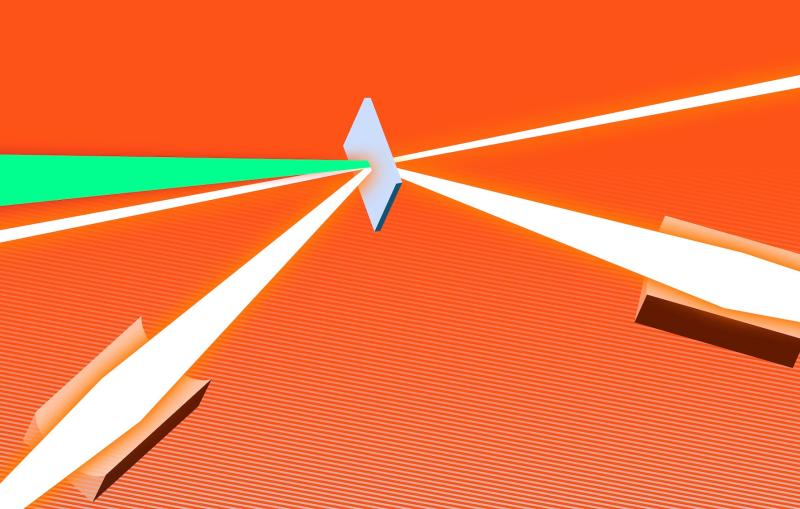
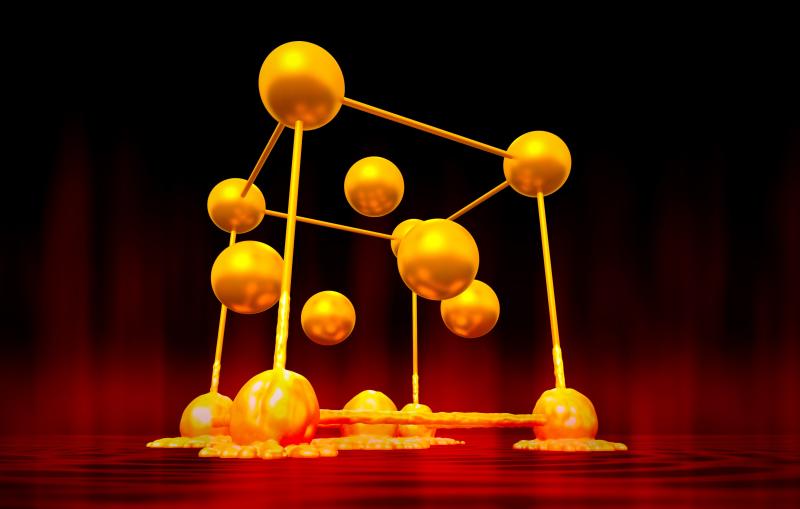
In brief: Radiation damage lowers melting point of potential fusion reactor material

SLAC’s ‘electron camera’ films rapidly melting tungsten and reveals atomic-level material behavior that could impact the design of future reactors.

May 24, 2019  ·  2 min read
Tungsten melting
Illustration

UED gold melting

A study using a powerful beam of electrons at SLAC has revealed new atomic details of the melting of gold...
June 26, 2018
UED Gold Melting
News Release

Atomic Movie of Melting Gold Could Help Design Materials for Future Fusion Reactors

SLAC’s high-speed ‘electron camera’ shows for the first time the coexistence of solid and liquid in laser-heated gold, providing new clues for designing materials...

June 28, 2018  ·  5 min read
UED Gold Melting
Feature

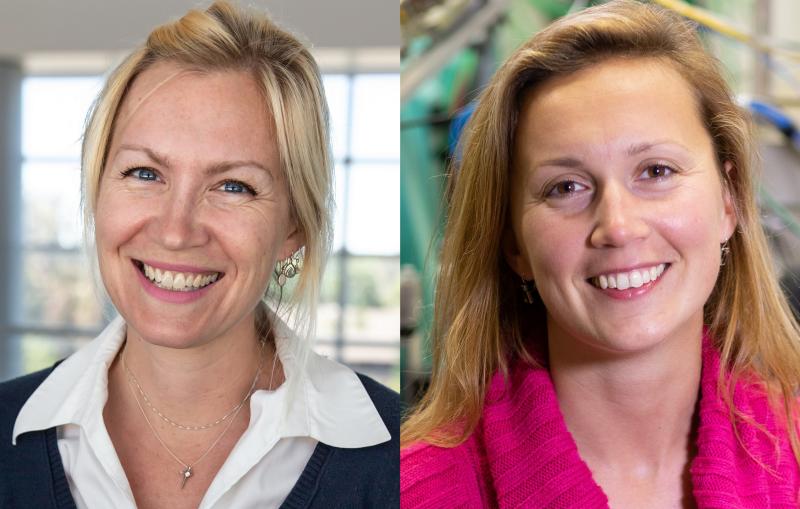
Arianna Gleason and Diana Gamzina receive DOE Early Career Research grants

The SLAC scientists will each receive $2.5 million for their research on fusion energy and advanced radiofrequency technology.

August 1, 2019  ·  7 min read
Gleason-Gamzina-ECA2019
Feature

A new way to study how elements mix deep inside giant planets

It could offer insights into the evolution of planetary systems and guide scientists hoping to harness nuclear fusion as a new source of energy.

June 16, 2020  ·  4 min read
Scattered photons
Feature

Dawson Award Recognizes SLAC X-ray Laser Experiment that Probed 3.6-million-degree Matter

The 2010 experiment marked a significant step forward in understanding extreme states of matter at the hearts of stars, planets and nuclear fusion reactions.

January 6, 2016  ·  4 min read
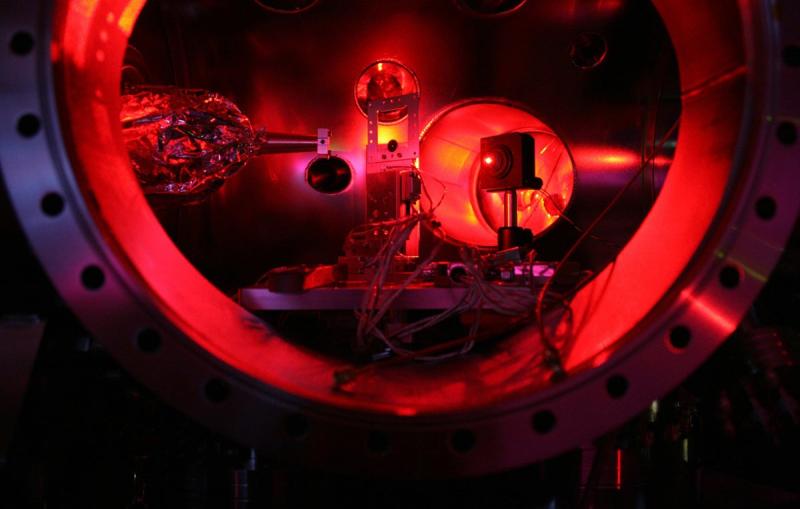
The interior of an LCLS chamber set up for an investigation into hot, dense matter.
Feature

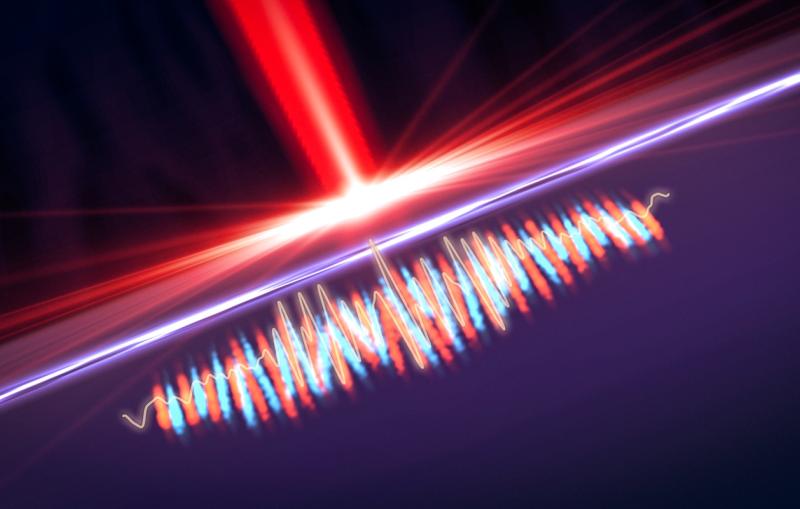
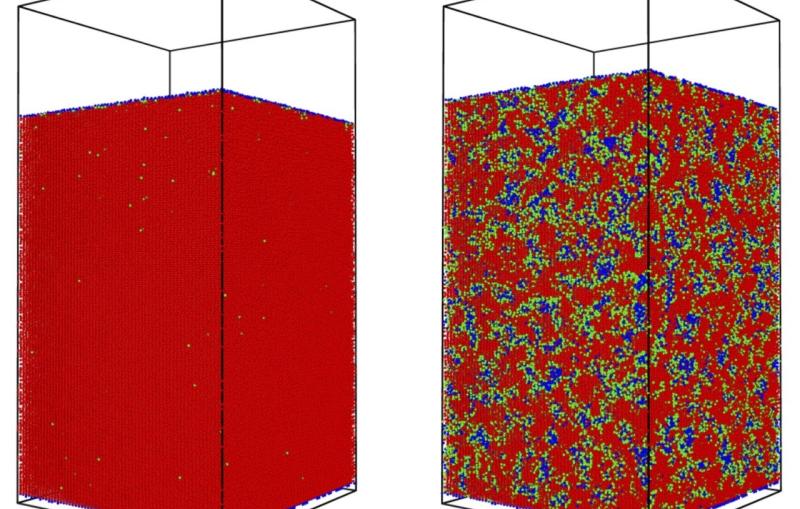
Stronger materials could bloom with new images of plastic flow

A laser compressing an aluminum crystal provides a clearer view of a material’s plastic deformation, potentially leading to the design of stronger nuclear fusion...
February 25, 2022  ·  4 min read
an abstract illustration of rippling waves made of shining dots
Feature

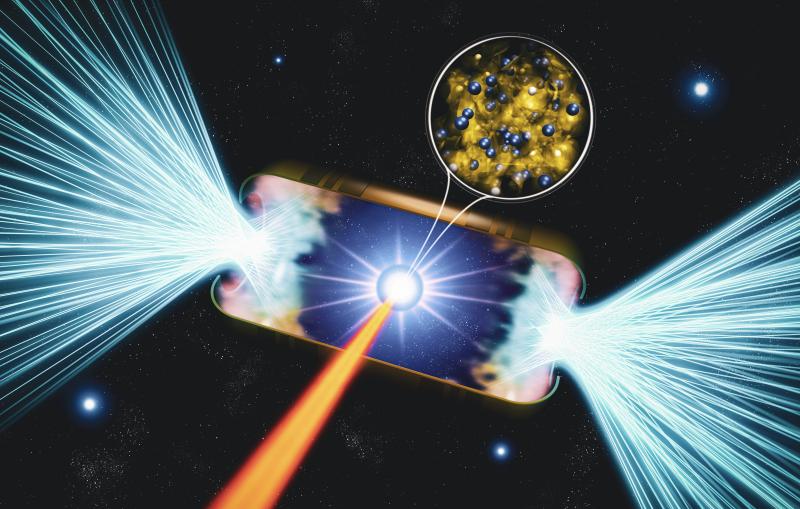
Experiments shed light on pressure-driven ionization in giant planets and stars

The results offer important implications for astrophysics and nuclear fusion research.

May 24, 2023  ·  3 min read
NIF experiment
Feature

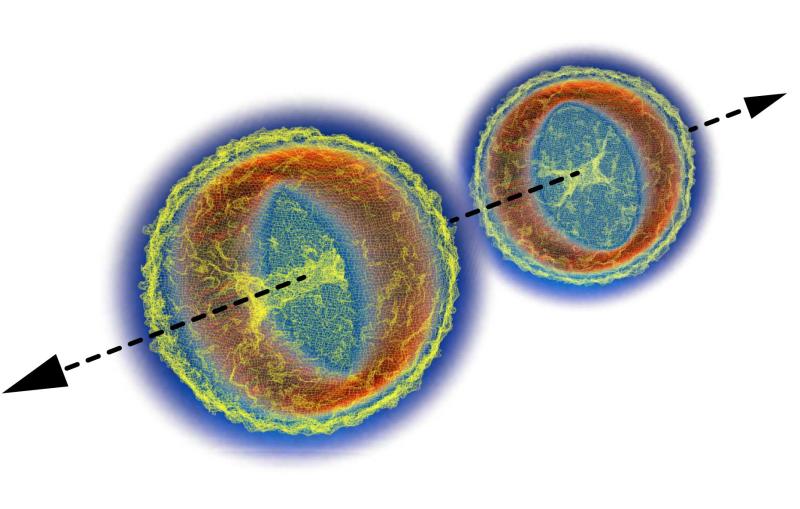
In brief: A new collider concept would take quantum theories to an extreme

The approach could advance our understanding of fundamental forces under extreme conditions with applications from astrophysics to fusion research.

May 22, 2019  ·  2 min read
QED extreme
Feature

SLAC celebrates 20th anniversary hosting Regional Science Bowl

The winning teams from Fusion Academy and Joaquin Miller Middle School will continue on to nationals.

March 24, 2025  ·  5 min read
A high school student smiles at the camera while surrounded by others.
News Brief

SLAC researchers image plasma instability relevant to fusion energy and astrophysics

The team developed a platform that uses powerful X-rays from the lab’s LCLS X-ray laser to resolve for the first time the evolution of...

February 12, 2026  ·  4 min read
Illustration of filament-like structures in plasma
Feature

Peering into 36-million-degree plasma with SLAC’s X-ray laser

In a first, researchers measure extremely small and fast changes that occur in plasma when it’s zapped with a laser. Their technique will have...

October 2, 2018  ·  5 min read
LCLS Plasma Expansion
  • Go to previous page
  • Page 1
  • Currently on page 2
  • Page 3
  • Page 4
  • Page 5
  • Page 6
  • Page 7
  • Page 8
  • Page 9
  • Go to next page

SLAC National Accelerator Laboratory 
2575 Sand Hill Road  
Menlo Park, CA 94025-7015  
650.926.3300

  • Coming to SLAC
  • Connect with us
  • Contact us
  • Facebook
  • Flickr
  • Instagram
  • LinkedIn
  • Twitter
  • YouTube

Sign up for our email

Monthly newsletter for cutting-edge science, SLAC milestones and events.

Sign up

Bold People
Visionary Science
Real Impact

We explore how the universe works at the biggest, smallest and fastest scales and invent powerful tools used by scientists around the globe.

  • About
    • Our story
    • Our people
    • Lab overview
    • Visit SLAC
    • Resources
    • Connect with us
  • Research
    • X-ray & ultrafast science
    • Advanced accelerators
    • New technologies
    • Physics of the universe
    • Science of life
    • Energy sciences
    • SLAC science explained
  • Facilities & centers
    • Scientific facilities
    • Joint institutes & centers
  • Work with us
    • Partner with us
    • Become a supplier
    • Use our facilities
    • Careers at SLAC
  • News & events
    • News center
    • Symmetry Magazine
    • Media resources
    • Events
    • Educational programs
    • Connect with us
  • Staff portal
  • Privacy policy
  • Accessibility
  • Vulnerability disclosure
  • A–Z index
  • Website feedback
Home
  • SLAC home
  • Maps & directions
  • Emergency info
  • Careers

© 2026 SLAC National Accelerator Laboratory is operated by Stanford University for the U.S. Department of Energy Office of Science.

Stanford University U.S. Department of Energy
Top Top
Back to top Back to top