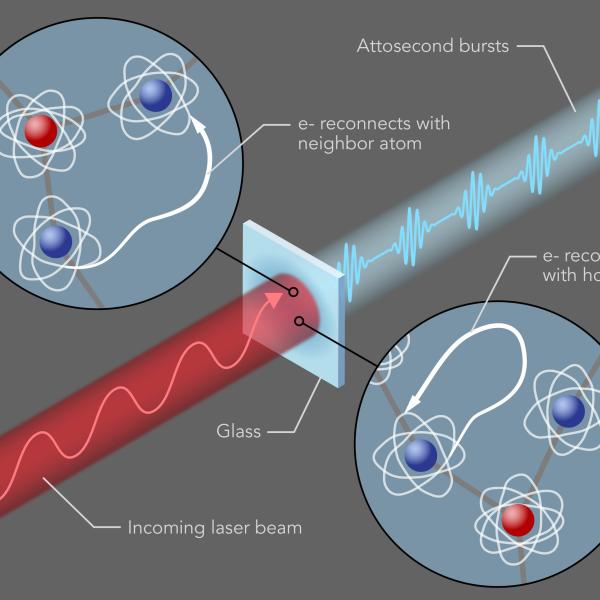
This novel method could shrink the equipment needed to make laser pulses billionths of a billionth of a second long for studying ultra-speedy electron movements in solids, chemical reactions and future electronics.
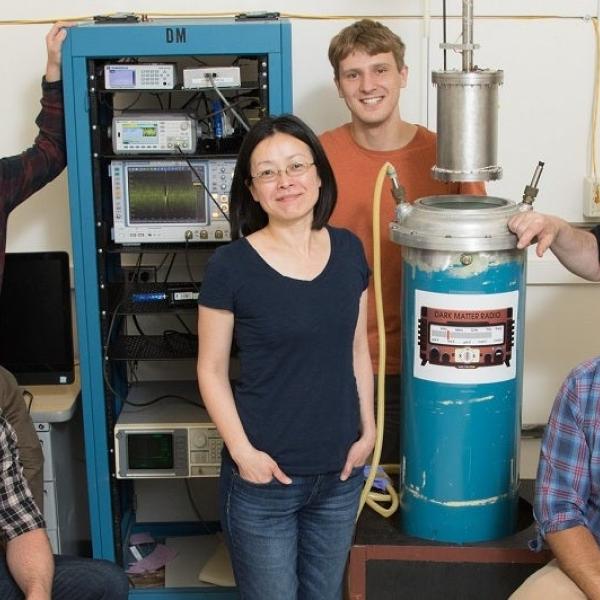
A new device could open new avenues for the generation of high-frequency radiation with applications in science, radar, communications, security and medical imaging.
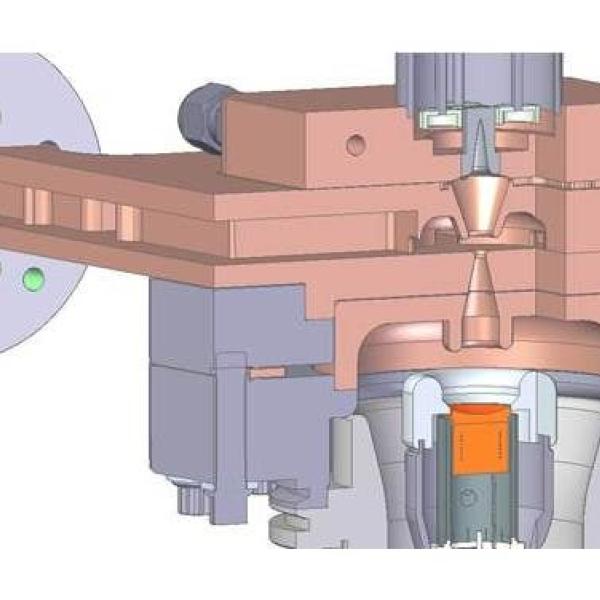
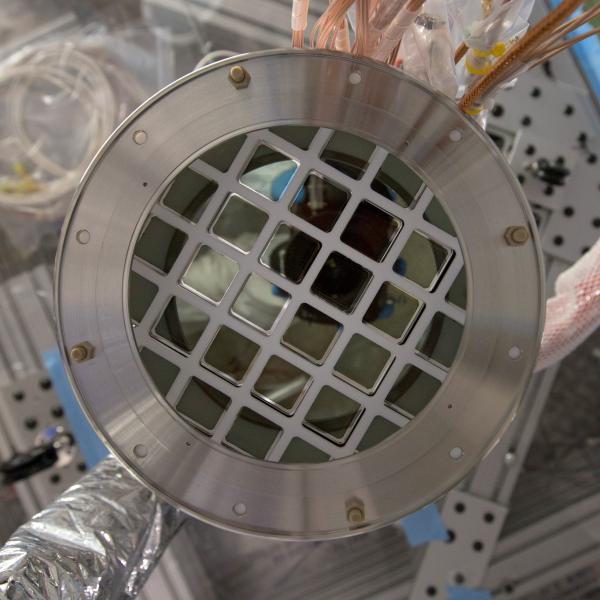
System tests at SLAC continue with 32 light sensors - up from a single one - in a small-scale version of the future experiment, which will use nearly 500 of them.
Lithium ion batteries may remain tops for sheer performance, but when cost-per-storage is factored in, a design based on sodium ions offers promise; research was conducted in part at SSRL.