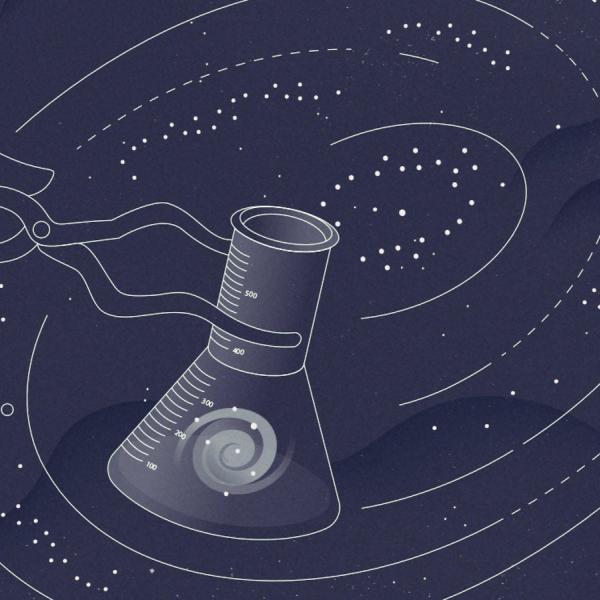
Ian Wilson explains how scientists have found a way to induce antibodies to fight a range of influenza viruses, which could some day eliminate the need for seasonal flu shots.
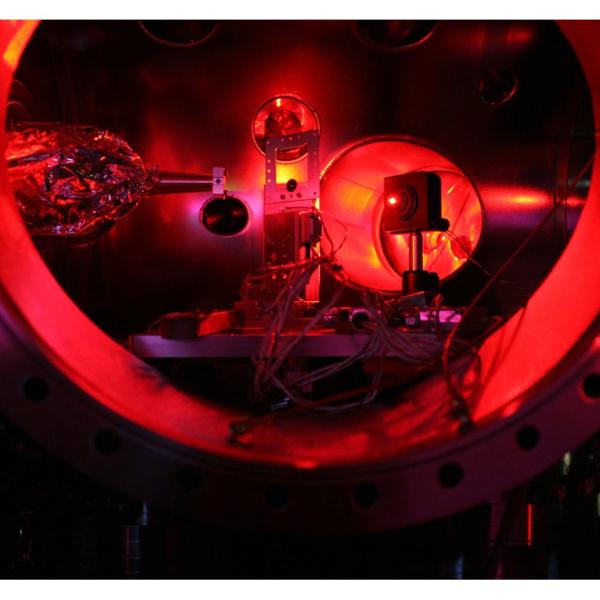
The 2010 experiment marked a significant step forward in understanding extreme states of matter at the hearts of stars, planets and nuclear fusion reactions.
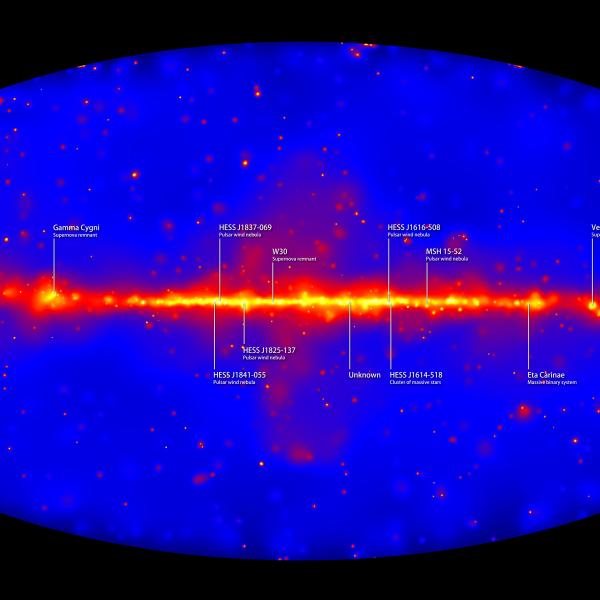
Fermi scientist Matthew Wood discusses major improvements to the Fermi Large Area Telescope, including increasing its sensitivity to the equivalent of launching another LAT.
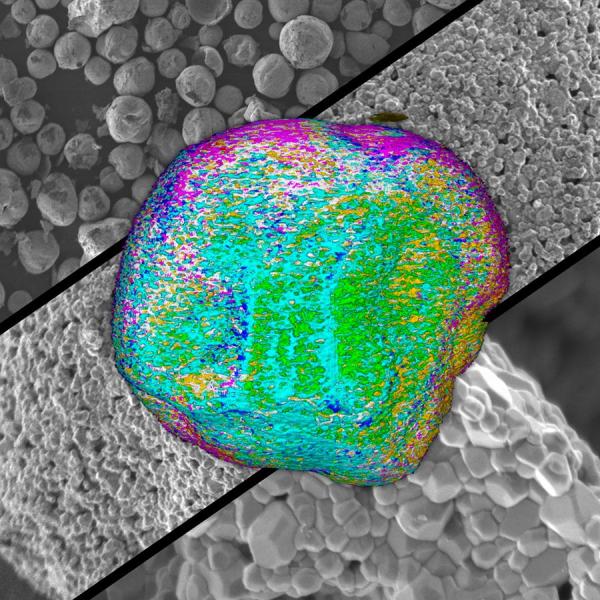
Stanford researchers have developed the first lithium-ion battery that shuts down before overheating, then restarts immediately when the temperature cools. The research was supported by SLAC.
Imagine taking a ball of hot plasma more massive than the sun and suddenly compressing it to a super-dense object the size of a city. This sounds like science fiction, yet it is exactly what happens in the centers of...
More than 100 students worked on projects ranging from website development to imaging techniques for X-ray studies, learning new ways to apply their talents.