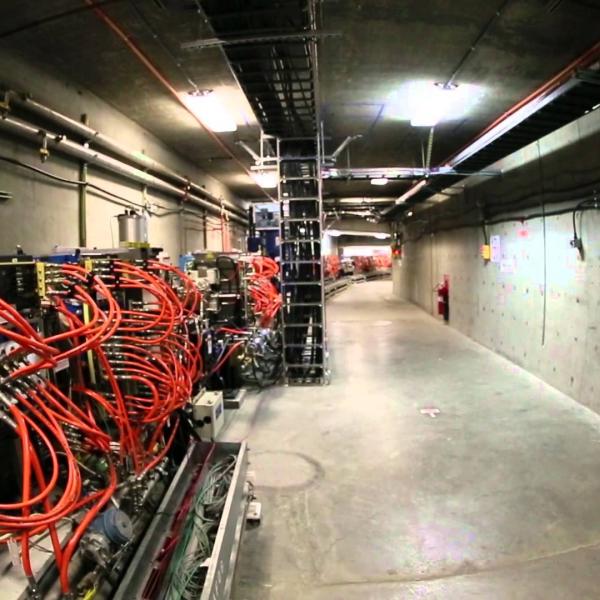
The Stanford Positron Electron Accelerating Ring (SPEAR) at SLAC was completed in 1972 and has been used by physicists to discover new particles, most notably the J/psi in 1974 and the tau in 1976.
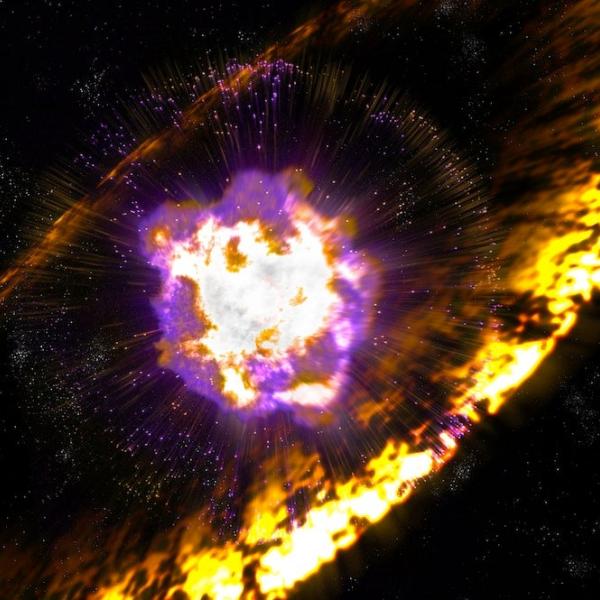
Editors of the journal Science, published by the American Association for the Advancement of Science, have selected their annual Top 10 Science Breakthroughs of the Year. On the list: Work by SLAC researchers pinning down the origin of cosmic rays.
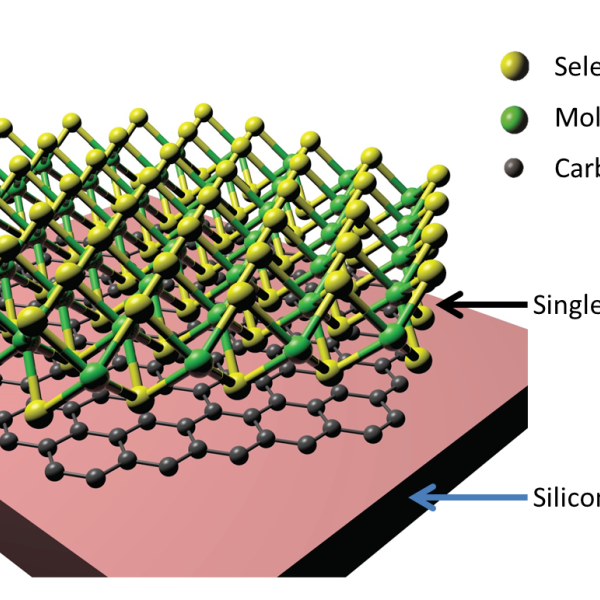
Crafted in a single atomic layer, it could be a natural fit for making thin, flexible light-based electronics, as well as futuristic 'spintronics' and 'valleytronics.'
The distant universe looks a little clearer, thanks to tens of thousands of citizen scientists who classified more than 6 million images over the past three days.
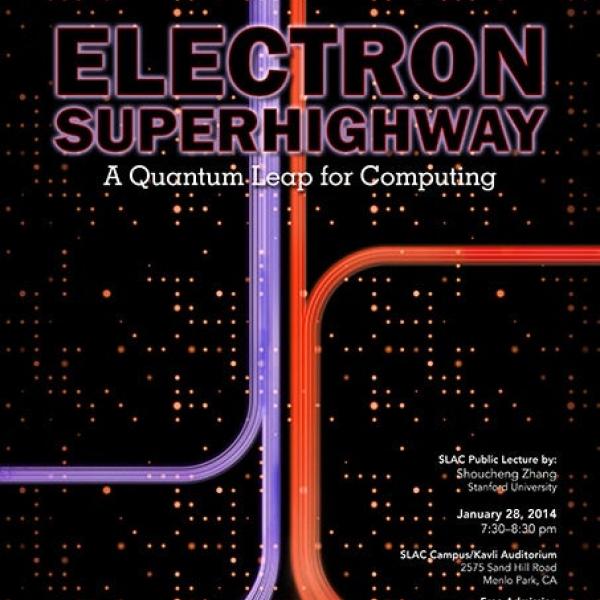
During SLAC's public lecture on Jan 28, Shoucheng Zhang will explain how the recent discovery of a new state of matter – the topological insulator – may lead to a new paradigm of information processing. (Registration required.)
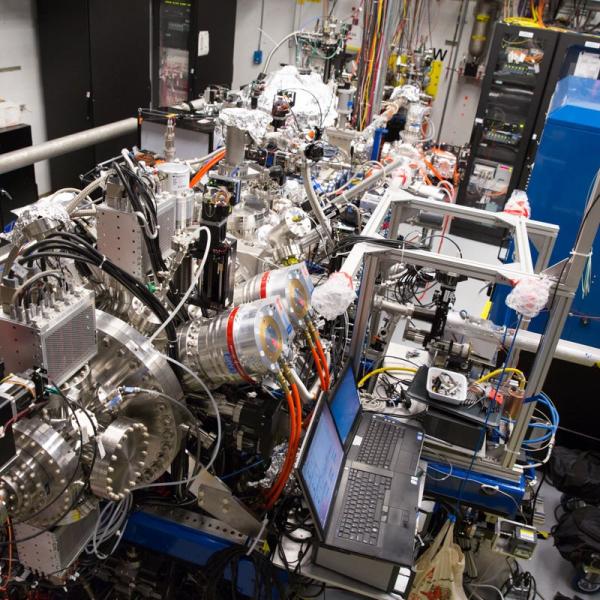
A 2-ton instrument the size of a compact car, now available at SLAC's X-ray laser, makes it possible to capture more detailed images of atoms, molecules, nanoscale features of solids, and individual particles such as viruses and airborne soot.
While this particular material is very unstable, the research shows it may be possible to find a material with the properties graphene has to offer in a thicker, sturdier form that’s easier to craft into electronic devices