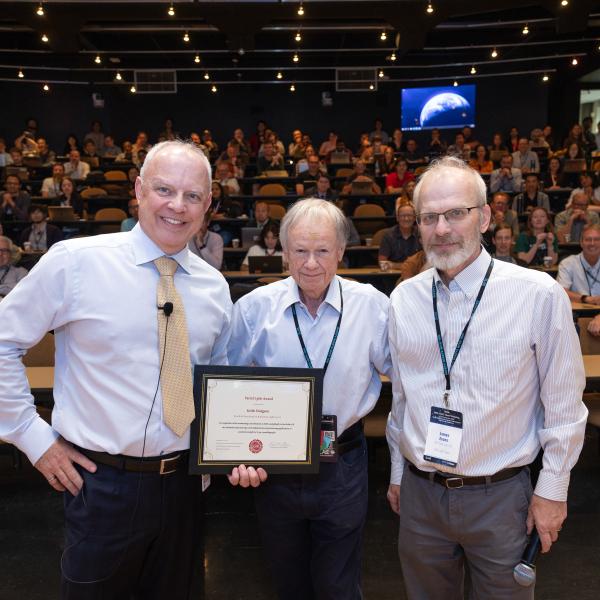
The American Physical Society recognized the SLAC and Stanford physicist for decades of groundbreaking work studying the strange behavior of electrons at the interfaces between materials.
The future of experimental particle physics is exciting – and energy intensive. SLAC physicists are thinking about how to make one proposal, the Cool Copper Collider, more sustainable.
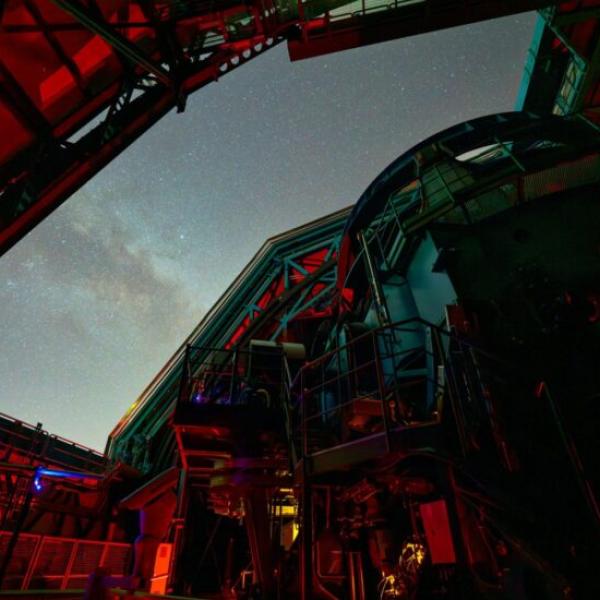
TID leverages its state-of-the-art scientific expertise in exploiting the electromagnetic spectrum and in advanced instrumentation to develop novel technologies.
Machine Learning (ML) algorithms are found across all scientific directorates at SLAC, with applications to a wide range of tasks including online data reduction, system controls, simulation, and analysis of big data.
In conjunction with SLAC’s Small Business | Supplier Diversity Program. Representatives from SLAC projects, research, facilities, operations, and others will be on hand to provide information and upcoming procurement opportunities.
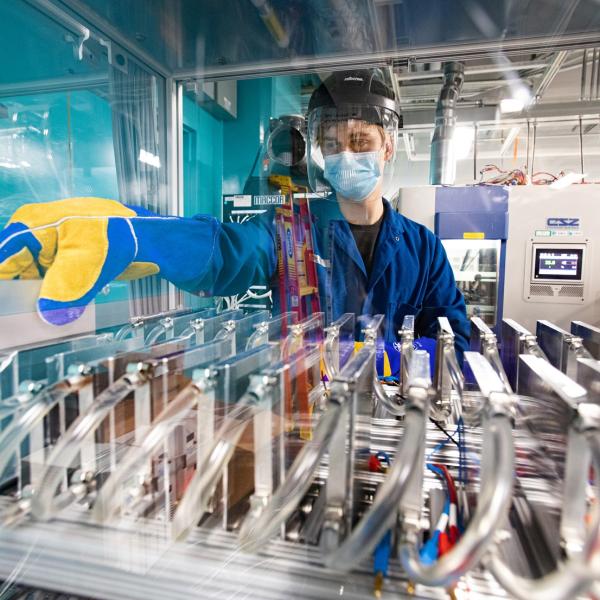
The team reduced the amount of expensive platinum group metals needed to make an effective cell and found a new way to test future fuel cell innovations.