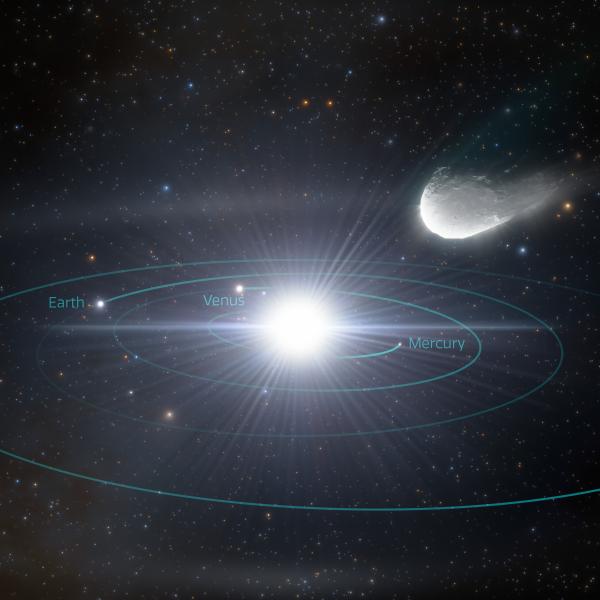
Vera C. Rubin Observatory’s Legacy Survey of Space and Time will revolutionize Solar System science by revealing a population of previously undiscovered interstellar comets and asteroids passing through our cosmic neighborhood.
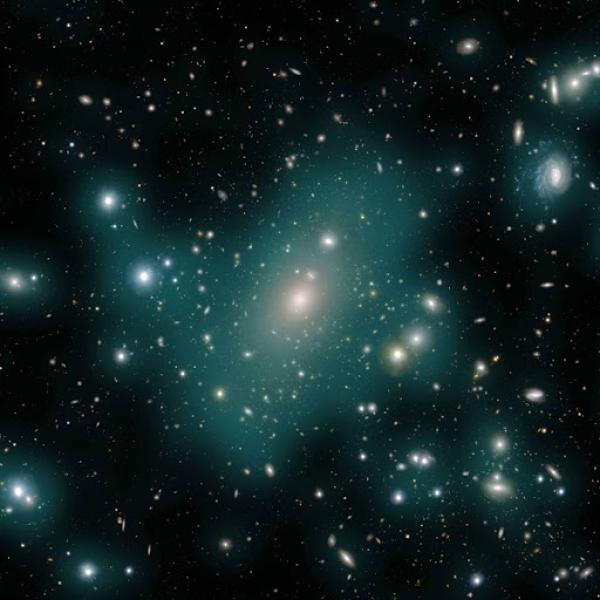
Vera C. Rubin Observatory’s fast-moving telescope and huge digital camera will illuminate the faint glow of free-floating stars within galaxy clusters, providing unprecedented insight into the evolution of these dynamic structures.
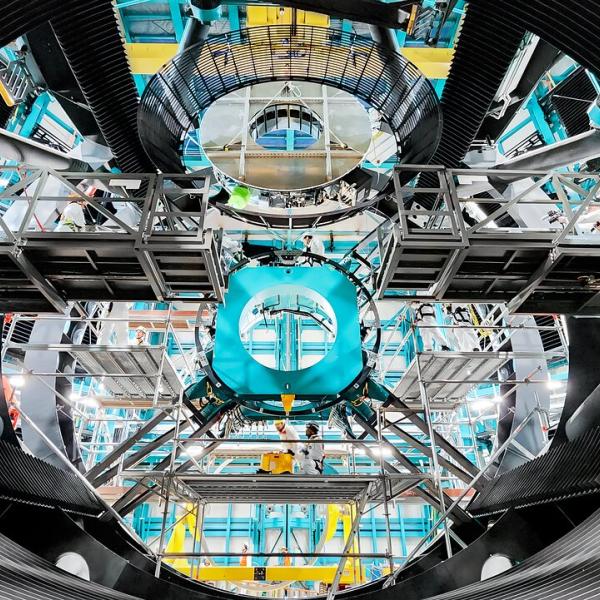
The 3.5-meter glass mirror is the first permanent component of the Simonyi Survey Telescope's state-of-the-art, wide-field optical system to be installed and will soon contribute to a better understanding of our Universe.
LSST is currently under construction in Chile. The U.S. Department of Energy’s SLAC National Accelerator Laboratory is leading the construction of the LSST camera – the largest digital camera ever built for astronomy.
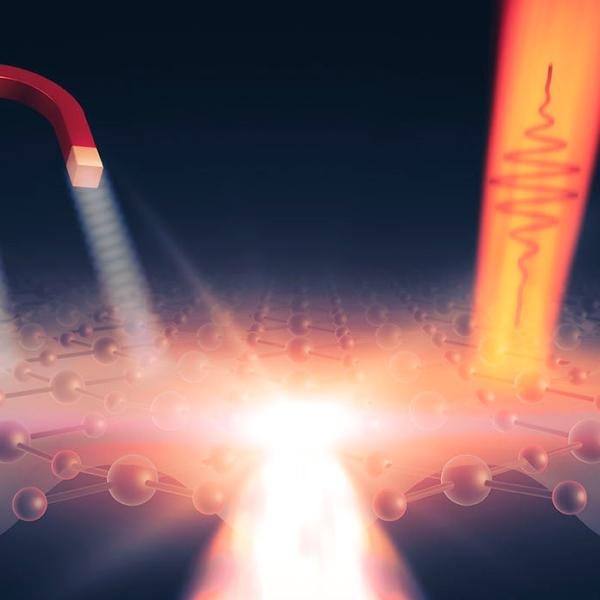
Scientists discover that triggering superconductivity with a flash of light involves the same fundamental physics that are at work in the more stable states needed for devices, opening a new path toward producing room-temperature superconductivity.
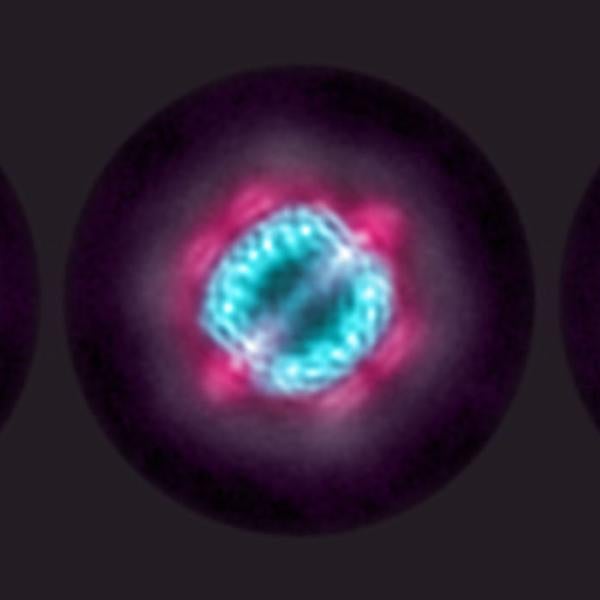
Sandwiching wiggly proteins between two other layers allows scientists to get the most detailed images yet of a protein that’s key to the spread of acute myeloid leukemia.
X-ray laser experiments show that intense light distorts the structure of a thermoelectric material in a unique way, opening a new avenue for controlling the properties of materials.
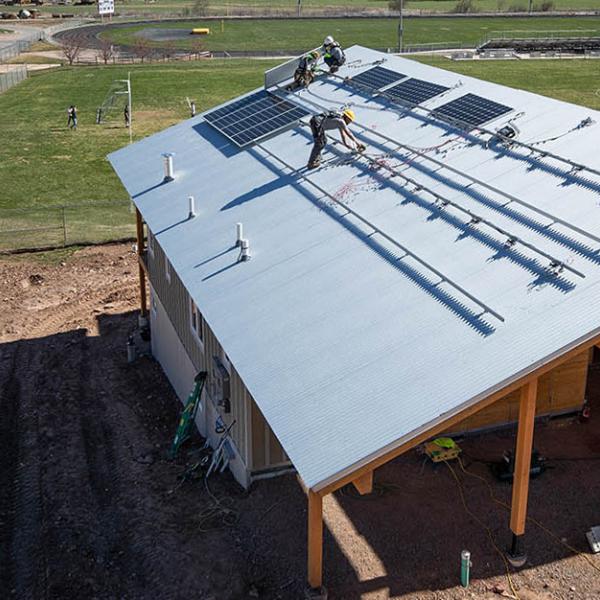
A cellphone-sized device automatically adjusts a home's power use up or down to save the consumer money and increase the resiliency of the electric grid.
A laser compressing an aluminum crystal provides a clearer view of a material’s plastic deformation, potentially leading to the design of stronger nuclear fusion materials and spacecraft shields.