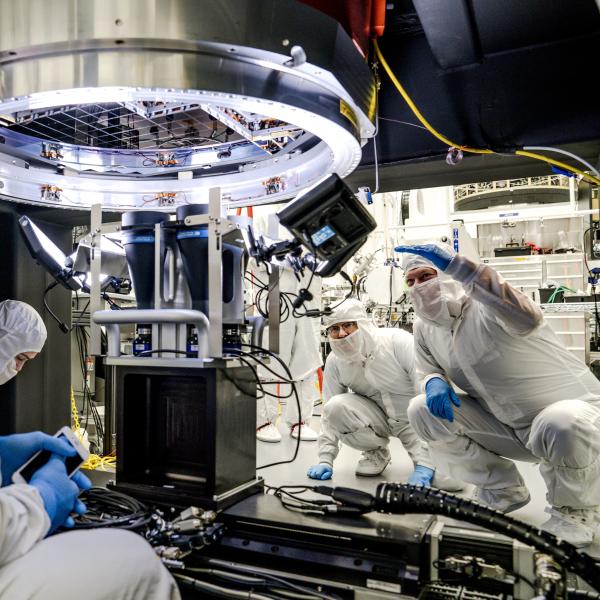
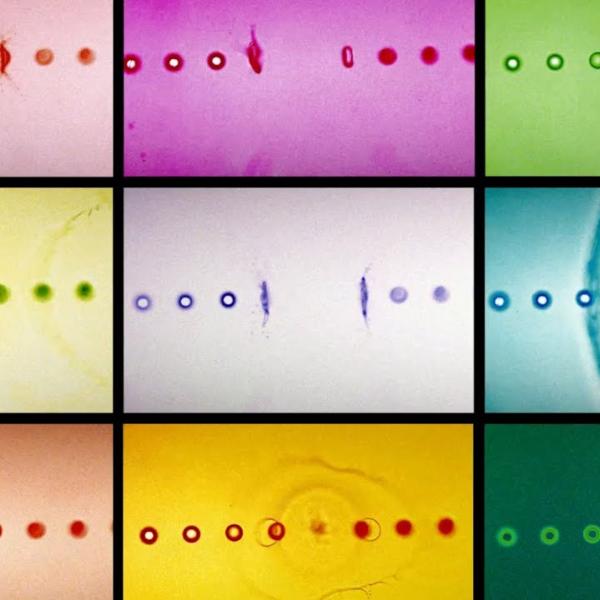
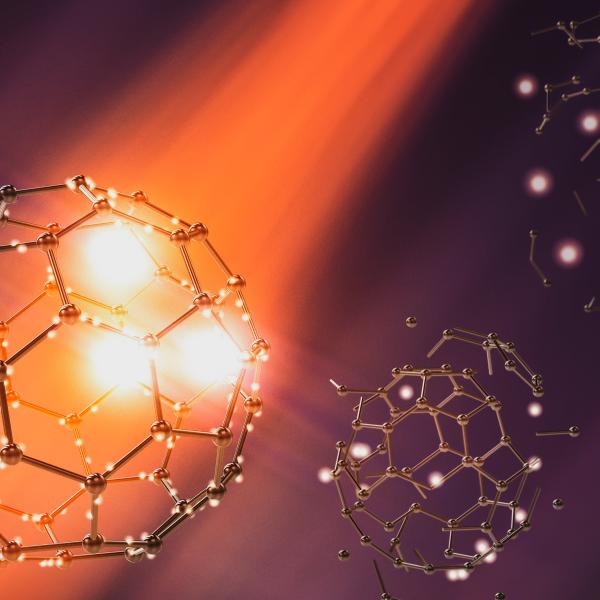
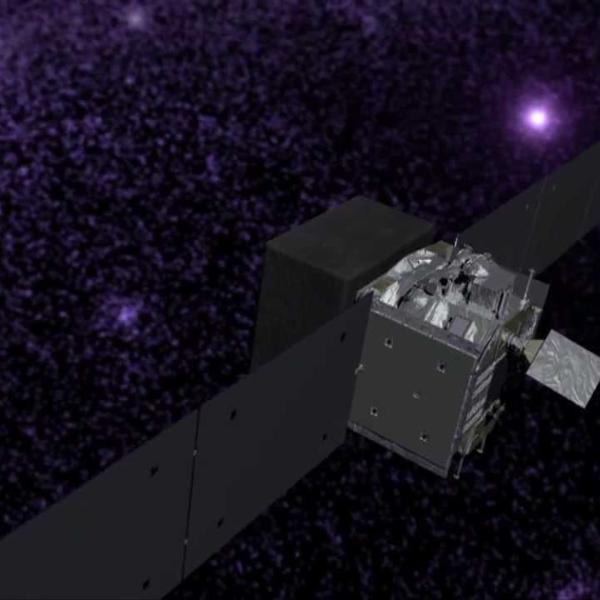
While SLAC’s research has expanded in many directions since our founding in 1962, our guiding principle remains the same: We dream big, and our visionary ideas accelerate discovery not just here but around the world. We’re known for leading large-scale...
SLAC is known for building big sophisticated machines for teasing out the secrets of the universe. They give researchers new eyes on the world, spurring discoveries that spark new inventions in a continuous cycle. In our joint research centers and...
Our original 2-mile-long particle accelerator, built half a century ago for groundbreaking particle physics research, has been repurposed as the world’s first hard X-ray free-electron laser and a testbed for next-generation accelerator technologies.
SLAC is uniquely equipped to study viruses like SARS-CoV-2; in fact, we’ve been doing it for decades. This news collection gathers the latest information on COVID-19 research at SLAC.
SLAC began in 1962 with construction of a 2-mile-long electron accelerator that would take particle physics to new heights. Today we are known for conducting a broad range of research, leading large-scale science projects, and welcoming scientists around the world...
SLAC's mission, vision and values tell our story – what we do, and why. These statements are guiding principles that define our purpose, frame our lab’s goals and challenge us to see beyond the science we do today to the...
As one of 17 Department of Energy national laboratories, SLAC conducts research in a wide range of scientific areas and develops technologies in support of national priorities.
SLAC owes its identity, and in fact its very existence, to our essential and longstanding connections with the Department of Energy and Stanford University. SLAC is one of 17 DOE national laboratories – the most comprehensive research system of its...
Presented by Yi Cui, SLAC/Stanford University. To transform our energy sources to carbon neutrality, we need to power as much of modern society as possible with clean electricity.