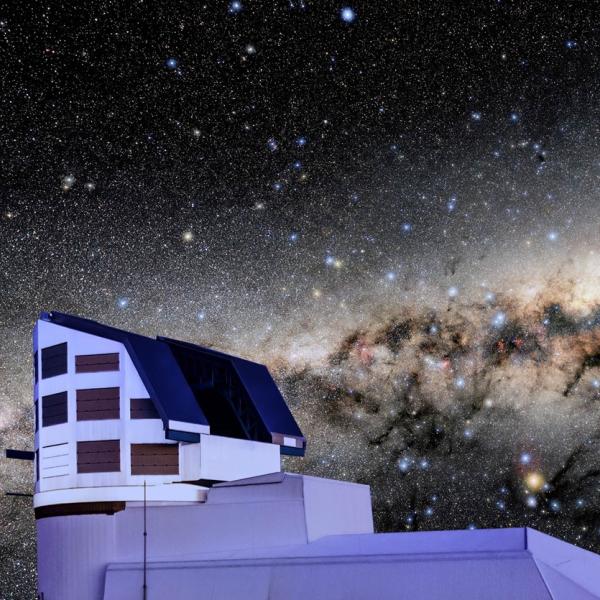
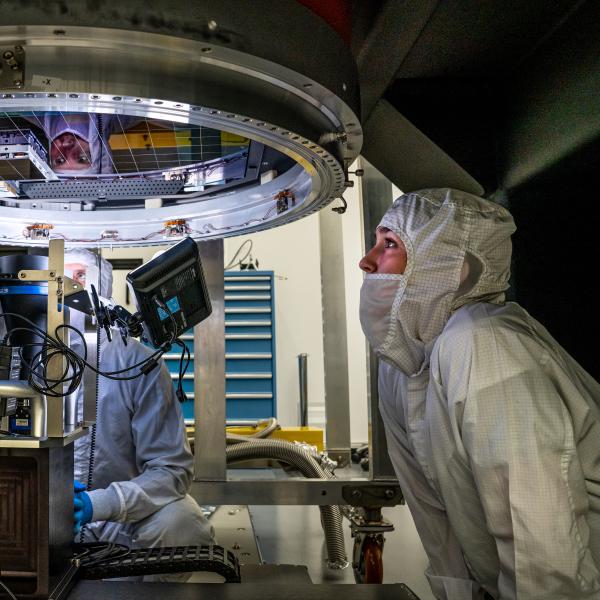
The world’s biggest digital camera was built at SLAC, and shipped to the NSF-DOE Vera C. Rubin Observatory in northern Chile last year. This observatory has a goal no less ambitious than to map the entire the southern sky and...
Modern particle accelerator control rooms are like busy air traffic control centers, where skilled operators juggle hundreds of interconnected and time-sensitive tasks to generate and shape high-energy particle beams. Control room tasks are increasingly performed with the support of AI...
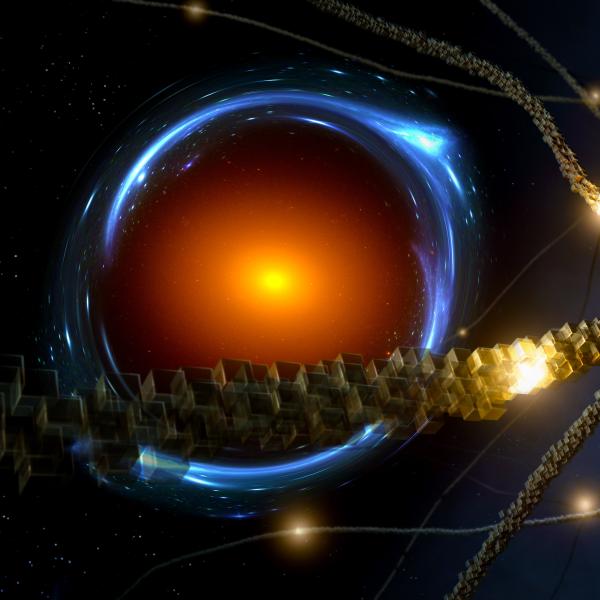
SLAC scientists played key roles in leadership, survey design, cosmological applications, studies of dark matter and of links to the cosmic microwave background.
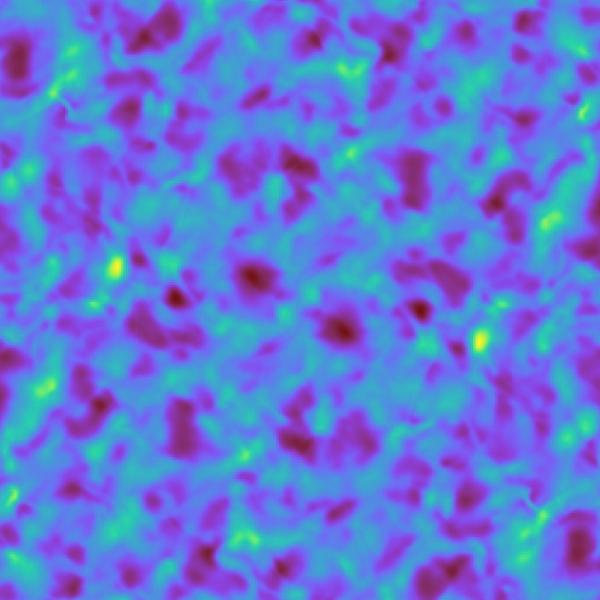
An international team of researchers simulated magnetic forces in the early universe and found they could bridge the gap between the observed and calculated rates of the universe’s expansion.
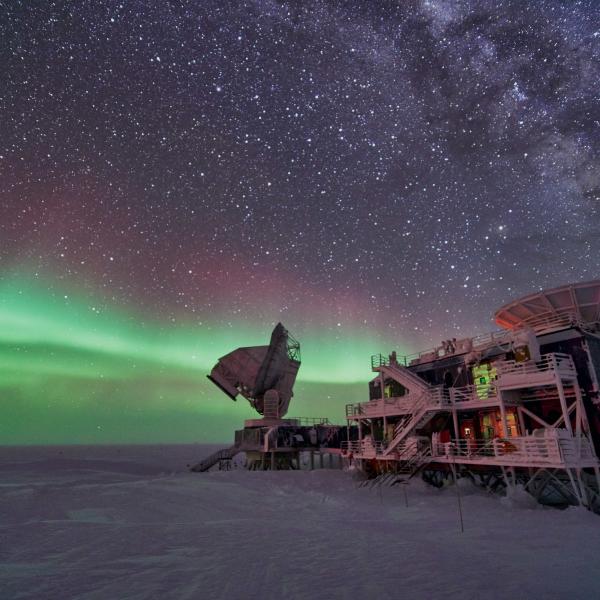
This week 200 members of the Cosmic Microwave Background Stage-4 (CMB-S4) collaboration are meeting at SLAC to focus on the continuing development of this science research project. CMB-S4 and the next generation telescopes will provide measurements of the cosmic...
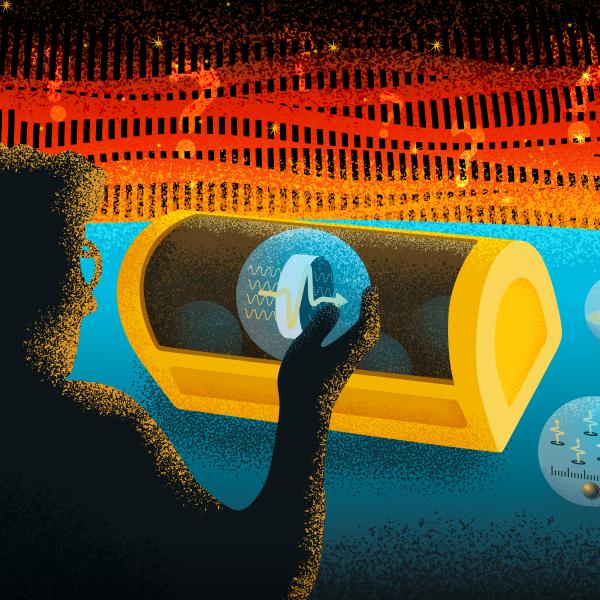
As QuantISED enters its next phase in its effort to develop quantum technologies capable of exploring some of the universe’s biggest unanswered questions, scientists reflect on what the first round made possible and what comes next.
Register here to join us in-person, or watch online. How do we find the next super material? How do we discover the next breakthrough drug? How do we unlock the mystery of dark matter and the structure of the universe...