

SLAC topics

Ultrafast science RSS feed

SLAC is the world’s leading center for developing “ultrafast” X-ray, laser and electron beams that allow us to see atoms and molecules moving in just millionths of a billionth of a second. We can even create stop-action movies of these tiny events.

Related Links:
DOE explains...Ultrafast science

Browse tagged content

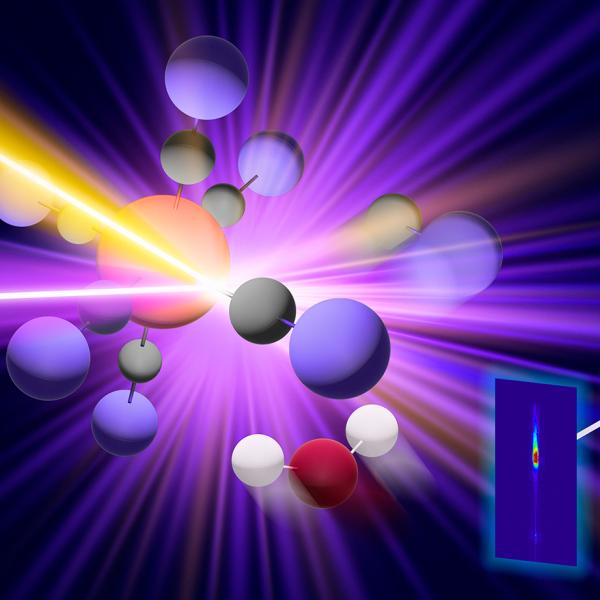
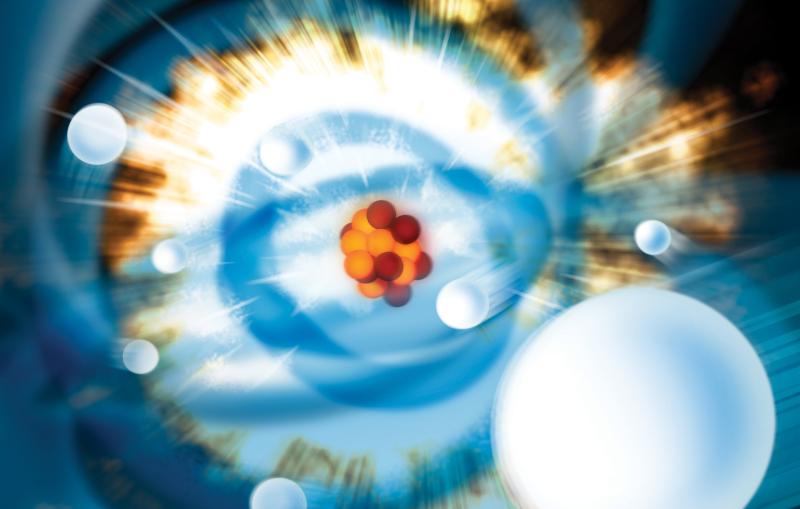
This illustration shows how the first experiment at SLAC's Linac Coherent Light Source X-ray laser stripped away electrons from neon atoms. (SLAC National Accelerator Laboratory)
Feature

Bringing ultrafast physics to structural biology has revealed the coordinated dance of molecules in unprecedented clarity, which could aid in the design of new...

molecular control
news collection

An upgrade to SLAC’s renowned Linac Coherent Light Source will allow it to deliver X-ray laser beams that are 10,000 times brighter with pulses that arrive up to a million times per second.

collage of LCLS-II milestones
Feature

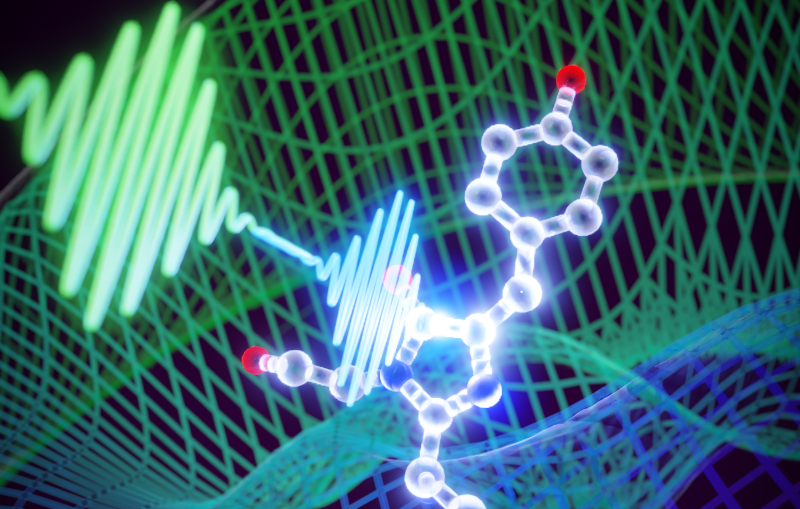
The results should further our understanding of similar reactions with vital roles in chemistry, such as the production of vitamin D in our bodies.

UED transition state
Feature

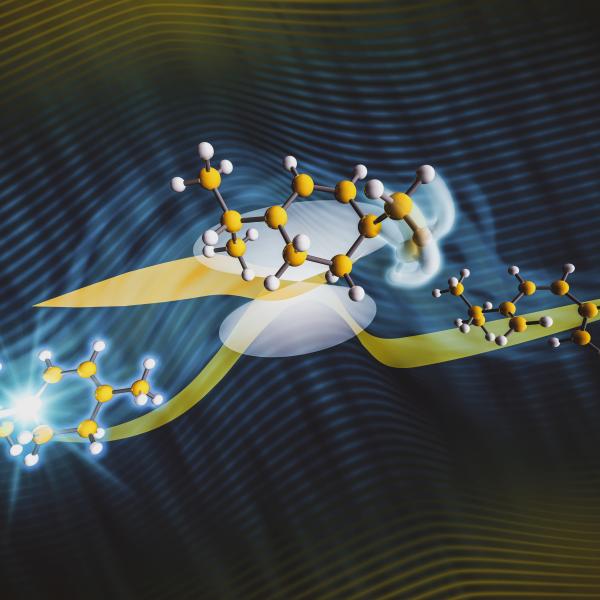
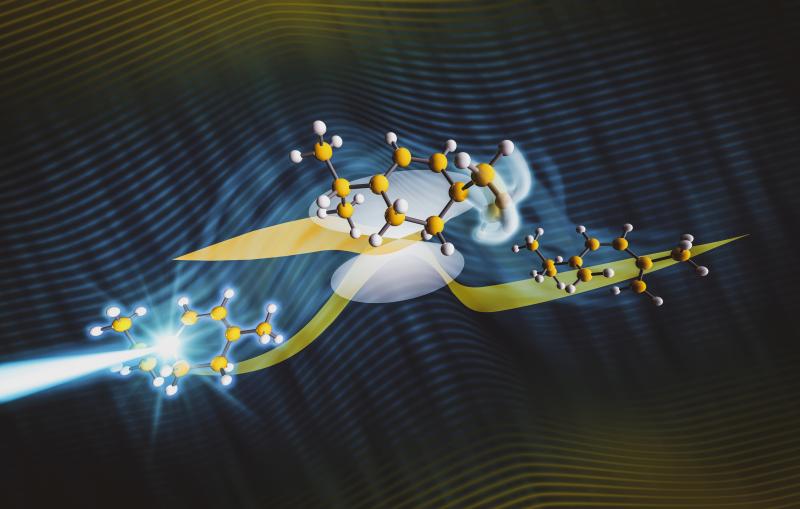
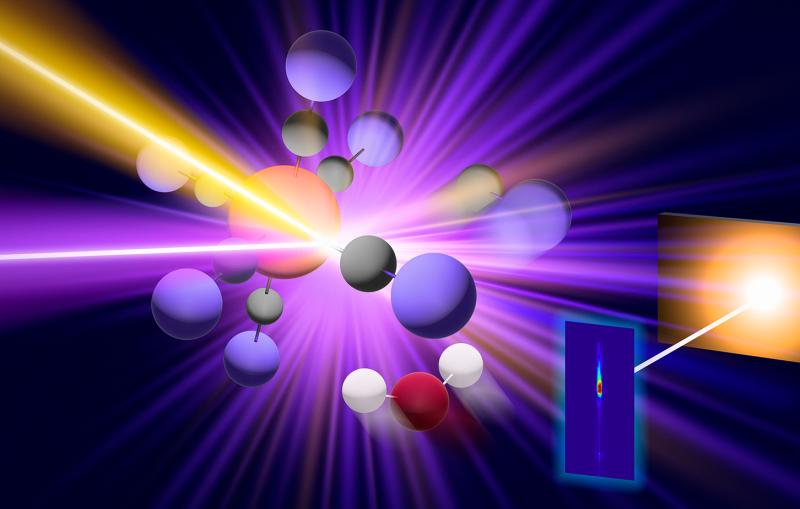
Chemical reactions often involve intermediate steps that are too fast and complex for us to see  – even using our most advanced scientific instruments...

This is a graphic representation of an intermediate chemical reaction. The image shows the chemical reaction, a laser, X-rays and a detector system.
News Release

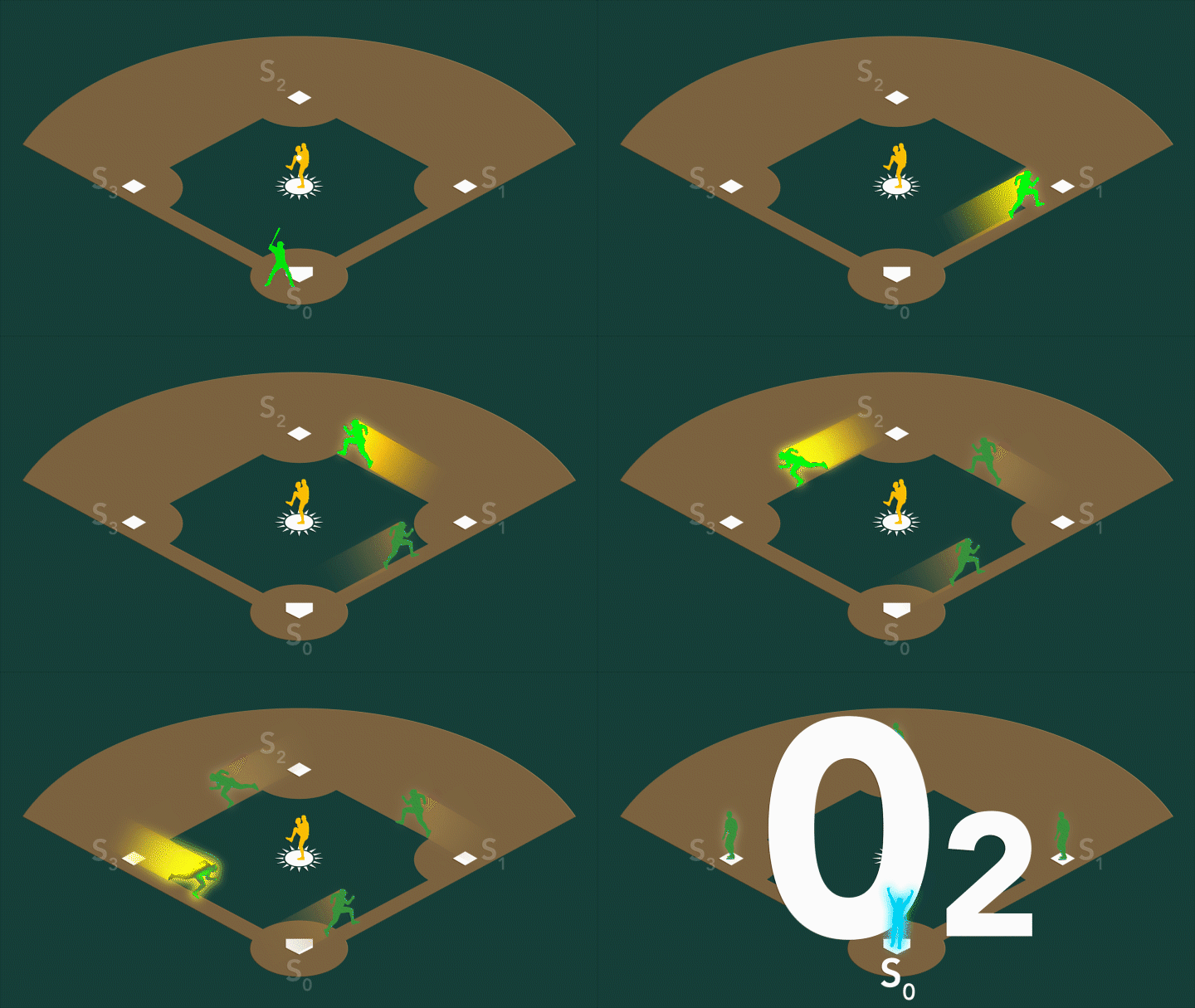
After decades of effort, scientists have finally seen the process by which nature creates the oxygen we breathe using SLAC’s X-ray laser.

Photosystem II
Animation

In photosystem II, the water-splitting center cycles through four stable states
Photosystem II baseball
Feature

The award celebrates Huang’s achievements studying atom-scale physics with fast X-ray pulses.

Yijing Huang at Stanford University
Illustration
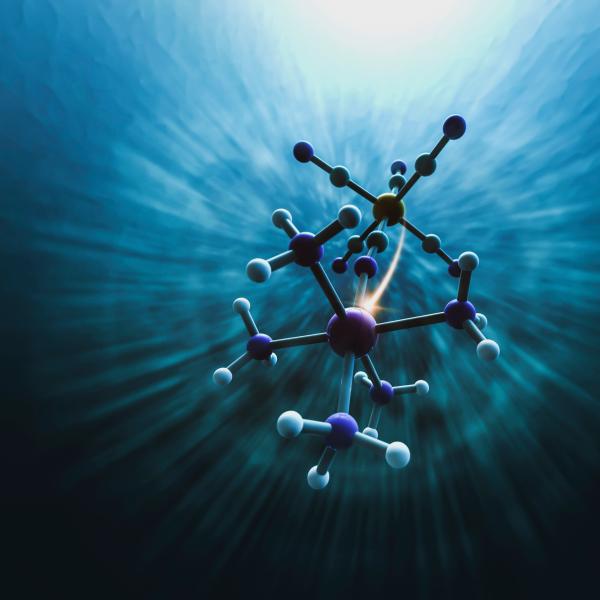
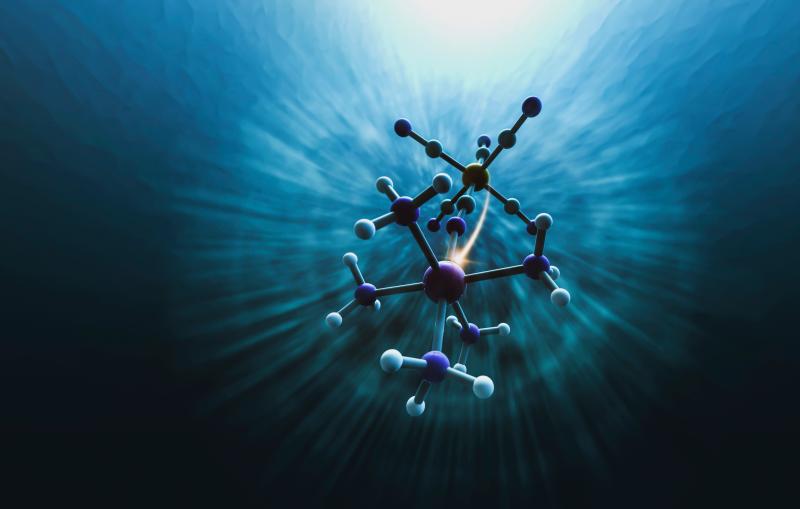
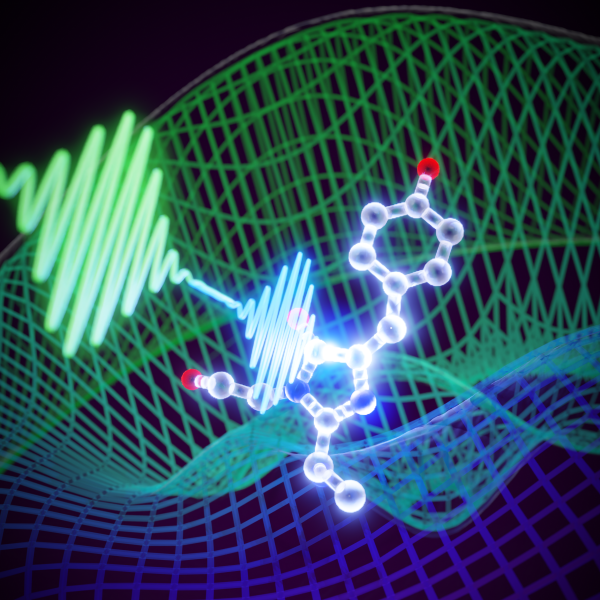
When light drives electron transfer in a molecular complex, the surrounding solvent molecules also rapidly move.
Illustration
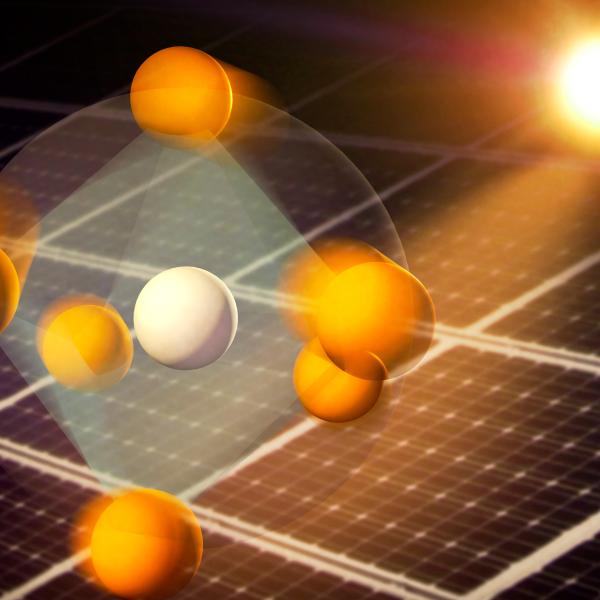
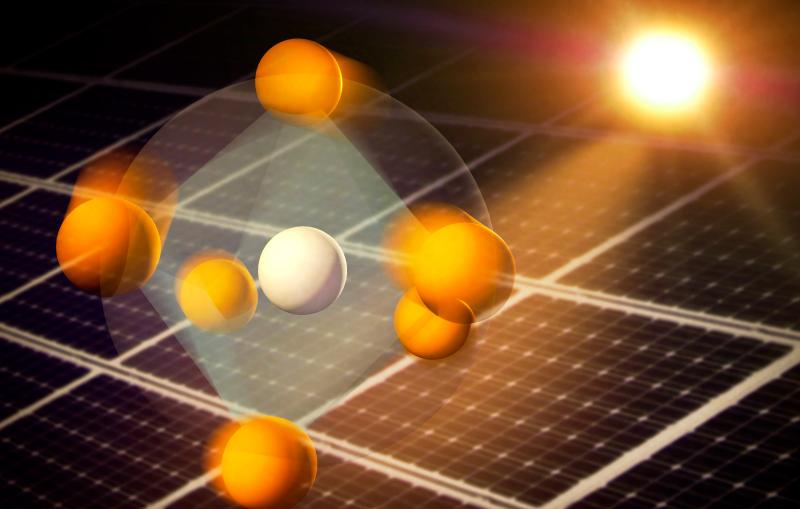
Perovskites’ unusual response to light could explain the high efficiency of these next-generation solar cell materials.
Illustration

Scientists use a series of magnets to transform an electron bunch into a narrow current spike which then produces a very intense attosecond X-ray...
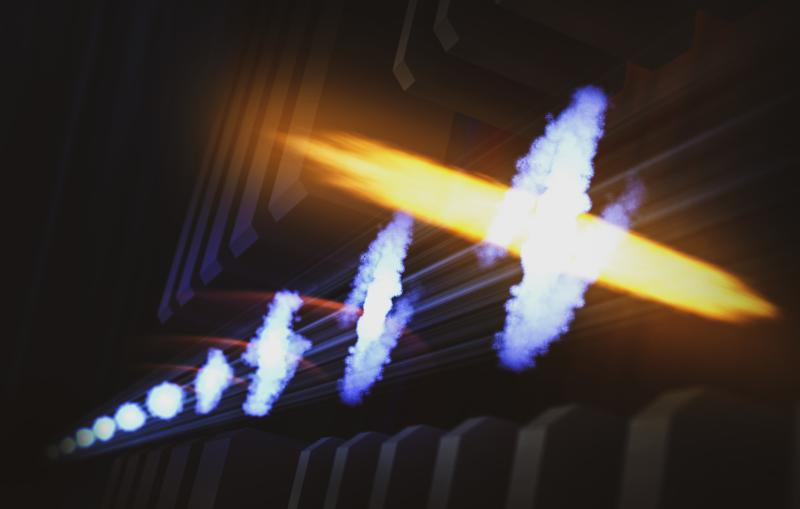
XLEAP illustration
Illustration

Researchers made the first microscopic movies of liquids getting vaporized by SLAC’s X-ray free-electron laser LCLS.
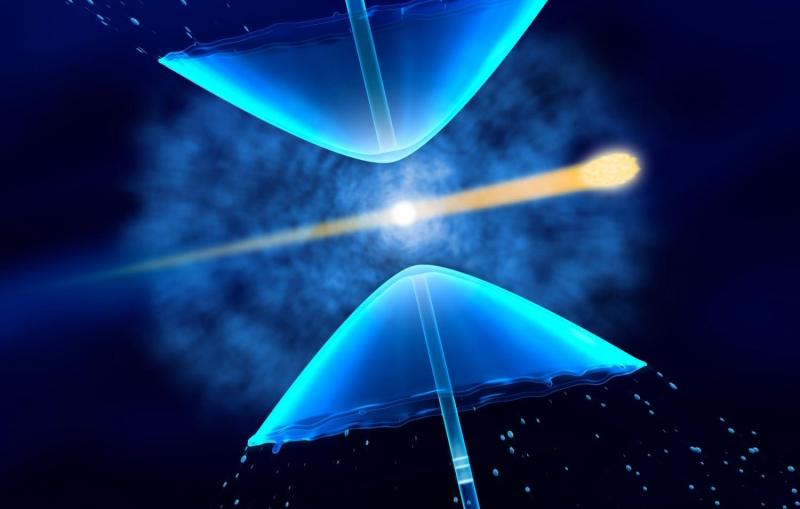
First microscopic movies of liquids getting vaporized by SLAC’s X-ray free-electron laser LCLS.
News Release

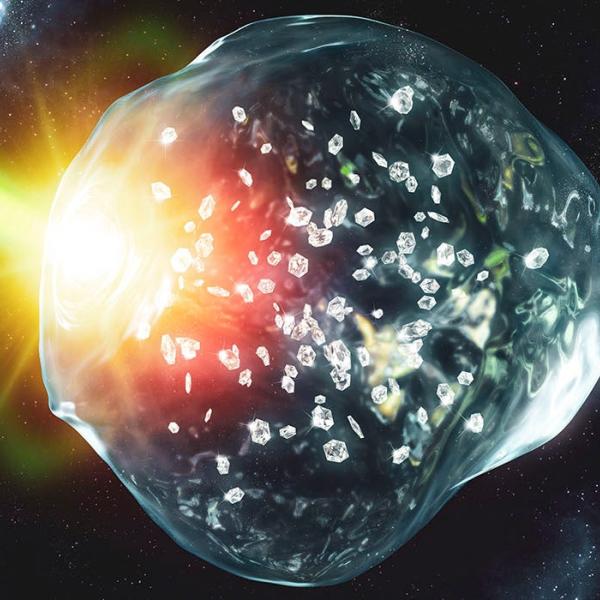
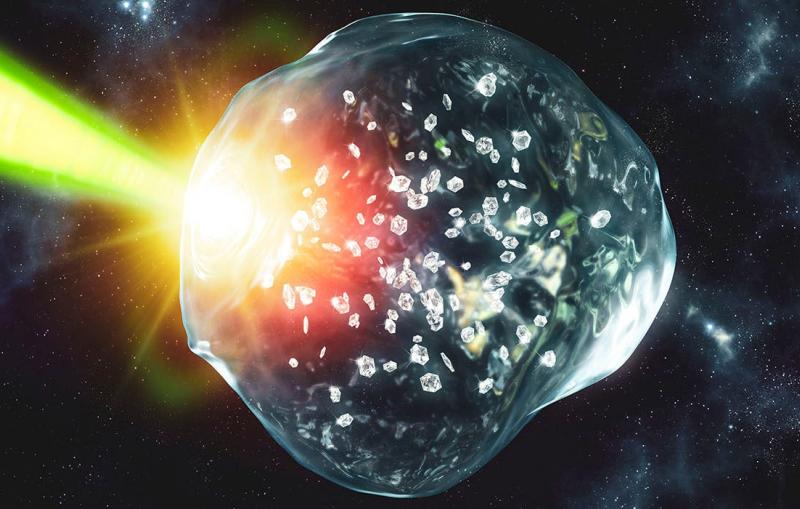
Studying a material that even more closely resembles the composition of ice giants, researchers found that oxygen boosts the formation of diamond rain.

Diamond rain formation