



SLAC topics

Particle physics RSS feed

Working at the forefront of particle physics, SLAC scientists use powerful particle accelerators to create and study nature’s fundamental building blocks and forces, build sensitive detectors to search for new particles and develop theories that explain and guide experiments. SLAC's particle physicists want to understand our universe – from its smallest constituents to its largest structures.

Related links:
Physics of the universe
Elementary particle physics
Browse tagged content below

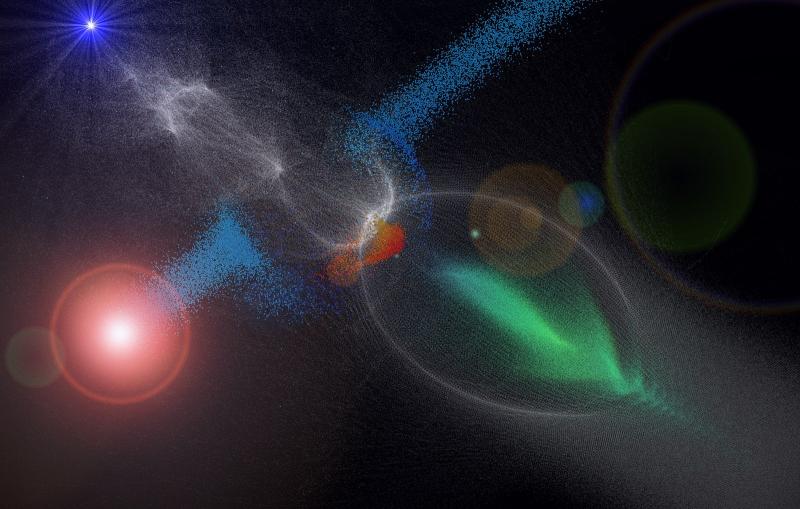
Particles collide in this illustration
Feature

Latin America has reached a pivotal moment in experimental particle physics and astrophysics research. Throughout the month of October, Symmetry will explore how.

Map of particle physics and astrophysics research around Latin America
Feature

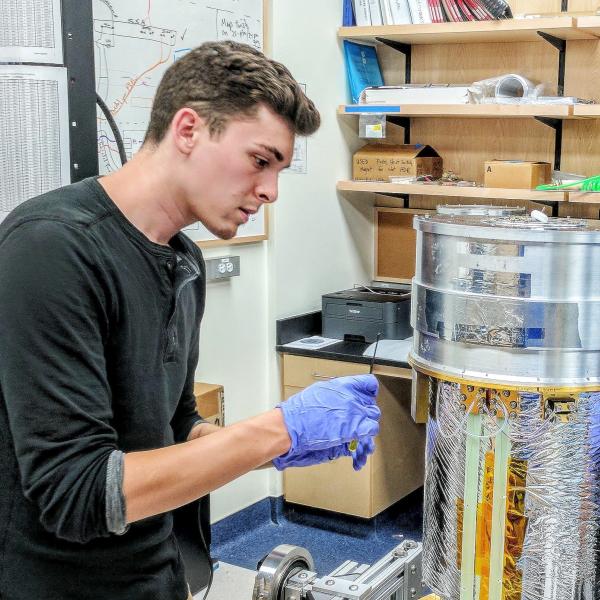
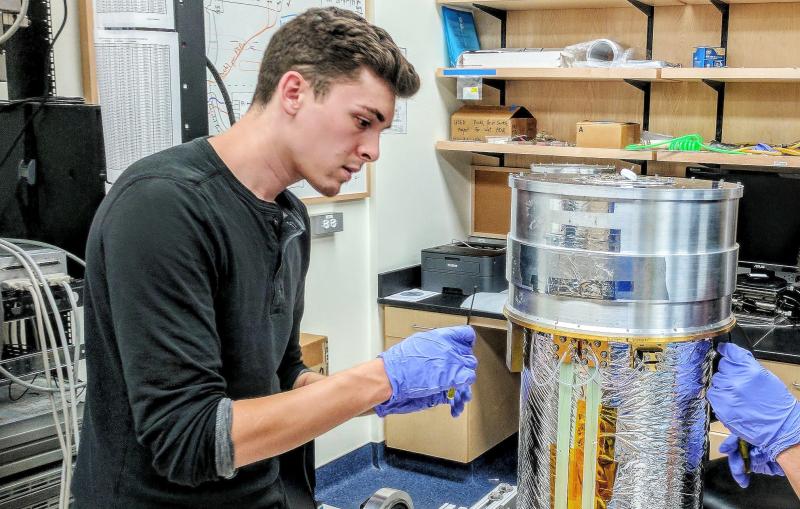
Early-career physicist Jonathan LeyVa helps build one of the world’s most sensitive dark matter detectors.

Jonathan LeyVa/SuperCDMS
Feature

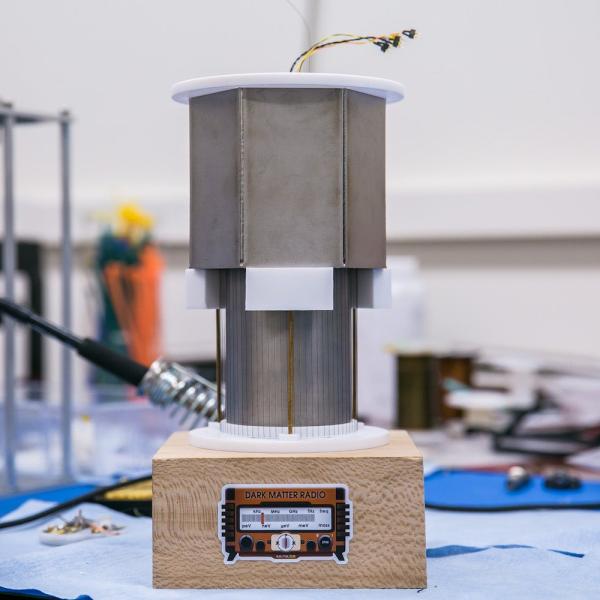
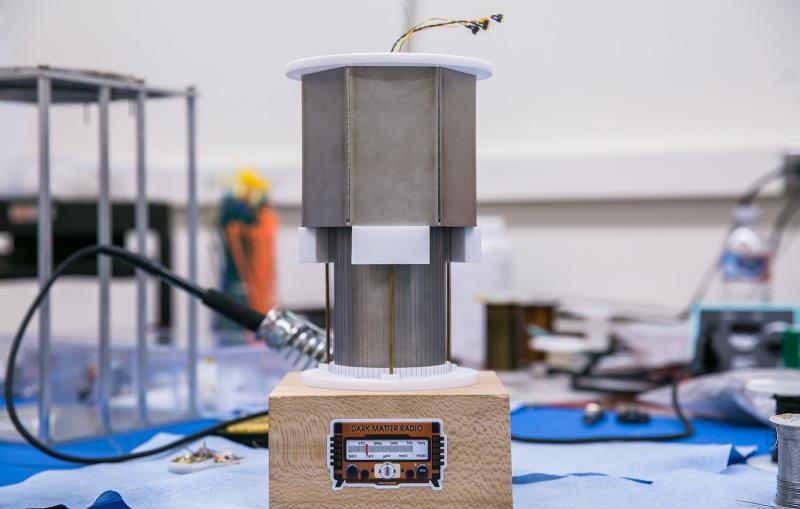
An “out there” theory inspired the development of the Dark Matter Radio, a device that could explain the mysterious matter that makes up 85...

Dark Matter Radio
Feature

The complete data from the EXO-200 experiment provide new information on neutrinoless double beta decay and set the stage for future experiments that will...

The EXO-200 underground detector.
Feature

At SLAC’s FACET facility, researchers have produced an intense electron beam by 'sneaking’ electrons into plasma, demonstrating a method that could be used in...

Trojan horse illustration
Feature

If a particle has no mass, how can it exist?

Feature

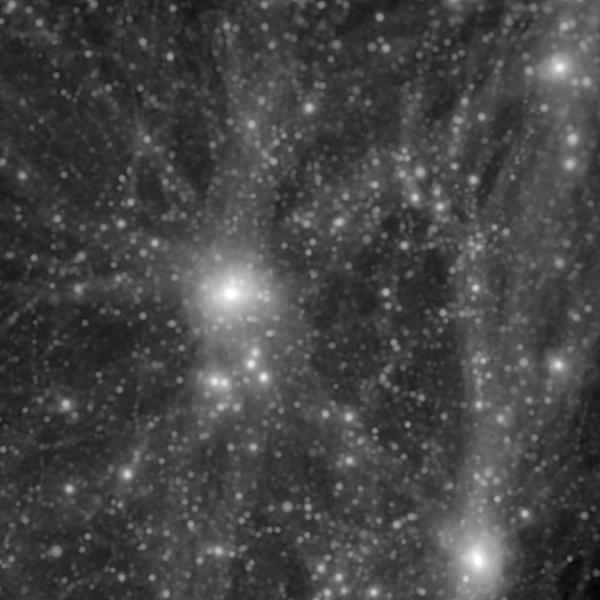
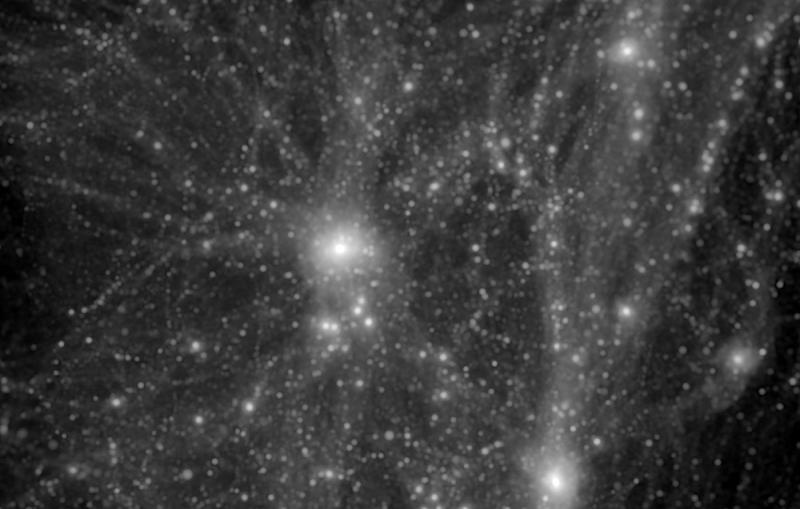
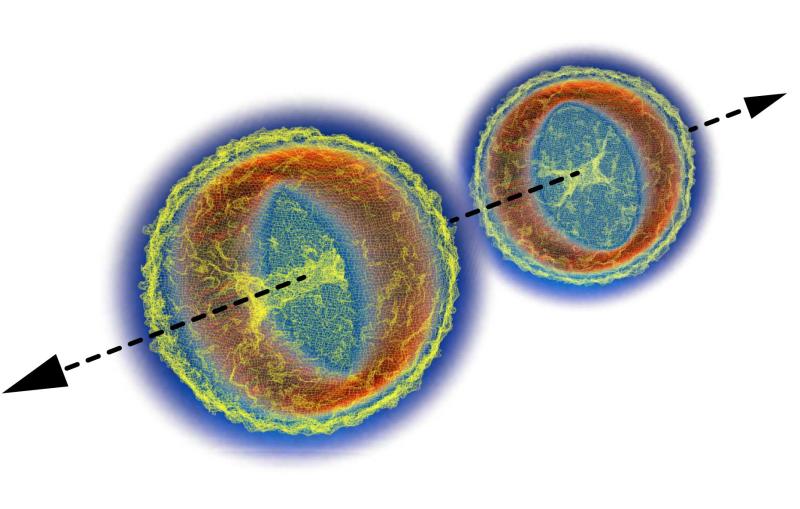
A SLAC/Stanford study of the population of satellite galaxies orbiting the Milky Way provides new clues about the particle nature of dark matter.

Dark matter simulation
Feature

Particle accelerators are some of the most complicated machines in science.

Feature

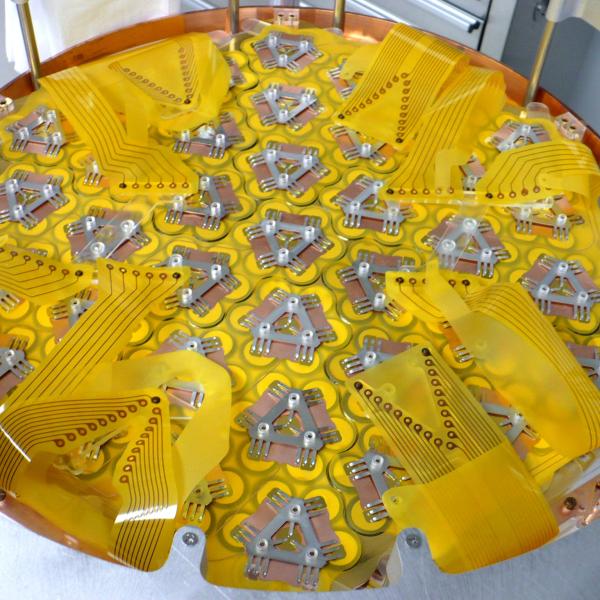
Four large meshes made from 2 miles of metal wire will extract potential signals of dark matter particles.

LZ Grids Weaving
Feature

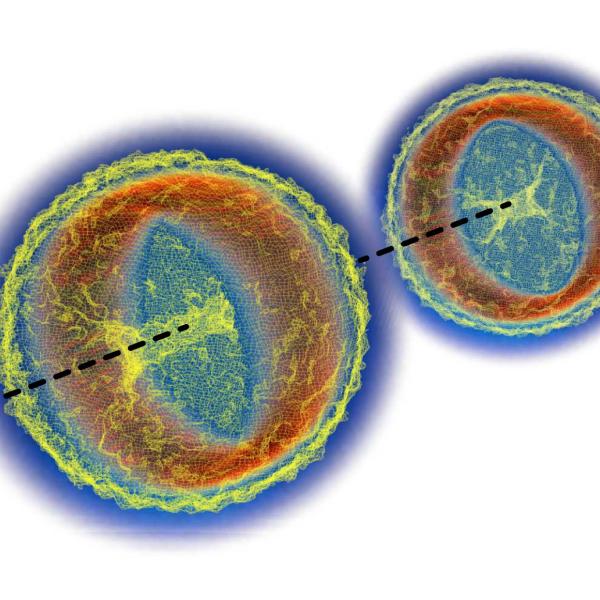
The approach could advance our understanding of fundamental forces under extreme conditions with applications from astrophysics to fusion research.

QED extreme
Feature

Monika Schleier-Smith and Kent Irwin explain how their projects in quantum information science could help us better understand black holes and dark matter.

QIS-Schleier-Smith-Irwin
Feature
VIA Symmetry Magazine

All hands on deck

Some theorists have taken to designing their own experiments to broaden the search for dark matter.