

SLAC topics

Particle physics RSS feed

Working at the forefront of particle physics, SLAC scientists use powerful particle accelerators to create and study nature’s fundamental building blocks and forces, build sensitive detectors to search for new particles and develop theories that explain and guide experiments. SLAC's particle physicists want to understand our universe – from its smallest constituents to its largest structures.

Related links:
Physics of the universe
Elementary particle physics
Browse tagged content below

Particles collide in this illustration
News Brief

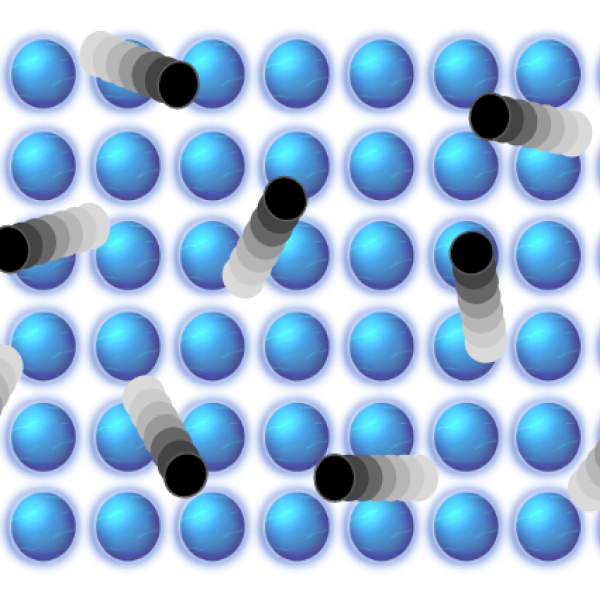
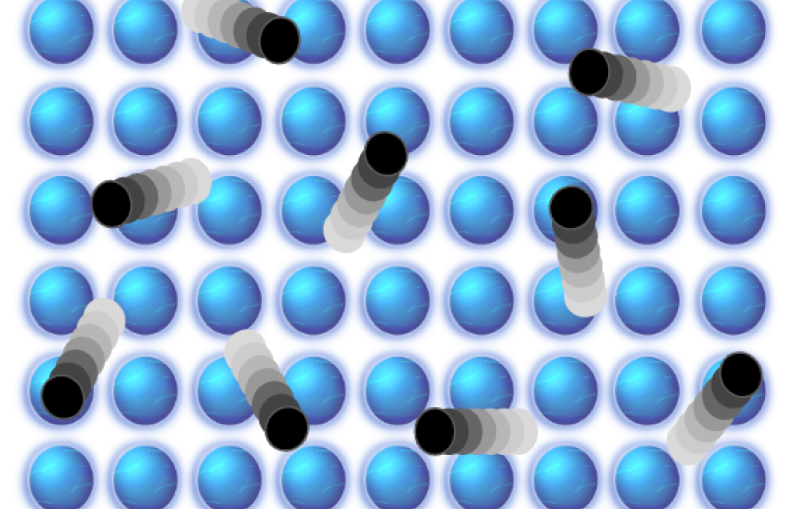
In a new study, SLAC researchers suggest a small-scale solution could be the key to solving a large-scale mystery.

Black spheres travel across a grid of blue spheres.
Feature

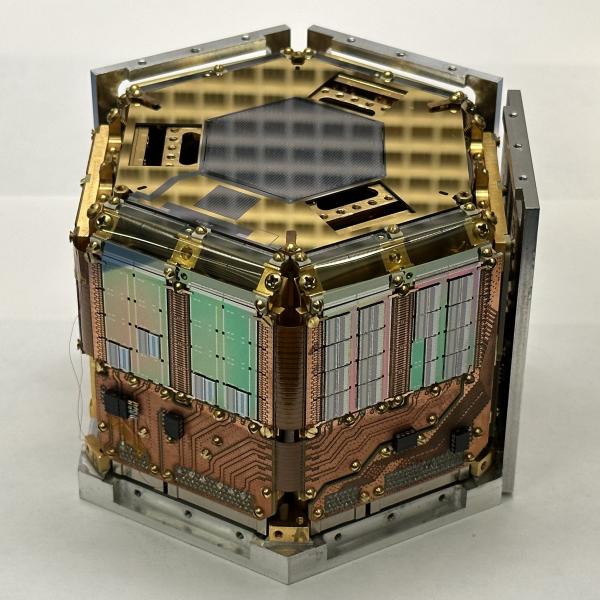
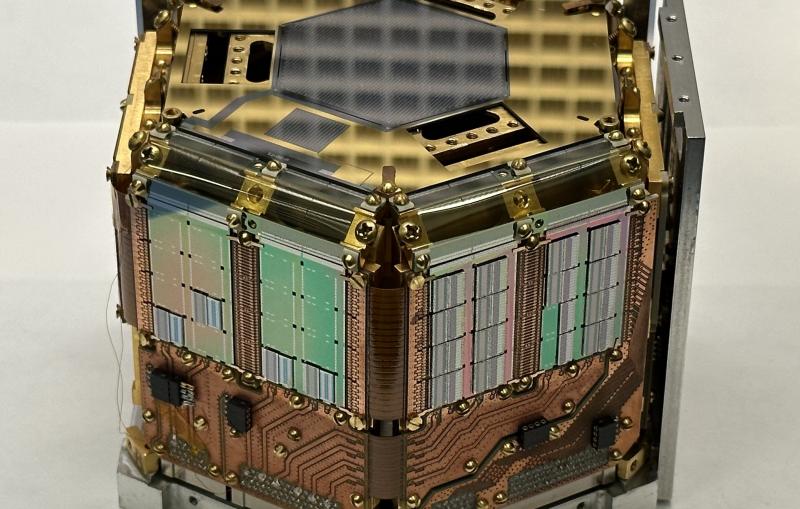
Sensors designed and created at SLAC could help a proposed satellite mission map the X-ray emissions of galaxies with unprecedented precision.

a hexagonal, copper and gold-colored experimental apparatus.
Feature

An advisory committee recommends the US work to advance three key areas of emerging accelerator technology.

Illustration of three physics-related tarot cards, labeled Proton-Proton, Muon and Plasma-Wakefield
Feature

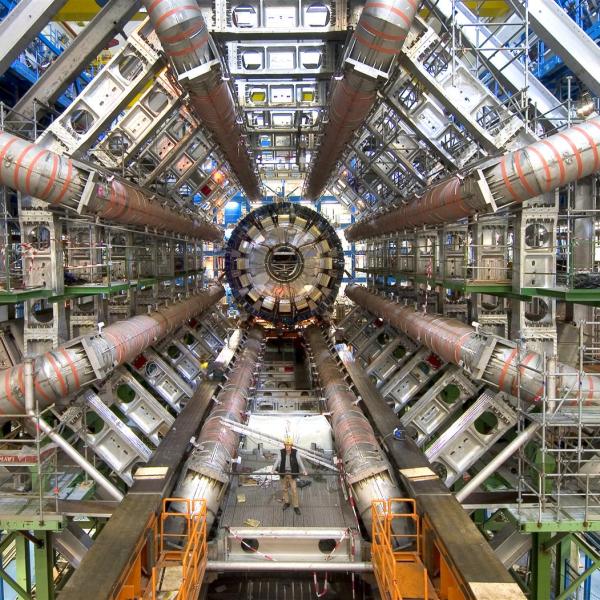
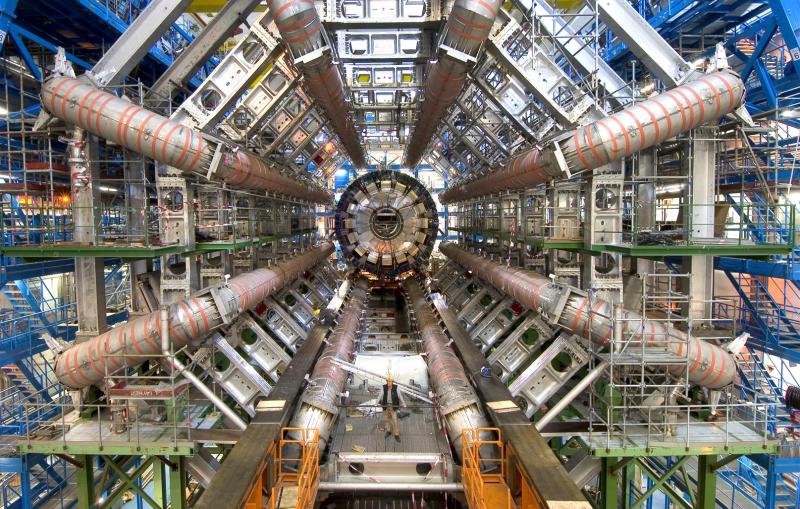
SLAC experimentalists and theorists collaborate to develop critical detector components, data analysis tools, and theoretical models for the HL-LHC upgrade, which will investigate the...

Eight pipes arrayed in a circle lead to a central experimental apparatus.
Feature

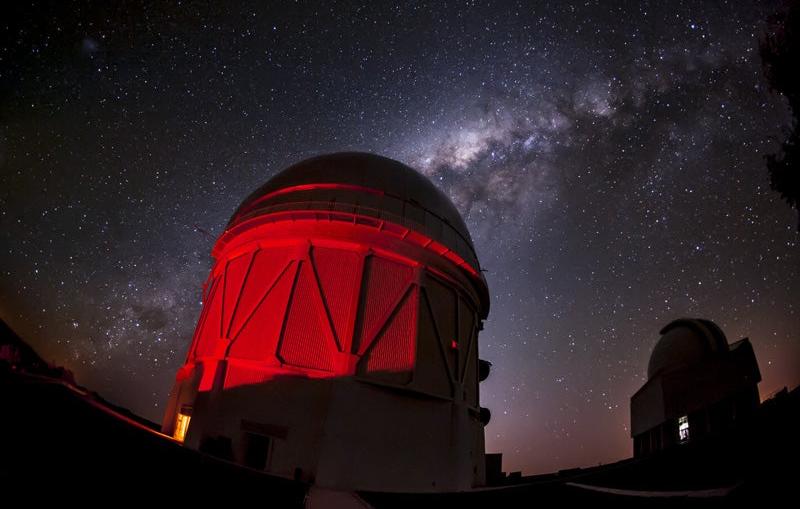
The latest results put the strongest constraints on the expansion of the universe ever obtained with DES supernova data.

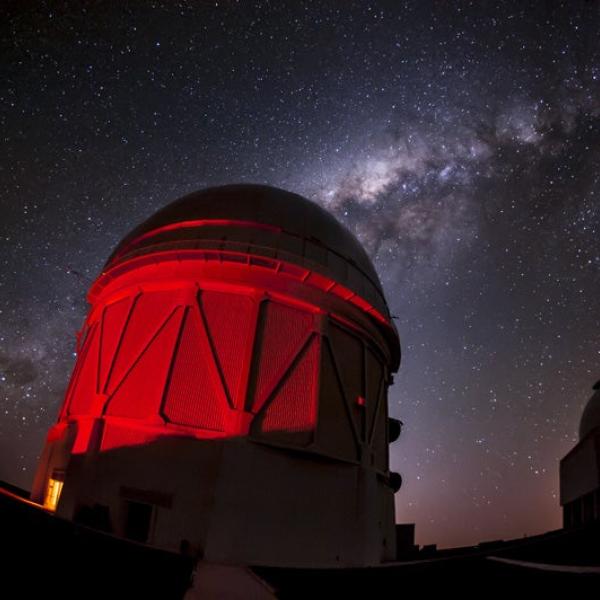
Blanco Telescope
Feature

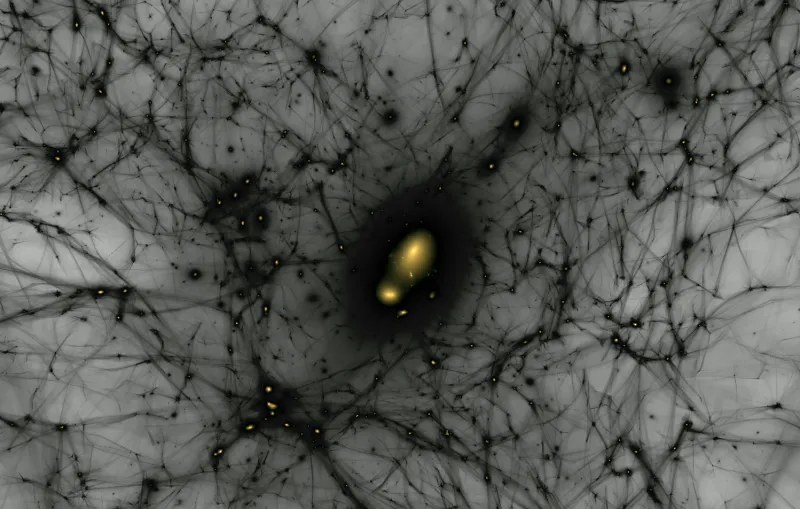
A new report outlines suggestions for federal investments needed for the next generation of transformative discoveries in particle physics and cosmology, including priority projects...

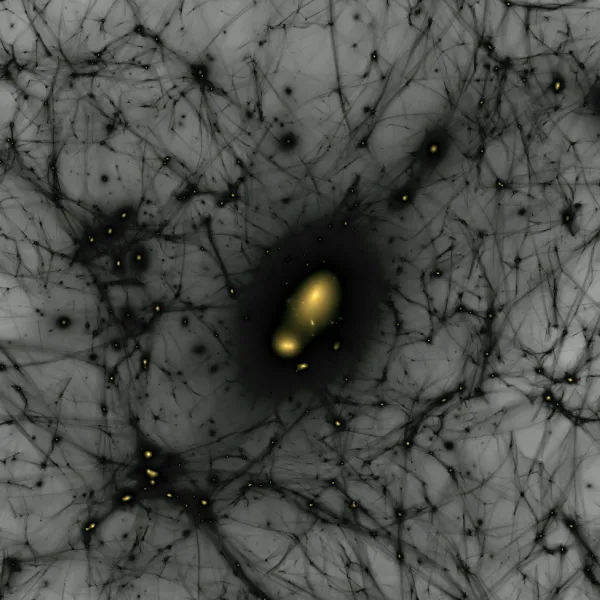
A web of dark matter, in which galaxies are forming.
Feature

To understand why scientists are excited about detecting a new background, just look to the history of studies of the CMB.

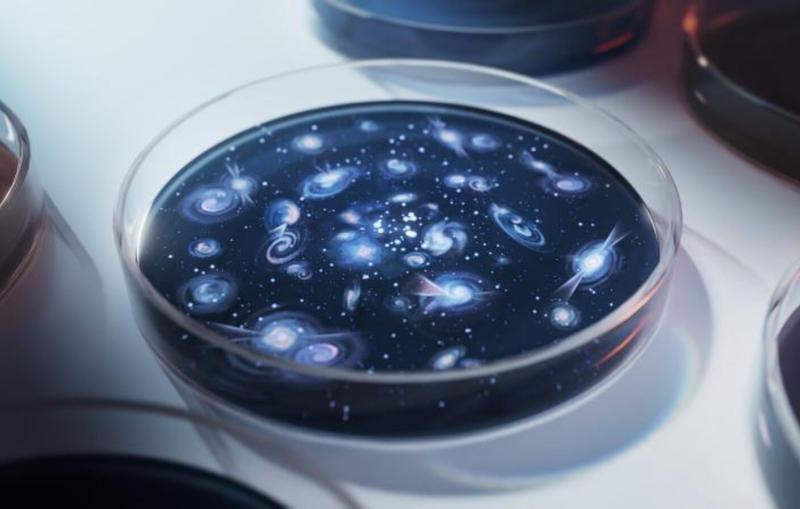
Illustration of galaxies in a Petri dish
Feature

They’ll work on experiments searching for dark matter and physics beyond the Standard Model of particle physics to push our understanding of what makes...

Kelly Stifter and Julia Gonski.
Feature

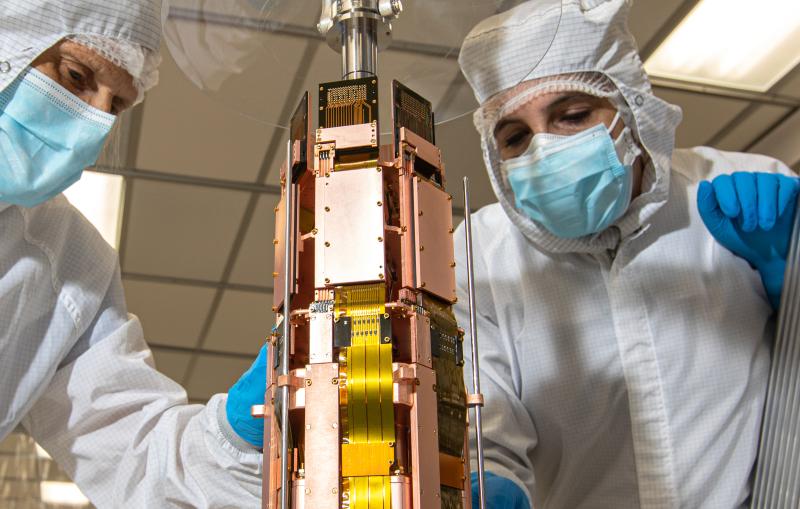
The first pair of towers are now at the Ontario facility, where they'll further the hunt for dark matter particles.

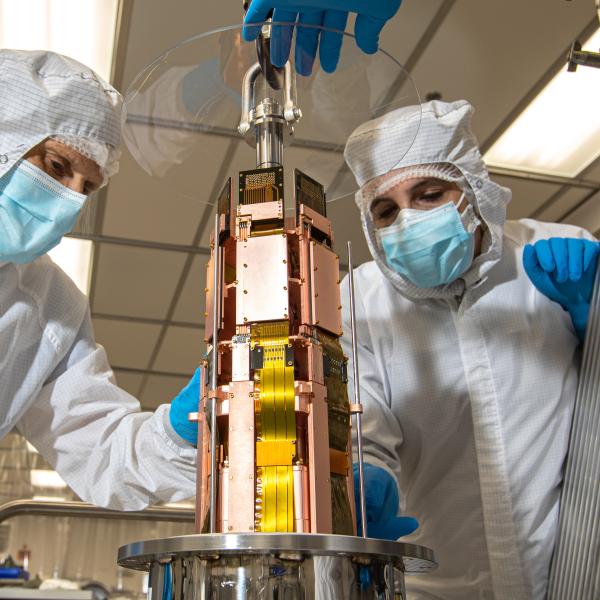
SuperCDMS tower
Feature

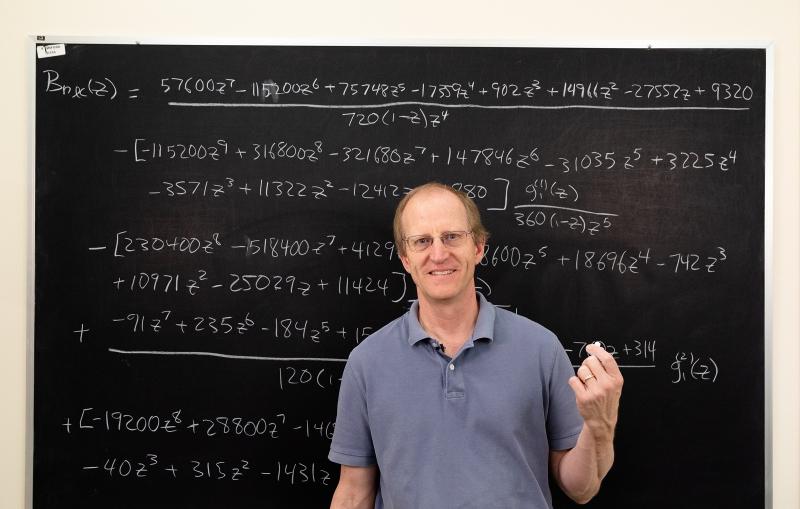
Together with two long-time collaborators, he is recognized for work that helps us understand the strong nuclear force.

A man standing in front of a chalkboard.
Explore our frontier research

Working at the forefront of particle physics, SLAC scientists use powerful particle accelerators to create and study nature’s fundamental building blocks and forces, build sensitive detectors to search for new particles and develop theories that explain and guide experiments.

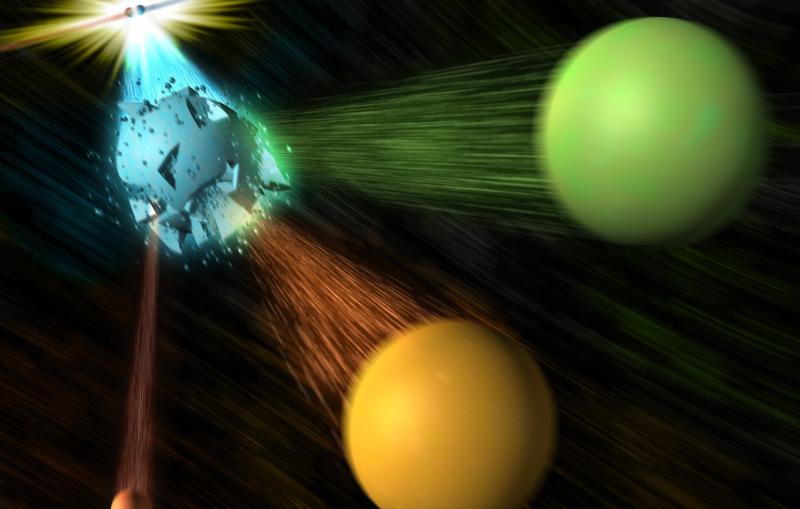
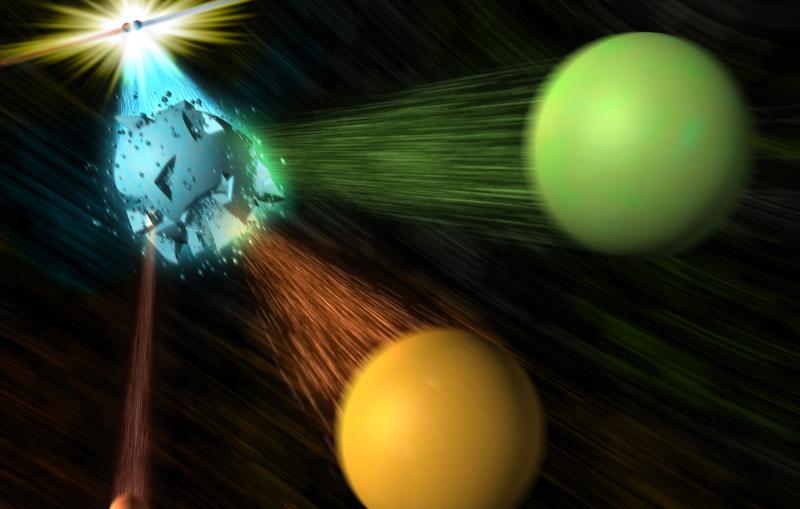
Concept Art: B to D-Star-Tau-Nu
Feature

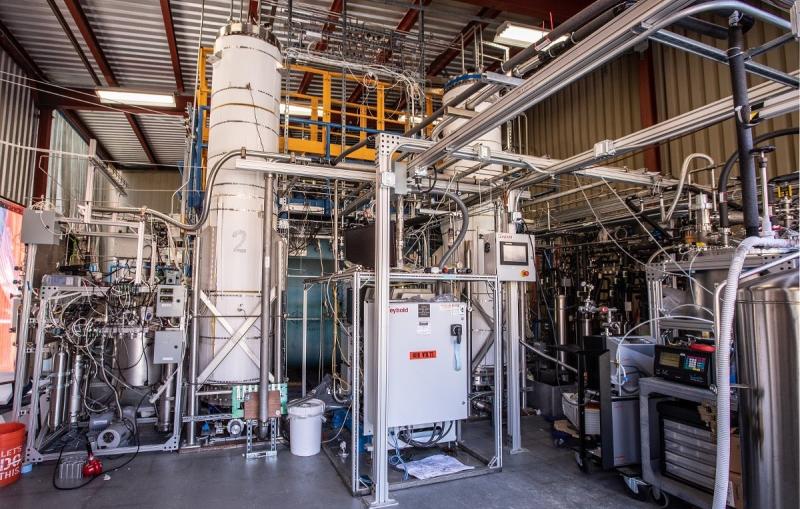
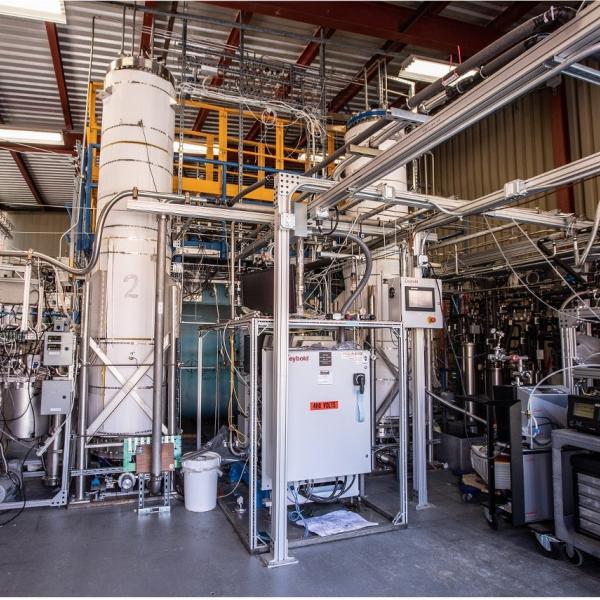
An enormous vat of pure liquid xenon will help scientists at SLAC and around the globe learn more about the universe.

A collection of pipes, towers, and other equipment