
SLAC topics

Linac Coherent Light Source (LCLS) RSS feed

The Linac Coherent Light Source at SLAC, the world’s first hard X-ray free-electron laser, takes X-ray snapshots of atoms and molecules at work, revealing fundamental processes in materials, technology and living things.
Visit LCLS website

Browse tagged content

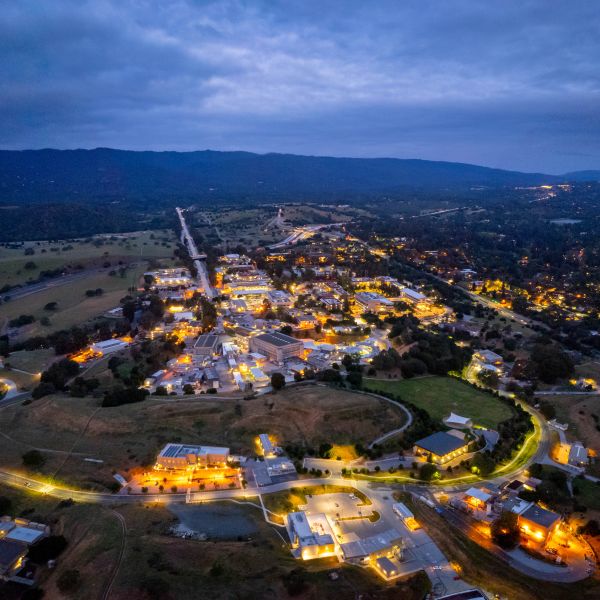
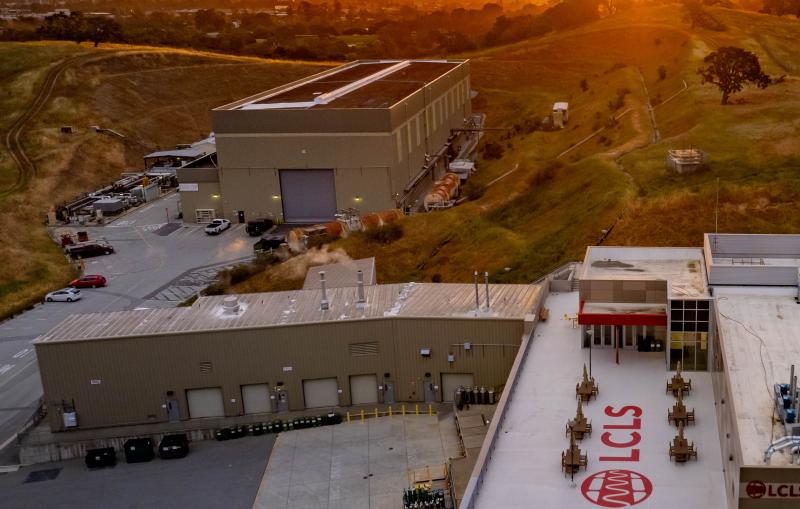
Rooftop view of Linac Coherent Light Source (LCLS)
Feature

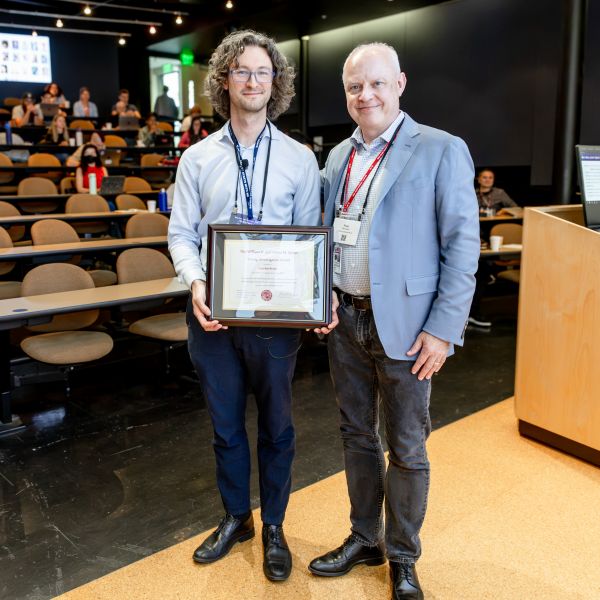
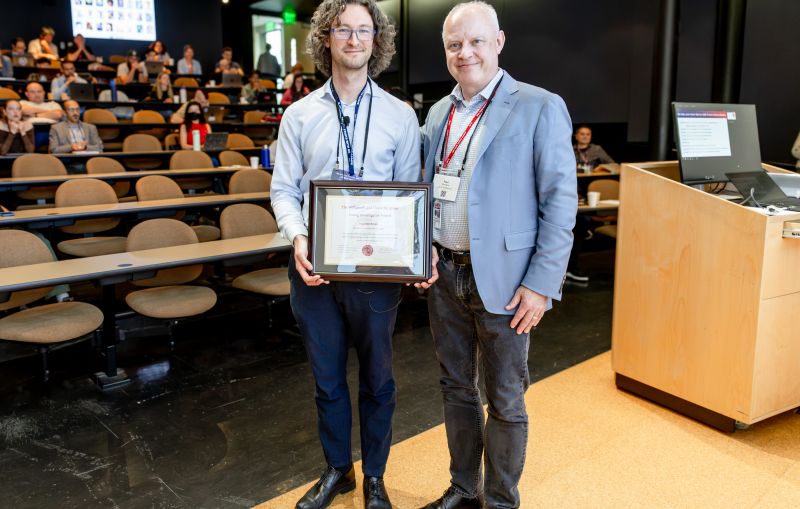
A series of awards were presented at the 2026 Bay Area Light Sources Joint Users' Meeting.

Awardee and presenter standing at front of auditorium.
Feature

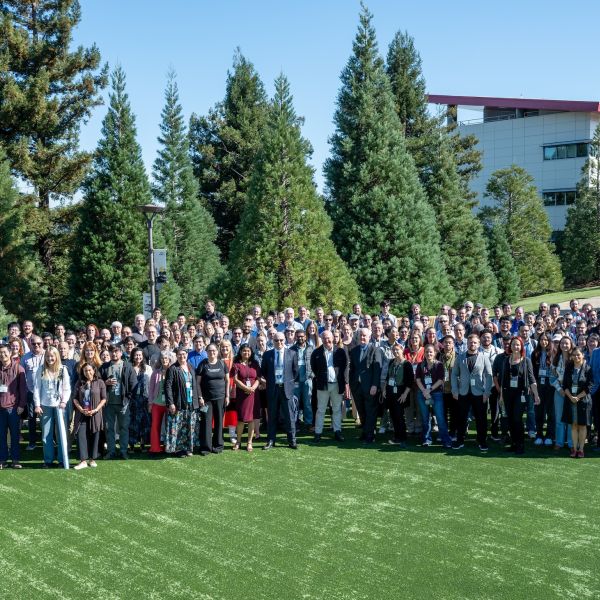
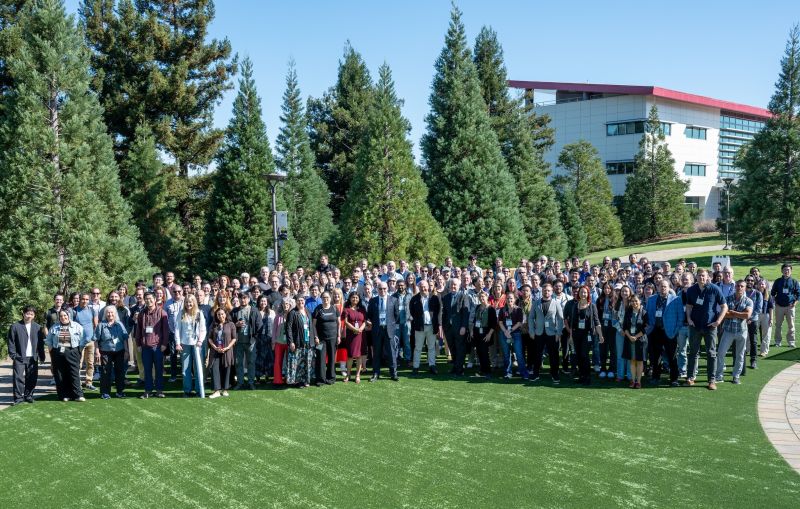
The region’s three powerful X-ray light sources attract researchers who study atomic-scale processes to drive innovation in batteries, biomedicine and more.

More than 100 people standing on grass in front of a building
Feature

Researchers at SLAC are using high-energy X-ray pulses probe electronic motion deep within atoms and dense plasmas. 

Aerial View of The Linac Coherent Light Source (LCLS) at SLAC at sunrise.
News Brief

They will explore proteins that are sensitive to magnetic fields and equations that explain our universe at the smallest and largest scales. 

Miguel Correia and Shaun Burd
News Brief

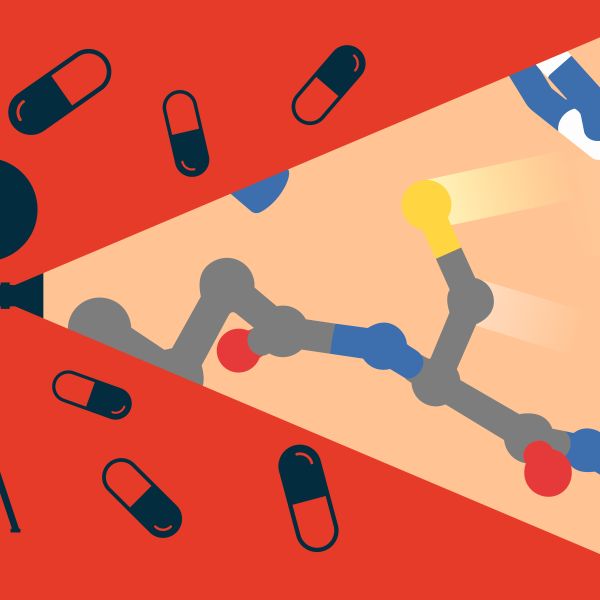
Using X-ray free-electron lasers like SLAC’s LCLS, researchers study how enzymes catalyze reactions, which could help them develop drugs and other medical treatments.

Movie projector shining light on molecular models
News Release

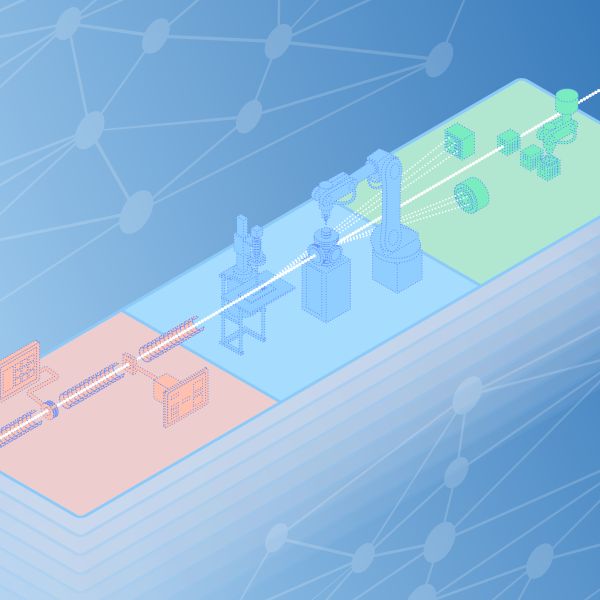
Tomorrow's innovations will come from autonomous labs that slash discovery time, and SLAC's facilities are taking the lead in a new collaboration with Stanford...

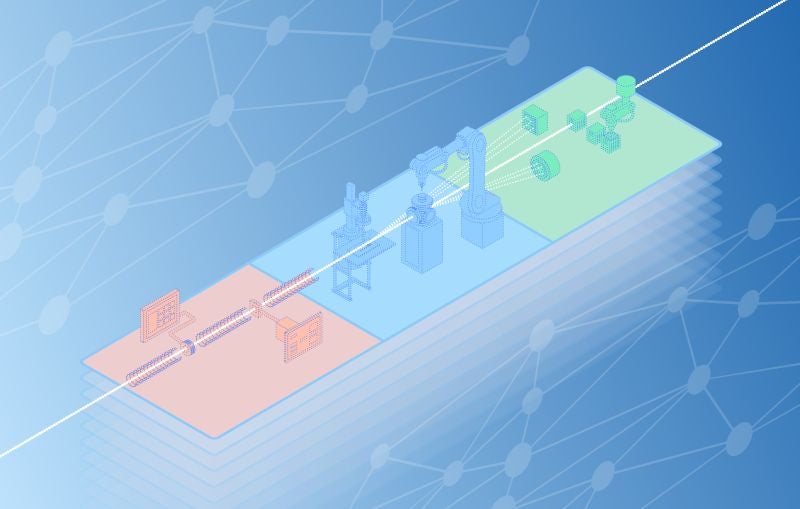
Illustration depicting self-driving lab from accelerator to experiment
News Brief

SLAC and Stanford scientists used ultrafast electrons and a laser to reveal an unexpectedly strong optical response to ionization, opening new possibilities for radiological...

An incoming orange beam strikes a layer of purple and green spheres spread horizontally across the image. A blue beam is located to the left of the orange beam.
News Brief

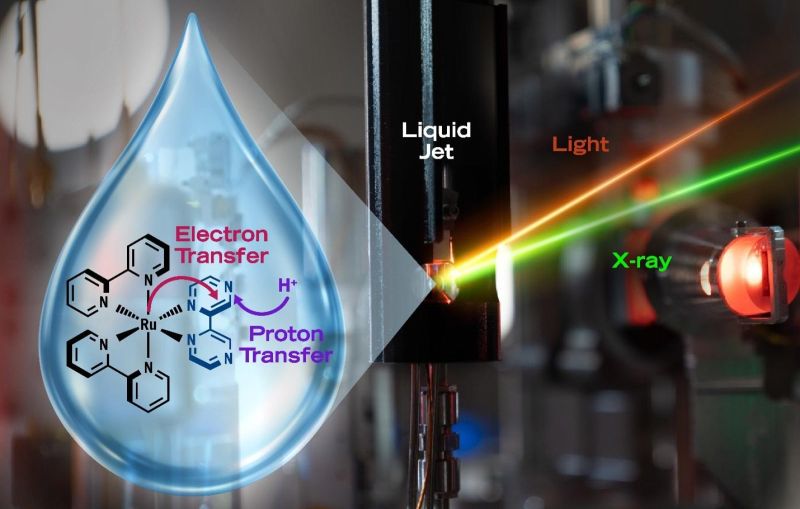
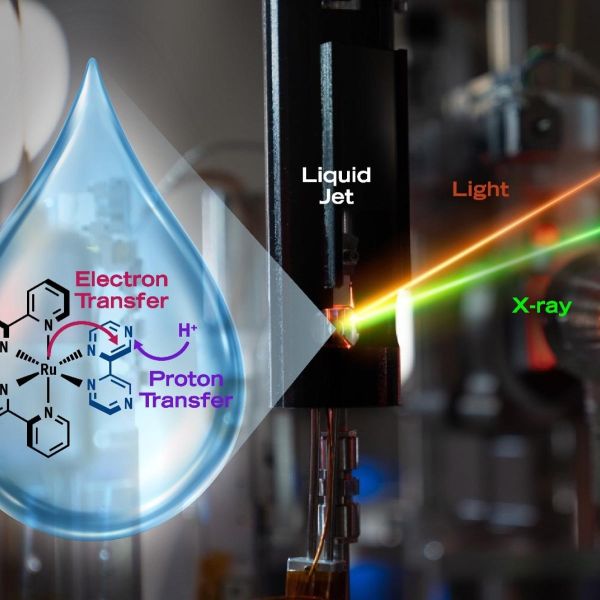
New research reveals how a molecule absorbs light and gains a proton while its watery environment reorganizes in response. 

In background, photo of equipment used in the study. At left in front, drawing of a water droplet with a chemical structure and diagram showing electron and proton transfer.
News Brief

A novel neural network will make it easier to store and retrieve the massive amounts of raw data coming from experiments across scientific fields.

Purple sphere against a dark background
News Brief

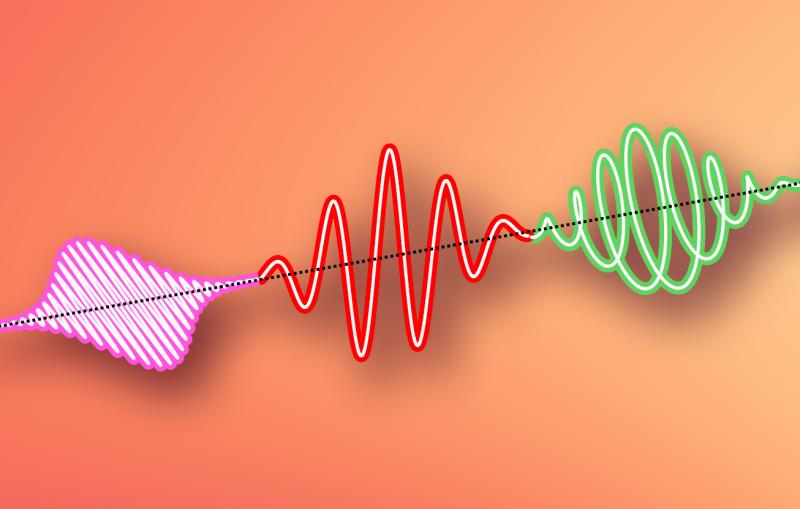
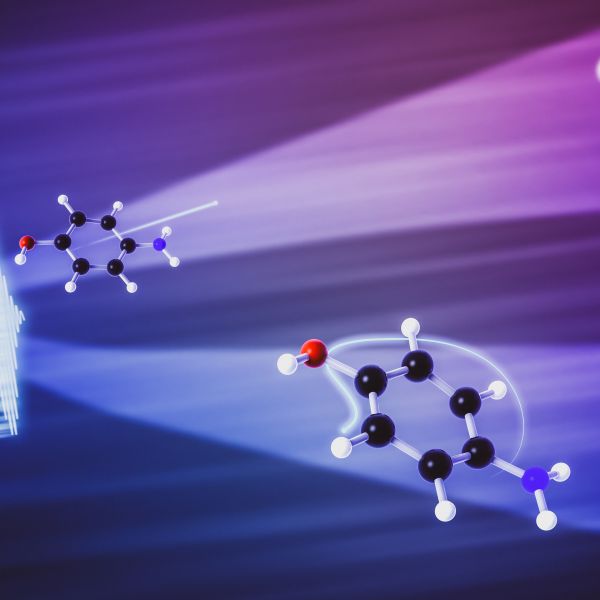
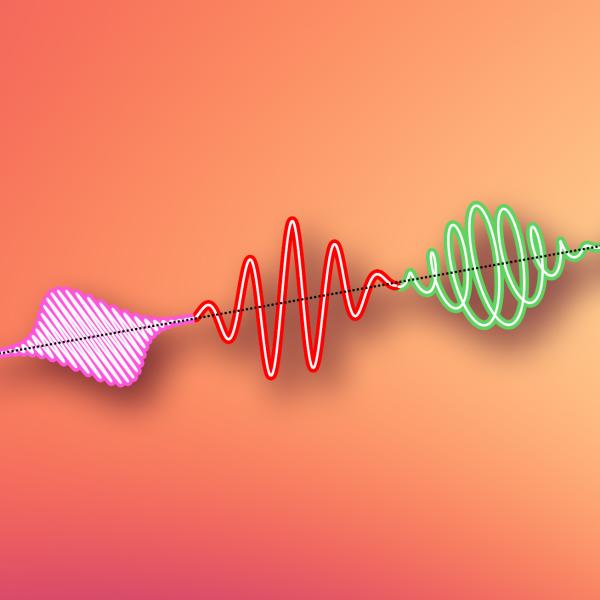
Researchers have documented the ultrafast motion of electrons, including two processes never before captured on their natural timescales.

Colorful abstract illustration featuring molecular structures with light beams and gradients of purple and blue in the background.
News Brief

Using the powerful LCLS X-ray laser, researchers at SLAC have directly imaged for the first time how molecules rearrange during a chemical reaction controlled...

Illustration of probe-pump-dump for imaging
Feature

The lab’s contributions to the national AI initiative are bolstered by its breakthrough scientific tools, unprecedented data and unique partnerships that help illuminate nature...

Sunrise over SLAC campus