


SLAC topics

Linac Coherent Light Source (LCLS) RSS feed

The Linac Coherent Light Source at SLAC, the world’s first hard X-ray free-electron laser, takes X-ray snapshots of atoms and molecules at work, revealing fundamental processes in materials, technology and living things.

Visit LCLS website

Browse tagged content

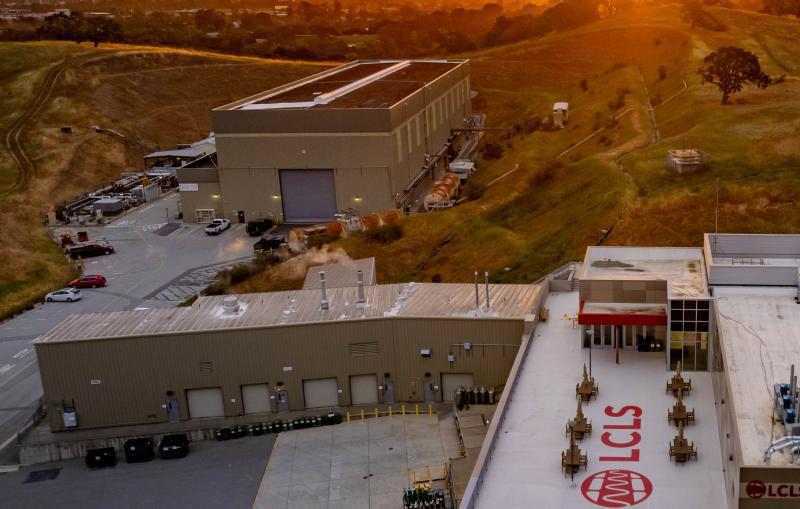
Rooftop view of Linac Coherent Light Source (LCLS)
Animation

In photosystem II, the water-splitting center cycles through four stable states
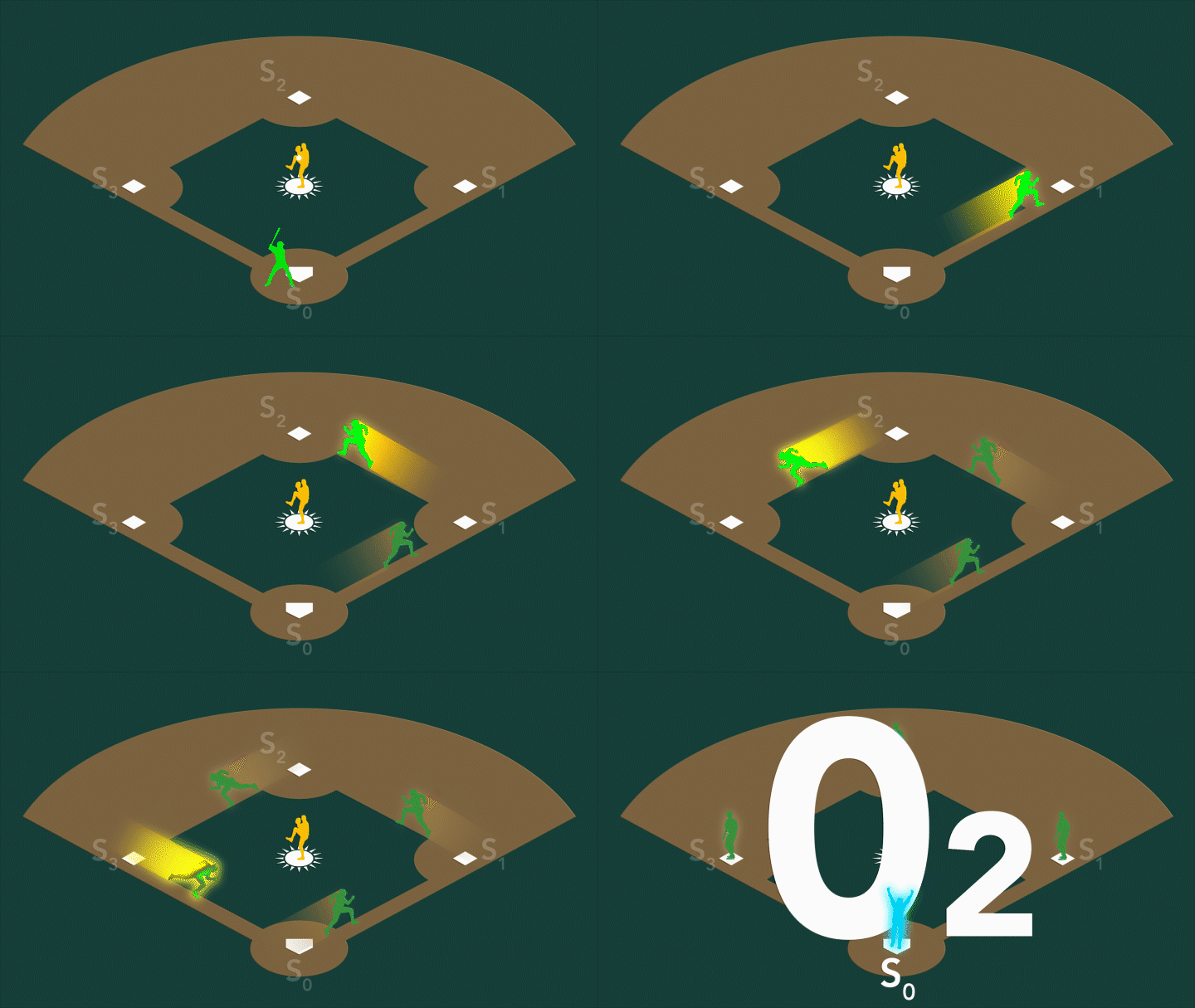
Photosystem II baseball
News Release

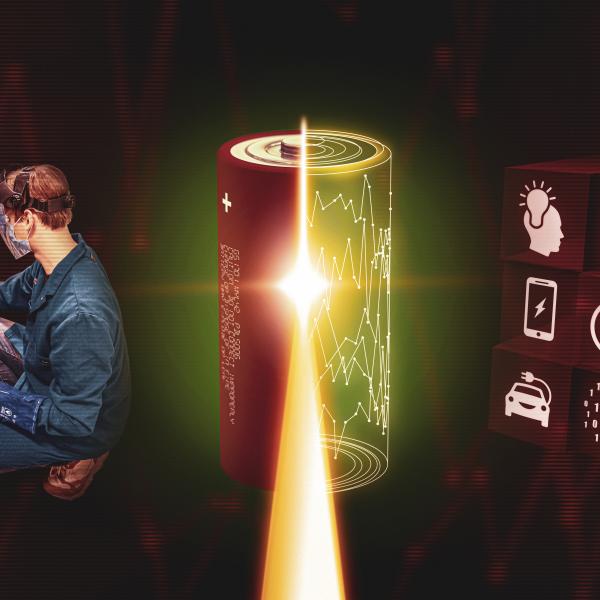
New SLAC-Stanford Battery Center bridges the gaps between discovering, manufacturing and deploying innovative energy storage solutions. 

Illustration showing a battery researcher at left, a battery at center and a grid of battery applications at right.
Illustration

The new SLAC-Stanford Battery Center aims to bridge the gaps between discovering, manufacturing and deploying innovative energy storage solutions. 
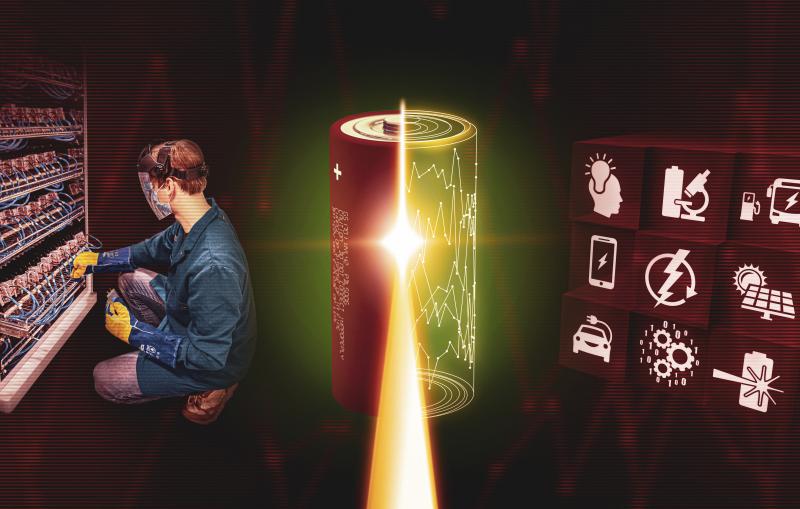
Illustration showing a battery researcher at left, a battery at center and a grid of battery applications at right.
Feature

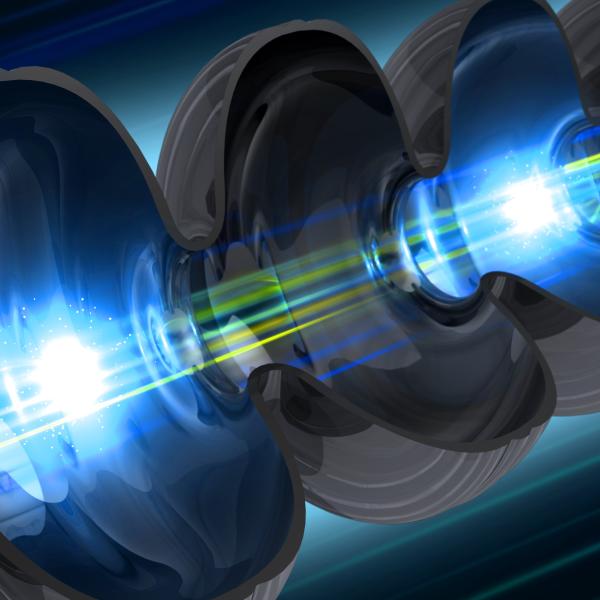
Once built, the system could produce fast X-ray pulses ten times more powerful than ever before.

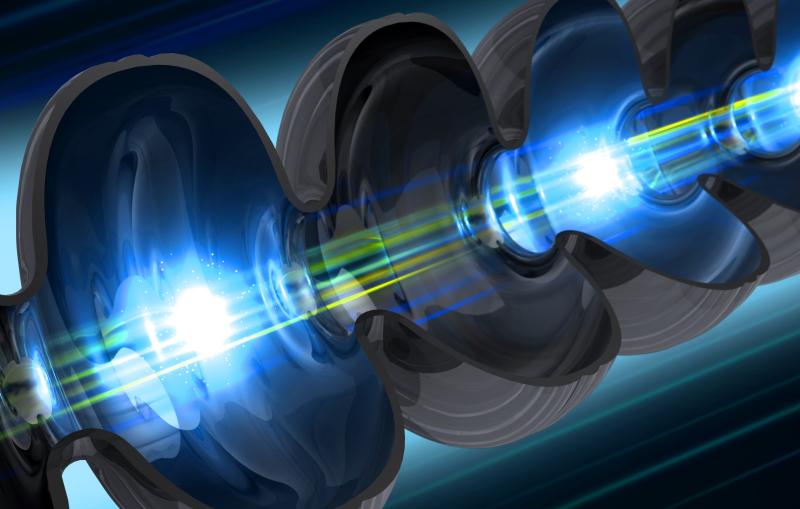
illustration of an electron beam traveling through a niobium cavity – a key component of SLAC’s future LCLS-II X-ray laser.
Feature

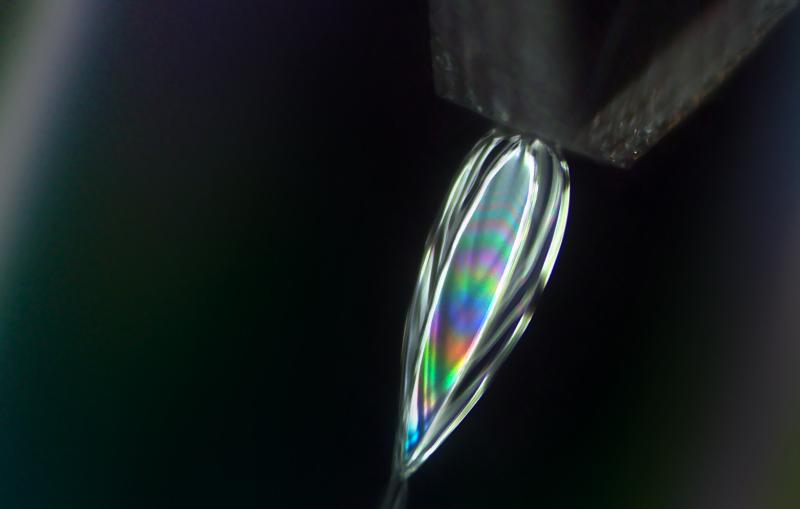
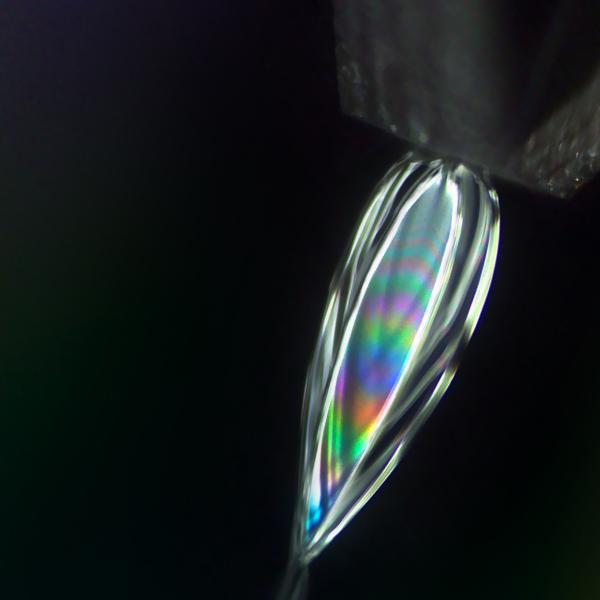
To invent a new tool for studying how chemicals react at interfaces, researchers shoot tiny jets of oil and water at each other and...

Rainbow colors in a sheet of layered liquids
Video
After more than a decade, LCLS was upgraded to generate even more powerful X-ray laser beams. With the LCLS-II upgrade, LCLS is around 10,000...
The creation of the world's brightest X-ray
Video
Feature

The award celebrates Huang’s achievements studying atom-scale physics with fast X-ray pulses.

Yijing Huang at Stanford University
Video
In a landmark experiment at SLAC National Accelerator Laboratory, scientists used an X-ray laser to capture the first snapshots of a chemical interaction between...
Video
Illustration

Illustration of how a single crystal sample of silicon deforms during shock compression on nanosecond timescales.

MEC silicon
Feature

They saw how the material finds a path to contorting and flexing to avoid being irreversibly crushed.

MEC silicon
Illustration
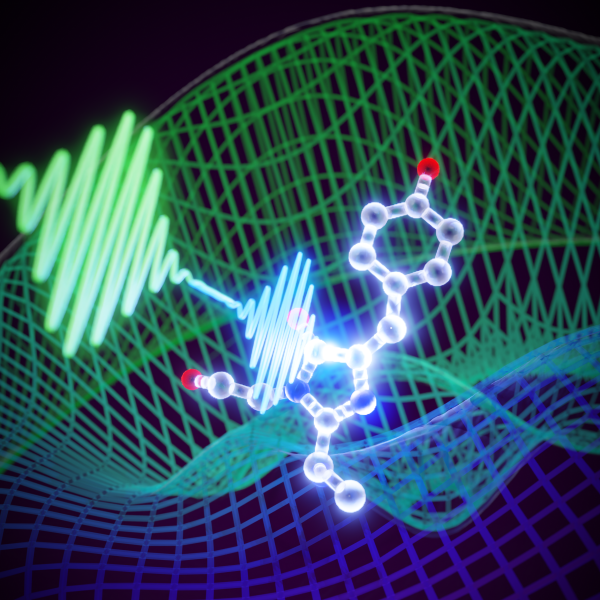
When light drives electron transfer in a molecular complex, the surrounding solvent molecules also rapidly move.
Illustration

Scientists use a series of magnets to transform an electron bunch into a narrow current spike which then produces a very intense attosecond X-ray...

XLEAP illustration