
SLAC topics

X-ray science RSS feed

X-ray studies at SLAC facilities help scientists understand the fundamental workings of nature by probing matter in atomic detail.

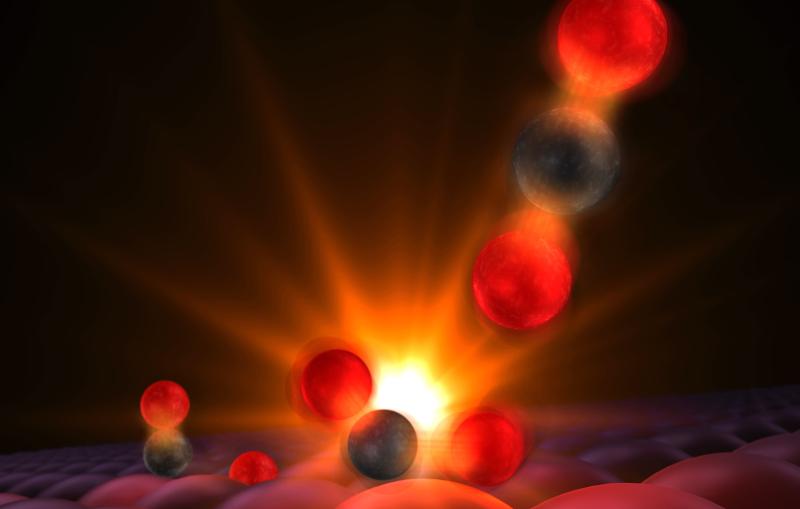
atoms forming a tentative bond
Feature

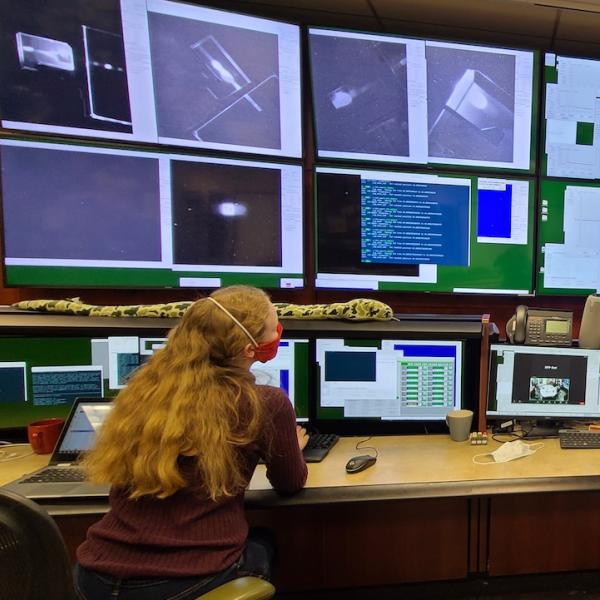
They used synthetic diamond crystals as mirrors to make X-ray pulses run laps inside a vacuum chamber, demonstrating a key process needed for future...

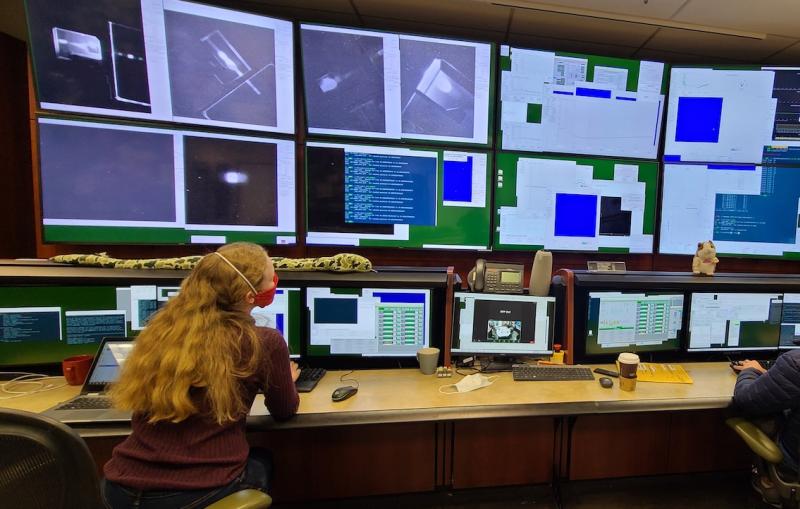
Two scientists in a control room full of computer monitors that allow them to adjust diamond mirrors in their CBXFEL experiment
news collection

An upgrade to SLAC’s renowned Linac Coherent Light Source will allow it to deliver X-ray laser beams that are 10,000 times brighter with pulses that arrive up to a million times per second.

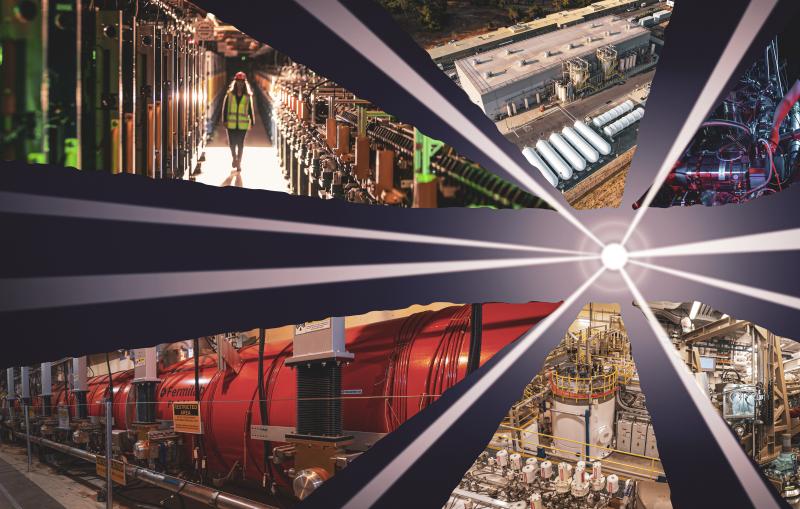
collage of LCLS-II milestones
News Release

After decades of effort, scientists have finally seen the process by which nature creates the oxygen we breathe using SLAC’s X-ray laser.

Photosystem II
Animation

In photosystem II, the water-splitting center cycles through four stable states
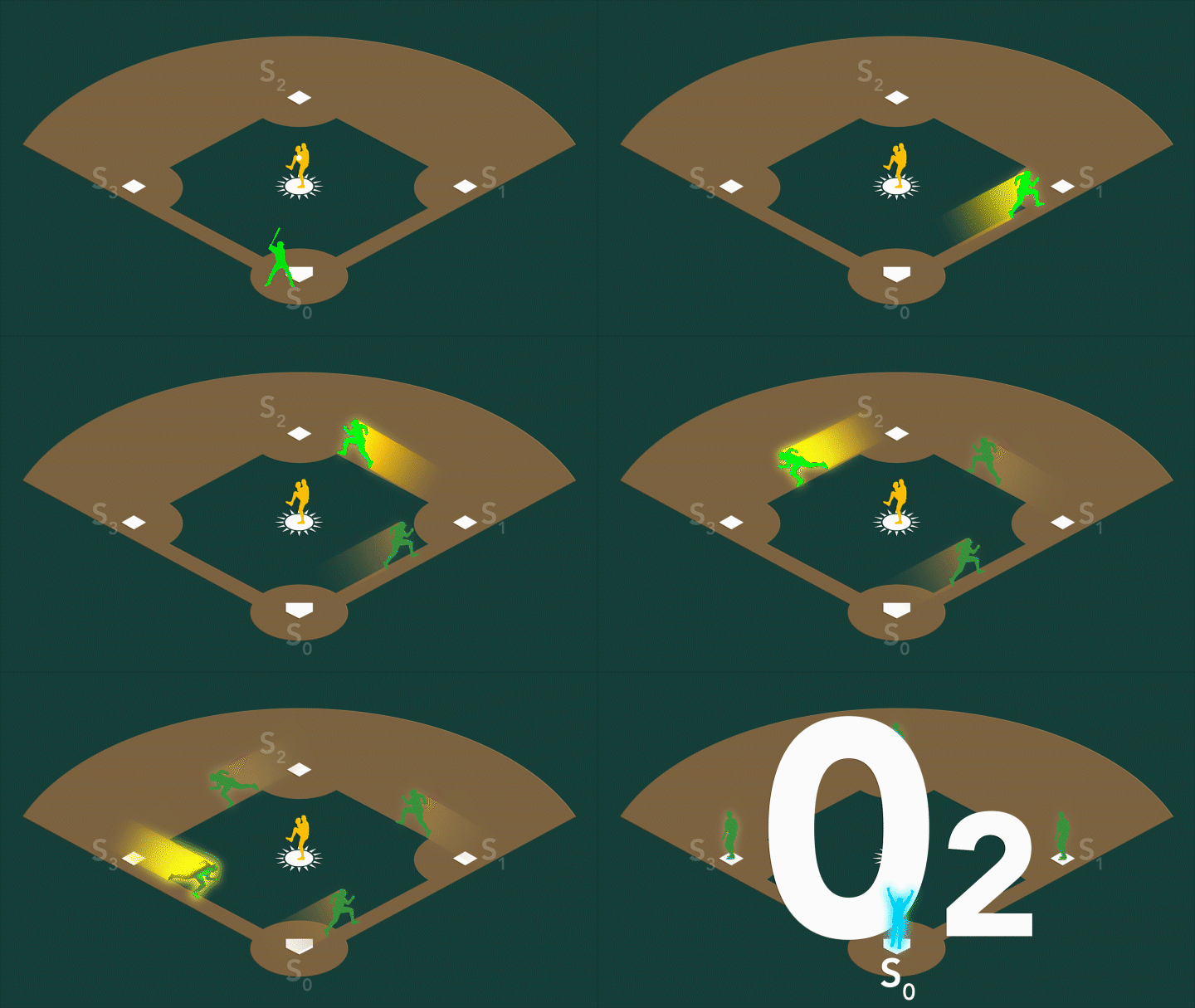
Photosystem II baseball
News Release

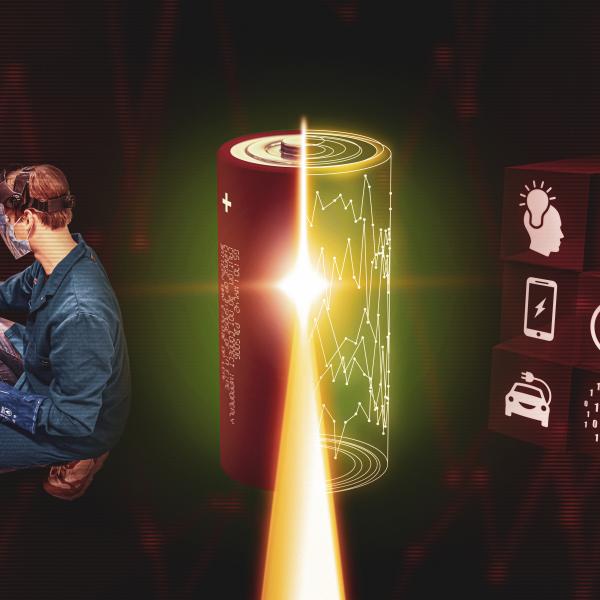
New SLAC-Stanford Battery Center bridges the gaps between discovering, manufacturing and deploying innovative energy storage solutions. 

Illustration showing a battery researcher at left, a battery at center and a grid of battery applications at right.
Illustration

The new SLAC-Stanford Battery Center aims to bridge the gaps between discovering, manufacturing and deploying innovative energy storage solutions. 
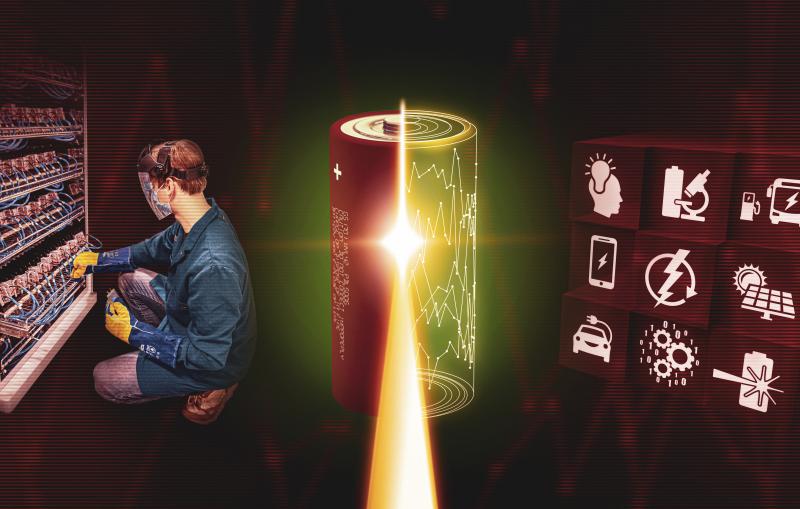
Illustration showing a battery researcher at left, a battery at center and a grid of battery applications at right.
Feature

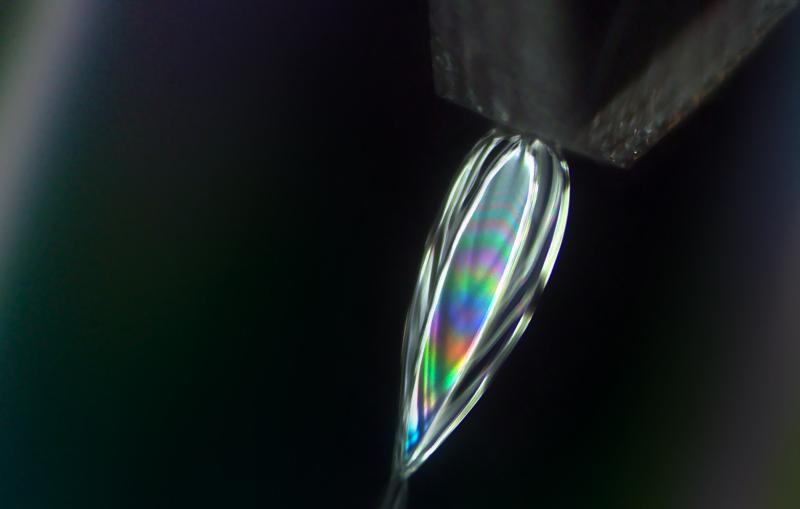
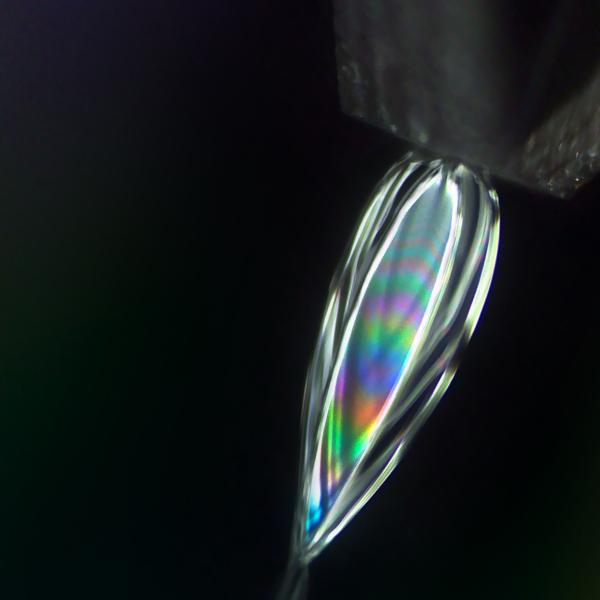
To invent a new tool for studying how chemicals react at interfaces, researchers shoot tiny jets of oil and water at each other and...

Rainbow colors in a sheet of layered liquids
Feature

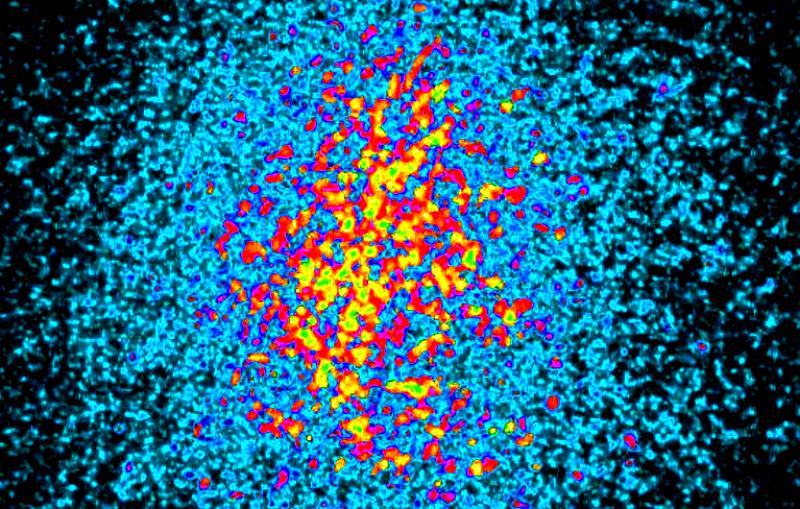
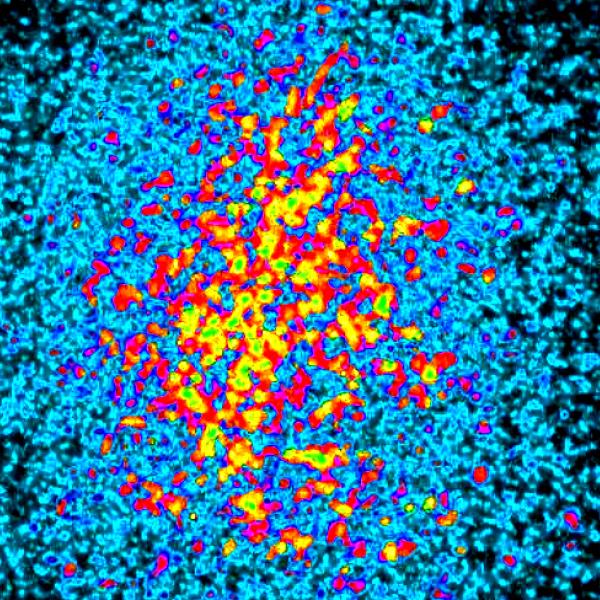
A machine learning algorithm automatically extracts information to speed up – and extend – the study of materials with X-ray pulse pairs.

A pattern of red and yellow dots surrounded by a ring of blue dots on a black background.
Feature

The award celebrates Huang’s achievements studying atom-scale physics with fast X-ray pulses.

Yijing Huang at Stanford University
News Brief

His work has led to new treatments for advanced lung cancer and a better understanding of dangerous parasites.

Blaine Mooers
Feature

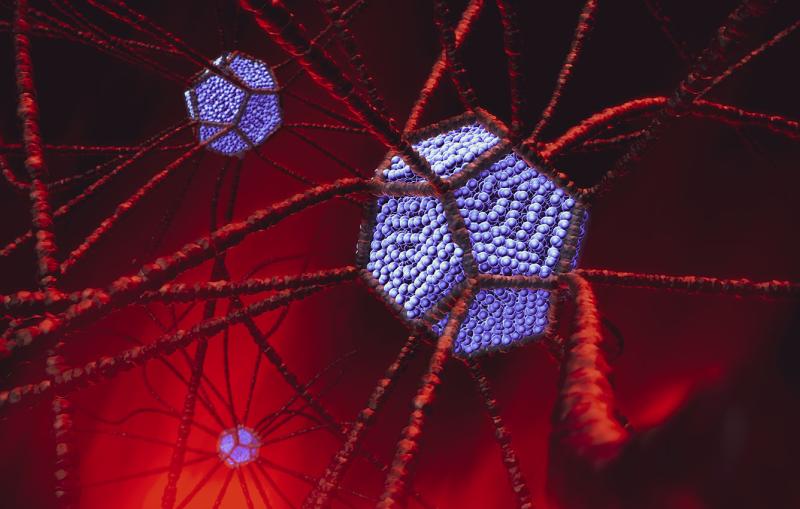
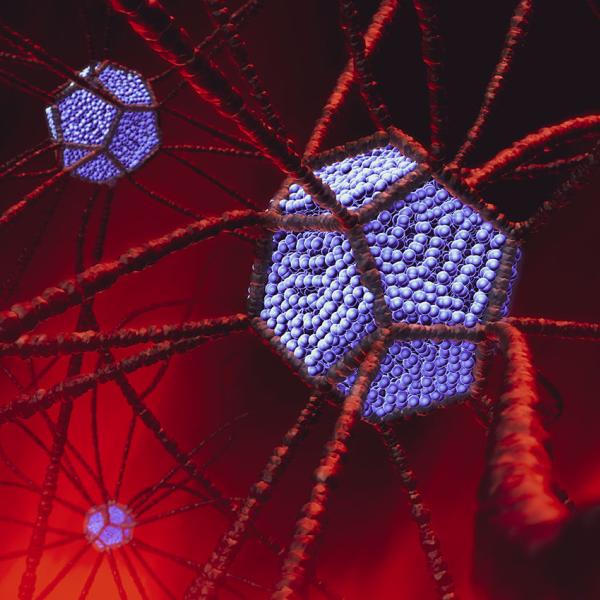
Encapsulating precious-metal catalysts in a web-like alumina framework could reduce the amount needed in catalytic converters – and our dependency on these scarce metals.

A web of red material encapsulates blue polyhedrons.
Illustration

Studies of atomic-level processes that drain battery life and efficiency help improve battery performance. 
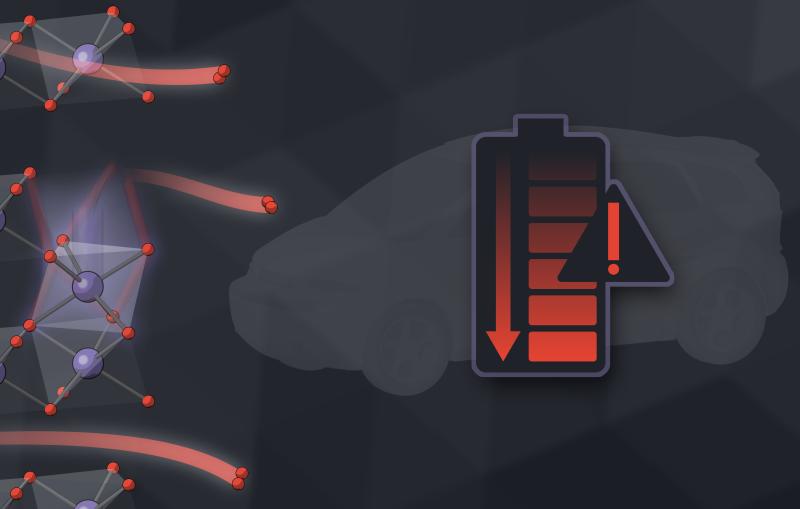
Studies of atomic-level processes that drain battery life and efficiency help improve battery performance.