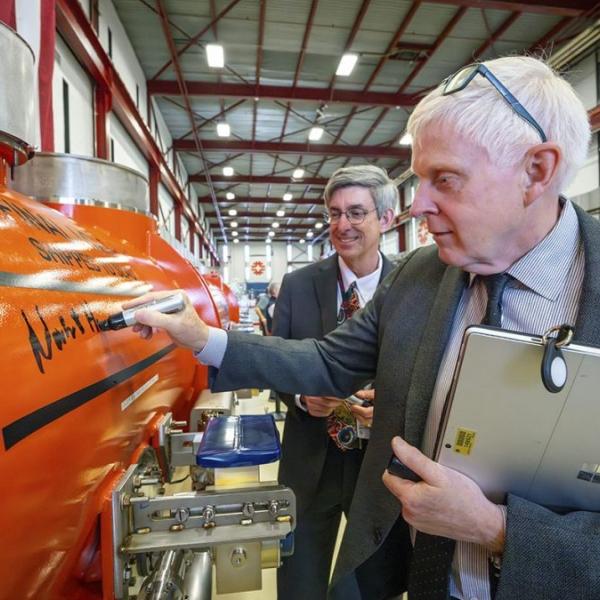
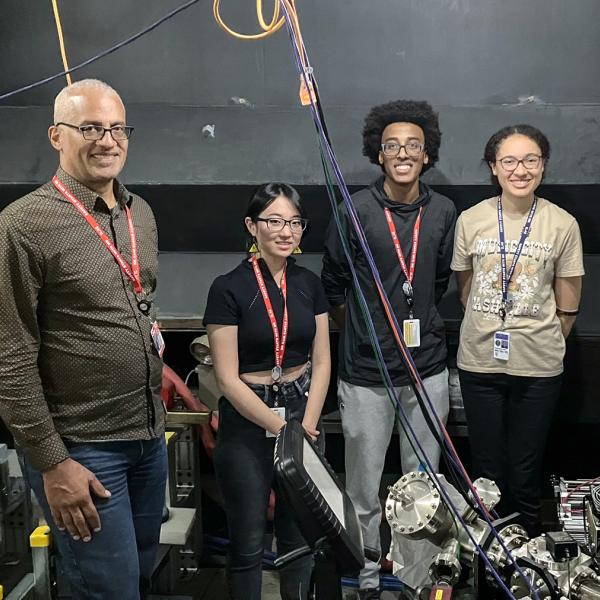
Accelerators form the backbone of SLAC’s national user facilities. They generate some of the highest quality particle beams in the world, helping thousands of scientists perform groundbreaking experiments each year.
Browse tagged content
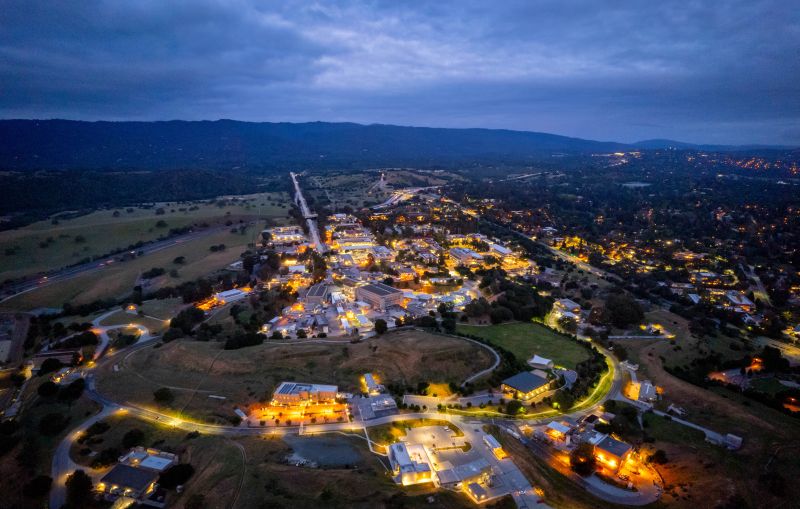
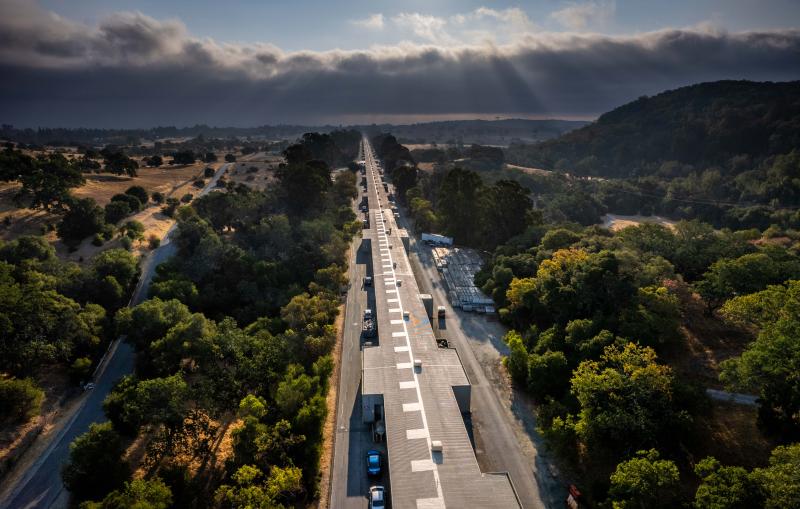
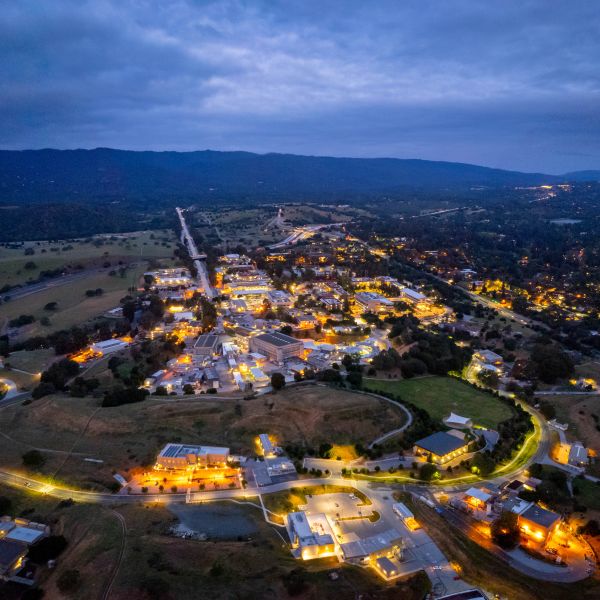
Linac towards SLAC campus.
(Olivier Bonin/SLAC National Accelerator Laboratory)
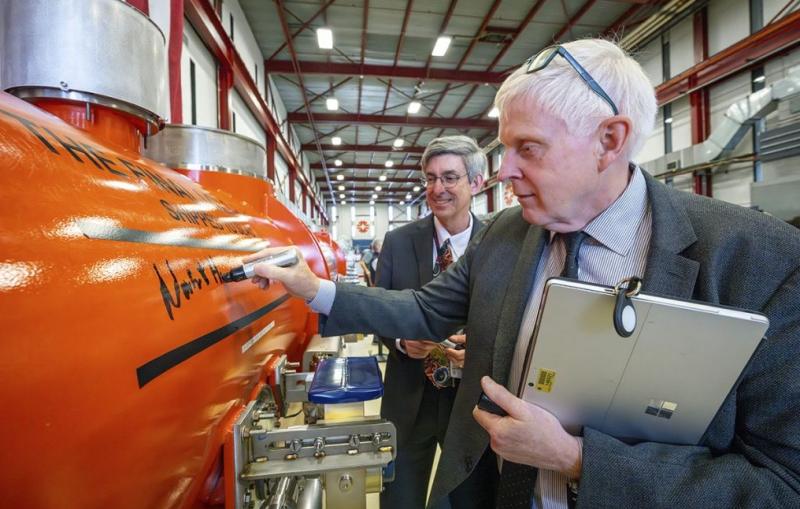
An emeritus professor at Stanford University and SLAC National Accelerator Laboratory, he made many contributions to synchrotron science and human rights.
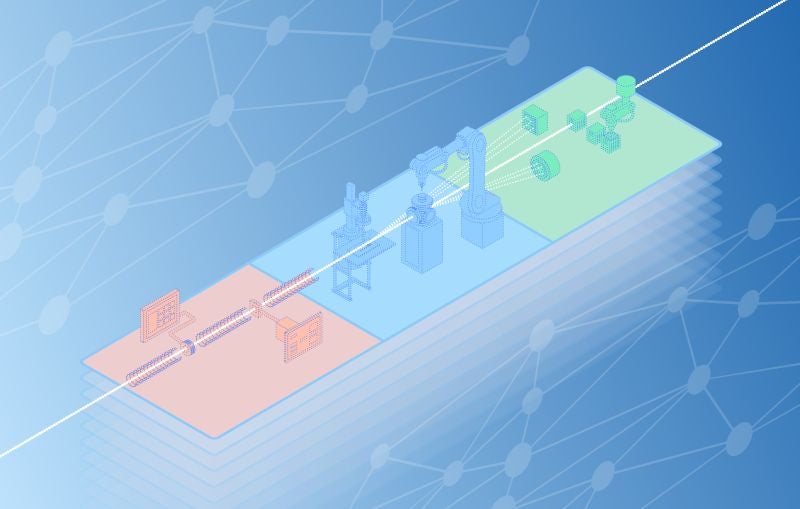
Tomorrow's innovations will come from autonomous labs that slash discovery time, and SLAC's facilities are taking the lead in a new collaboration with Stanford...
The lab’s contributions to the national AI initiative are bolstered by its breakthrough scientific tools, unprecedented data and unique partnerships that help illuminate nature...
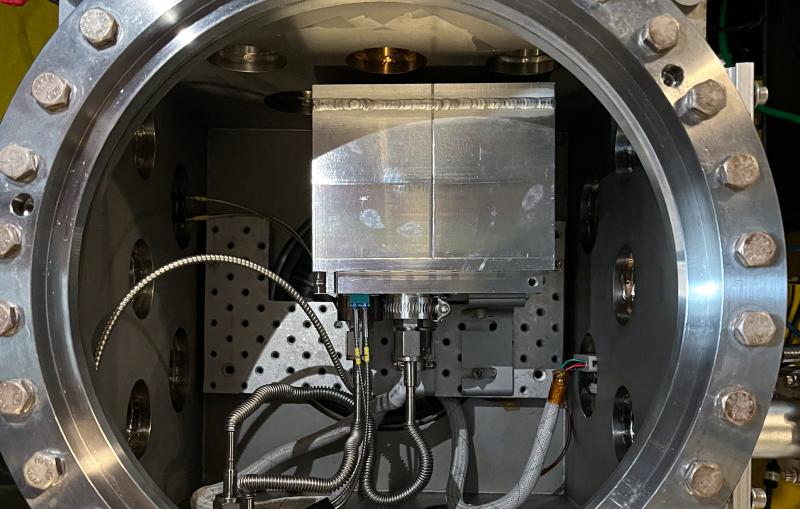
Researchers reengineered an ePix10k detector for use in ultrafast electron diffraction, empowering studies of chemical processes that were previously out of reach.
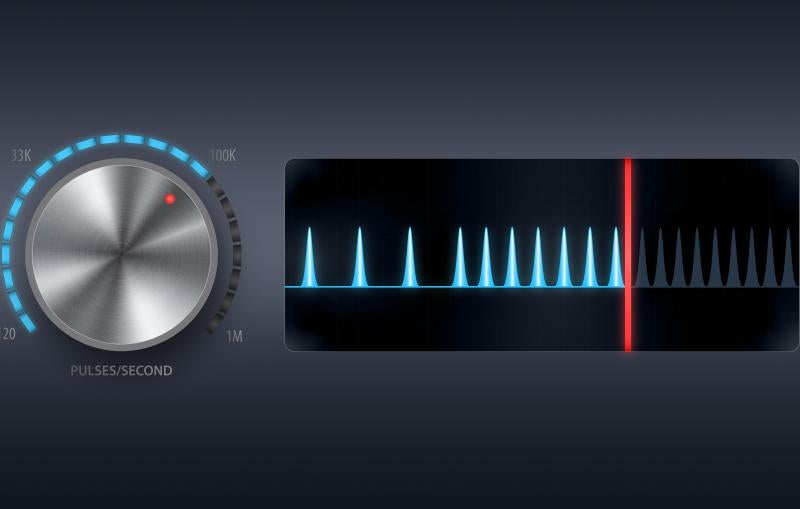
Experiments running at these higher pulse rates will allow scientists to capture ultrafast processes with greater precision, collect data more efficiently and explore phenomena...
An emeritus professor at Stanford University and SLAC National Accelerator Laboratory, he made many contributions to synchrotron science and human rights.
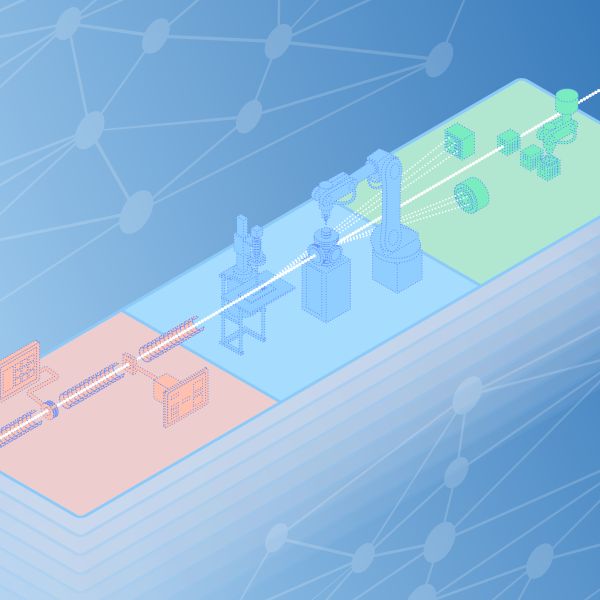
Tomorrow's innovations will come from autonomous labs that slash discovery time, and SLAC's facilities are taking the lead in a new collaboration with Stanford, other national labs, universities, and industry.
The lab’s contributions to the national AI initiative are bolstered by its breakthrough scientific tools, unprecedented data and unique partnerships that help illuminate nature from the expansion of the universe to the motions of electrons.
Researchers reengineered an ePix10k detector for use in ultrafast electron diffraction, empowering studies of chemical processes that were previously out of reach.
Experiments running at these higher pulse rates will allow scientists to capture ultrafast processes with greater precision, collect data more efficiently and explore phenomena that were previously out of reach.